
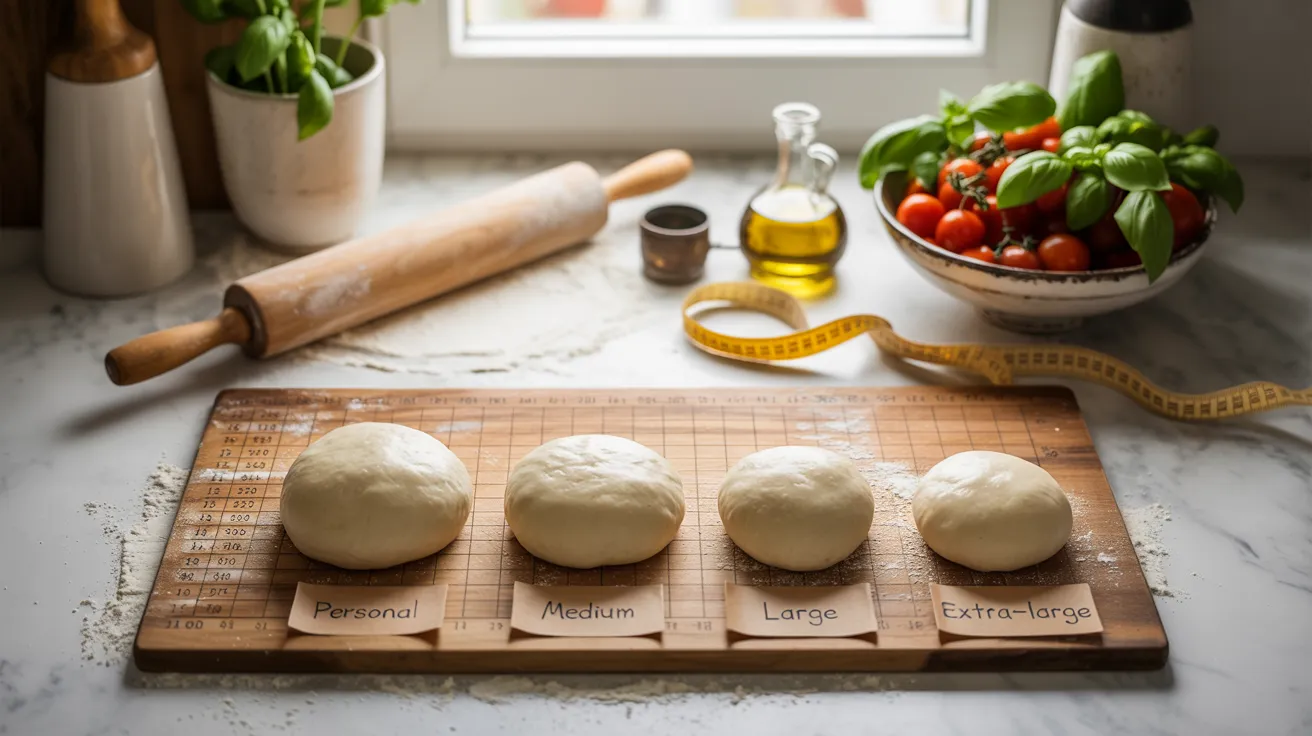
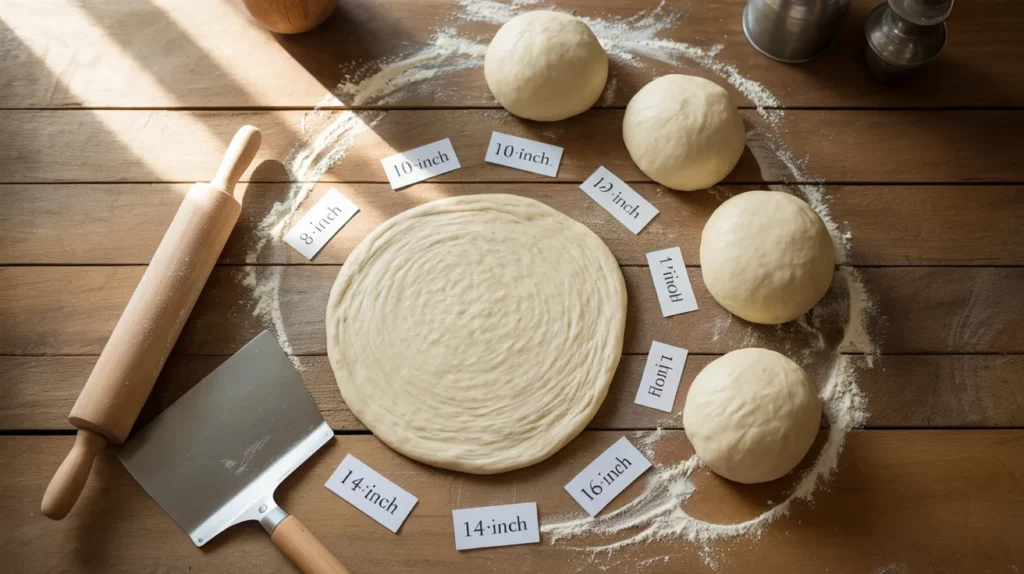
Are you tired of guessing the right size for your pizza dough every time you bake? Whether you’re making a small personal pizza or feeding a hungry crowd, knowing the perfect dough size can make all the difference.
This Pizza Dough Size Chart will help you get it just right, so your crust turns out crispy, chewy, and delicious every single time. Keep reading to discover the exact measurements you need to master your pizza game and impress everyone at your table.
Choosing Dough Size
Choosing the right dough size sets the foundation for a perfect pizza. Size affects cooking time, texture, and how much you can enjoy. Knowing which size fits your needs helps avoid waste and ensures satisfaction. This guide breaks down key points to consider before picking dough size.
Factors Influencing Size
Number of eaters matters most. Small sizes suit one or two people. Larger sizes work well for groups or parties. Oven space limits dough size too. Some ovens fit only smaller pizzas. Serving style affects choice. Thin crust pizzas often come in larger sizes. Thick crust pizzas usually stay smaller.
Dough Thickness Options
Thickness changes pizza feel and taste. Thin dough cooks quickly and crisps nicely. Thick dough takes longer and is softer inside. Medium thickness balances crisp and chewiness. Choose thickness based on topping type. Heavy toppings need thicker dough for support. Light toppings pair well with thin dough.
Common Dough Sizes
Pizza dough sizes vary to suit different appetites and occasions. Each size offers a unique eating experience. Choosing the right dough size helps control portions and ingredients. Here are the most common dough sizes you will find.
Personal Pizzas
Personal pizzas usually measure around 6 to 8 inches in diameter. They serve one person perfectly. Ideal for a quick snack or light meal. The dough ball weight ranges from 4 to 6 ounces. Easy to handle and bake quickly.
Medium Pizzas
Medium pizzas range from 10 to 12 inches in diameter. They typically serve 2 to 3 people. Dough ball weight is about 10 to 12 ounces. Great for small groups or a family meal. Offers more topping space than personal pizzas.
Large Pizzas
Large pizzas measure around 14 to 16 inches in diameter. These feed 3 to 5 people comfortably. Dough weight usually falls between 16 and 20 ounces. Perfect for gatherings or bigger appetites. Allows for extra toppings and thicker crusts.
Extra-large Pizzas
Extra-large pizzas start at 18 inches and go up from there. They can serve 5 or more people. Dough weight often exceeds 24 ounces. Suitable for parties or group events. Requires more oven space and longer baking times.

Dough Weight And Diameter
Understanding the relationship between dough weight and diameter is key to making the perfect pizza. The dough weight affects the pizza size and thickness. By knowing this, you can control how thick or thin your pizza crust will be. This helps create the right texture and taste every time.
Weight-to-size Ratios
The weight of the dough directly impacts the diameter of the pizza. For example, a 200-gram dough ball usually makes a 10-inch pizza. A 300-gram dough ball can stretch to about 12 inches. These ratios help keep your pizza size consistent. Using a scale to measure dough ensures accuracy. This way, every pizza bakes evenly and looks great.
Adjusting For Thickness
You can change dough thickness by adjusting its weight or stretching it differently. For a thicker crust, use more dough for the same diameter. For a thinner crust, use less dough or stretch it more. Keep the dough weight balanced to avoid tearing. This method helps you customize pizza thickness without guesswork.
Scaling Dough For Groups
Scaling dough for groups means adjusting the amount of pizza dough based on how many people you serve. This helps you prepare the right size dough for any gathering. Knowing the right dough size stops waste and keeps every guest happy.
Small Gatherings
For small gatherings, plan about one pizza per two people. A 10-inch pizza usually serves two people well. Multiply the dough weight by the number of pizzas needed. Use a pizza dough size chart to guide your measurements. This method keeps dough fresh and easy to handle.
Large Events
Large events need more dough and careful planning. Calculate dough for each pizza, then multiply by the total pizzas required. Choose larger pizzas, like 14 or 16 inches, to serve more people. Divide dough into portions to speed up baking. This approach saves time and feeds everyone comfortably.
Measuring Dough At Home
Measuring pizza dough at home helps create the perfect pizza size. It ensures even cooking and consistent results. You can avoid dough waste and make the right amount for your needs. Simple tools and easy tips make measuring dough quick and accurate.
Tools You Need
A digital kitchen scale is the best tool for measuring dough. It gives exact weight in grams or ounces. Measuring cups and spoons help with smaller dough portions. A ruler or measuring tape can check dough thickness and diameter. Use a clean, flat surface for measuring and shaping dough.
Tips For Accuracy
Weigh dough before and after resting to track changes. Always zero the scale with the container before adding dough. Divide dough evenly if making multiple pizzas. Measure dough thickness to avoid over- or under-cooked crust. Keep tools clean and dry to prevent dough sticking. Follow the dough recipe’s weight recommendations for best results.
Pizza Dough Size Table (Perfect for Article Use)
| Pizza Size | Diameter (inch) | Dough Weight (grams) | Serves | Notes |
|---|---|---|---|---|
| Personal | 6–8 inch | 120–170 g (4–6 oz) | 1 person | Quick meal, fast baking |
| Medium | 10–12 inch | 280–340 g (10–12 oz) | 2–3 people | Balanced toppings & size |
| Large | 14–16 inch | 450–570 g (16–20 oz) | 3–5 people | Best for groups |
| Extra-Large | 18+ inch | 680 g+ (24+ oz) | 5+ people | Parties, gatherings |
| Ultra Thin Crust | 10–14 inch | 180–250 g | Varies | Stretch more for thin crust |
| Thick Crust / Pan Pizza | 10–14 inch | 350–500 g | Varies | Needs more dough |
Troubleshooting Dough Size
Troubleshooting dough size is key to perfect pizza crusts. Dough that is too thin or thick can spoil the whole pizza experience. Stretching problems can cause tears or uneven shapes. Fix these issues early to get the best results every time.
Avoiding Too Thin Or Thick Crusts
Measure dough weight to control crust thickness. Use a scale for accuracy. Roll dough gently and evenly to avoid thin spots. Thick crusts need more dough weight or less stretching. Aim for consistent thickness across the dough. This keeps baking uniform and tasty.
Fixing Dough Stretch Issues
Rest dough before stretching to relax gluten. Cold dough is harder to stretch and breaks easily. Use your hands, not a rolling pin, to keep air bubbles. Stretch slowly from the center outward. Patch small holes with extra dough pieces. Keep dough dusted lightly with flour to prevent sticking.
Tips For Perfect Pizzas
Perfect pizza starts with the right dough and careful baking. Small steps can change your pizza’s taste and texture. Follow these tips for better results every time.
Simple changes in dough handling and baking make big differences. Focus on resting the dough and controlling oven temperature.
Proper Dough Resting
Resting dough lets gluten relax and grow. This makes the dough soft and stretchy.
Rest dough for at least 1 hour. For best results, rest it overnight in the fridge.
Do not rush this step. Proper resting improves flavor and texture.
Baking Temperature Effects
High oven temperatures create a crisp crust and melty cheese. Aim for 450°F to 500°F (230°C to 260°C).
Preheat the oven well before baking. This ensures even cooking and a golden crust.
Lower temperatures make dough tough and dry. Keep the heat high for soft, airy pizzas.
Frequently Asked Questions
What Are The Common Pizza Dough Sizes?
Common pizza dough sizes include 8, 10, 12, 14, and 16 inches. Each size fits different pan types and servings. Smaller sizes serve 1-2 people, while larger sizes can serve up to 6 or more.
How Much Dough Is Needed Per Pizza Size?
Dough weight varies with pizza size. For example, an 8-inch pizza uses around 150 grams, while a 14-inch needs about 400 grams. Proper dough weight ensures the right thickness and texture for each pizza size.
How To Adjust Dough Size For Different Pizzas?
Adjust dough size by scaling the recipe proportionally to the pizza diameter. Use a size chart to match dough weight with diameter. This keeps crust thickness consistent across various pizza sizes.
Why Is A Pizza Dough Size Chart Useful?
A size chart helps bakers prepare the correct dough amount. It prevents waste and ensures uniform crust thickness. This tool improves pizza quality and consistency in both home and professional kitchens.
Conclusion
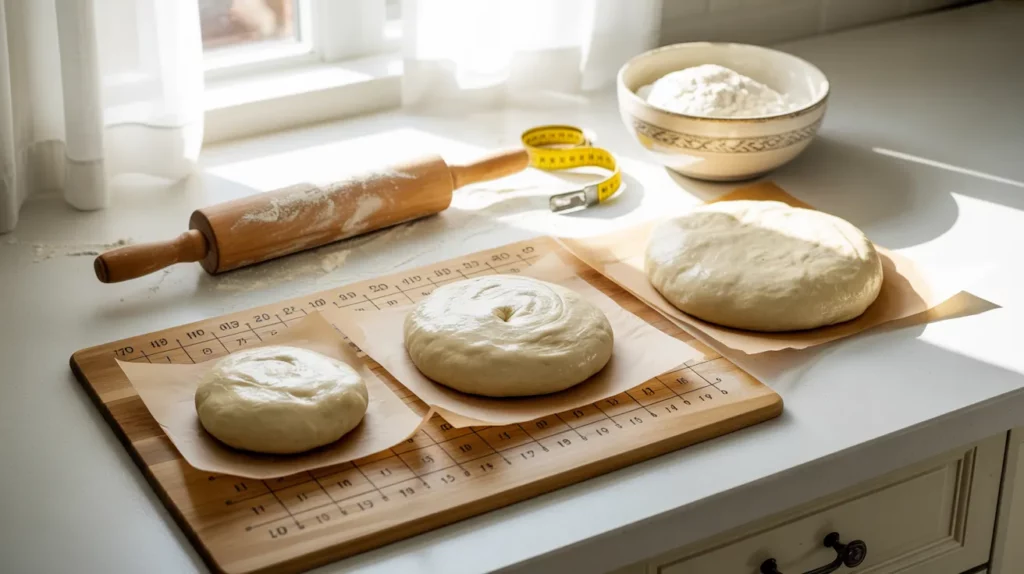
Choosing the right pizza dough size makes a big difference. It helps you cook pizza evenly and fits your baking tools. Knowing sizes helps you plan meals better. You get the perfect slice every time. Keep this chart handy when making pizza at home.
It saves time and avoids guesswork. Enjoy your pizza with confidence and ease. Simple, clear, and useful—just what you need.
