
White rice is the ultimate comfort food, perfect for busy weeknights or when entertaining friends. It’s fluffy, versatile, and can elevate any meal with its simple yet satisfying flavor. Picture a steaming bowl of white rice accompanying your favorite curry or stir-fry, soaking up all those delicious sauces—now that’s a dish that makes your mouth water!
In this guide, you’ll find the standard serving sizes for both cooked and uncooked white rice, along with nutritional information and a few tasty recipes to help you make the most of your rice. Total time for cooking is around 20 minutes, and it’s easy enough for any skill level, serving 4.
Origin and Significance
White rice has been a staple food for many cultures around the world for thousands of years. Its significance transcends mere nourishment, representing tradition, celebration, and comfort in various cuisines.
Cultural Background
Rice cultivation dates back to ancient times in Asia, particularly in regions like China and India, where it became integral to daily life and cultural practices. Here are some highlights of its cultural importance:
- China: Rice is often associated with prosperity and is a central part of family gatherings and festivals.
- India: In many Indian households, rice is a symbol of life and sustenance, often served during important ceremonies.
- Japan: The Japanese rice is considered sacred and is featured prominently in Shinto rituals.
When to Serve
Knowing the standard serving size of white rice not only helps in meal planning but also enhances the dining experience. The typical serving size for cooked white rice is:
| Serving Size | Measurement | Calories |
|---|---|---|
| Standard Serving | 1 cup cooked (about 158g) | 205 calories |
This portion is generally appropriate for a side dish alongside proteins and vegetables. However, serving sizes may vary based on personal dietary needs and meal context.
Chef’s tip: If you’re serving rice as a main dish, consider increasing the serving size to 1.5 cups to accommodate heartier appetites.
Ingredients for Cooking
This section provides the exact measurements for uncooked and cooked white rice, which is essential for determining serving sizes. Knowing these measurements helps you plan meals more accurately and ensures you have the right amount of rice for your recipes.
| Type | Amount | Calories |
|---|---|---|
| ½ cup cooked | ~100g | ~130 kcal |
| 1 cup cooked | ~200g | ~205 kcal |
| ½ cup uncooked | ~90g | yields ~1½ cups cooked |
- For a larger crowd, scale up the uncooked rice: 1 cup (180g) serves about 4 people.
- For meal prep, consider cooking a larger batch and storing it in the fridge for up to 5 days.
- If using brown rice, increase the uncooked amount to ¾ cup (135g) for the same serving size, as it expands more during cooking.
- Common mistake: Rinsing rice too much can remove excess starch, affecting the final texture. Rinse just until the water runs clear.
Measuring Serving Sizes
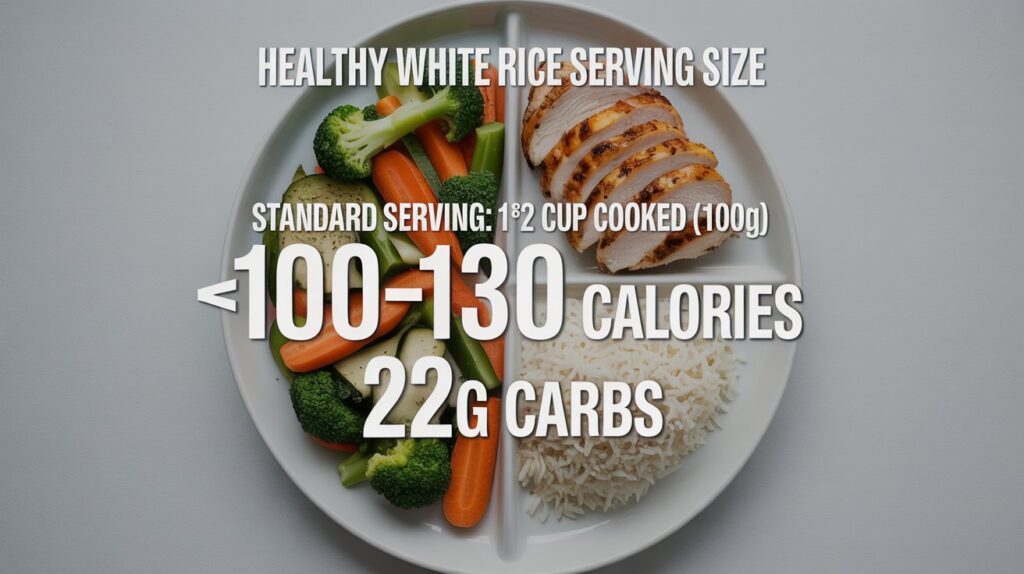
Understanding the proper serving size of white rice is crucial for both portion control and nutritional balance. A standard serving size provides a good foundation for your meals, ensuring you receive the right amount of carbohydrates while complementing your dishes effectively.
Standard Serving Size
The standard serving size for cooked white rice is typically ½ cup (about 90-100g). This portion is ideal for most meals and can be adjusted based on individual dietary needs.
Visual Measurement Guide
Measuring rice can be straightforward if you know what to look for. Here are some tips to help you visualize serving sizes:
- ½ cup cooked white rice: This is roughly the size of a standard ice cream scoop or a rounded handful.
- 1 cup cooked white rice: This is equivalent to a small bowl or a fistful.
Chef’s tip: When measuring rice, remember that it expands when cooked. One cup of uncooked white rice yields about three cups of cooked rice.
| ½ cup | ⅓ cup (60g) | ½ cup (90-100g) | Approximately 100 calories, 22g carbohydrates |
| 1 cup | ¾ cup (135g) | 1 cup (180-200g) | Approximately 200 calories, 45g carbohydrates |
Do not forget: Adjust serving sizes based on your dietary needs, especially if you are watching your carbohydrate intake or serving rice as a side dish versus the main component of your meal.
Cooking Instructions
This section will guide you through the precise steps to cook white rice with attention to serving sizes, ensuring you achieve the perfect texture and flavor. Knowing how to prepare rice correctly will enhance your meals, whether you’re serving it as a side dish or incorporating it into a main course.
- Measure the Rice: For each serving, measure out ½ cup (90g) of uncooked white rice. This amount will yield about 1½ cups of cooked rice, which is typically a standard serving size for one person. Rinse the rice under cold water until the water runs clear to remove excess starch, which helps prevent it from becoming gummy.
- Prepare the Cooking Liquid: In a medium saucepan, combine 1 cup (240ml) of water for every ½ cup (90g) of rice. You can substitute water with broth for added flavor. Bring the liquid to a boil over medium-high heat, and keep an eye on it to avoid boiling over.
- Add the Rice: Once the water is boiling, carefully stir in the rinsed rice and a pinch of salt (about ¼ teaspoon). Return to a boil, then reduce the heat to low, cover the saucepan with a tight-fitting lid, and simmer for 18-20 minutes. You should see steam escaping from the lid, indicating the rice is cooking properly.
- Check for Doneness: After 18 minutes, carefully remove the lid and fluff the rice with a fork. If the rice is tender and all the water has been absorbed, it’s ready. If there’s still water in the pan, cover it and let it steam for an additional 2-3 minutes. The rice should appear fluffy and separate, not sticky.
- Let it Rest: Once cooked, remove the rice from heat and let it sit, covered, for an additional 5 minutes. This step allows the remaining steam to finish cooking the rice, enhancing its texture. The rice should feel light and airy.
Chef’s tip: For a nutty flavor, toast the rice in the saucepan with a little bit of oil for 3-4 minutes before adding water.
Common Mistakes
Cooking white rice may seem straightforward, but several common mistakes can lead to less-than-ideal results. Whether you’re overcooking or miscalculating the water ratio, these pitfalls can affect the texture and flavor of your rice. Understanding these mistakes will help you achieve perfectly fluffy rice every time.
Overcooking
One of the most frequent mistakes is overcooking the rice. Overcooked rice can become mushy and lose its individual grain structure, which is undesirable. Here’s what to keep in mind:
- Cook white rice for 18-20 minutes for long-grain varieties at a simmer. You should see small bubbles and steam escaping during this time.
- Check for doneness by tasting a grain; it should be tender yet firm to the bite.
- Once cooked, let the rice sit, covered, for 5-10 minutes off the heat to absorb excess moisture.
Incorrect Water Ratio
Using the wrong water-to-rice ratio is another common issue. The standard ratio for white rice is 1 part rice to 2 parts water. Here’s how to ensure you get it right:
| Long Grain | 1 | 2 |
| Medium Grain | 1 | 1.75 |
| Short Grain | 1 | 1.5 |
Adjusting the water ratio slightly can change the texture. If you prefer firmer rice, reduce the water by a tablespoon or two.
Chef’s tip: Always rinse the rice under cold water until the water runs clear to remove excess starch, which helps prevent clumping.
Recipe Variations
When considering the serving size of white rice, it’s essential to account for dietary preferences and restrictions. Here are some variations and substitutions that cater to gluten-free and vegan diets, ensuring everyone can enjoy this staple in their meals.
Gluten-Free Options
White rice is naturally gluten-free, making it a safe choice for those with gluten intolerance or celiac disease. However, it’s crucial to ensure that any additional ingredients or seasonings are also gluten-free. Here are some safe choices:
- Opt for certified gluten-free vegetable or chicken broth instead of regular broth for flavoring.
- Season with herbs and spices like garlic powder, onion powder, and paprika to enhance the taste without gluten.
Vegan Recipes
Incorporating white rice into a vegan diet is simple and versatile. Here are a couple of meal ideas that respect plant-based principles:
- Vegetable Stir-Fry: Sauté a mix of your favorite vegetables, such as bell peppers, broccoli, and carrots, with 2 tablespoons of sesame oil. Serve over 1 cup of cooked white rice for a hearty meal.
- Coconut Rice: Replace water with 1 cup of coconut milk when cooking 1 cup of white rice for a creamy texture. Add a pinch of salt and serve with black beans for a complete protein.
Chef’s tip: Always rinse your rice under cold water before cooking to remove excess starch and prevent it from becoming gummy.
| Ingredient | Measurement |
|---|---|
| White Rice | 1 cup (185g) |
| Vegetable Broth | 2 cups (480ml) |
| Coconut Milk | 1 cup (240ml) |
Serving and Pairing
Understanding how to serve white rice properly enhances your meal experience. This section will guide you on standard serving sizes and suggest delicious side dishes that complement rice beautifully.
Plating Tips
For an appealing presentation, follow these simple plating tips:
- Use a measuring cup to portion out the rice: a standard serving size is typically ½ cup of cooked white rice (about 90g).
- Fluff the rice with a fork before serving to separate the grains and enhance its texture.
- Consider using a ring mold to create a neat, round shape on the plate for a restaurant-style presentation.
- Garnish with fresh herbs like cilantro or parsley for a pop of color and freshness.
Side Dishes
White rice pairs well with a variety of dishes. Here are some classic options:
| Stir-Fried Vegetables | A colorful mix of bell peppers, broccoli, and carrots sautéed in soy sauce. |
| Grilled Chicken | Marinated chicken breasts grilled to perfection and served with a tangy sauce. |
| Beef Curry | A rich, spiced curry that complements the rice and brings warmth to the meal. |
| Vegetable Soup | A light broth with assorted vegetables, perfect for a comforting pairing. |
Chef’s tip: For a flavorful twist, try adding a pinch of salt and a teaspoon of butter while cooking the rice for extra richness.
By maintaining a standard serving size and pairing it with these dishes, you can create a satisfying and balanced meal that everyone will enjoy!
Quick Summary
| Prep Time | Cook Time | Total Time | Servings |
|---|---|---|---|
| 5 minutes | 18 minutes | 23 minutes | 4 servings |
- Measure accurately: Use 1 cup of white rice to 2 cups of water for perfect cooking.
- Rinse rice: Rinse under cold water to remove excess starch for fluffier rice.
- Bring to a boil: Start on high heat before reducing to low for simmering.
- Cover tightly: Use a lid to trap steam and avoid lifting it during cooking.
- Let it rest: Allow rice to sit covered for 5 minutes after cooking for best texture.
- Fluff gently: Use a fork to fluff the rice without mashing the grains.
Frequently Asked Questions
Can I make this ahead of time? How to store and reheat?
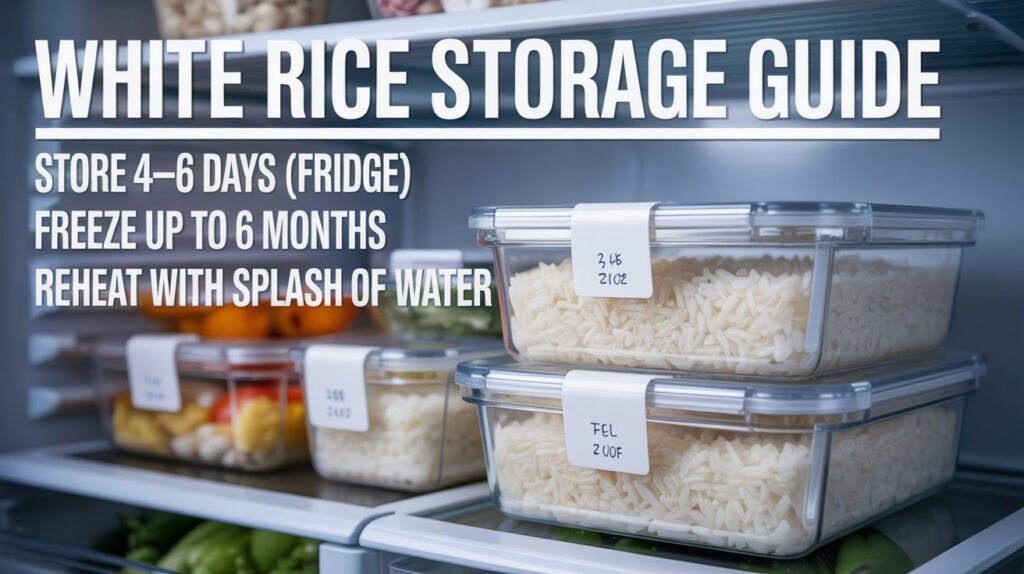
You can absolutely make white rice ahead of time! Store it in an airtight container in the fridge for up to 4-6 days and reheat it in the microwave with a splash of water to keep it moist.
What can I substitute for white rice?
If you’re looking for a substitute, you can use quinoa or brown rice for a healthier option, keeping in mind that cooking times and liquid ratios may vary.
How do I know when it’s done?
Your white rice is done when all the water is absorbed and the grains are tender but not mushy; it should take about 18-20 minutes on the stove. Fluff it with a fork to check for doneness!
Can I freeze this? How long does it last?
Yes, you can freeze cooked white rice for up to 6 months. Just make sure to cool it completely before transferring it to a freezer-safe container or bag.
What if I don’t have a rice cooker?
No worries! You can easily cook white rice on the stovetop using a pot with a lid, following a 2:1 water-to-rice ratio for perfect results.
