
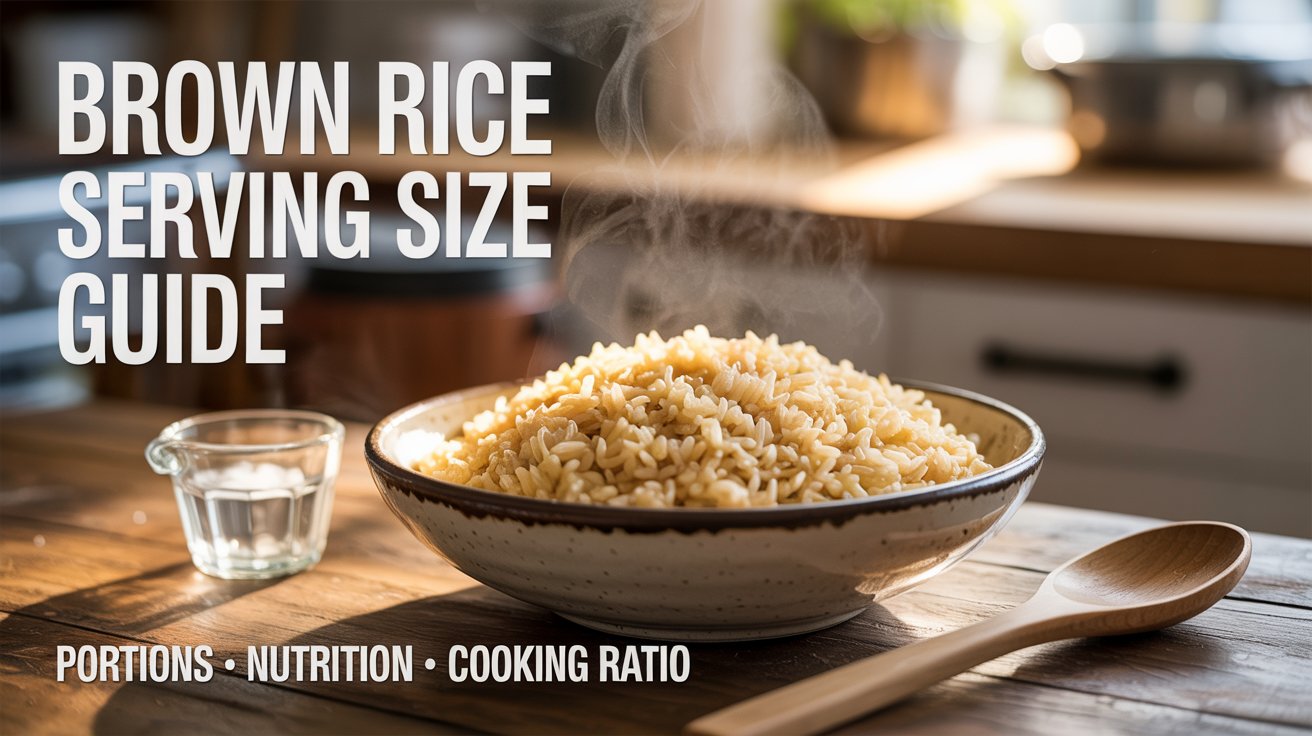
Brown rice is more than just a side dish; it’s a nourishing staple that elevates any meal with its hearty texture and nutty flavor. Perfect for cozy weeknights or gatherings, it pairs beautifully with roasted veggies or proteins, making it an essential addition to your kitchen repertoire.
Brown Rice Origins
Understanding the origins of brown rice enhances our appreciation for this nutritious grain. With its roots spanning various cultures, brown rice has been a staple food that not only nourishes but also holds significant culinary value across the globe.
- Ancient Cultivation: Brown rice has been cultivated for thousands of years, particularly in Asia, where it is regarded as a vital source of sustenance. Historical records show that it was one of the first grains to be domesticated, playing a crucial role in the diets of many ancient civilizations.
- Nutritional Benefits: Unlike white rice, brown rice retains its bran and germ layers, making it richer in fiber, vitamins, and minerals. This nutritional profile supports digestive health and provides a feeling of fullness, which can help with portion control and serving size considerations.
- Culinary Significance: Across different cuisines, brown rice is celebrated for its nutty flavor and chewy texture. It appears in dishes ranging from Asian stir-fries to Southern rice bowls, adapting beautifully to various ingredients and cooking methods, which can influence the serving size based on the dish.
- Global Variations: Each culture has its unique way of preparing and serving brown rice. For example, in Japanese cuisine, it may be served as a side dish, while in Indian cuisine, it can be a base for hearty curries, affecting how much is typically served per person.
Serving Size Defined
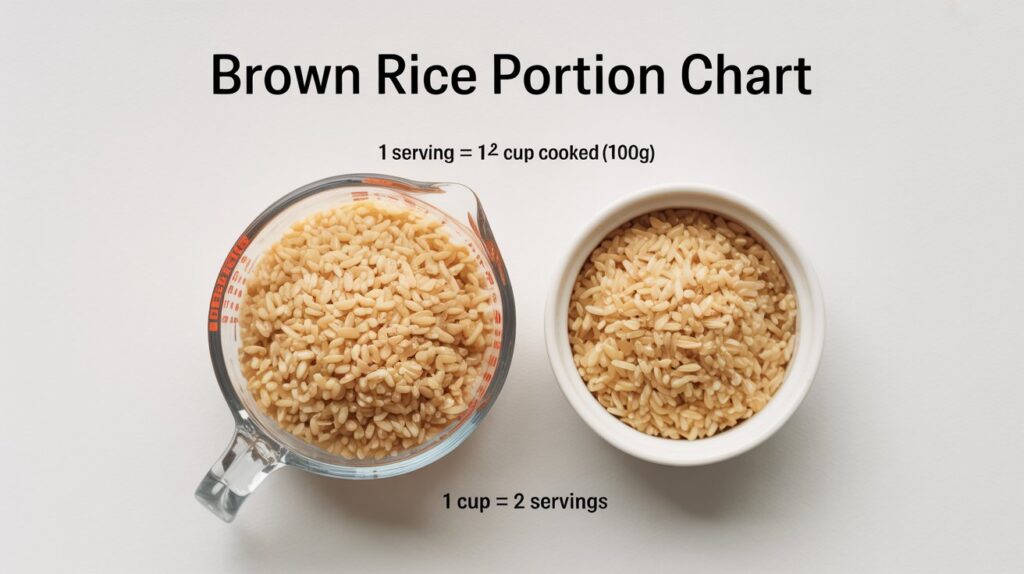
Understanding the recommended serving size of brown rice is essential for meal planning and portion control. It helps you gauge how much to cook and ensures you’re getting the right nutritional benefits without waste. This section will clarify standard serving sizes and provide practical tips for cooking and serving brown rice.
Standard Serving Size
- 1 serving of cooked brown rice: ½ cup (about 100g)
- 1 cup cooked brown rice: 2 servings
Nutritional Information
| Calories | 108 |
| Protein | 2.5g |
| Carbohydrates | 22.4g |
| Fiber | 1.8g |
| Fat | 0.9g |
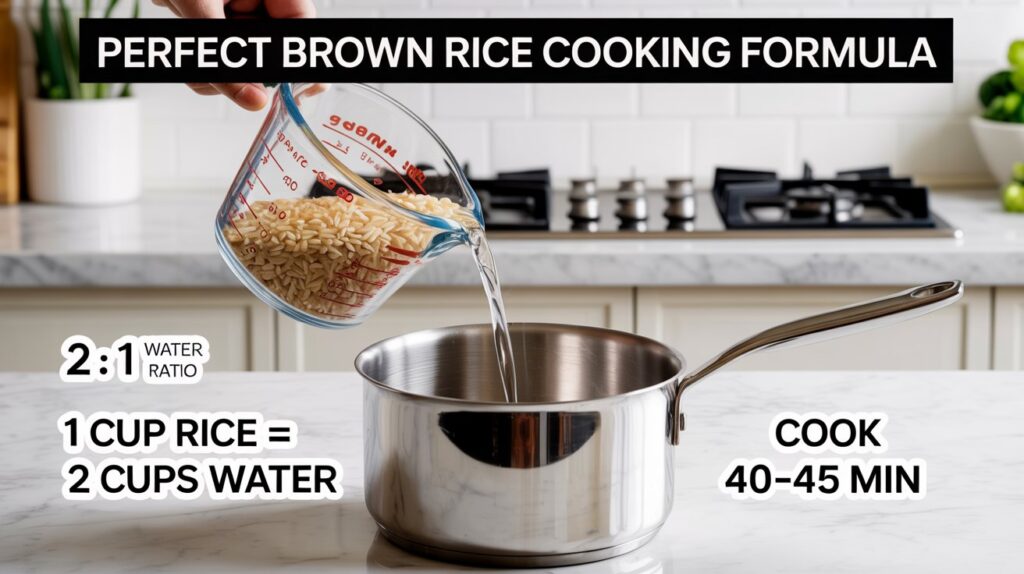
To achieve the best results when cooking brown rice, aim for a water ratio of 2:1 (2 cups of water for every 1 cup of rice). This will ensure that the rice is tender but not mushy. Cook it on medium heat until it reaches a gentle simmer, then reduce heat to low, cover, and cook for about 40-45 minutes. The rice should be fluffy and the grains separated when done.
Chef’s tip: Always rinse brown rice under cold water before cooking to remove excess starch, which can make it gummy.
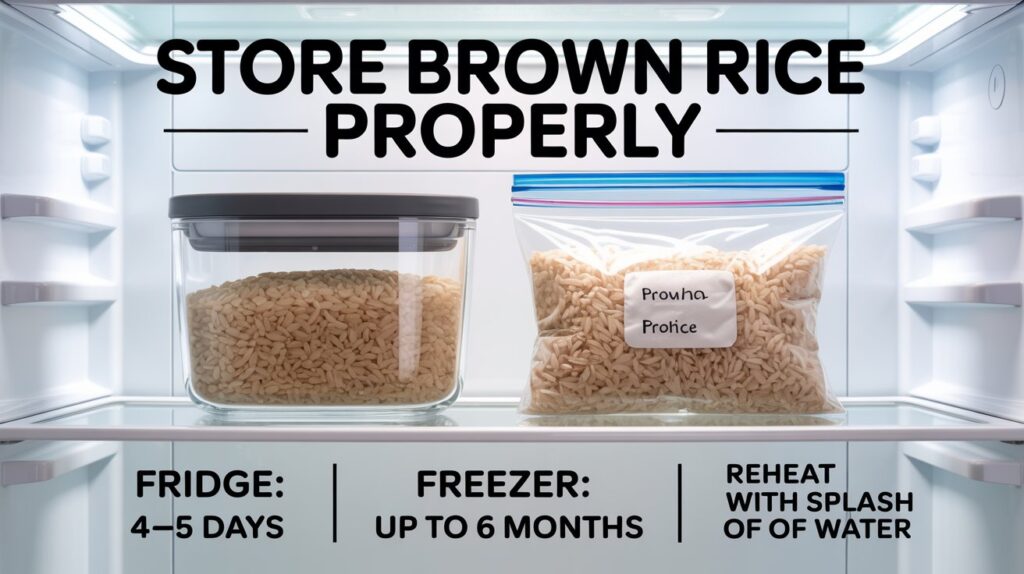
When serving, consider using brown rice as a base for stir-fries or grain bowls, and remember that leftovers can be stored in the refrigerator for up to 4 days or frozen for up to 6 months.
Nutritional Breakdown
Understanding the nutritional details of brown rice is crucial for making informed dietary choices. A standard serving size of cooked brown rice is typically ½ cup (about 100g), which provides a balanced source of energy, fiber, and protein. Below, you’ll find the nutritional breakdown per serving, allowing you to gauge how brown rice fits into your meal plans.
| Nutrient | Per ½ Cup (100g Cooked) |
|---|---|
| Calories | 108 kcal |
| Carbohydrates | 22.4 g |
| Protein | 2.5 g |
| Fiber | 1.8 g |
| Fat | 0.9 g |
Brown rice not only serves as a hearty base for numerous dishes but also contributes significantly to your daily nutritional needs. Here are some practical tips for cooking and serving:
- Cooking Tip: Rinse brown rice under cold water before cooking to remove excess starch, which can make it gummy.
- Serving Suggestion: Pair brown rice with grilled vegetables and lean proteins for a well-rounded meal.
- Storage Tip: Cooked brown rice can be stored in an airtight container in the refrigerator for up to 5 days.
Chef’s tip: To enhance flavor, cook brown rice in vegetable or chicken broth instead of water.
Essential Cooking Tools
When cooking brown rice, having the right tools can make the process smoother and more efficient. This section will cover the essential kitchen equipment needed to measure, cook, and serve brown rice, ensuring you achieve perfect results every time.
- Measuring Cups and Spoons: Accurate measurements are crucial for cooking rice. Use a liquid measuring cup for water and a dry measuring cup for the rice. For one serving, use ½ cup of brown rice and 1 cup of water.
- Medium Saucepan with a Lid: A medium saucepan (about 3-quart capacity) is ideal for cooking brown rice. The lid helps to trap steam, ensuring even cooking. Make sure it fits snugly to prevent steam from escaping during the cooking process.
- Wooden Spoon or Silicone Spatula: Use a wooden spoon or silicone spatula to stir the rice gently. This prevents the grains from breaking and keeps them fluffy. Avoid metal utensils as they can scratch the non-stick surface if you are using one.
- Fine-Mesh Strainer: Rinsing brown rice before cooking removes excess starch and helps prevent stickiness. A fine-mesh strainer allows you to rinse the rice thoroughly without losing any grains.
- Timer: Cooking brown rice requires precision. Use a timer to help keep track of the cooking time, which is typically around 45-50 minutes. This ensures the rice is cooked properly without becoming mushy.
Chef’s tip: Always let the rice sit covered for 10 minutes after cooking to allow it to steam and become fluffy.
Cooking Steps for Brown Rice
Understanding the serving size of brown rice is essential for meal planning and nutritional balance. This section will guide you on the recommended serving sizes, how to prepare portions, and practical tips for making the most of your brown rice dishes.
- For a standard serving, measure out ½ cup (90g) of uncooked brown rice. This will yield approximately 1 ½ cups of cooked rice, enough for one generous serving. If you’re cooking for a family or meal prepping, consider measuring 1 cup (180g) of uncooked rice for about 3 cups of cooked rice.
- Rinse the measured brown rice under cold water in a fine-mesh strainer for about 1-2 minutes to remove excess starch. This helps prevent the rice from becoming gummy during cooking. You’ll notice the water running clear, indicating that the rice is clean and ready to cook.
- In a medium saucepan, combine the rinsed brown rice with 2 cups (480ml) of water or broth for added flavor. Bring the mixture to a boil over medium-high heat. Once boiling, you should see bubbles forming rapidly on the surface.
- Reduce the heat to low and cover the saucepan with a tight-fitting lid, allowing the rice to simmer for 45-50 minutes. You’ll know it’s cooking properly when you hear a gentle bubbling sound, and steam begins to escape from under the lid.
- After the cooking time, remove the saucepan from heat and let it sit covered for an additional 10 minutes. This resting period allows the grains to firm up and absorb any remaining moisture. When you uncover the rice, it should look fluffy and separate easily with a fork.
Chef’s tip: For added flavor, consider using vegetable or chicken broth instead of water for cooking your brown rice.
| Ingredient | Amount |
|---|---|
| Uncooked Brown Rice | ½ cup (90g) |
| Water or Broth | 2 cups (480ml) |
Common Mistakes and Tips
Understanding the serving size of brown rice is crucial for both nutrition and meal planning. Often, home cooks can miscalculate how much rice to prepare, leading to too much or too little food. Here, I’ll share some common mistakes and practical tips to help you serve the perfect portion of brown rice every time.
Recommended Serving Size
A standard serving size of cooked brown rice is typically about ½ cup (90g). This amount provides approximately 108 calories, 2.5g of protein, and 22g of carbohydrates, making it a healthy side dish or base for your meals.
Common Mistakes
- Overestimating Portions: Many people think a cup of uncooked rice will yield a lot more than it does. Remember, brown rice expands to about three times its original volume when cooked. So, 1 cup of uncooked brown rice will make about 3 cups of cooked rice.
- Not Measuring Accurately: Use a kitchen scale for precision. A measured cup of uncooked brown rice should weigh about 185g. Accurate measurements will help you achieve consistent results.
- Ignoring Personal Needs: Adjust serving sizes based on your meal context. If serving with protein and vegetables, ½ cup per person is usually enough. But if it’s the main dish, consider increasing to ¾ cup (135g).
Chef’s tip: Cook extra brown rice and store it in the fridge for up to a week. It reheats beautifully and is perfect for quick meals!
Practical Tips for Serving
To serve brown rice effectively:
- Use a rice cooker or a heavy-bottomed pot for even cooking.
- Fluff the rice with a fork just before serving to separate the grains and enhance texture.
- Consider garnishing with fresh herbs or a squeeze of lemon for added flavor.
| Standard | ½ cup (90g) | 1.5 cups (240g) |
| Generous | ¾ cup (135g) | 2.25 cups (360g) |
Variations and Substitutions
When it comes to serving brown rice, there are plenty of variations and substitutions that cater to different dietary needs and preferences. Understanding these options allows you to adjust serving sizes and enhance the nutritional profile of your meals while still enjoying the delightful texture and nutty flavor of brown rice.
Gluten-Free Alternatives
- Quinoa: A great gluten-free substitute, quinoa has a similar nutty flavor. Use a 1:2 ratio of quinoa to water and cook for 15 minutes.
- Millet: Another gluten-free option, millet can be cooked in a 1:2.5 ratio of millet to water for about 20 minutes.
Vegan Options
Brown rice is naturally vegan, but you can enhance its nutritional value by pairing it with:
- Chickpeas: Add 1 cup of drained chickpeas for extra protein.
- Tofu: Sauté ½ cup of cubed tofu in 1 tablespoon of oil until golden brown for a hearty addition.
Serving Size Recommendations
| Standard | ½ cup cooked brown rice (about 100g) |
| Gluten-Free | ½ cup cooked quinoa or millet |
| Vegan with Protein | ½ cup brown rice with 1 cup chickpeas or ½ cup tofu |
Chef’s tip: Always rinse brown rice before cooking to remove excess starch for fluffier grains.
By adjusting your serving sizes and incorporating these variations, you can create a satisfying and nutritious meal that fits your dietary needs perfectly.
Serving Suggestions
Understanding how to serve brown rice can elevate your meals and ensure you’re getting the right portion sizes for your dietary needs. Here are some practical serving ideas that not only highlight brown rice but also help you create balanced dishes.
- Standard Serving Size: Aim for about ½ cup (90g) of cooked brown rice per person. This portion provides a good balance of carbs and fiber, making it a great base for a variety of dishes.
- As a Side Dish: Serve brown rice alongside grilled or roasted vegetables to add texture and flavor. For a simple seasoning, toss the rice with 1 tablespoon of olive oil and a pinch of salt after cooking.
- In Grain Bowls: Create a nourishing grain bowl by layering ½ cup of brown rice with your choice of protein (like grilled chicken or chickpeas), fresh greens, and a drizzle of your favorite dressing. This makes for a colorful and satisfying meal.
- In Salads: Incorporate brown rice into salads for added fiber and nutrients. Combine ½ cup of cooled brown rice with diced cucumbers, tomatoes, and a squeeze of lemon juice for a refreshing side dish.
- Stir-Fries: Use brown rice as a hearty base for stir-fries. Sauté your choice of veggies and protein in 2 tablespoons of soy sauce over medium-high heat, then mix in 1 cup of cooked brown rice until heated through.
Pro tip: Always fluff your brown rice with a fork before serving to separate the grains, enhancing both the presentation and texture.
Quick Summary
| Prep Time | 10 minutes |
|---|---|
| Cook Time | 45 minutes |
| Total Time | 55 minutes |
| Servings | 4 servings |
- Measure rice: Use 1 cup of brown rice for 4 servings.
- Rinse rice: Wash under cold water until the water runs clear.
- Cooking ratio: Use 2.5 cups of water for every cup of brown rice.
- Braise before boiling: Sauté in a little oil for 2-3 minutes for enhanced flavor.
- Let it rest: Allow rice to sit covered for 10 minutes after cooking for fluffiness.
- Tip: Use a tight-fitting lid to prevent steam from escaping during cooking.
- Tip: For added flavor, substitute water with broth or add seasonings.
Frequently Asked Questions
Can I make this ahead of time? How to store and reheat?
You can definitely make brown rice ahead of time! Store it in an airtight container in the refrigerator for up to 4-6 days, and reheat it in the microwave or on the stovetop with a splash of water to keep it moist.
What can I substitute for brown rice?
If you’re looking for a substitute, try using quinoa or farro as they have similar cooking times and nutritional benefits, but keep in mind the texture will vary slightly.
How do I know when it’s done?
Brown rice is done when the grains are tender and the water is absorbed, which usually takes about 40-45 minutes of simmering; you can also taste a grain to check for doneness.
Can I freeze this? How long does it last?
Yes, you can freeze cooked brown rice for up to 6 months in an airtight container or freezer bag; just make sure to thaw it in the refrigerator before reheating.
What if I don’t have a rice cooker?
No problem! You can easily cook brown rice on the stovetop using a pot with a tight-fitting lid; just combine 1 cup of brown rice with 2.5 cups of water, bring to a boil, then reduce to a simmer for about 40-45 minutes.
