
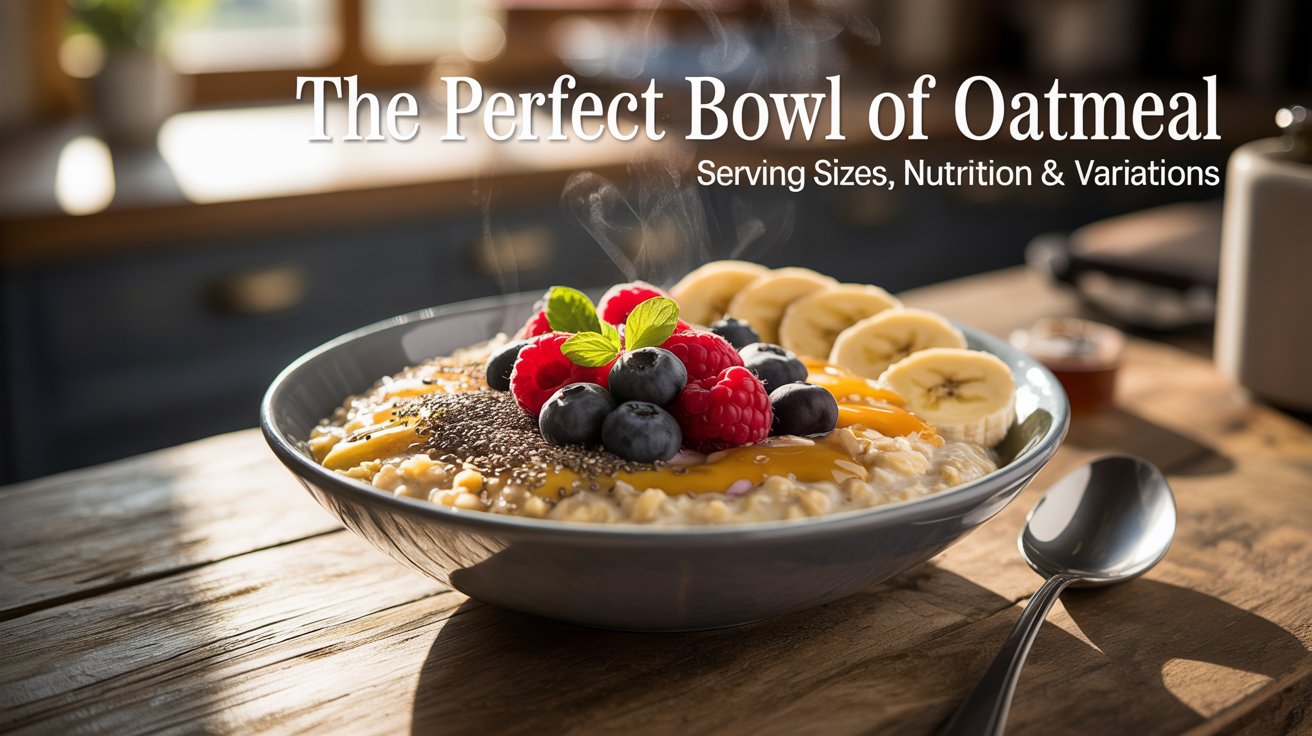
Oatmeal is one of those comforting staples that can warm your soul on a chilly morning or fuel you through a busy day. With its creamy texture and endless topping possibilities, it’s perfect for breakfast, a quick snack, or even dessert. Just imagine a bowl of perfectly cooked oatmeal, topped with fresh fruit, nuts, or a drizzle of honey, making your taste buds sing!
This guide will cover everything you need to know about the standard serving size of oatmeal, including nutritional details, variations for dietary needs, and tips for achieving that perfect bowl. You’ll find easy step-by-step instructions to make oatmeal that fits your lifestyle.
History of Oatmeal
Oatmeal has a rich history that stretches back thousands of years, making it a staple in various cultures around the world. Understanding its origins and significance gives us insight into the appropriate serving sizes that have evolved over time to meet different dietary needs.
- Ancient Origins: Oats have been cultivated since ancient times, with evidence of their use dating back to 2000 BC in Europe. Initially, they were considered a lesser grain, primarily consumed by animals while barley and wheat were favored for human consumption. As people discovered the nutritional benefits of oats, they became a common breakfast choice.
- Cultural Significance: In Scotland, oatmeal is deeply embedded in the culture, often served as porridge. The traditional serving size of oatmeal porridge is about 1 cup (240 ml) cooked, which provides a hearty, nourishing start to the day. This cultural practice underscores how serving sizes can vary based on regional preferences and dietary customs.
- Historical Uses: Historically, oatmeal was not just a breakfast food; it was also used in various recipes, including breads and desserts. The serving size for these recipes would change depending on the dish, showing how flexibility in portions has always been part of oatmeal’s identity.
- Modern Nutritional Guidelines: Today, nutritionists recommend a serving size of about ½ cup (40-50g) of dry oats per person, which cooks up to about 1 cup (240 ml) of oatmeal. This amount is typically sufficient to provide essential nutrients like fiber and protein while allowing for customization with toppings to meet individual dietary needs.
Ingredients for Oatmeal
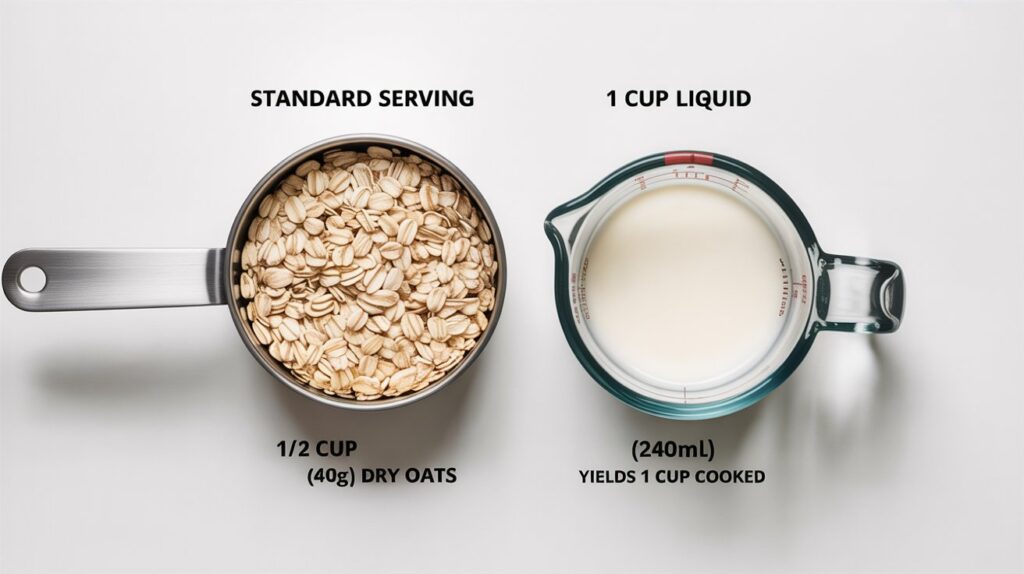
Understanding the right ingredients for your oatmeal is crucial for achieving the perfect texture and flavor. This section will detail the standard measurements needed for a typical serving size, along with variations based on dietary preferences and needs.
| Item | Amount/Specification | Notes |
|---|---|---|
| Rolled oats | ½ cup (40g) | For a standard serving; provides a chewy texture. |
| Liquid (water or milk) | 1 cup (240ml) | Water for a lighter option, milk for creaminess. |
| Salt | Pinch | Enhances flavor; adjust to taste. |
| Sweetener (optional) | 1 tablespoon honey or maple syrup | Adjust based on preference; can substitute with stevia for a low-calorie option. |
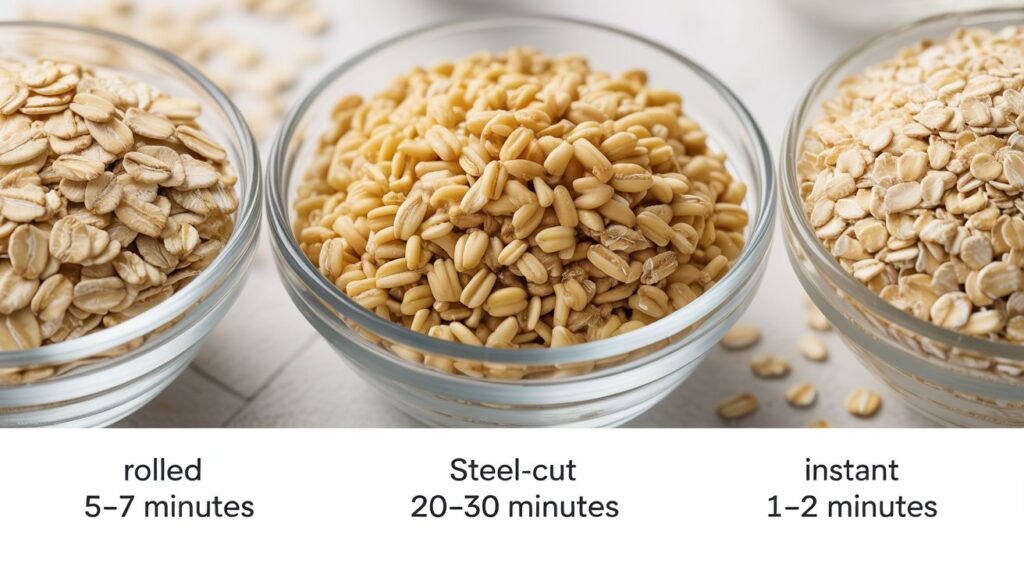
- Oat Types: Choose between rolled oats, steel-cut oats, or instant oats based on texture preferences. Rolled oats are quick to cook, while steel-cut oats take longer but offer a nuttier flavor.
- Liquid Options: Experiment with almond milk, soy milk, or coconut milk for different flavors and dietary needs. Each option may slightly alter the cooking time.
- Cooking Tip: If your oatmeal is too thick, stir in a bit more liquid until you reach your desired consistency.
- Common Mistake: Adding too much liquid can lead to soupy oatmeal; always start with the recommended measurements.
Required Kitchen Tools
Before we start cooking oatmeal, having the right tools on hand makes the process smoother and more enjoyable. This section outlines the essential utensils and preparation steps to ensure you can easily measure and serve the perfect portion of oatmeal, catering to various dietary needs.
- Measuring Cups and Spoons: Use a set of dry measuring cups to measure your oats accurately. Typically, a serving size is ½ cup of dry oats per person, which yields about 1 cup of cooked oatmeal. For toppings or additional ingredients, measuring spoons will help you portion out items like honey, nuts, or fruits.
- Medium Saucepan: A 2-quart medium saucepan is ideal for cooking oatmeal. It allows enough space for the oats to expand while cooking without risk of overflow. Ensure the saucepan has a lid to help retain heat and moisture during cooking.
- Stirring Spoon: A wooden or silicone spoon is perfect for stirring the oatmeal as it cooks. This helps prevent sticking to the bottom of the pan and ensures even cooking. Stirring also allows you to check the consistency as it thickens.
- Serving Bowls: Have a few medium-sized bowls ready for serving. Each bowl should hold at least 1 cup to accommodate the cooked oatmeal and any toppings you might want to add.
- Food Scale (optional): If you’re tracking nutrition closely, a kitchen scale can help you measure oats more precisely. This is especially useful for those on specific dietary plans where exact serving sizes are important.
- Storage Containers: If you’re making extra oatmeal, have airtight containers available for storing leftovers in the refrigerator. Cooked oatmeal can be stored for up to 4-5 days and reheated easily.
Cooking Oatmeal Step-by-Step
Understanding the appropriate serving size of oatmeal is essential for both nutrition and portion control. This section will guide you through boiling water and the cooking time to ensure the perfect oatmeal consistency, tailored to your dietary needs.
- Boil the Water: Start by measuring 1 cup (240ml) of water for every 1/2 cup (45g) of rolled oats you plan to cook. Bring the water to a rolling boil in a medium saucepan over medium-high heat. You’ll know it’s ready when you see bubbles rapidly breaking the surface and hear a steady boiling sound.
- Add the Oats: Once the water is boiling, carefully stir in the oats. Quickly reduce the heat to medium-low to prevent overflow. The mixture should start to bubble gently, and you’ll notice the oats absorbing water almost immediately.
- Cooking Time: Allow the oats to cook for about 5 minutes for rolled oats, stirring occasionally. You’ll see the liquid gradually thicken, and the oats should look plump and creamy. For steel-cut oats, extend the cooking time to 20-30 minutes, keeping an eye on the texture, which should be chewy but tender.
- Check Consistency: After the cooking time, taste a small spoonful. The oats should be soft and have absorbed most of the water, but if they seem too runny, continue cooking for another minute or two until thickened to your liking.
- Serving Size: For a standard serving, measure out 1/2 cup (45g) of cooked oatmeal per person, which usually provides about 150 calories. Adjust portions according to dietary needs—some may prefer 1 cup (90g) for a heartier meal. Remember, you can always add toppings to enhance flavor and nutrition!
Chef’s tip: If you find your oatmeal too thick, add a splash of milk or water to loosen it up while reheating.
Expert Tips for Perfect Oatmeal
Understanding the right serving size for oatmeal is crucial for both nutrition and satisfaction. This section shares practical tips to help you measure your portions accurately while considering various dietary needs.
Serving Size Basics
- Standard Serving Size: A typical serving of oatmeal is ½ cup of dry oats (about 40g). This usually yields about 1 cup of cooked oatmeal, providing a hearty breakfast without overwhelming your plate.
- Caloric Considerations: A ½ cup serving of dry oats contains approximately 150 calories. If you’re monitoring your intake, this is a good starting point for planning meals.
Adjusting for Dietary Needs
- Active Lifestyle: If you have a more active lifestyle, consider increasing your serving to ¾ cup (about 60g) of dry oats, giving you around 225 calories. This extra fuel can support your energy needs throughout the day.
- Weight Management: For those aiming for weight loss, sticking to the standard ½ cup or even reducing to ⅓ cup (about 30g, approximately 110 calories) can help keep portions in check while still providing a filling breakfast.
Texture Control
- Water Ratio: Use 2 cups of water for every 1 cup of dry oats for a creamier texture. If you prefer a chunkier consistency, reduce the water to 1¾ cups.
- Cooking Time: Cook your oats for about 5-7 minutes on medium heat, stirring occasionally. They should be thickened, creamy, and not too watery when done.
Chef’s tip: For a heartier breakfast, try adding a few tablespoons of nuts or seeds to your oatmeal after cooking; they can help boost the nutritional profile without significantly altering the serving size.
Oatmeal Variations and Substitutions
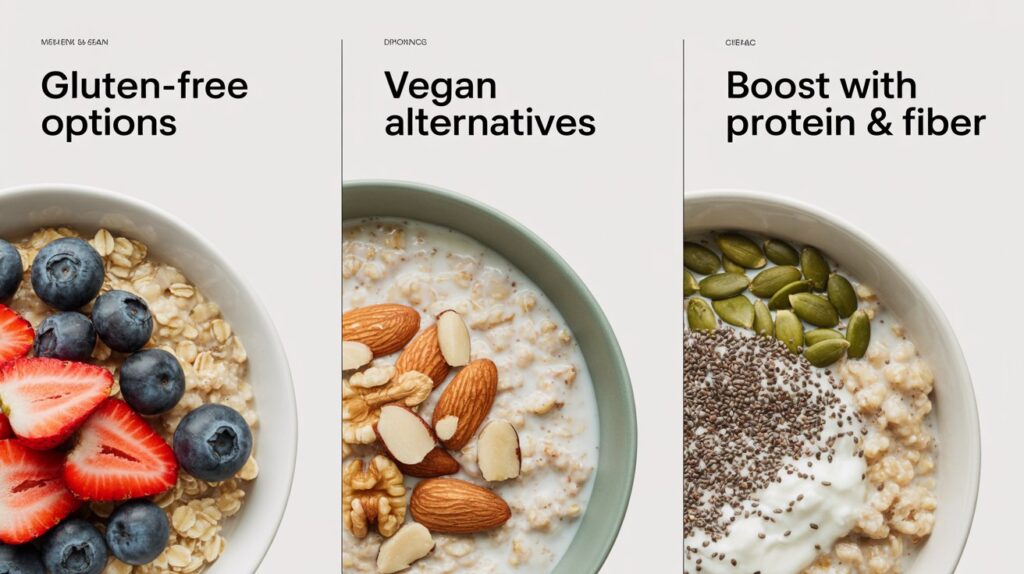
Understanding the serving size of oatmeal is key to tailoring this nutritious dish to fit individual dietary needs. Whether you require gluten-free options or vegan alternatives, knowing how to adjust the serving size can help you maintain a balanced diet without sacrificing flavor or texture.
Gluten-Free Options
If you’re sensitive to gluten, it’s essential to choose certified gluten-free oats. Regular oats may be processed in facilities that also handle gluten-containing grains, which can lead to cross-contamination. When preparing gluten-free oatmeal, the standard serving size remains about 1 cup of cooked oatmeal, which provides about 150 calories and 5 grams of protein.
- 1/2 cup gluten-free rolled oats (40g)
- 1 cup water or milk (240ml)
- Cook on medium heat (about 200°F or 93°C) for 5-7 minutes
Pro tip: Stir frequently to prevent sticking and ensure even cooking.
Vegan Alternatives
For those following a vegan diet, oatmeal is a versatile base for many delicious toppings. A typical serving size is still around 1 cup of cooked oatmeal, and you can easily substitute dairy milk with plant-based options. Use almond milk, soy milk, or oat milk for a creamy texture without any animal products.
- 1/2 cup rolled oats (40g)
- 1 cup almond milk (240ml)
- Cook on medium heat (around 200°F or 93°C) for 5-7 minutes
| 1 cup cooked | 150 | 5 | Yes | Yes |
By adjusting the type of oats and the liquid used, you can cater to your dietary preferences while enjoying a hearty bowl of oatmeal.
Serving Oatmeal Creatively
Serving oatmeal goes beyond just a bowl of warm grains; it’s about transforming it into a delightful meal that caters to your taste preferences and nutritional needs. By selecting the right toppings and pairings, you can enhance the flavors and textures of your oatmeal while also making it visually appealing.
Toppings Ideas
Here are some creative toppings to consider, which can also help you adjust serving sizes according to your dietary needs:
- Fruits: Add ½ cup of sliced bananas or berries for natural sweetness and fiber.
- Nuts and Seeds: Sprinkle 2 tablespoons of chopped walnuts or flaxseeds for healthy fats and crunch.
- Sweeteners: Drizzle 1 tablespoon of honey or maple syrup for an extra touch of sweetness.
- Dairy or Alternatives: Stir in ¼ cup of Greek yogurt or almond milk to make it creamy and boost protein.
- Spices: A pinch of cinnamon or a dash of vanilla extract can elevate the flavor profile.
Pairing Suggestions
For a complete meal, consider pairing your oatmeal with the following:
- Eggs: Serve a soft-boiled or poached egg on the side for added protein.
- Smoothies: A green smoothie can complement the oatmeal and provide additional nutrients.
- Toast: A slice of whole-grain toast with avocado can add healthy fats and fiber to your breakfast.
Chef’s tip: Play around with textures by combining crunchy toppings with creamy oatmeal for a satisfying bite!
Quick Summary
| Prep Time | Cook Time | Total Time | Servings |
|---|---|---|---|
| 5 minutes | 10 minutes | 15 minutes | 2 servings |
- Measure oatmeal: Use 1 cup of rolled oats for 2 servings.
- Water ratio: Combine oats with 2 cups of water or milk.
- Bring to boil: Heat on medium until boiling, then reduce heat.
- Simmer: Cook for 5-7 minutes, stirring occasionally.
- Rest: Let sit for 2 minutes before serving for creaminess.
- Tip: Use a pinch of salt to enhance flavor.
- Tip: Customize toppings like fruits or nuts for added nutrition.
Frequently Asked Questions
Can I make this ahead of time? How to store and reheat?
You can definitely make oatmeal ahead of time; simply cook it, let it cool, and store it in an airtight container in the fridge for up to 5 days. To reheat, add a splash of water or milk and microwave for about 1-2 minutes until heated through.
What can I substitute for water when cooking oatmeal?
You can substitute water with milk (dairy or plant-based) for creamier oatmeal, or use broth if you’re making savory oatmeal. This will enhance the flavor and texture of your dish.
How do I know when it’s done?
Your oatmeal is done when it has absorbed most of the liquid and has a creamy consistency, typically after about 5-10 minutes on the stove. Stir occasionally, and if it looks thick and creamy, it’s ready!
Can I freeze this? How long does it last?
Yes, you can freeze cooked oatmeal for up to 3 months in an airtight container. Just remember to thaw it overnight in the fridge before reheating, adding a bit of water or milk if necessary.
What if I don’t have a saucepan to cook the oatmeal?
If you don’t have a saucepan, you can use a microwave-safe bowl to cook your oatmeal; just combine oats and liquid and microwave on high for about 2-3 minutes, stirring halfway through. Adjust the time based on your microwave’s wattage.
