
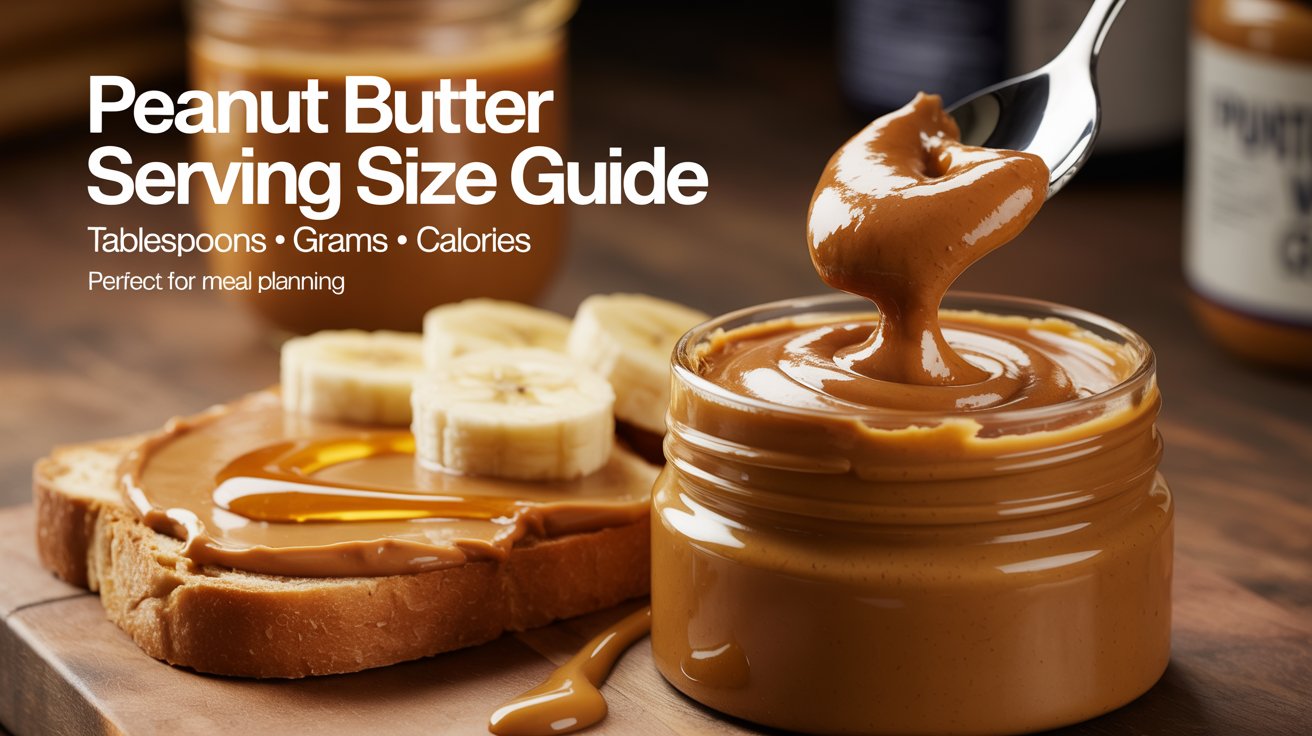
If you’re a peanut butter lover like I am, you know how versatile this creamy delight can be. From slathering it on toast for breakfast to using it in savory dishes or desserts, peanut butter adds a rich flavor and satisfying texture that’s hard to beat. Imagine the aroma of freshly baked cookies filled with warm peanut butter, or a smoothie that’s just the right blend of nutty and sweet — absolutely irresistible!
Here’s what you can expect: a comprehensive serving size chart detailing measurements in tablespoons, grams, and ounces, along with nutritional information such as calories, fats, protein, and carbohydrates. Perfect for meal planning!
Peanut Butter Origins
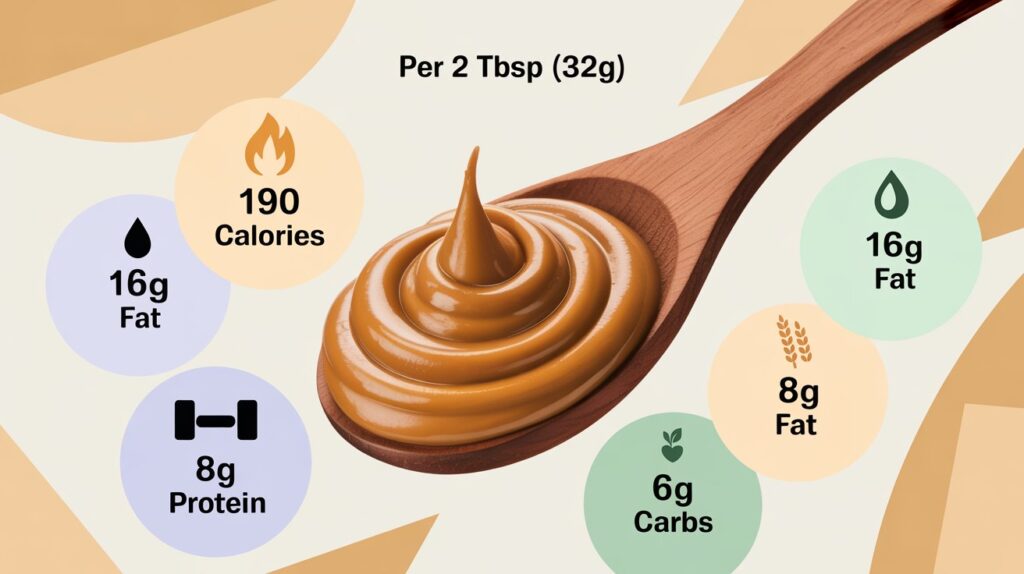
Understanding the origins of peanut butter provides a rich context for its significance in various cultures and its rise in popularity over time. This beloved spread has a fascinating history that highlights its culinary versatility and nutritional value.
- Cultural Background: Peanut butter traces its roots back to ancient civilizations in South America, where peanuts were cultivated. By the late 19th century, it gained popularity in the United States, thanks to innovations in food processing that made it easier to produce. Peanut butter became a staple in American households, often associated with comfort foods like sandwiches.
- Popularity Over Time: The rise of peanut butter in American culture surged during World War II, as it was an affordable source of protein. Post-war, it transitioned into a family favorite, leading to the creation of classic recipes, from peanut butter cookies to the iconic peanut butter and jelly sandwich. Today, peanut butter continues to evolve with various brands offering natural, organic, and flavored options to cater to diverse dietary preferences.
Serving Size Chart
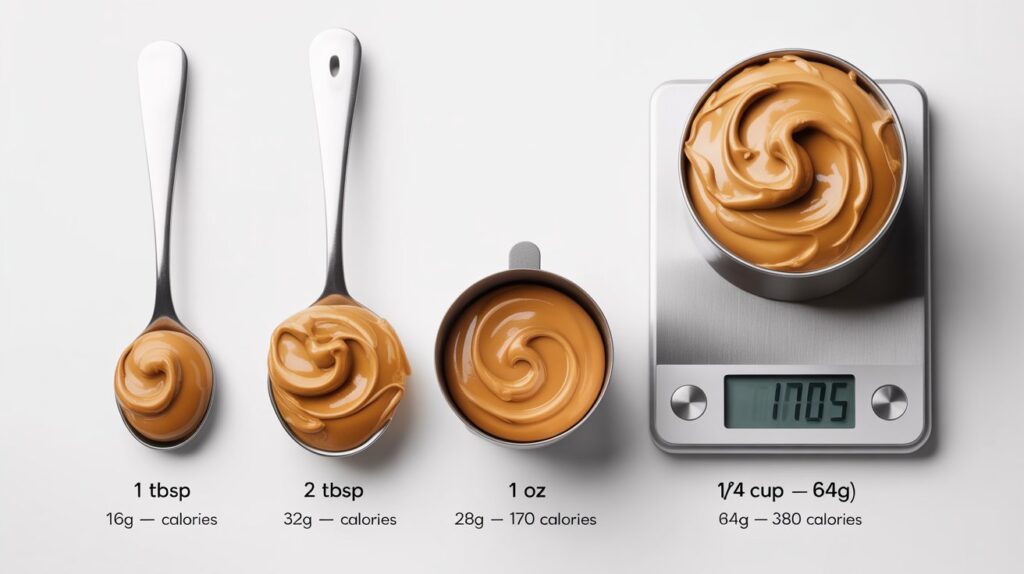
This section provides a detailed serving size chart for peanut butter, outlining standard measurements in tablespoons, grams, and ounces, along with their corresponding nutritional information. Understanding these serving sizes is essential for managing portion control and incorporating peanut butter into a balanced diet.
Peanut Butter Serving Size Chart
| Serving | Grams | Ounces | Calories | Fat | Protein | Carbs |
|---|---|---|---|---|---|---|
| 1 tablespoon | 16 g | 0.56 oz | 94 kcal | 8 g | 4 g | 3 g |
| 2 tablespoons (standard serving) | 32 g | 1.12 oz | 188–190 kcal | 16 g | 8 g | 6 g |
| 1 ounce | 28 g | 1 oz | 170–180 kcal | 15–16 g | 7 g | 6 g |
| ¼ cup | 64 g | 2.25 oz | ~380 kcal | 32 g | 14 g | 12 g |
When measuring peanut butter, it’s best to use a kitchen scale for accuracy, ensuring you’re sticking to your intended serving size. Do not pack peanut butter into the measuring spoon as this can lead to excess calories and fats. Instead, spoon it lightly into the measuring spoon for a more accurate measurement.
Chef’s tip: If you’re looking to reduce calories, try using natural peanut butter that contains only peanuts and salt, which has fewer additives.
Incorporating these serving sizes into your meal plans can help you enjoy peanut butter while maintaining a healthy balance of nutrients. Consider spreading 1 tablespoon on whole-grain toast for breakfast or adding 2 tablespoons to a smoothie for a protein boost.
Essential Kitchen Tools
To accurately measure and use peanut butter in your recipes, having the right tools is crucial. This ensures you get consistent results and the nutritional benefits you expect from your servings. Below are essential kitchen tools that will help you measure peanut butter effectively.
| Measuring Spoons | 1 tablespoon, 1 teaspoon | Use for precise liquid measurements; ideal for small serving sizes. |
| Food Scale | Grams and Ounces | A digital scale helps in measuring peanut butter accurately, especially for larger servings. |
- Tip: Always level off the measuring spoon with a knife when measuring peanut butter to avoid excess.
- Tip: If using a food scale, remember that 1 tablespoon of peanut butter typically weighs about 16 grams.
- Tip: Consider using a silicone spatula to help scoop peanut butter cleanly from jars without wasting any.
How to Measure Peanut Butter
Measuring peanut butter accurately is essential for maintaining portion control and ensuring that your recipes turn out just right. Its sticky consistency can make it tricky to scoop and pour, but with the right methods, you can achieve precise measurements every time.
Sticky Consistency
Peanut butter tends to cling to measuring tools, which can lead to inaccurate measurements if not handled properly. Here are some tips to measure it effectively:
- Use a dry measuring cup: For solid peanut butter, use a 1-cup or ½-cup dry measuring cup. Press the peanut butter down firmly to eliminate air pockets, then level it off with a straight edge.
- Coat with oil: Lightly coat the measuring cup or spoon with a neutral oil (like canola or vegetable oil) before scooping. This makes it easier to release the peanut butter.
Using Liquid Measuring Cups
Another method involves using a liquid measuring cup, especially if you need to measure larger quantities:
- Pouring method: If you’re measuring a large amount, simply pour the peanut butter into a liquid measuring cup. Fill it to the desired mark, then use a spatula to scrape out the remaining peanut butter.
Chef’s tip: Always make sure to stir your peanut butter before measuring, especially if it’s natural and has separated. This ensures you get an even measurement.
| 1 tablespoon | 16g | 94 |
| 2 tablespoons | 32g | 188 |
| 1 ounce | 28g | 180 |
Common Mistakes
When it comes to measuring and using peanut butter, there are a few common errors that can lead to miscalculations in serving sizes and nutritional intake. Understanding these mistakes can help you enjoy peanut butter more effectively while keeping your meals balanced.
Overestimating Servings
One frequent error is overestimating the serving size of peanut butter. Many people believe that a generous scoop is equivalent to a standard serving, but this can lead to consuming more calories and fat than intended. Here’s a quick reference for standard serving sizes:
| 1 tablespoon (15g) | 95 | 8 | 4 | 3 |
| 2 tablespoons (30g) | 190 | 16 | 8 | 6 |
| 1 ounce (28g) | 170 | 15 | 7 | 6 |
Not Stirring Well
Another common mistake is not stirring peanut butter thoroughly, especially with natural varieties that separate. Failing to mix the oil back in can result in uneven consistency and inaccurate serving sizes. Here are some tips:
- Use a sturdy knife or spatula to mix the peanut butter until uniform.
- Store peanut butter upside down for a few hours to help redistribute the oils.
- For a smoother texture, try warming the peanut butter slightly in the microwave for 10-15 seconds.
Chef’s tip: Always measure peanut butter using a dry measuring cup to avoid sticky messes and ensure an accurate serving size.
Recipe Ideas with Peanut Butter
Incorporating peanut butter into your recipes can elevate flavors and add nutrition. Below, you’ll find practical smoothie and baking recipes that highlight standard serving sizes, making it easier to measure and enjoy your peanut butter without the guesswork.
Peanut Butter Banana Smoothie
- 1 medium ripe banana
- 2 tablespoons peanut butter (32g)
- 1 cup unsweetened almond milk (240ml)
- 1 tablespoon honey (optional)
- ½ teaspoon vanilla extract
- Ice cubes (optional)
- In a blender, combine the banana, peanut butter, almond milk, honey, and vanilla extract. Blend on high until smooth, about 30-45 seconds.
- If you prefer a colder drink, throw in a few ice cubes and blend again until you reach your desired consistency.
- Pour into a glass and enjoy immediately. The smoothie should be creamy with a rich peanut butter aroma.
Chef’s tip: For a protein boost, add a scoop of your favorite protein powder.
Peanut Butter Cookies
- 1 cup peanut butter (240g)
- 1 cup granulated sugar (200g)
- 1 large egg
- ½ teaspoon baking soda
- ¼ teaspoon salt
- Preheat your oven to 350°F (175°C) and line a baking sheet with parchment paper.
- In a bowl, mix together the peanut butter, sugar, egg, baking soda, and salt until smooth and well combined.
- Using a tablespoon, scoop the dough onto the prepared baking sheet, spacing them about 2 inches apart. Flatten each ball slightly with a fork, creating a crisscross pattern.
- Bake for 10-12 minutes, or until the edges are golden brown. The cookies should be soft but firm to the touch.
Pro tip: Let the cookies cool on the baking sheet for a few minutes before transferring them to a wire rack to cool completely.
| Serving Size | Calories | Fats | Protein | Carbohydrates |
|---|---|---|---|---|
| 2 tablespoons peanut butter (32g) | 190 | 16g | 8g | 6g |
Dietary Modifications
This section discusses how to adapt peanut butter serving sizes for different dietary needs, including vegan options and nut-free alternatives. Understanding these modifications can help you enjoy the benefits of peanut butter while accommodating various dietary restrictions.
Vegan Options
- For a vegan-friendly peanut butter, choose brands that contain only peanuts and salt. Avoid those with added sugars or dairy products.
- Consider using almond butter or sunflower seed butter as alternatives, which can provide similar textures and flavors.
Nut-Free Alternatives
If you’re looking for nut-free options, sunflower seed butter is a great substitute that still delivers creaminess and flavor similar to peanut butter. Here’s a quick comparison:
Dietary Modifications
| Alternative | Serving | Calories | Notes |
|---|---|---|---|
| Almond Butter | 2 tbsp | ~190 kcal | Similar nutrition |
| Sunflower Seed Butter | 2 tbsp | ~200 kcal | Nut-free option |
| Powdered Peanut Butter | 2 tbsp (reconstituted) | ~60 kcal | Lower fat |
Chef’s tip: When substituting sunflower seed butter in recipes, consider adding a bit of lemon juice to balance the flavor.
Always check labels for any potential allergens, and remember that while these alternatives can provide similar textures, their flavors may vary slightly from traditional peanut butter. Enjoy experimenting with these options in your recipes!
Quick Summary
| Prep Time | Cook Time | Total Time | Servings |
|---|---|---|---|
| 5 minutes | N/A | 5 minutes | Varies |
- Understand serving sizes: Standard serving is 2 tablespoons (32g).
- Know caloric content: Each serving has approximately 190-210 calories.
- Measure accurately: Use a kitchen scale for precision.
- Adjust for recipes: Scale serving sizes based on personal needs.
- Store properly: Keep peanut butter airtight to maintain freshness.
- Tip for health: Opt for natural peanut butter with no added sugars.
- Enhance flavor: Mix in a pinch of salt if using unsalted varieties.
Frequently Asked Questions
Can I make this ahead of time? How to store and reheat?
You can prepare peanut butter servings in advance by measuring them out and storing them in airtight containers. Keep them in a cool, dry place for up to two weeks without refrigeration.
What can I substitute for peanut butter?
If you’re looking for a substitute, try almond butter or sunflower seed butter, which have similar textures and flavors. Make sure to use the same serving size as peanut butter for the best results.
How do I know when it’s done?
1-2 minutes of mixing. If you’re using it in baked goods, check for doneness according to the specific recipe’s instructions.
Can I freeze this? How long does it last?
Yes, you can freeze peanut butter by placing it in a freezer-safe container for up to six months. Just let it thaw at room temperature before using it again.
Why did my peanut butter turn out too runny?
If your peanut butter is too runny, it might be due to using too much oil or not blending it long enough. Aim for a thicker consistency by blending less oil or processing for an extra 30 seconds.
