
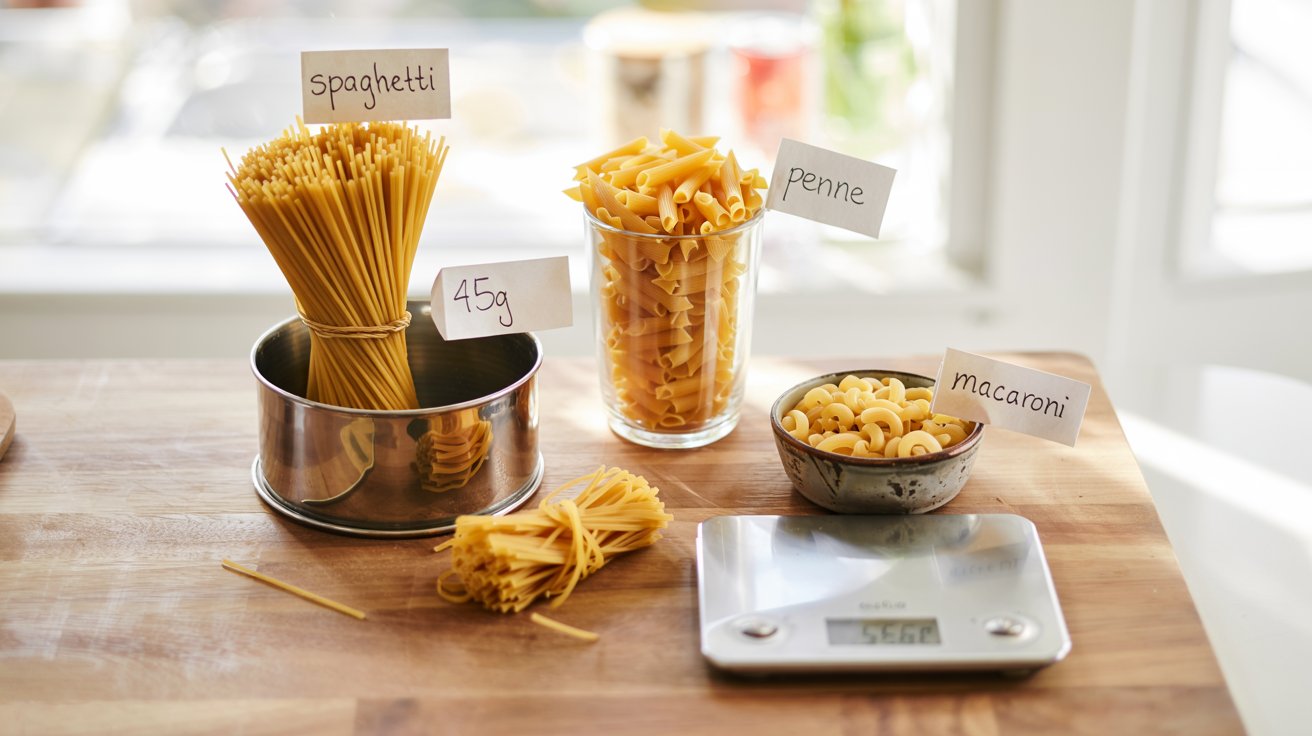
Are you ever confused about which pasta size to choose for your recipes? Understanding pasta sizes can change the way you cook and enjoy your meals.
Whether you’re making a hearty dinner or a light lunch, knowing the right pasta size helps you get perfect portions and the best texture every time. In this pasta size chart, you’ll discover simple tips to pick the ideal pasta shape and size for your dishes.
Keep reading to make your next pasta meal truly unforgettable.
Common Pasta Shapes
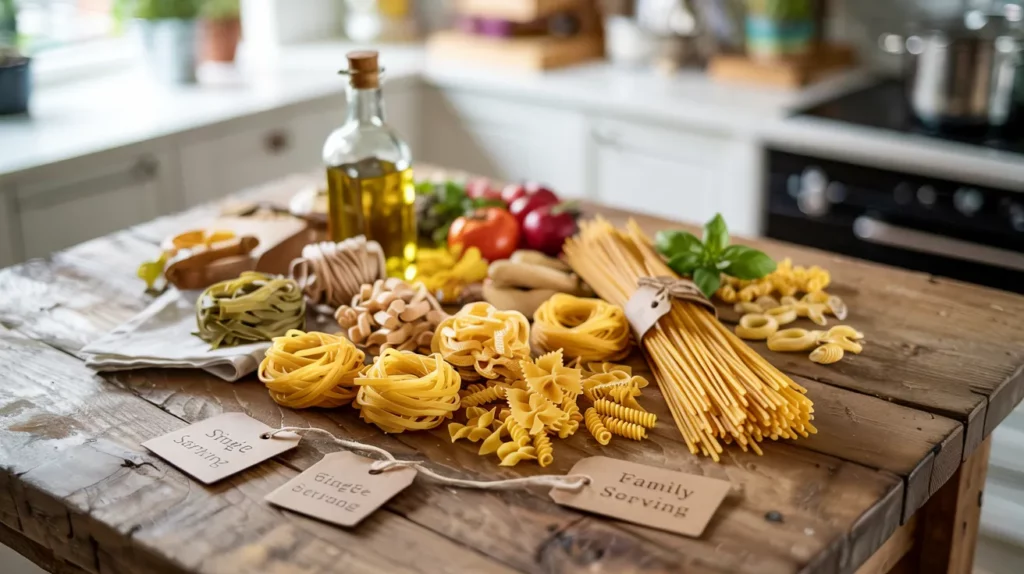
Pasta comes in many shapes and sizes. Each shape has its own use in cooking. Some shapes hold sauce well. Others cook quickly or add texture. Knowing common pasta shapes helps in choosing the right one for a dish.
? Pasta Size Chart
| Pasta Size | Examples | Dry Portion (per person) | Cooked Amount | Best For |
|---|---|---|---|---|
| Thin | Angel hair, Capellini | 2 oz / 56 g | 1 cup | Light sauces, soups |
| Medium | Spaghetti, Linguine | 2 oz / 56 g | 1–1.5 cups | Tomato & oil sauces |
| Thick | Fettuccine, Pappardelle | 3 oz / 85 g | 1.5–2 cups | Creamy & rich sauces |
| Short | Penne, Rotini, Farfalle | 2 oz / 56 g | 1–1.5 cups | Salads, baked dishes |
| Stuffed | Ravioli, Tortellini | 4–6 pieces | 1 cup | Main dishes |
Long Pasta Varieties
Long pasta is thin and string-like. Spaghetti is the most famous type. It pairs well with tomato and olive oil sauces. Linguine is flatter and wider than spaghetti. It works well with seafood sauces. Fettuccine is thick and ribbon-like. Creamy sauces cling to its surface. Angel hair is very thin and cooks fast. It suits light, simple sauces.
Short Pasta Types
Short pasta is easy to eat with a fork. Penne has a tube shape with diagonal cuts. It traps chunky sauces inside. Rotini is spiral-shaped, perfect for thick sauces. Farfalle looks like little bow ties. It adds fun to pasta salads. Macaroni is small and curved. It is popular in baked dishes and soups.
Stuffed Pasta Options
Stuffed pasta has fillings inside. Ravioli are square or round pockets filled with cheese or meat. Tortellini are ring-shaped and often filled with cheese or meat. They cook quickly and taste rich. Cannelloni are large tubes filled with meat or spinach. They are baked with sauce and cheese. Stuffed pasta adds variety and flavor to meals.
Measuring Dry Pasta
Measuring dry pasta is important for cooking the right amount. It helps avoid waste and ensures everyone gets enough. Different types of pasta need different measuring methods. Let’s explore how to measure dry pasta easily.
Portion Sizes By Weight
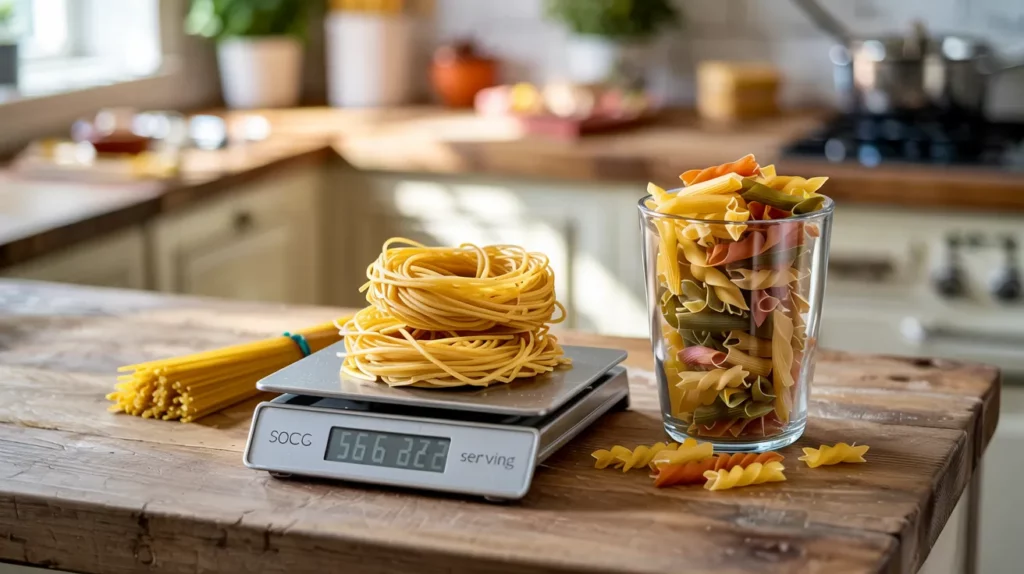
Weighing pasta is the most accurate way to measure portions. Use a kitchen scale for best results. Generally, 56 grams or 2 ounces per person works well. This weight usually equals a small handful of dry pasta. Adjust based on appetite or recipe needs.
Using Pasta Diameter For Portions
For long pasta like spaghetti, diameter helps estimate portions. A circle of dry spaghetti about the size of a quarter fits one serving. Use your fingers to measure the bundle. This method works well without a scale. It is simple and quick.
Visual Portion Guides
Visual guides make measuring pasta easy without tools. A fist-sized amount equals one serving of dry pasta. For shaped pasta, use a half-cup measuring cup. These visual cues help cook the right amount fast. They are practical for everyday cooking.
Serving Sizes For Cooked Pasta
Understanding the right serving size for cooked pasta helps in meal planning. It avoids waste and ensures everyone gets enough food. Serving sizes can vary based on appetite and the dish itself. Knowing basic guidelines makes cooking easier and more enjoyable.
Average Serving Per Person
On average, one person eats about 1 cup of cooked pasta. This equals roughly 2 ounces of dry pasta before cooking. This amount suits most adults for a main meal. It provides enough energy without overeating.
Adjusting Portions For Appetite
Some people eat more or less pasta than average. For bigger appetites, increase cooked pasta to 1.5 cups per person. For smaller appetites or children, reduce to about 3/4 cup. Adjust portions based on who will eat the meal.
Considering Sauce And Add-ons
The type of sauce affects how much pasta to serve. Heavy sauces with meat or cheese need less pasta. Light sauces or vegetable-based sauces may need more pasta. Also, add-ons like salad or bread change portion needs.
Tools For Portioning Pasta
Portioning pasta correctly helps prevent waste and keeps meals balanced. Using the right tools makes it easy to measure pasta servings. These tools save time and reduce guesswork in the kitchen.
Measuring Cups And Scales
Measuring cups and kitchen scales offer precise pasta portions. Scales show exact weight, perfect for dry pasta. Cups measure volume, good for short pasta shapes like penne or shells. Both tools help control meal sizes and calories.
Pasta Portion Rings
Pasta portion rings are simple plastic or metal circles. They match the size of one serving of spaghetti or linguine. You place dry pasta inside the ring to measure. These rings are quick and easy to use for everyday cooking.
Using Household Items
Common kitchen items can measure pasta if tools are missing. For example, a quarter cup often equals one serving of dry pasta. A standard drinking glass can help measure portions too. These simple tricks work well in a pinch.
Portion Tips For Special Diets
Portion control matters most for special diets. Different diets need different pasta amounts. Knowing the right portion helps keep meals balanced and healthy. This guide offers clear tips for low-carb, gluten-free, kids, and seniors’ pasta servings.
Low-carb Pasta Portions
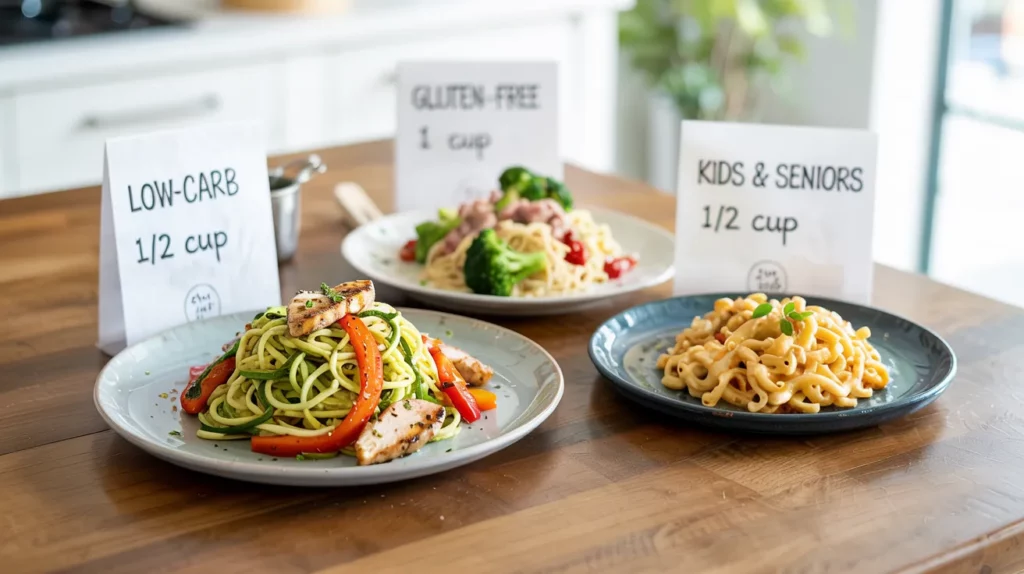
Low-carb diets focus on cutting down carbs. Regular pasta has many carbs. Choose pasta made from vegetables or legumes. Serve smaller portions, about 1/2 cup cooked pasta. Add more vegetables or protein to fill the plate. This keeps the meal low in carbs but still satisfying.
Gluten-free Pasta Serving Sizes
Gluten-free pasta is great for gluten intolerance. Portions are usually the same as regular pasta. A typical serving is 1 cup cooked pasta. Check the package for exact serving sizes. Pair pasta with fresh veggies and lean protein. This helps make a balanced and tasty meal.
Portions For Kids And Seniors
Kids and seniors have smaller appetites. Serve smaller portions of pasta, about 1/2 cup cooked. Choose soft pasta shapes for easy eating. Add nutrient-rich sauces with vegetables and protein. This helps meet their energy needs without waste.
Cooking Times And Portion Impact
Understanding cooking times and portion sizes is key to perfect pasta every time. Pasta size affects how fast it cooks and how much you should serve. This knowledge helps avoid mushy pasta and waste. It also saves time in the kitchen.
How Size Affects Cooking Time
Smaller pasta pieces cook faster than bigger ones. Thin spaghetti takes less time than thick penne. Large shells need more time to cook through. Always check the pasta package for suggested times. Adjust cooking times based on the pasta size you use.
Avoiding Overcooking
Overcooked pasta becomes soft and sticky. To avoid this, taste the pasta a minute before the timer ends. Pasta should be firm but not hard. Drain it quickly once it reaches this texture. Rinse only when making cold pasta salads to stop cooking.
Batch Cooking Portions
Cooking pasta in batches helps control portion size. Measure dry pasta using cups or a kitchen scale. One serving is usually 2 ounces or 56 grams dry. Cook only what you need to prevent leftovers. Store extra pasta separately to keep it fresh.
Storing And Reheating Portions
Storing and reheating pasta portions properly keeps your meals fresh and tasty. Knowing the right steps helps avoid waste and saves time. Good storage stops pasta from drying out or becoming mushy. Proper reheating keeps the texture just right for your next meal.
Proper Storage Techniques
Cool pasta quickly before storing. Warm pasta traps steam, causing sogginess. Use airtight containers to keep moisture out. Store pasta in the fridge for up to three days. For longer storage, freeze pasta in small portions.
Reheating Without Overcooking
Reheat pasta gently to keep texture firm. Use a microwave-safe bowl with a lid or cover. Add a splash of water or sauce to prevent drying. Heat in short bursts and stir between. Avoid overheating to stop mushy pasta.
Portion Control For Leftovers
Divide pasta into single-serving portions before storing. Use small containers or freezer bags for easy access. Label portions with dates to track freshness. This reduces waste and speeds up reheating. Perfect for quick lunches or dinners.
Frequently Asked Questions
What Are The Common Pasta Sizes And Shapes?
Common pasta sizes range from small shapes like orzo to long strands like spaghetti. Sizes affect cooking times and sauce pairing. Knowing pasta sizes helps in choosing the right type for recipes and portion control.
How Does Pasta Size Affect Cooking Time?
Smaller pasta cooks faster due to less density and size. Larger or thicker pasta takes longer to cook evenly. Adjusting cooking time ensures pasta is al dente and maintains texture.
Why Is Pasta Size Important For Recipes?
Pasta size influences sauce absorption and texture balance. Smaller pasta pairs well with light sauces; larger pasta holds thicker sauces. Choosing the right size enhances flavor and overall dish quality.
How To Measure Pasta Size Accurately?
Use a ruler or pasta size chart to measure length and width. Standard measurements help in selecting the right pasta type. Accurate sizing ensures proper cooking and recipe success.
Conclusion
Understanding pasta sizes helps you cook the right amount every time. It saves food and avoids waste. You can pick the perfect shape for your sauce or dish. This chart makes choosing pasta easy and quick. Enjoy your meal with confidence and less guesswork.
Cooking pasta becomes simple and fun. Try different sizes to find your favorite. Cooking better pasta is just a small step away. Keep this guide handy for your next pasta night.
