
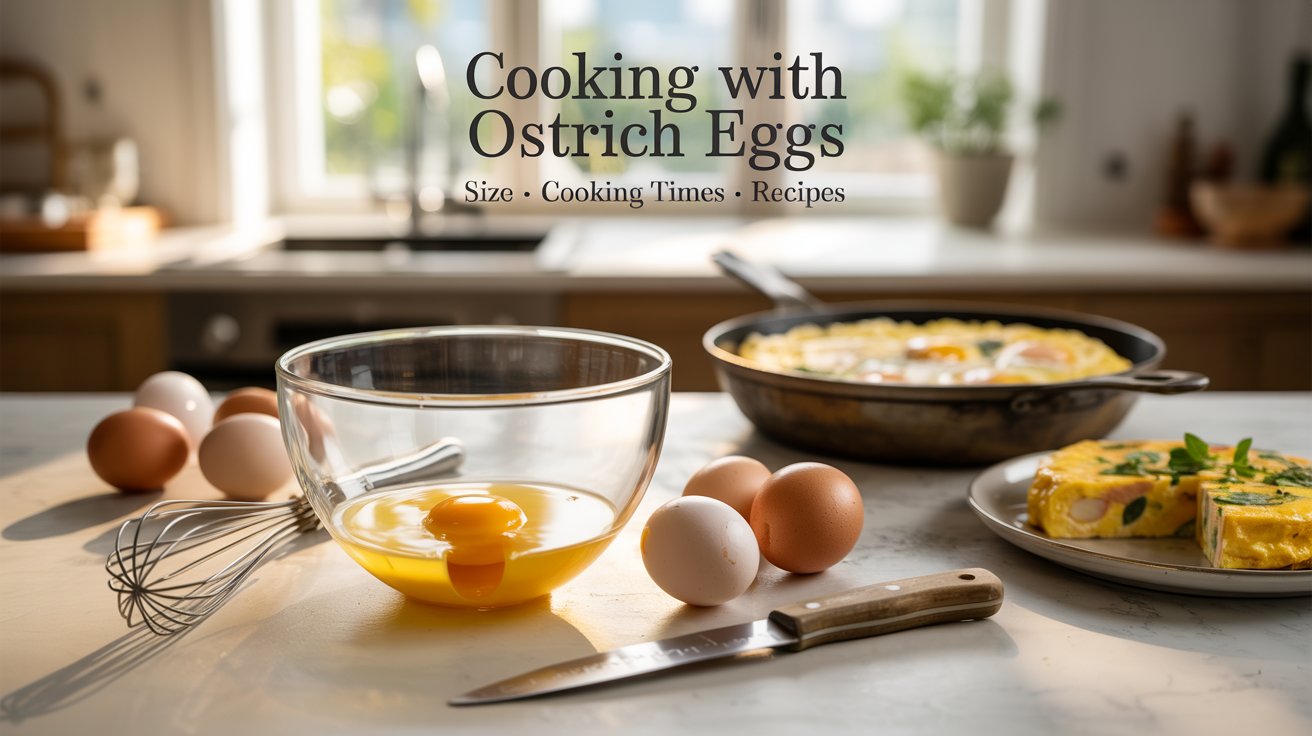
If you’ve ever wondered how to cook with an ostrich egg, you’re in for a real treat! These gigantic eggs are not just a quirky ingredient; they can create a deliciously rich omelet or a stunning frittata that’s sure to impress at your next brunch. Imagine the oohs and aahs when you serve a dish made from an egg that weighs about 3 pounds!
Here’s what you need to know: With a total time of 1 hour, a difficulty level of medium, and enough to serve 6-8 people, cooking with ostrich eggs is an adventure worth taking.
Ostrich Egg Origins
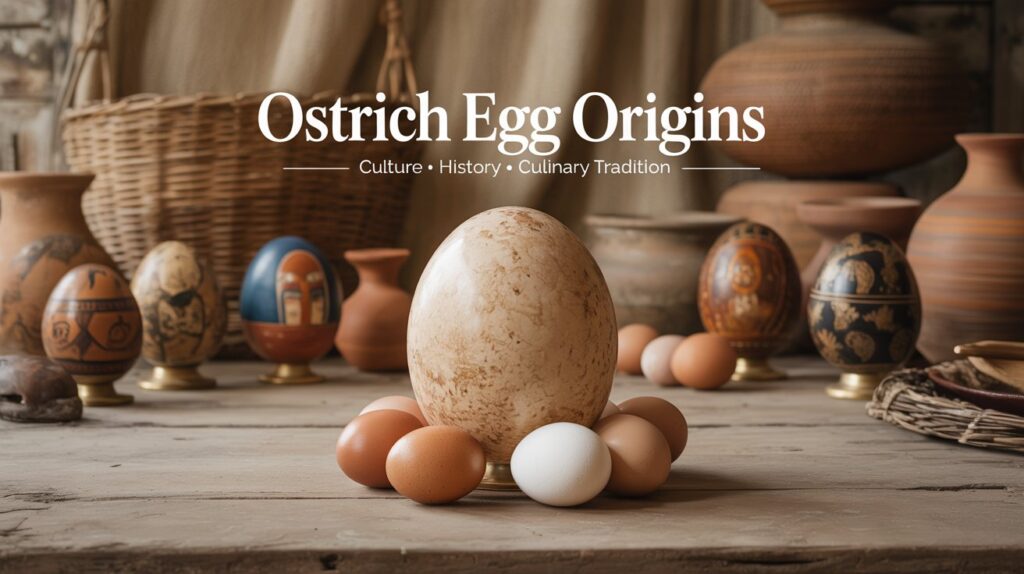
The history of ostrich eggs in culinary practices reveals their significant cultural importance and unique historical uses. Understanding these origins helps appreciate their size and versatility in cooking, particularly when compared to more common eggs like chicken and duck.
Cultural Importance
- Symbol of Luxury: Throughout history, ostrich eggs have been considered a symbol of wealth and prestige, often used in ceremonial dishes and special occasions. Their large size makes them a centerpiece in many traditional celebrations.
- Artistic Craftsmanship: Many cultures have utilized ostrich eggs for artistic purposes, creating decorative items and crafts. Carved or painted ostrich eggs showcase the artistic skills of various cultures, adding to their significance beyond just culinary uses.
Historical Uses
- Ancient Diets: In ancient societies, ostrich eggs were a valuable food source. They were often boiled or baked, providing a rich and nutritious meal that could sustain families during hard times.
- Preservation Techniques: Due to their thick shells, ostrich eggs could be preserved for extended periods, making them a reliable food source during dry seasons or long journeys across deserts.
Size Comparison Chart
This section provides a detailed comparison of ostrich eggs to chicken and duck eggs, including their weight and dimensions. Understanding these size differences is crucial for adapting recipes that involve egg quantities, ensuring your dishes turn out just right.
| Egg Type | Average Weight | Length | Chicken Egg Equivalent |
|---|---|---|---|
| Ostrich Egg | 1.4–2.3 kg (3–5 lb) | 15–18 cm | ~24 chicken eggs |
| Duck Egg | 60–90 g | 5–6 cm | ~1.25 chicken eggs |
| Chicken Egg | 50–70 g | 4.5–5.5 cm | 1 egg |
As you can see, the ostrich egg is significantly larger and heavier than both chicken and duck eggs. This size difference not only affects cooking times but also the number of eggs needed in recipes. For instance, one ostrich egg is equivalent to about 24 chicken eggs, so adjusting your measurements is essential for accurate results.
Cooking with Ostrich Eggs
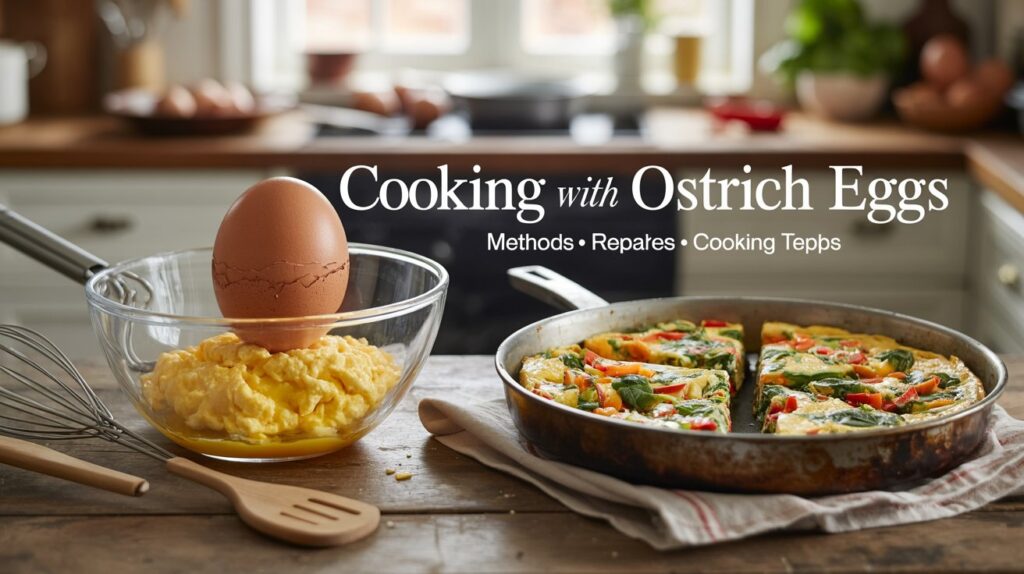
Understanding how to cook with ostrich eggs is crucial for making the most of their unique size and flavor. This section will guide you through recommended cooking times and recipes that highlight the rich, custardy texture of ostrich eggs, allowing you to adapt your culinary skills for this giant ingredient.
| Cooking Method | Time |
|---|---|
| Hard Boiled | 60–90 minutes |
| Scrambled | 15–20 minutes |
| Frittata / Bake | 30–40 minutes |
| Custard | 45–60 minutes |
Cooking Times
- Boiling: To hard boil an ostrich egg, place it in a large pot of cold water. Bring the water to a gentle boil over medium heat and then reduce to a simmer. Cook for about 60-90 minutes, depending on your desired doneness. The egg is done when the shell feels firm and the contents are set.
- Scrambling: Crack the ostrich egg into a large bowl (it typically contains about 24 chicken eggs worth). Beat the egg and pour it into a large skillet over medium heat. Cook for around 15-20 minutes, stirring occasionally until the eggs are fluffy and fully cooked, with a light golden color.
- Baking: For an ostrich egg frittata, preheat your oven to 350°F (175°C). Whisk the egg with your choice of vegetables and cheese and pour it into a greased baking dish. Bake for 30-40 minutes until the top is set and slightly golden.
Recommended Recipes
- Ostrich Egg Frittata: Combine 1 ostrich egg, 1 cup diced bell peppers, 1 cup spinach, and 1 cup shredded cheese. Bake as instructed above.
- Ostrich Egg Pancakes: Mix 1 ostrich egg with 2 cups flour, 2 cups milk, and 1 tablespoon baking powder. Cook on a griddle over medium heat for about 3-4 minutes on each side, until golden brown.
- Ostrich Egg Custard: Whisk together 1 ostrich egg, 1 cup sugar, 2 cups milk, and 1 tablespoon vanilla extract. Pour into a baking dish and bake in a water bath at 325°F (163°C) for 45-60 minutes until set.
Chef’s tip: When cooking with ostrich eggs, always keep in mind their size and adjust cooking times accordingly to ensure even cooking throughout.
Adjusting Recipes
When cooking with ostrich eggs, understanding how to adjust traditional recipes is essential for achieving the best results. The significant size difference compared to chicken and duck eggs means modifying ingredient ratios and cooking techniques to ensure your dish turns out perfectly.
Ingredient Ratios
- Egg Substitution: One ostrich egg is roughly equivalent to 24 chicken eggs or 12 duck eggs. If a recipe calls for 2 chicken eggs, use approximately ⅛ of an ostrich egg (about 3.5 oz or 100g). Measure precisely to avoid altering the dish’s texture and flavor.
- Flour and Liquid Adjustments: For baked goods, increase the flour and liquid proportionally to maintain the right consistency. For example, if your recipe requires 2 cups (240g) of flour for 2 chicken eggs, use about 6 cups (720g) of flour when working with an ostrich egg.
Cooking Techniques
- Cooking Time: Ostrich eggs take much longer to cook due to their size. Boil for 60-90 minutes depending on the desired doneness. You’ll know they’re ready when they feel firm to the touch and the whites are opaque.
- Temperature Considerations: If baking, set your oven to 325°F (160°C) to allow for even cooking throughout the larger mass. Monitor your dish closely, as it may require additional time compared to standard recipes.
Chef’s tip: Always check the doneness of your dish with a thermometer; ostrich eggs should reach an internal temperature of 160°F (71°C) for safety.
Nutritional Information
This section compares the nutritional values of ostrich eggs to chicken and duck eggs, highlighting their caloric content and nutrient breakdown. Understanding these differences can help you make informed decisions when adapting recipes or planning meals.
Caloric Content
Ostrich eggs are significantly higher in calories, with about 2,000 calories per egg, compared to 70 calories in a large chicken egg and 130 calories in a duck egg. This is essential to keep in mind when planning meals, as a single ostrich egg can serve a large group.
Nutrient Breakdown
In terms of protein, an ostrich egg provides around 180 grams, making it a protein-rich option compared to 6 grams in a chicken egg and 9 grams in a duck egg. The fat content is also notably higher in ostrich eggs, with 140 grams compared to 5 grams and 9 grams in chicken and duck eggs, respectively. This information is vital for those monitoring their dietary fat intake.
Pro Chef Tips
Cooking with ostrich eggs can be an exciting venture, but it’s essential to avoid common pitfalls to ensure success. Understanding their size and how it compares to more familiar eggs can make a world of difference in your recipes.
Common Mistakes
- Using Incorrect Measurements: An ostrich egg weighs about 3 pounds (1.36 kg) and is roughly equivalent to 24 chicken eggs. Always measure accurately when converting recipes.
- Overcooking: Ostrich eggs take longer to cook than chicken eggs. Aim for 90 minutes at 325°F (160°C) for a hard-boiled egg. Keep an eye on the time to avoid rubbery results.
- Not Prepping the Egg: Before cooking, ensure to wash the shell thoroughly. Ostrich egg shells can harbor bacteria, so sanitation is key.
Expert Tricks
Chef’s tip: When cracking an ostrich egg, use a sturdy knife or a chisel to create a clean break. This will help you avoid any shell fragments in your dish.
Here’s a quick reference for egg sizes:
| Egg Type | Calories | Protein | Fat |
|---|---|---|---|
| Ostrich Egg | ~2000 | 180 g | 140 g |
| Chicken Egg | ~70 | 6 g | 5 g |
| Duck Egg | ~130 | 9 g | 9 g |
By understanding these tips and tricks, you’ll ensure a successful and delicious experience when cooking with ostrich eggs. Happy cooking!
Serving Suggestions
When it comes to serving dishes made with ostrich eggs, presentation and flavor pairings play a crucial role in enhancing the dining experience. Given their unique size and richness, these dishes deserve a thoughtful approach to plating and complementary flavors.
Plating Ideas
- Start by slicing the cooked ostrich egg dish into visually appealing portions. For example, if you’ve made a frittata, cut it into wedges and arrange them on a large platter.
- Use garnishes like fresh herbs or microgreens to add a pop of color. A sprinkle of chives or parsley can elevate the presentation and add a fresh aroma.
- Consider serving with a side of roasted vegetables or a mixed salad for a balanced meal. This not only adds color but also provides a nice contrast in texture.
Flavor Pairings
- Ostrich eggs have a rich, buttery flavor, which pairs beautifully with sharp cheeses like feta or aged cheddar. Incorporate these into your dishes or serve them on the side.
- Bright, acidic ingredients such as lemon juice or vinegar-based dressings can cut through the richness, making them ideal for salads or dipping sauces.
- For a heartier meal, pair your ostrich egg dish with savory meats like smoked salmon or prosciutto. The saltiness of these meats contrasts nicely with the creamy texture of the egg.
Quick Summary
| Prep Time | Cook Time | Total Time | Servings |
|---|---|---|---|
| 10 minutes | 1 hour | 1 hour 10 minutes | 12 servings |
- Measure accurately: An ostrich egg weighs about 3 pounds and is equivalent to 24 chicken eggs.
- Cooking method: Use a large pot or oven for even cooking; an ostrich egg takes about 1 hour to hard-boil.
- Temperature check: Ensure water is at a rolling boil for the best results.
- Cool down: After cooking, immerse the egg in cold water for easy peeling.
- Storage: Keep any leftovers in the fridge for up to 5 days.
Frequently Asked Questions
Can I make dishes using an ostrich egg ahead of time? How to store and reheat?
You can prepare dishes with ostrich eggs ahead of time and store them in the refrigerator for up to 3 days. Reheat gently in the oven at 300°F (150°C) until warmed through, avoiding high temperatures that may overcook the egg.
What can I substitute for an ostrich egg in recipes?
If you can’t find an ostrich egg, you can use about 24 chicken eggs as a substitute for one ostrich egg in most recipes. Adjust cooking times accordingly, as chicken eggs will cook faster.
How do I know when an ostrich egg dish is done?
An ostrich egg dish is done when the internal temperature reaches 160°F (71°C) for safe consumption. The egg white should be firm and the yolk should be set, resembling the consistency of a well-cooked chicken egg.
Can I freeze ostrich egg dishes? How long do they last?
You can freeze cooked dishes made with ostrich eggs for up to 6 months, but it’s best to freeze them without any added sauces. Thaw in the refrigerator overnight before reheating to maintain texture.
What if I don’t have a large pot to boil an ostrich egg?
If you don’t have a large pot, you can use a deep roasting pan or a large Dutch oven filled with water, ensuring it can accommodate the egg while allowing it to be fully submerged. Just make sure to bring the water to a gentle boil and adjust the cooking time as necessary.
