
If you love cooking with orecchiette noodles, you know that size matters. Getting the right egg size can change the texture and taste of your pasta.
But how do you choose the perfect egg size for your orecchiette dough? This easy-to-follow egg size chart will help you nail it every time. Keep reading to discover how the right egg size can make your homemade orecchiette noodles turn out just right—delicious, tender, and perfect for your favorite sauces.
Don’t let guesswork spoil your pasta; learn the simple trick that chefs swear by!
Orecchiette Basics
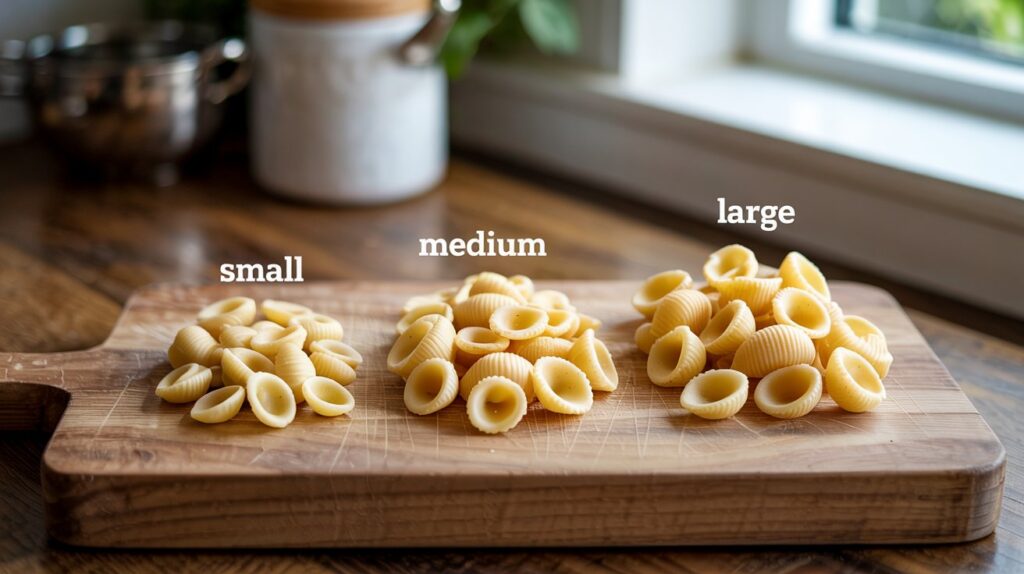
Orecchiette is a small, ear-shaped pasta. It has a unique look and feel that sets it apart. This pasta is popular in Italian kitchens and loved worldwide. Understanding its basics helps in cooking and serving it well.
Below are key details about orecchiette’s origin, ingredients, and shape.
Origin And Meaning
Orecchiette comes from the Puglia region in southern Italy. The name means “little ears” in Italian. This name describes its curved shape that looks like small ears. It has been made in Italy for hundreds of years.
Traditional Ingredients
Orecchiette uses simple, fresh ingredients. The main ones are durum wheat semolina and water. No eggs are needed for traditional recipes. This makes it firm and chewy after cooking. Some modern versions add eggs for softness.
Unique Shape And Texture
The shape of orecchiette is round and concave. This helps it hold sauces well. Its surface is rough, which grabs sauce better than smooth pasta. The texture is slightly firm, giving a nice bite.
Egg Size And Pasta Dough
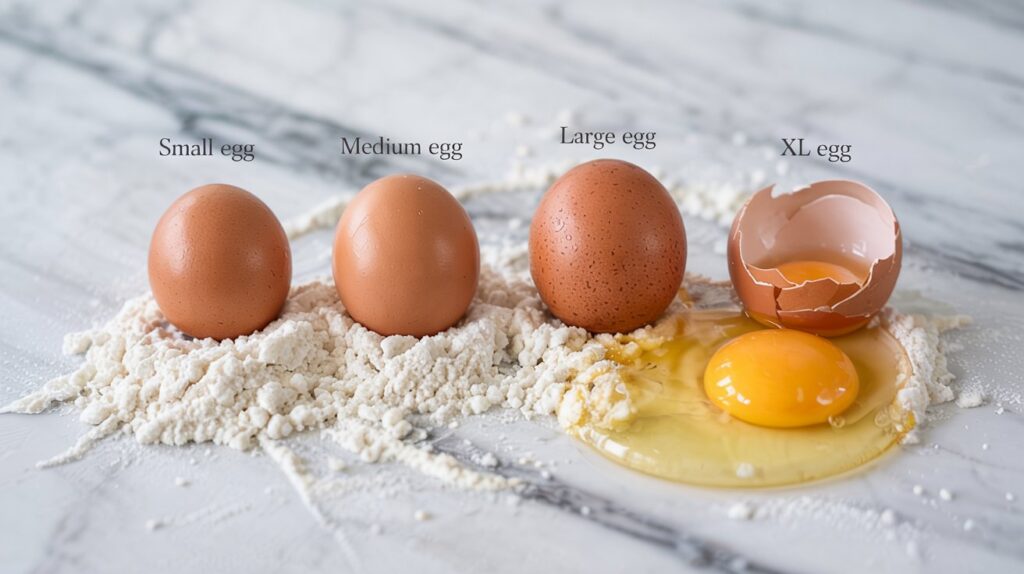
Egg size plays a key role in making perfect orecchiette pasta dough. The amount of egg affects the dough’s texture and workability. Small differences in egg size change the flour-to-egg ratio. Understanding this helps in getting the right dough consistency. This section explains common egg sizes, their impact, and how to adjust flour amounts accordingly.
? Orecchiette Noodles – Egg Size Chart
| Egg Size | Avg Egg Weight | Semolina Flour | Best Dough Result | Texture After Cooking |
|---|---|---|---|---|
| Small | ~40 g | 110–120 g | Drier dough | Firm, chewy |
| Medium | ~44 g | 120–130 g | Balanced dough | Classic bite |
| Large | ~50 g | 130–140 g | Ideal (recommended) | Tender, smooth |
| Extra-Large | ~56 g | 145–155 g | Softer dough | Very tender |
| Jumbo | ~63 g | 160–170 g | Very soft dough | Delicate, less chewy |
Chef tip: Orecchiette is traditionally eggless, but adding eggs softens texture and improves sauce grip.
Common Egg Sizes Used
Eggs come in various sizes: small, medium, large, and extra-large. Most pasta recipes use large eggs as a standard. Large eggs weigh about 50 grams each. Small eggs weigh less, around 40 grams. Extra-large eggs can weigh up to 60 grams. Knowing the egg size helps measure ingredients better.
Impact Of Egg Size On Dough Consistency
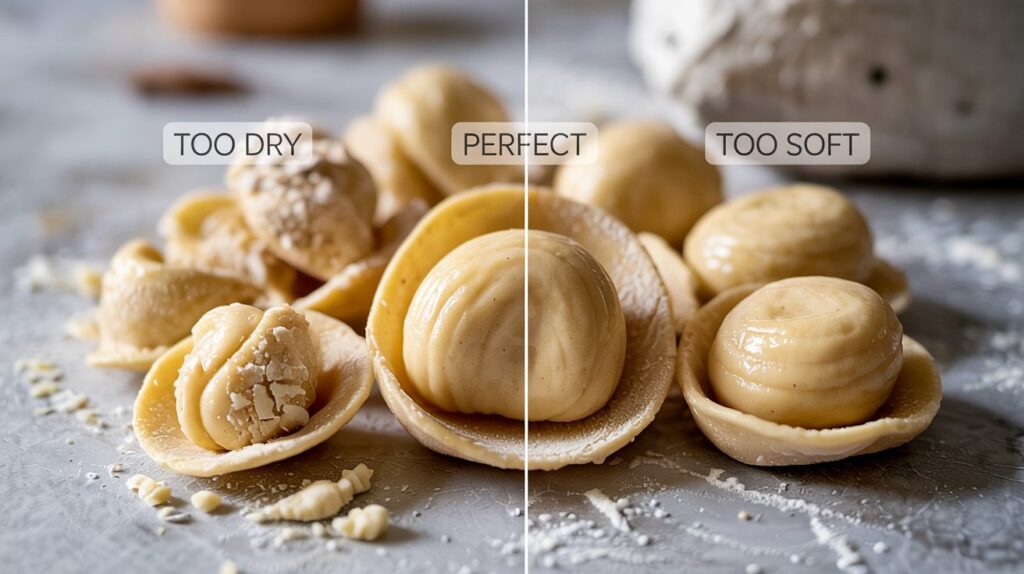
Egg size changes the dough’s moisture and texture. Larger eggs add more liquid. This can make dough softer and stickier. Smaller eggs reduce moisture, causing dry dough. Dry dough may crack and break when rolled. Soft dough can be hard to shape. Balancing moisture helps create smooth, elastic dough.
Adjusting Flour For Egg Variations
Adjust flour based on egg size to keep dough consistent. Use more flour if eggs are large and wet. Add less flour with smaller eggs to avoid dryness. Add flour gradually while mixing dough. Stop adding flour when dough feels soft and elastic. This ensures easy handling and perfect pasta shapes.
Creating The Perfect Dough
Creating the perfect dough is the first step to making great orecchiette noodles. Dough texture affects the shape and bite of the pasta. Soft, smooth dough is easier to shape and cooks evenly. Follow simple steps to achieve the right dough every time.
Small details like ingredient amounts and kneading style make a big difference. Let’s explore how to prepare dough that feels just right for orecchiette noodles.
Measuring Ingredients Accurately
Use a kitchen scale for the best results. Measure flour and eggs carefully to keep the dough balanced. Too much flour makes dough dry and hard to shape. Too many eggs make it sticky and soft. Accurate measuring helps keep the dough consistent.
Mixing Techniques
Start by mixing flour and eggs slowly. Use your hands or a fork to combine them. Mix until the dough holds together but stays slightly rough. Avoid overmixing, which can make the dough tough. A gentle mix helps keep the dough tender and easy to work.
Resting And Kneading Tips
Rest the dough for at least 30 minutes after mixing. Cover it with a cloth to prevent drying out. Resting lets the flour absorb the eggs and relaxes the gluten. Knead the dough gently on a floured surface. Knead until smooth and elastic, about 8 to 10 minutes. Proper kneading gives the dough strength for shaping.
Shaping Orecchiette
Shaping orecchiette is a key step in making this unique pasta. It gives the pasta its ear-like shape. This shape helps sauce stick well. The process is simple but needs some practice. Each small step matters for good results.
Follow these steps to shape orecchiette correctly. Use the right tools and technique for the best texture.
Rolling And Cutting Dough
Start by rolling the dough into long, thin ropes. Keep the ropes about half an inch thick. Use a knife or dough cutter to slice small pieces. Each piece should be around the size of a chickpea. Work on a clean surface to avoid sticking.
Forming The Signature Shape
Take each small dough piece and press it gently. Use your thumb or a small tool to push the dough inward. This creates a cup or ear shape. Turn the dough slightly while pressing to make the shape neat. The shape should be hollow and slightly curved.
Avoiding Common Mistakes
Do not press too hard; the dough may break. Avoid making pieces too big or too small. Uneven sizes cause uneven cooking. Work quickly to stop the dough from drying out. Keep the dough moist but not sticky. Practice helps improve shape and speed.
Cooking And Serving Tips
Cooking orecchiette noodles perfectly depends on their size. Serving them right enhances the taste and texture. This guide helps you cook and serve orecchiette with ease.
Follow these tips to enjoy the best flavor and texture. Each step makes a difference.
Boiling Time For Different Sizes
Small orecchiette cook quickly, usually in 7 to 9 minutes. Medium-sized noodles need about 9 to 11 minutes. Large orecchiette take 12 to 14 minutes to become tender. Check the noodles often to avoid overcooking. Taste a piece to see if it is soft but firm. Drain the noodles as soon as they are ready.
Pairing With Sauces
Small orecchiette match well with light sauces like olive oil and garlic. Medium ones pair nicely with tomato-based sauces and vegetables. Large orecchiette suit thick sauces with meat or cream. The shape holds sauce well, so do not overload. Toss noodles gently with sauce for even coverage.
Storage And Reheating
Store cooked orecchiette in an airtight container in the fridge. Use within 2 to 3 days for best taste. To reheat, warm noodles in a pan with a splash of water or sauce. Stir gently until heated through. Avoid microwave reheating to keep texture firm.
Troubleshooting Dough Issues
Troubleshooting dough issues is key to making perfect orecchiette noodles. The dough consistency affects the noodle shape and texture. Small changes in moisture or flour can cause big problems. Knowing how to fix these issues saves time and improves results.
Dough Too Dry Or Sticky
Dry dough cracks and breaks easily. Add a little water, one teaspoon at a time. Mix gently until soft but not sticky. Sticky dough sticks to hands and work surface. Sprinkle flour slowly and knead gently. Avoid adding too much flour to keep dough smooth.
Shape Holding Problems
Orecchiette shape may flatten or lose form while cooking. Make sure the dough is firm and elastic. Roll the dough evenly to avoid thin spots. Press and drag dough with your thumb to create the right cup shape. Let noodles rest before cooking to firm up.
Texture Adjustments
Texture depends on dough ingredients and kneading time. Use semolina flour for a chewy bite. Knead dough for at least 10 minutes to develop gluten. Softer dough makes tender noodles, firmer dough creates al dente. Test a small piece by cooking before shaping all noodles.
Scaling Recipes For Egg Sizes
Scaling recipes for egg sizes is important when making orecchiette noodles. Eggs come in different sizes, and this affects the dough texture. Using the right egg size keeps the dough balanced and easy to work with. Adjusting recipes for egg size helps maintain consistent results in your pasta.
Small Vs. Large Eggs
Small eggs weigh less than large eggs. A large egg typically weighs about 50 grams. Small eggs are around 40 grams. Using small eggs without adjusting can make the dough dry. Large eggs add more moisture and fat. Choose eggs based on the recipe or adjust the other ingredients.
Converting Measurements
Convert egg sizes by weight, not just count. For example, two small eggs equal about 1.5 large eggs by weight. Use a kitchen scale for accuracy. If you don’t have a scale, add extra flour or water little by little. This helps to keep the dough soft and not sticky.
Practical Tips For Home Cooks
Crack eggs into a bowl before mixing. This helps check the size and quality. Beat eggs slightly to mix yolk and white. Add eggs gradually to the flour. Watch the dough texture and stop adding when it feels right. Remember, pasta dough should be firm but pliable.
Frequently Asked Questions
What Is The Ideal Egg Size For Orecchiette Noodles?
The ideal egg size for orecchiette noodles is typically large. Large eggs provide the right balance of moisture and fat for dough consistency, ensuring smooth, pliable pasta that cooks evenly.
How Does Egg Size Affect Orecchiette Dough Texture?
Egg size affects dough moisture and elasticity. Using the correct egg size prevents dough from being too dry or sticky, resulting in perfectly tender and chewy orecchiette noodles.
Can I Substitute Egg Sizes In Orecchiette Recipes?
Yes, but adjust flour accordingly. Smaller eggs need less flour; larger eggs may require more. Proper balance maintains dough texture and noodle quality.
Why Is Egg Size Important In Pasta Making?
Egg size influences dough hydration and structure. Using the right egg size ensures consistent dough, better handling, and improved final noodle texture and taste.
Conclusion
Orecchiette noodles come in different sizes, just like eggs. Knowing the right size helps you cook pasta perfectly every time. Use the egg size chart to pick the best noodle size for your dish. This guide makes cooking easier and tastier.
Enjoy making your meals with confidence and precision. Simple steps, great results.
