
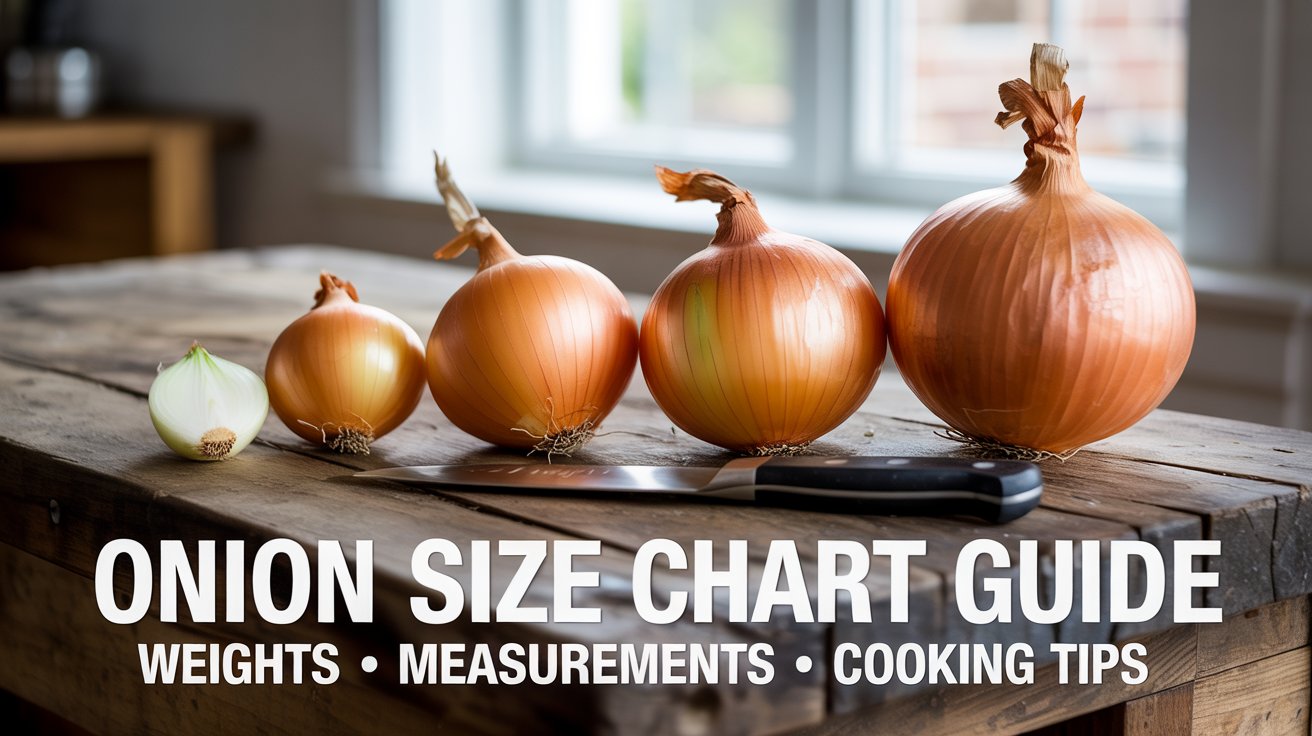
Onions are the unsung heroes of the kitchen, adding depth and flavor to countless dishes. Whether you’re whipping up a quick weeknight stir-fry or a comforting pot of soup, knowing the right onion size can elevate your meal to a whole new level. Let’s dive into how to choose the perfect onion for your recipe and keep your taste buds dancing!
Here, you’ll find an onion size chart that details sizes, weights, and cooking measurements to help you make accurate substitutions. Expect to see prep times, cooking times, and tips for success!
Onion Size Definitions
Understanding onion sizes is crucial for accurate cooking and recipe adaptation. Different recipes may specify varying onion sizes, and knowing how these sizes correspond to measurements can make a significant difference in flavor and texture.
- Small Onions: Typically measure about 1 to 2 inches in diameter and weigh around 4 to 6 ounces (115 to 170 grams). These are great for quick sautés or when you need a milder onion flavor.
- Medium Onions: Usually around 2 to 3 inches in diameter, weighing approximately 6 to 8 ounces (170 to 225 grams). A versatile choice that works in most recipes, providing a balanced flavor.
- Large Onions: Roughly 3 to 4 inches in diameter and weigh about 8 to 12 ounces (225 to 340 grams). These are ideal for recipes where onions are the star ingredient, adding robust flavor and sweetness.
- Extra Large Onions: These can be over 4 inches in diameter and weigh more than 12 ounces (340 grams). Best used when you need a significant onion presence in a dish, such as in soups or stews.
| Small | 1-2 inches | 4-6 ounces (115-170g) |
| Medium | 2-3 inches | 6-8 ounces (170-225g) |
| Large | 3-4 inches | 8-12 ounces (225-340g) |
| Extra Large | Over 4 inches | 12+ ounces (340g+) |
Chef’s tip: When a recipe calls for a specific onion size, try to match it for the best flavor balance. If you’re in a pinch, you can always adjust the amount based on what you have on hand!
Weight and Measurement Chart
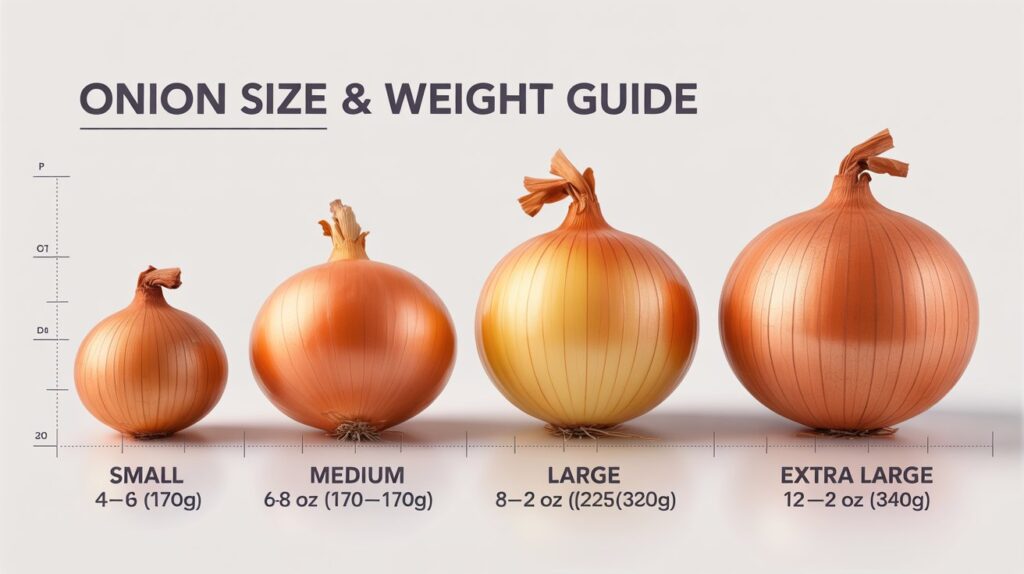
This section provides a clear breakdown of onion sizes along with their corresponding weights and measurements. Understanding these conversions is essential for accurate cooking, ensuring that your recipes turn out just right without any guesswork.
| Small Onion | 70-110g | 2.5-4 oz | ½ cup diced |
| Medium Onion | 110-150g | 4-5.5 oz | 1 cup diced |
| Large Onion | 150-250g | 5.5-8.8 oz | 1½ cups diced |
| Extra Large Onion | 250g and up | 8.8 oz and up | 2 cups diced |
By referring to this chart, you’ll be able to substitute onions confidently in any recipe. For example, if a recipe calls for a medium onion and you only have small ones, you might need to use 1.5 small onions to match the required amount. Remember, precision in cooking can make all the difference in flavor and texture.
Chef’s tip: When chopping onions, a sharp knife reduces cell damage and helps minimize the release of irritating fumes.
Visual Onion Size Guide
Understanding the different sizes of onions is crucial for accurate cooking and recipe substitutions. In this section, you’ll find visual references for small, medium, and large onions, including their approximate weights and how they translate into common cooking measurements. This guide will help ensure your dishes turn out perfectly every time.
Small Onion
A small onion typically weighs around 4 ounces (115 grams) and is about the size of a golf ball. It’s perfect for recipes that require a milder onion flavor or when a small amount is needed.
Medium Onion
Weighing approximately 8 ounces (230 grams), a medium onion is about the size of a tennis ball. This size is versatile and commonly used in various recipes, providing a balanced flavor profile.
Large Onion
A large onion usually weighs about 12 ounces (340 grams) and can be as big as a grapefruit. Use large onions when you want a stronger onion presence in your dishes.
| Small Onion | 4 oz (115 g) | ½ cup chopped |
| Medium Onion | 8 oz (230 g) | 1 cup chopped |
| Large Onion | 12 oz (340 g) | 1½ cups chopped |
Chef’s tip: When chopping onions, use a sharp knife to minimize tearing and make the process easier.
Impact on Cooking
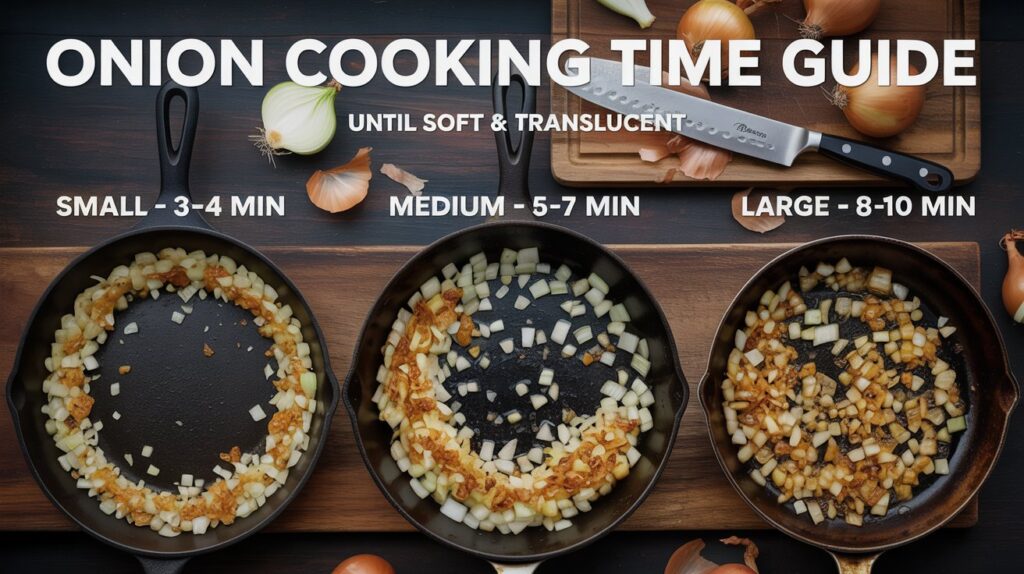
The size of the onion you choose for your recipe significantly influences its flavor intensity, cooking time, and texture. Understanding how these elements interact can help you achieve the perfect dish every time.
- Flavor Intensity: Larger onions generally have a milder flavor compared to smaller ones. For example, a small onion (about 4 ounces or 113 grams) will impart a sharper taste, while a large onion (about 12 ounces or 340 grams) will provide a sweeter, more subtle flavor. This distinction matters when you’re aiming for a specific taste profile in dishes like soups or sauces, where the onion is a primary ingredient.
- Cooking Time: The size of the onion affects how long it takes to cook. Smaller diced onions will caramelize in about 5-7 minutes over medium heat, becoming translucent and fragrant. In contrast, larger cuts may take an additional few minutes, so be sure to adjust your cooking time accordingly to avoid undercooking or burning.
- Texture Changes: Onion size also influences the texture of your final dish. Smaller pieces will break down more quickly, becoming soft and blending seamlessly into sauces, while larger chunks maintain their structure, providing a more pronounced bite. If you’re making a stir-fry, for instance, consider cutting your onions into larger pieces to add texture to the dish.
Substitution Tips
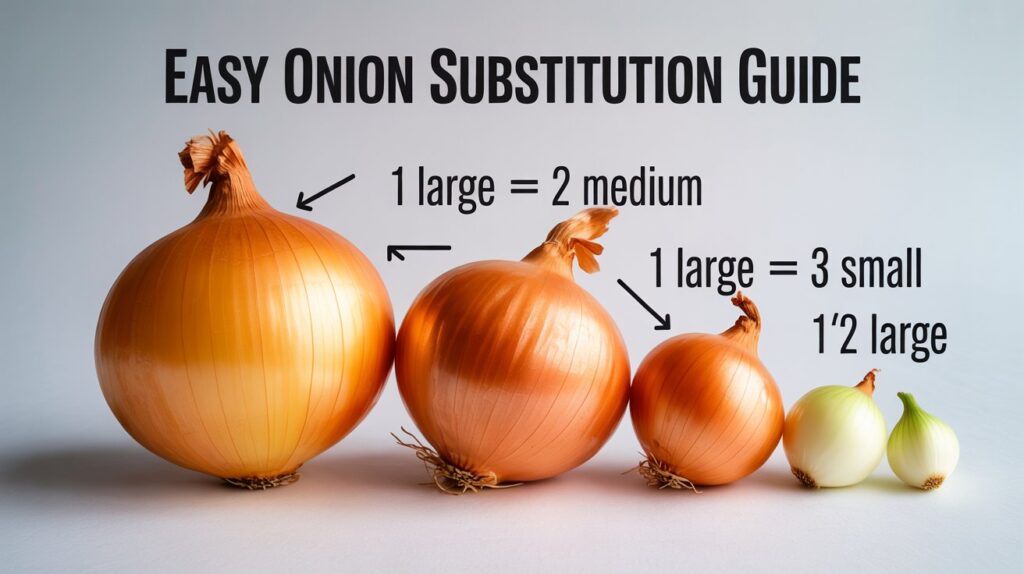
Understanding how to substitute different onion sizes in your recipes can make a significant difference in flavor and texture. This section provides practical advice on when to substitute, how to adjust cooking times, and any necessary flavor adjustments to ensure your dish comes out perfectly every time.
When to Substitute
- Small Onion (about 4 oz / 115g): Use 1 small onion when a recipe calls for 1/2 a medium onion.
- Medium Onion (about 6-8 oz / 170-225g): Substitute 1 medium onion for 1 large onion if you prefer a milder flavor.
- Large Onion (about 10-12 oz / 280-340g): If your recipe only calls for a small quantity, you can use 1/4 of a large onion in place of a small or medium onion.
Adjusting Cooking Times
Cooking times may vary depending on the onion size used. Generally, larger onions may take slightly longer to caramelize or soften. Here are some guidelines:
| Small | 3-4 minutes until translucent |
| Medium | 5-6 minutes until golden brown |
| Large | 7-8 minutes until soft and caramelized |
Flavor Adjustments
Onions vary in sweetness and sharpness depending on their size. If substituting a sweeter onion (like a Vidalia) for a sharper variety (like a yellow onion), consider:
“Adding a pinch of sugar can help balance flavors if you find the dish too sharp.”
Always taste your dish as you go and adjust the seasoning accordingly!
Common Mistakes
Understanding the correct usage of onion sizes is crucial for achieving perfect flavor and texture in your dishes. A few common mistakes can lead to discrepancies in your cooking, affecting the overall outcome. Let’s break down these pitfalls to avoid when utilizing an onion size chart.
Overestimating Size
One of the most frequent mistakes is misjudging the size of onions. This can lead to using too much or too little onion in a recipe, drastically changing the flavor profile. Here’s a simple reference to help you gauge onion sizes:
| Onion Size | Approximate Weight | Common Cooking Measurement |
|---|---|---|
| Small | 4 ounces (113g) | 1/2 cup diced |
| Medium | 6-8 ounces (170-227g) | 1 cup diced |
| Large | 10-12 ounces (284-340g) | 2 cups diced |
Ignoring Cooking Time
Each onion size requires different cooking times to achieve the desired softness or caramelization. For instance, small onions will cook faster than large ones. Here’s a quick guide:
- Small onions: Sauté for 3-4 minutes until translucent.
- Medium onions: Sauté for 5-7 minutes until golden brown.
- Large onions: Sauté for 8-10 minutes until deeply caramelized.
Neglecting Flavor Profiles
Different sizes of onions can have varying intensities of flavor. Using a large onion where a small one is called for may overpower the dish. Always consider the taste you want to achieve:
Chef’s tip: For sweeter dishes, opt for larger onions; for savory dishes, smaller or medium onions work best.
Recipe Pairings
Understanding how different onion sizes can enhance your dishes is crucial for achieving the best flavor and texture. Each size of onion offers unique qualities that pair well with specific types of meals, making it easier to select the right onion for your recipes.
Salads
- Small Onions: Use finely chopped small onions in fresh salads for a mild crunch. For example, ¼ cup of finely diced green onions adds a fresh zing to a cucumber salad.
- Medium Onions: Slice medium onions thinly for a classic wedge salad. Aim for about ½ cup of slices to balance flavors without overpowering.
- Large Onions: Consider using a large onion for a hearty grain salad. Roughly chop 1 cup of red onion for a colorful and slightly sweet addition to quinoa salads.
Soups
- Small Onions: Small onions are perfect for flavoring broths; use around 2-3 whole ones simmered in your stock for a subtle onion flavor.
- Medium Onions: For a classic onion soup, sauté 1 medium onion in 2 tablespoons of butter over medium heat until caramelized, approximately 15-20 minutes.
- Large Onions: Use a large onion as a base for heartier soups. Dice 1 large onion and cook it with 3 cloves of minced garlic for depth of flavor in chicken soup.
Sautéed Dishes
Chef’s tip: Always slice onions evenly to ensure they cook uniformly.
- Small Onions: Sauté 5-6 small pearl onions with 2 tablespoons of olive oil for 4-5 minutes until golden brown, perfect as a side dish.
- Medium Onions: For stir-fries, use 1 medium onion sliced thinly, cooking for 3-4 minutes until translucent before adding other vegetables.
- Large Onions: Dice 1 large onion and sauté it in 3 tablespoons of olive oil for 8-10 minutes, until soft and caramelized, for a flavorful base in pasta dishes.
| Small | 2-3 oz (56-85g) | Salads, garnishes |
| Medium | 4-5 oz (113-142g) | Soups, sautéing |
| Large | 6-8 oz (170-227g) | Hearty dishes, bases |
Quick Summary
| Prep Time | Cook Time | Total Time | Servings |
|---|---|---|---|
| 5 minutes | N/A | 5 minutes | 1 |
- Identify sizes: Use small, medium, or large onions based on your recipe needs.
- Measure accurately: A medium onion usually weighs about 6-7 ounces.
- Adjust accordingly: Substitute onion sizes; 1 large equals 2 medium or 3 small.
- Cut uniformly: Ensure even cooking by chopping onions to a consistent size.
- Store properly: Keep onions in a cool, dark place to prolong freshness.
- Tip: Know your onion flavor; sweet onions are milder than yellow or red.
- Tip: Use a sharp knife to reduce tearing when cutting onions.
Frequently Asked Questions
Can I make this ahead of time? How to store and reheat?
You can prepare your onions ahead of time by chopping them and storing them in an airtight container in the fridge for up to 5 days. To reheat, simply sauté them in a pan over medium heat until warmed through, about 3-5 minutes.
What can I substitute for a large onion?
If you don’t have a large onion, you can substitute with 2 medium onions or 3-4 small onions for similar flavor and texture. Just adjust the cooking time slightly, as smaller pieces may cook faster.
How do I know when my onions are done cooking?
Onions are done when they are translucent and slightly caramelized, usually taking about 10-15 minutes over medium heat. If you’re aiming for a deep caramelization, look for a rich golden-brown color after about 20-30 minutes.
Can I freeze chopped onions? How long do they last?
Yes, you can freeze chopped onions by placing them in a freezer-safe bag, and they will last for up to 6 months. Just remember to label the bag with the date for easy reference!
What if I don’t have a food scale to measure onion sizes?
If you don’t have a food scale, you can use a measuring cup; a large onion typically yields about 1 to 1.5 cups chopped. For precise cooking, remember that a medium onion is about 1 cup chopped, and a small onion is around ½ cup chopped.
