
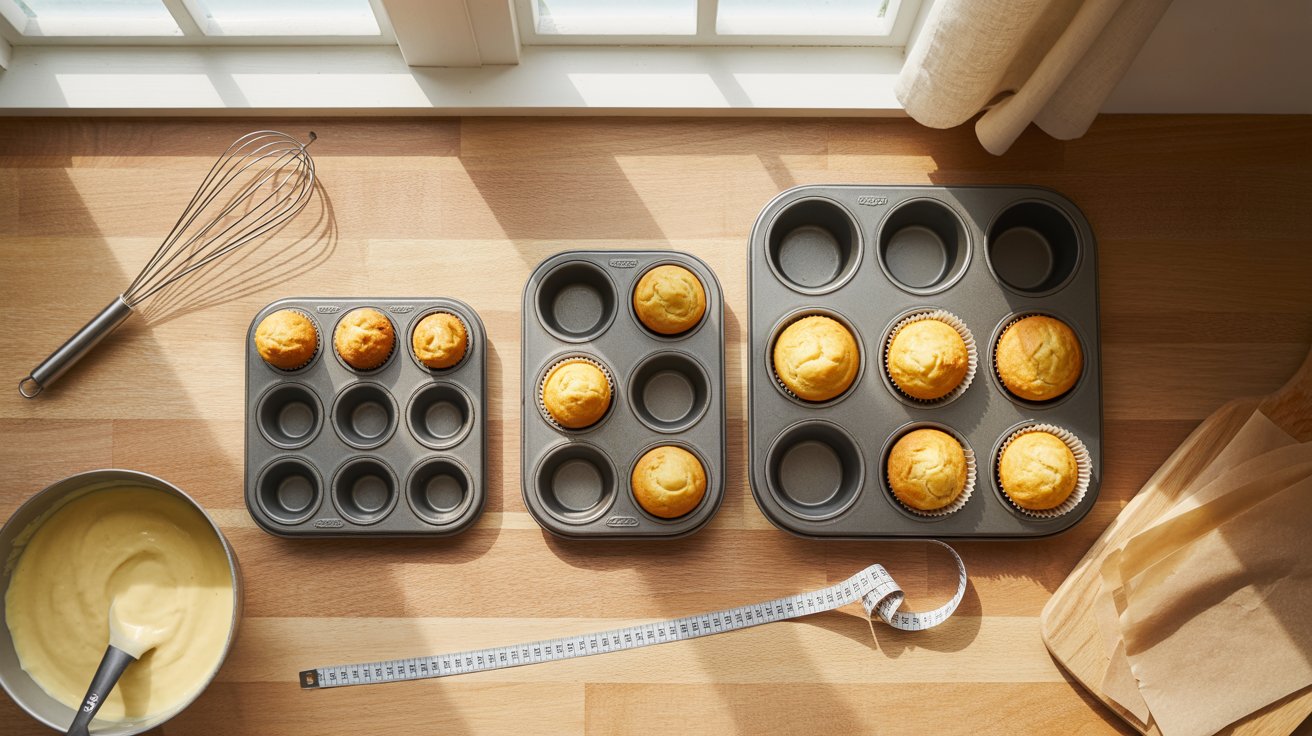
Are you tired of guessing the right muffin size for your recipes or events? Knowing the perfect muffin size can save you time, money, and frustration.
Whether you’re baking for a crowd or just a cozy breakfast, understanding muffin sizes helps you get consistent results every time. In this guide, you’ll discover the muffin size chart that makes choosing the right pan and portions simple and stress-free.
Keep reading to unlock the secret to perfect muffins that look great and taste even better.
Muffin Size Basics
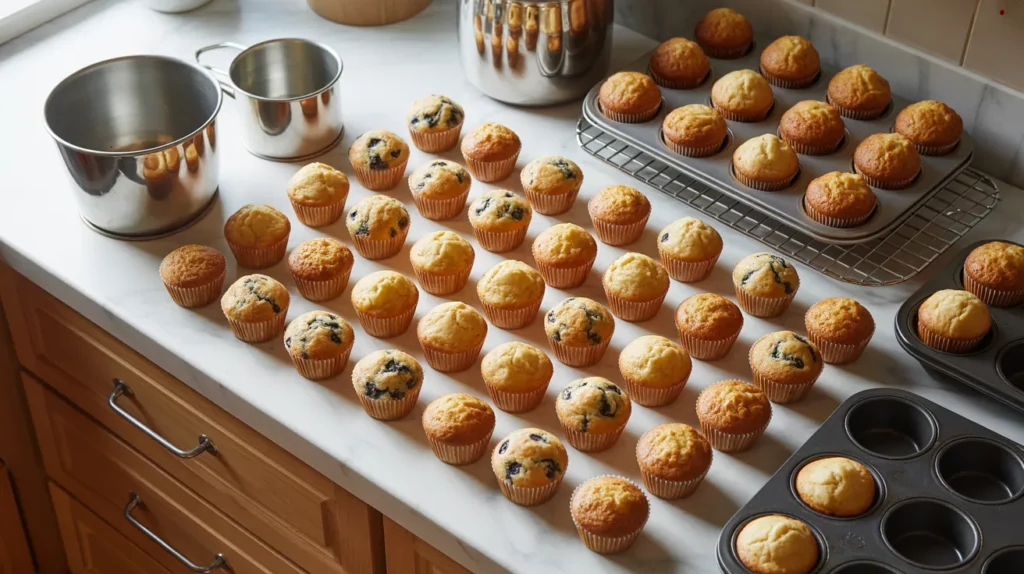
Muffin sizes vary a lot. Knowing the basics helps with baking and serving. Size affects baking time, texture, and how muffins look. Understanding muffin sizes makes baking easier and results better.
This guide explains standard muffin sizes, compares mini, regular, and jumbo muffins, and shows how size changes baking time.
Standard Muffin Sizes
Standard muffins usually hold about 3.5 to 4 ounces of batter. They fit in regular muffin tins with 2.5-inch diameter cups. This size is common in bakeries and home kitchens. It offers a good balance between portion and baking time.
Mini Vs Regular Vs Jumbo
Mini muffins are small, holding about 1 ounce of batter. They bake quickly and are great for snacks or parties. Regular muffins are medium-sized, the standard size most people know. Jumbo muffins hold 8 ounces or more of batter. They need more baking time and are good for big appetites.
Impact On Baking Time
Size changes how long muffins bake. Mini muffins take 10 to 15 minutes. Regular muffins bake for 18 to 22 minutes. Jumbo muffins need 25 to 30 minutes or more. Baking too long or short can ruin texture and taste. Check muffins often to avoid overbaking or underbaking.
Measuring Muffin Portions
Measuring muffin portions is important for even baking and consistent size. Proper measurement helps muffins cook at the same rate. It also makes your muffins look neat and professional. Using the right tools and techniques makes portioning easier and more accurate.
Muffin Size Chart
| Muffin Size | Cup Diameter | Batter Capacity | Typical Baking Time |
|---|---|---|---|
| Mini Muffin | ~1.5 inches | 1–1.5 oz | 10–15 minutes |
| Standard Muffin | ~2.5 inches | 3.5–4 oz | 18–22 minutes |
| Jumbo Muffin | ~3.5 inches | 8–9 oz | 25–30+ minutes |
Using Measuring Cups
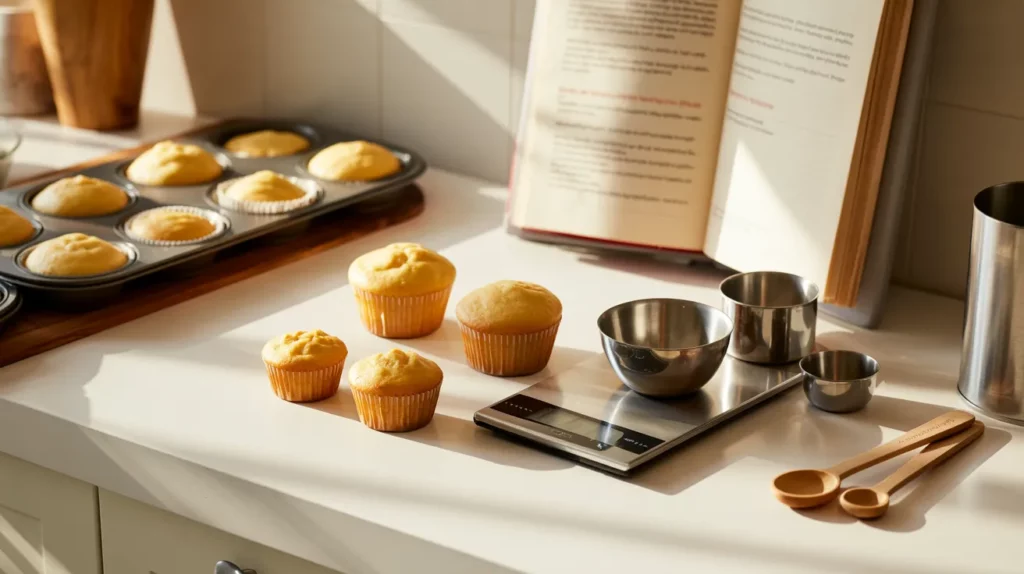
Measuring cups are simple tools for muffin batter. Use a cup with clear markings for accuracy. Fill the cup to the desired level. Pour batter into muffin tins carefully. This method helps keep muffin sizes uniform. Choose a measuring cup size that matches your muffin tin.
Scooping Techniques
Scooping batter with a spoon or scoop works well. Use a spoon to lift batter from the bowl. Level the batter before adding it to tins. A cookie scoop gives consistent amounts each time. This technique prevents overfilling or underfilling muffin cups. Consistency in scooping leads to even baking.
Tools For Accuracy
Use tools designed for precise portioning. An ice cream scoop or portion scoop is helpful. These tools release batter easily into muffin cups. Digital scales can weigh batter for exact portions. Using the right tools reduces guesswork and waste. Accurate portions improve muffin appearance and taste.
Adjusting Recipes By Size
Adjusting muffin recipes by size is key for great results. Different muffin sizes need different ingredient amounts, oven settings, and baking times. Small changes can affect taste and texture. Understanding these adjustments helps you bake muffins perfectly every time.
Scaling Ingredients
Changing muffin size means changing ingredient amounts. Use a simple ratio to scale ingredients up or down. For example, a mini muffin uses half the batter of a regular one. Measure carefully to keep the right balance of dry and wet ingredients. This keeps muffins moist and fluffy.
Oven Temperature Tips
Adjusting muffin size affects baking temperature too. Smaller muffins bake well at a slightly higher temperature. This helps them rise quickly and get a nice crust. Larger muffins need a lower temperature to bake inside without burning outside. Watch muffins closely to avoid overbaking.
Baking Time Adjustments
Baking time changes with muffin size. Mini muffins bake faster, often in 10 to 15 minutes. Standard muffins take about 20 to 25 minutes. Jumbo muffins can need 30 minutes or more. Use a toothpick test to check doneness. Insert it into the center; if it comes out clean, muffins are ready.
Common Muffin Pan Dimensions
Muffin pans come in different sizes to suit many baking needs. Knowing the common muffin pan dimensions helps choose the right pan for your recipe. Each size creates muffins with different volume and baking time. This guide covers the three main muffin pan sizes used at home and in bakeries.
Mini Muffin Pans
Mini muffin pans hold small muffins, often called bite-sized. Each cup usually measures about 1.5 inches in diameter. They hold around 1 to 1.5 ounces of batter. These pans make perfect snacks or party treats. Mini muffins bake faster due to their small size. They are great for testing new recipes in small batches.
Standard Muffin Pans
Standard muffin pans are the most common size found in kitchens. Each cup is about 2.5 inches wide. They typically hold 3 to 4 ounces of batter. These pans produce regular-sized muffins, perfect for breakfast or snacks. Standard pans usually have 6 or 12 cups. They offer a good balance between portion size and baking time.
Jumbo Muffin Pans
Jumbo muffin pans make large muffins, ideal for a big appetite. Each cup measures about 3.5 inches across. They hold 8 to 9 ounces of batter. Jumbo muffins take longer to bake than smaller sizes. These pans are popular for bakery-style muffins or special occasions. They give a satisfying, hearty muffin experience.
Visual Muffin Size Guide
A Visual Muffin Size Guide helps you see and understand muffin sizes clearly. It shows how big or small muffins are compared to everyday items. This guide makes it easy to choose the right muffin size for your needs. Visual aids help you picture portion sizes without guessing.
Knowing muffin sizes helps with baking, serving, and nutrition. It also helps avoid waste or overeating. This guide uses simple images and comparisons to explain muffin sizes quickly and clearly.
Portion Comparisons
Portion comparisons show muffin sizes next to common objects. For example, a mini muffin is about the size of a golf ball. A standard muffin matches the size of a tennis ball. Jumbo muffins are as big as a baseball. These comparisons help you imagine muffin sizes fast.
Photo Examples
Photos show actual muffins on plates or hands. They help you see real muffin sizes. Seeing muffins next to cups or fruits gives a clear idea of size. Photos show how tall and wide muffins can be. This helps you pick the right muffin size visually.
Serving Suggestions
Serving suggestions tell you how to serve muffins by size. Mini muffins are great for snacks or parties. Standard muffins work well for breakfast or dessert. Jumbo muffins fit big appetites or sharing. Choosing the right size makes eating muffins enjoyable.
Troubleshooting Muffin Sizes
Getting the perfect muffin size can be tricky. Many bakers face common problems like uneven tops, overfilled cups, or undercooked centers. These issues affect how muffins look and taste. Understanding these problems helps fix them quickly. Here are some tips to troubleshoot muffin sizes for better baking results.
Uneven Muffin Tops
Uneven muffin tops happen when batter spreads too much or bakes unevenly. This can cause flat or lumpy muffins. Using the right oven temperature helps. Too hot or too cold ovens make muffins rise oddly. Also, mix batter gently. Overmixing creates air pockets that change muffin shape.
Overfilled Cups
Overfilled cups cause muffins to spill over or bake unevenly. Fill muffin cups about two-thirds full. This gives batter space to rise without overflow. Using a scoop ensures even amounts in each cup. Too much batter means larger muffins but may not cook well inside.
Undercooked Centers
Undercooked centers feel wet or doughy inside. This happens with thick or overfilled muffins. Lower oven temperature slightly and bake longer for even cooking. Check muffins by inserting a toothpick. If it comes out clean, muffins are done. Avoid opening oven door too often, as it cools the oven.
Tips For Perfect Portions
Getting muffin portions just right makes a big difference. It helps muffins bake evenly and look great. Small changes in portion size affect baking time and texture. Follow these tips for perfect muffin portions every time.
Consistent Scooping
Use a scoop or spoon to measure batter. This keeps muffin sizes even. Even sizes help muffins bake evenly. Avoid guessing the amount by eye. Use the same scoop for all muffins. This saves baking time and prevents overfilling.
Avoiding Overflow
Fill muffin cups about two-thirds full. Overfilling causes batter to spill over. Spills can burn and make a mess. Leave space for muffins to rise. Watch batter height carefully for each cup. Proper filling stops uneven shapes and overflow.
Cooling And Storage
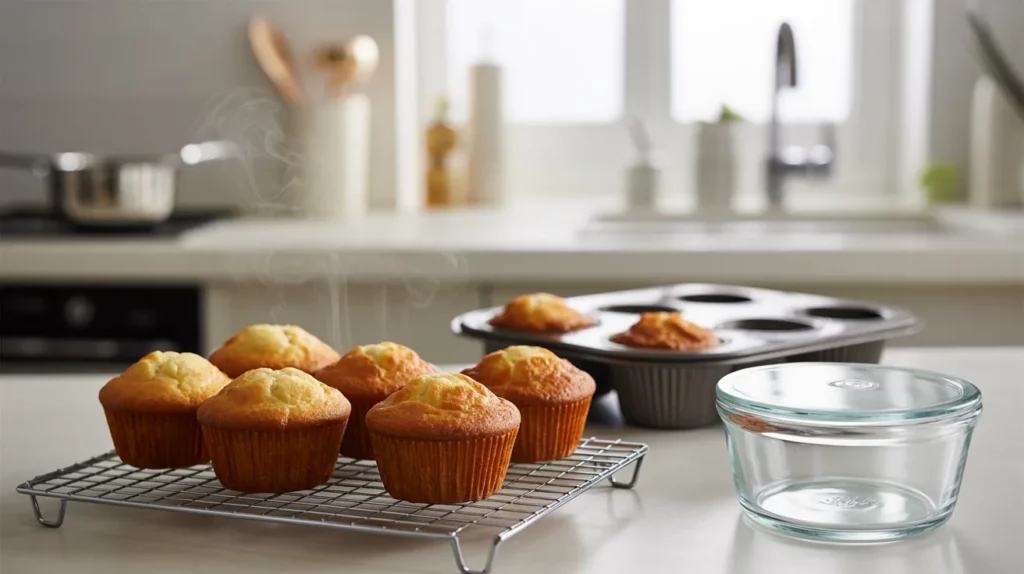
Let muffins cool in the pan for a few minutes. Then move them to a wire rack. Cooling muffins on a rack stops sogginess. Store completely cool muffins in airtight containers. This keeps them fresh longer. Avoid stacking warm muffins to prevent damage.
Frequently Asked Questions
What Are Standard Muffin Sizes?
Standard muffin sizes typically range from mini (1. 5 inches) to jumbo (4 inches). Most common muffins measure about 2. 5 to 3 inches in diameter. Size affects baking time and portion control. Knowing these sizes helps in selecting the right muffin pan and recipe.
How Does Muffin Size Affect Baking Time?
Larger muffins require longer baking times due to greater batter volume. Mini muffins bake quickly, usually in 10-15 minutes. Standard muffins take 18-22 minutes, while jumbo ones can take 25-30 minutes. Adjusting baking time prevents undercooked or burnt muffins.
What Is The Best Muffin Pan Size For Home Baking?
A standard muffin pan holds 12 muffins, each about 2. 5 inches wide. This size suits most recipes and home ovens. Mini and jumbo pans are available but less common. Choose based on desired muffin size and recipe requirements.
Can Muffin Size Impact Nutritional Content?
Yes, muffin size directly affects calorie and nutrient amounts. Larger muffins contain more ingredients, increasing calories, sugar, and fat. Mini muffins offer smaller portions and fewer calories. Portion control is key to managing nutritional intake.
Conclusion
A clear muffin size chart helps you choose the right baking pan. It saves time and avoids confusion in recipes. Knowing sizes ensures even baking and perfect muffins every time. Use this chart to match your recipe needs easily. Baking becomes simple and more fun with the right tools.
Keep this guide handy for your next muffin batch. Enjoy baking with confidence and great results.
