
Imagine sinking your teeth into tender, buttery lobster tail, perfectly cooked and bursting with ocean flavor. Whether it’s a cozy weeknight dinner or a special occasion feast, lobster tails elevate any meal to a gourmet experience that leaves everyone wanting more.
Here, you’ll find a comprehensive lobster tail size chart detailing weight, cooking times, and serving suggestions. Expect to learn how to choose the right size for your recipes with exact measurements and cooking temperatures that guarantee delicious results every time.
Lobster Tail Origins
Lobster tails have a rich culinary history that spans various cultures, reflecting their significance in both gastronomy and tradition. Understanding their origins helps home cooks appreciate the nuances of preparing lobster tails, particularly when selecting the right size for various recipes.
- Historical Context: Lobster was once considered a food for the poor, commonly found in coastal regions. In the 19th century, it began to gain popularity among the affluent, leading to its status as a delicacy. This shift in perception established lobster tails as a sought-after ingredient in fine dining.
- Cultural Importance: Across different cultures, lobster tails represent celebration and luxury. In New England, they are often featured in summer cookouts and clambakes, while in French cuisine, they are integral to dishes like Lobster Thermidor, showcasing their versatility and elegance.
Lobster Tail Size Chart
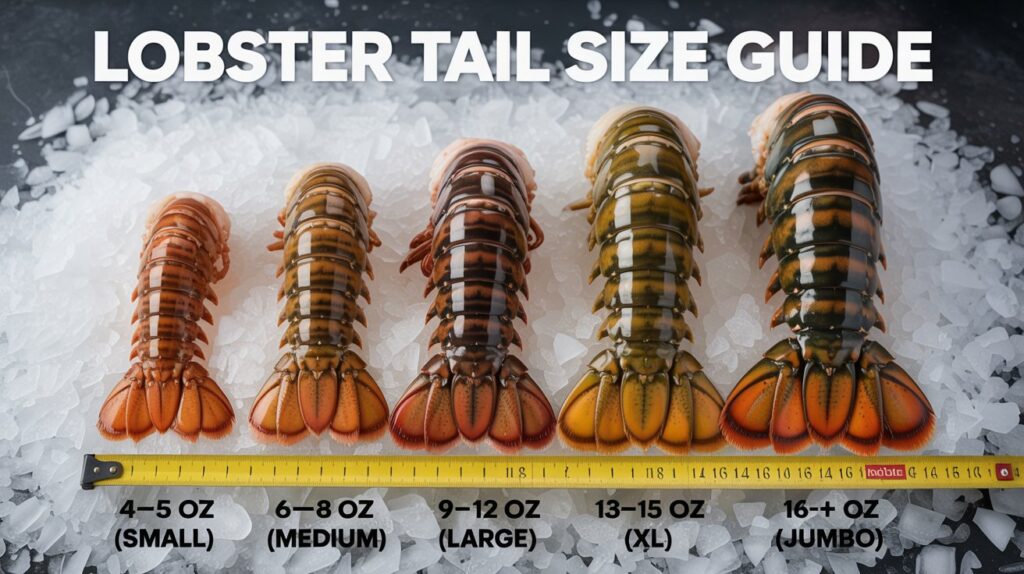
Understanding the size of lobster tails is crucial for achieving the perfect dish, whether you’re grilling, broiling, or baking. The size not only influences the cooking time but also the flavor and texture of the meat. Below is a detailed size chart that will help you select the right lobster tail for your recipe or occasion.
Size Categories
- Small: 4-5 oz (113-142g) – Ideal for appetizers or small servings.
- Medium: 6-8 oz (170-227g) – Great for individual entrees or pasta dishes.
- Large: 9-12 oz (255-340g) – Perfect for main courses or special occasions.
- Extra Large: 13-15 oz (369-425g) – Suitable for lavish meals and impressive presentations.
- Jumbo: 16 oz and above (453g+) – Best for sharing or standout dishes.
Weight Estimates
| Size Category | Weight (oz) | Weight (g) | Best For | Serves |
|---|---|---|---|---|
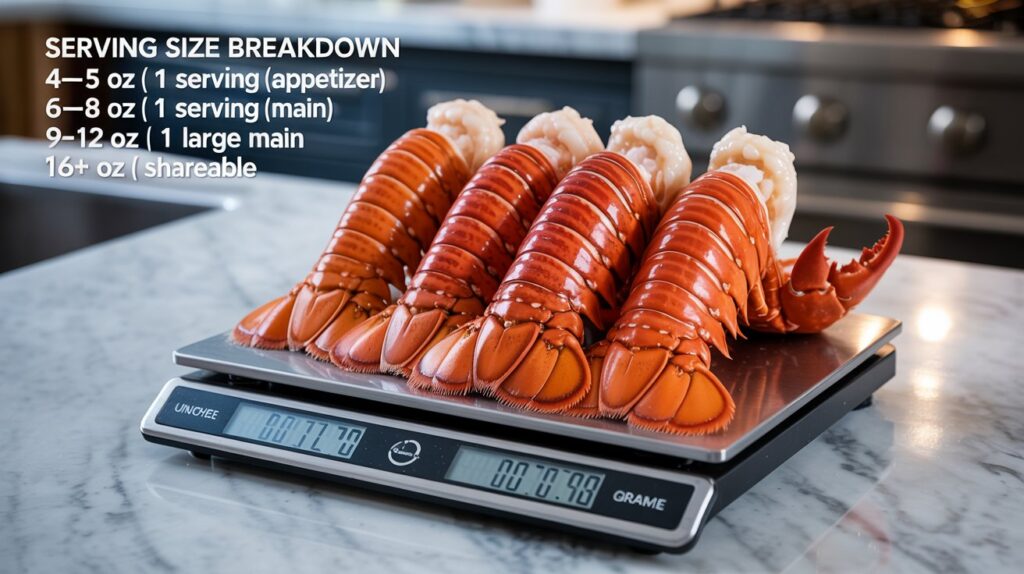
| Small | 4–5 oz | 113–142g | Appetizers, tacos | 1 light serving |
| Medium | 6–8 oz | 170–227g | Individual entrée | 1 |
| Large | 9–12 oz | 255–340g | Main course | 1 generous |
| Extra Large | 13–15 oz | 369–425g | Special occasions | 1–2 |
| Jumbo | 16 oz+ | 453g+ | Sharing platter | 2 |
Chef’s tip: For the best flavor and tenderness, choose lobster tails that are slightly larger than you think you’ll need, as they hold their moisture better during cooking.
Cooking Times by Size
Understanding the cooking times for different sizes of lobster tails is crucial for achieving perfectly cooked, tender meat. Each size requires specific timing whether you’re boiling or grilling, so let’s break it down to ensure your lobster tails turn out delicious every time.
Boiling Times
Boiling is a straightforward method that preserves the natural sweetness of lobster tails. Here’s how long to boil based on size:
- Small (3-4 oz): Boil for 5-7 minutes
- Medium (5-6 oz): Boil for 8-10 minutes
- Large (7-8 oz): Boil for 10-12 minutes
- Extra Large (9-10 oz): Boil for 12-15 minutes
Make sure the water is at a rolling boil before adding the lobster. The tails are done when their shells turn bright red, and the meat is opaque. Overcooking can lead to tough lobster, so keep an eye on the time!
Grilling Times
Grilling adds a wonderful smoky flavor to lobster tails. Here’s the timing for grilling, which generally requires a two-step process: grilling the meat side first, then the shell side.
- Small (3-4 oz): Grill for 5-7 minutes
- Medium (5-6 oz): Grill for 8-10 minutes
- Large (7-8 oz): Grill for 10-12 minutes
- Extra Large (9-10 oz): Grill for 12-15 minutes
Start with the meat side down, cooking until grill marks appear and the meat is opaque. Flip to finish cooking on the shell side, brushing with butter for added flavor.
Chef’s tip: Always use a meat thermometer to check for doneness. The internal temperature should reach 140°F (60°C) for perfectly cooked lobster.
Selecting Quality Lobster Tails
Choosing the right lobster tails is essential for achieving a delicious and memorable dish. Freshness and quality directly impact the flavor and texture, so here are some practical tips to help you select the best lobster tails for your recipe.
- Check the color: Look for lobster tails that have a bright, vibrant color. Avoid any that appear dull, discolored, or have dark spots, as these may indicate spoilage.
- Feel the texture: Fresh lobster tails should feel firm and slightly springy to the touch. If they feel soft or mushy, it’s best to pass on them.
- Examine the shell: The shell should be hard and intact without any cracks or blemishes. A damaged shell can lead to a loss of flavor and quality.
- Smell for freshness: Fresh lobster tails should have a clean, ocean-like scent. If there is a strong fishy or ammonia smell, it’s a sign that the lobster is no longer fresh.
Sourcing Tips
- Buy from reputable vendors: Always purchase lobster tails from trusted seafood markets or grocery stores with a good reputation for quality. Ask questions about where the seafood comes from.
- Consider frozen options: If fresh tails are not available, consider high-quality frozen lobster tails. They are often flash-frozen at sea, preserving their freshness.
- Check for certifications: Look for labels indicating sustainable fishing practices, as these are more likely to offer high-quality products.
Recommended Recipes by Size
This section highlights specific recipes tailored to different lobster tail sizes, making it easier for you to choose the right dish for your occasion. Whether you have small or large lobster tails, these recipes will ensure you get the best flavor and texture from your seafood.
Small Size Recipes
- Lobster Tail Tacos
- 2 small lobster tails (about 4 oz each)
- 2 tablespoons olive oil
- 1 teaspoon paprika
- 1 teaspoon lime juice
- 4 small corn tortillas
- 1 avocado, sliced
- ¼ cup fresh cilantro, chopped
- Salt and pepper to taste
- Preheat your grill to medium heat (about 350°F/175°C).
- In a bowl, mix olive oil, paprika, lime juice, salt, and pepper. Brush this mixture onto the lobster tails.
- Grill the lobster tails for 5-6 minutes, flipping halfway, until they are opaque and have grill marks.
- Warm the tortillas on the grill for 1 minute per side.
- Assemble the tacos with lobster, avocado, and cilantro. Serve immediately.
Chef’s tip: For added flavor, sprinkle some lime zest over the tacos before serving.
Large Size Recipes
- Stuffed Lobster Tails
- 2 large lobster tails (about 8 oz each)
- ½ cup breadcrumbs
- 2 tablespoons melted butter
- 1 tablespoon fresh parsley, chopped
- 1 garlic clove, minced
- Salt and pepper to taste
- Preheat your oven to 375°F (190°C).
- Carefully split the lobster tails in half lengthwise. Remove the meat and chop it into small pieces.
- In a bowl, combine the lobster meat, breadcrumbs, melted butter, parsley, garlic, salt, and pepper.
- Stuff the mixture back into the lobster shells and place them on a baking tray.
- Bake for 15-20 minutes until the topping is golden brown and the lobster is cooked through.
| Lobster Tail Tacos | 10-12 minutes | 10 minutes |
| Stuffed Lobster Tails | 20 minutes | 15 minutes |
Common Cooking Techniques
Understanding how to cook lobster tails properly can elevate your meal significantly. Each cooking technique brings out different flavors and textures, which is essential to consider, especially when choosing the size of your lobster tails. Here, we’ll focus on two popular methods: steaming and baking.
Steaming Lobster Tails
Steaming is a great way to cook lobster tails because it keeps them moist and tender. Here’s how to do it:
- Ingredients:
- 2 lobster tails (about 5-6 ounces each)
- 1 cup water
- 2 tablespoons butter (optional)
- Salt and pepper to taste
- Fill a large pot with 1 cup of water and bring it to a boil over medium-high heat.
- Place a steamer basket in the pot (or use a colander) and add the lobster tails, flesh side up.
- Cover the pot, reduce heat to medium, and steam for about 6-8 minutes. The tails should be bright red and opaque when done.
- Remove the tails carefully, drizzle with melted butter, and season with salt and pepper before serving.
Baking Lobster Tails
Baking is another excellent method that allows for a crispy top while keeping the meat juicy. Follow these steps:
- Ingredients:
- 2 lobster tails (about 8 ounces each)
- 2 tablespoons olive oil
- 1 tablespoon lemon juice
- 1 teaspoon paprika
- Salt and pepper to taste
- Preheat your oven to 350°F (175°C).
- Split the lobster tails in half lengthwise and place them on a baking sheet.
- Brush the flesh with olive oil and lemon juice, then sprinkle with paprika, salt, and pepper.
- Bake for 15-20 minutes, until the meat is opaque and the shells are bright red. The top should have a slight crisp.
Chef’s tip: To ensure even cooking, let the lobster tails sit at room temperature for about 15 minutes before cooking.
Serving Suggestions
Pairing lobster tails with the right accompaniments can elevate your dining experience. Whether you’re hosting a special dinner or enjoying a cozy meal at home, consider these wine pairings and side dishes to complement the flavors of your lobster tails.
Wine Pairings
- Sauvignon Blanc: A crisp, zesty white wine that pairs beautifully with the rich, sweet meat of lobster. Look for one with citrus notes.
- Chardonnay: A buttery, oaked Chardonnay balances the richness of the lobster. Choose one that is not too oaky.
- Champagne: The bubbles and acidity in Champagne cleanse the palate, enhancing the seafood flavors.
Side Dishes
When serving lobster tails, simple yet flavorful side dishes can enhance the meal without overwhelming it. Here are some ideas:
- Garlic Butter Asparagus: Sauté 1 pound of asparagus in 2 tablespoons of garlic butter for about 5 minutes until tender.
- Herb-Infused Rice: Cook 1 cup of jasmine rice with 2 cups of chicken broth, adding 1 tablespoon of fresh parsley and dill for flavor.
- Roasted Potatoes: Toss 1 pound of baby potatoes in 2 tablespoons of olive oil, salt, and pepper, then roast at 400°F (200°C) for 25-30 minutes until golden.
Chef’s tip: Keep side dishes light and fresh to complement the lobster without competing for attention.
| Garlic Butter Asparagus | 5 minutes | 5 minutes |
| Herb-Infused Rice | 5 minutes | 15 minutes |
| Roasted Potatoes | 10 minutes | 30 minutes |
With the right wine and sides, your lobster tails will shine as the star of the meal. Enjoy your culinary creations!
Quick Summary
| Prep Time | 10 minutes |
|---|---|
| Cook Time | 10-12 minutes |
| Total Time | 20-22 minutes |
| Servings | 4 |
- Choose the right size: Select lobster tails weighing between 4-6 ounces for optimal cooking.
- Cooking method: Steam or broil for best results; avoid boiling to retain flavor.
- Internal temperature: Cook until the meat reaches 140°F for perfectly tender lobster.
- Butter baste: Brush melted butter over tails for enhanced flavor.
- Shell split: Cut the shell open to expose the meat for even cooking.
- Tip: Always thaw frozen tails in the fridge overnight for even cooking.
- Tip: Use kitchen shears for easy shell cutting, avoiding any mess.
Frequently Asked Questions
Can I make lobster tails ahead of time? How do I store and reheat them?
You can prepare lobster tails ahead of time by cooking them fully and storing them in an airtight container in the refrigerator for up to 2 days. To reheat, gently warm them in a steamer or in the oven at 350°F (175°C) for about 10 minutes.
What can I substitute for lobster tails?
If you can’t find lobster tails, you can substitute with crab legs or shrimp, as they have similar textures and flavors. Just adjust the cooking time accordingly, as shrimp cooks faster than lobster.
How do I know when lobster tails are done?
Lobster tails are done when the meat is opaque and firm, usually taking about 8-12 minutes when boiling or grilling. You can also check for an internal temperature of 140°F (60°C) for perfect doneness.
Can I freeze lobster tails? How long do they last?
You can freeze raw lobster tails for up to 3 months by wrapping them tightly in plastic wrap and then placing them in an airtight freezer bag. Cooked lobster tails can be frozen for about 2 months, but it’s best to consume them sooner for optimal flavor.
What if I don’t have a lobster cracker?
If you don’t have a lobster cracker, you can use a heavy-duty nutcracker or even a pair of kitchen shears to carefully cut through the shell. Just be cautious to avoid crushing the delicate meat inside.
