
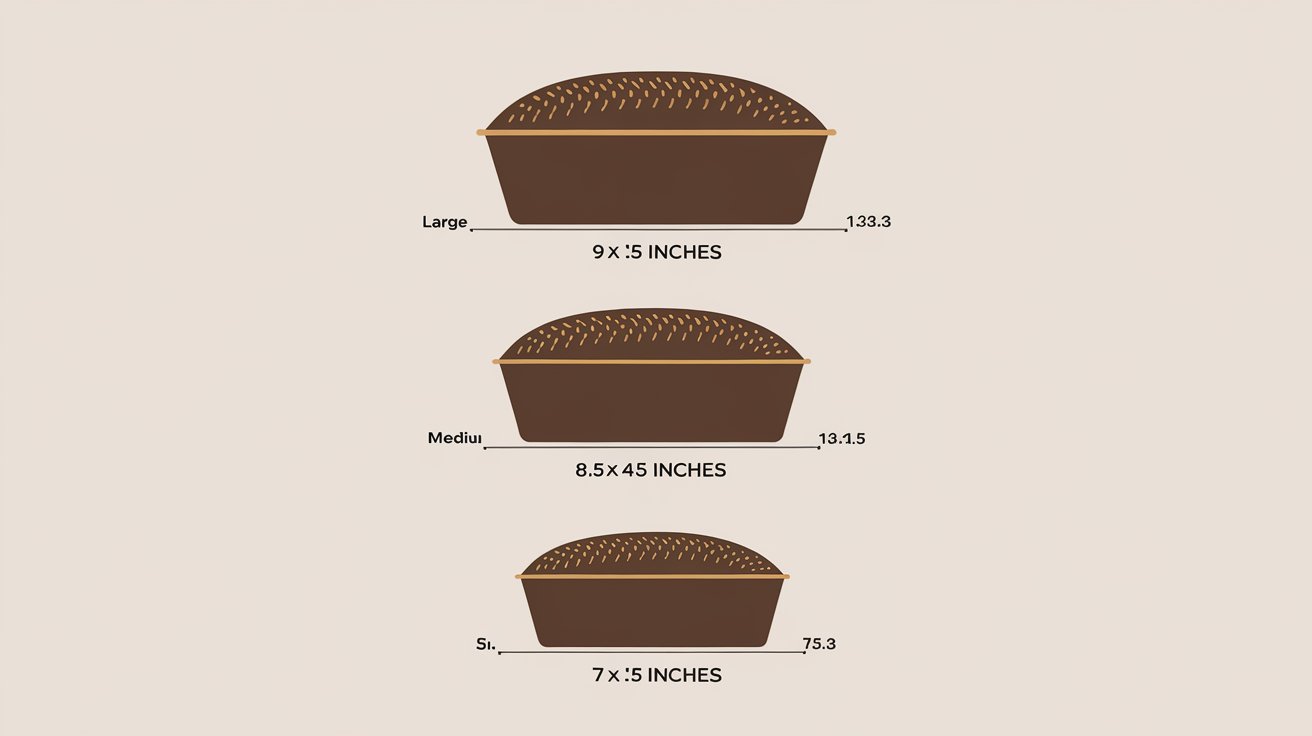
Ever followed a recipe only to realize your loaf pan isn’t the “standard” size? Don’t worry—you’re not alone. In baking, the right pan can make all the difference when it comes to even cooking, perfect texture, and reliable results. Whether you’re scaling a family favorite or experimenting with a new recipe, our ultimate loaf pan conversion chart takes the guesswork out of swapping sizes. Say goodbye to sunken centers and wasted batter—let’s get your bakes just right!
Understanding Loaf Pan Sizes
Loaf pans come in various sizes and shapes. The most common type is the standard loaf pan, but you may also encounter mini, small, and extra-large versions. Knowing the dimensions and volume of your pan is essential for converting recipes accurately. Typically, the volume is calculated by multiplying the length, width, and height (depth) of the pan. This helps you determine the correct ingredient ratios and ensures your batter fills the pan to the right level.
Measuring Your Pan
- Length, Width, & Height: Use a ruler or measuring tape to get accurate dimensions.
- Volume Calculation: Multiply the length by the width by the height to estimate the capacity. For example, an 8.5 x 4.5 x 2.75-inch pan holds roughly 10 cups.
- Consistency Matters: Small measurement errors can affect your baking outcome, so precision is key.
How to Use a Loaf Pan Conversion Chart
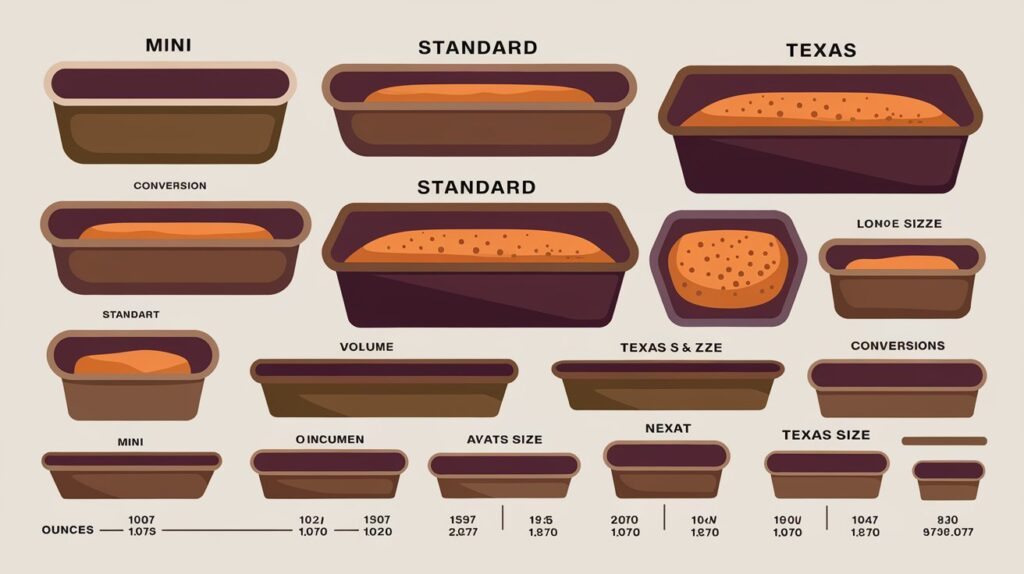
When converting recipes, focus on matching the pan volume to ensure even baking and proper rise. Follow these steps:
- Identify the Original Pan Size: Determine the dimensions or volume of the pan specified in the recipe.
- Measure Your Available Pan: Compare your pan’s volume with the original. Use the formula mentioned above if necessary.
- Adjust Ingredients Proportionally: Scale the ingredient amounts based on the volume ratio between the two pans.
- Monitor Baking Time: Smaller pans may bake faster, while larger pans might require additional time. Always check for doneness using a toothpick or cake tester.
Loaf Pan Conversion Chart
Use the chart below as a guideline to convert between different loaf pan sizes:
| Loaf Pan Size (inches) | Approximate Volume (cups) | Common Uses & Notes |
|---|---|---|
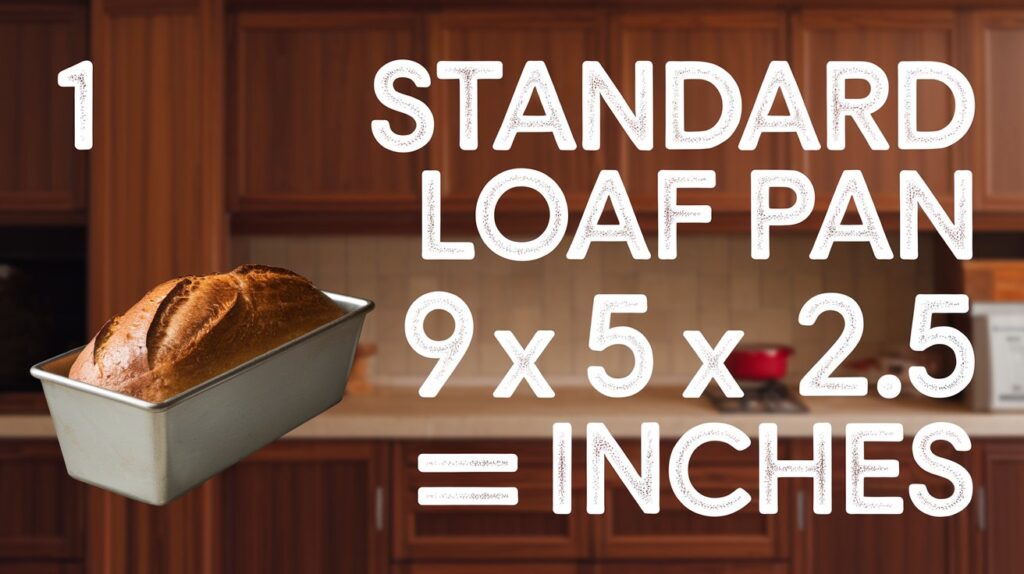
| 8.5 x 4.5 x 2.75 | ~10 cups | Standard Loaf Pan – Great for everyday bread or quick breads |
| 9 x 5 x 3 | ~12 cups | Slightly Larger Pan – Ideal for richer, denser recipes |
| 7 x 3.75 x 2.5 | ~7 cups | Mini Loaf Pan – Perfect for individual portions or small treats |
| 8 x 4 x 2.5 | ~8 cups | Small Loaf Pan – Suitable for smaller batches |
| 10 x 5 x 3 | ~15 cups | Extra-Large Loaf Pan – Excellent for large recipes or holiday baking |
Note: These volumes are approximate. Always check your pan dimensions and adjust your recipe accordingly.
Factors to Consider Beyond Volume
While volume is key, there are other factors to keep in mind when converting recipes for different loaf pans:
Pan Material
- Metal Pans: Conduct heat quickly, often requiring a slightly shorter baking time.
- Glass Pans: Hold heat longer and may bake food more evenly but can overbake if not monitored.
- Silicone Pans: Offer even heat distribution but may need longer baking times due to their flexible nature.
Pan Shape and Depth
- Shape Variations: Some pans might have rounded corners or unique designs, affecting how the batter spreads.
- Depth Differences: A deeper pan may require a longer baking time to ensure the center is fully cooked.
Advanced Tips for Recipe Conversions
Scaling Recipes Accurately
- Proportional Adjustment: Calculate the ratio of the new pan’s volume to the original, and multiply each ingredient accordingly.
- Batter Consistency: If your batter appears too thick or too runny after scaling, adjust with small amounts of liquid or flour to achieve the desired consistency.
Monitoring Baking Time
- Start Early: Check your baked good 5–10 minutes before the recommended time.
- Use a Toothpick: Insert a toothpick into the center; if it comes out clean or with a few crumbs, your bake is done.
Troubleshooting Common Issues
- Batter Overflow: Always fill your pan only about 2/3 full to allow room for rising.
- Uneven Baking: Rotate your pan halfway through the baking time if your oven heats unevenly.
- Adjusting for Altitude: If you’re baking at high altitudes, you might need to modify both ingredient quantities and baking times.
Frequently Asked Questions
How Do I Know Which Loaf Pan Size to Use?
Compare the volume of your available pan with the recipe’s recommended volume. If they differ, adjust the ingredient amounts using the conversion chart as a reference.
Can I Substitute a Different Loaf Pan?
Yes. Whether you’re using a mini, standard, or extra-large loaf pan, use the chart to match the volume as closely as possible. Be prepared to adjust the baking time and temperature slightly based on the pan’s material and depth.
What If My Batter Overflows or Is Too Shallow?
- Overflow: Only fill your pan about 2/3 full to prevent spills.
- Too Shallow: If your batter is too thin for a larger pan, consider doubling the recipe or choosing a smaller pan.
How Do Pan Materials Affect Baking?
- Metal vs. Glass: Metal pans conduct heat faster, potentially reducing baking time, whereas glass pans retain heat longer, which might lead to a more even bake but a risk of overbrowning.
Conclusion
A reliable loaf pan conversion chart is an indispensable tool for any baker. By understanding your pan’s dimensions, the differences in materials, and using our conversion guidelines, you can confidently adapt recipes to suit your available equipment. Whether you’re baking for a family gathering or a special event, these tips will help you achieve a perfectly baked loaf every time.
By mastering these conversion techniques and troubleshooting tips, you not only elevate your baking skills but also enhance your online content’s value—boosting your search rankings and providing readers with practical, actionable advice. Happy baking!
