
Are you struggling to find the right size when cooking linguine noodles with eggs? Getting the perfect balance can be tricky, especially if you want your dish to look and taste just right.
This linguine noodles with egg size chart will help you nail the perfect portion every time. Whether you’re cooking for yourself or a group, knowing the exact measurements makes your meal easier to prepare and more enjoyable to eat. Keep reading to discover the simple size guide that will transform your cooking and impress anyone at your table.
Linguine Noodles Basics
Linguine noodles are a popular type of Italian pasta. They have a flat, narrow shape, similar to fettuccine but thinner. This shape helps sauces cling well to the noodles. Many cooks enjoy linguine for its texture and ability to hold flavors.
Understanding linguine noodles helps in choosing the right size. The egg size chart for linguine guides how thick or thin the noodles are. This knowledge improves cooking results and recipe success.
What Makes Linguine Unique
Linguine is unique because of its shape. It is longer and flatter than spaghetti but not as wide as fettuccine. This flat shape creates more surface area. More surface means better sauce absorption and a richer taste.
The texture of linguine is firm yet tender when cooked right. It holds its shape well. This makes it a favorite for many pasta dishes.
Common Uses In Recipes
Linguine works well with light to medium sauces. It pairs nicely with olive oil, garlic, and seafood sauces. Classic dishes include linguine with clam sauce and pesto.
It also suits creamy sauces and vegetable-based recipes. The noodle shape supports a balanced mix of pasta and sauce. This makes every bite flavorful and satisfying.
Egg Sizes Explained
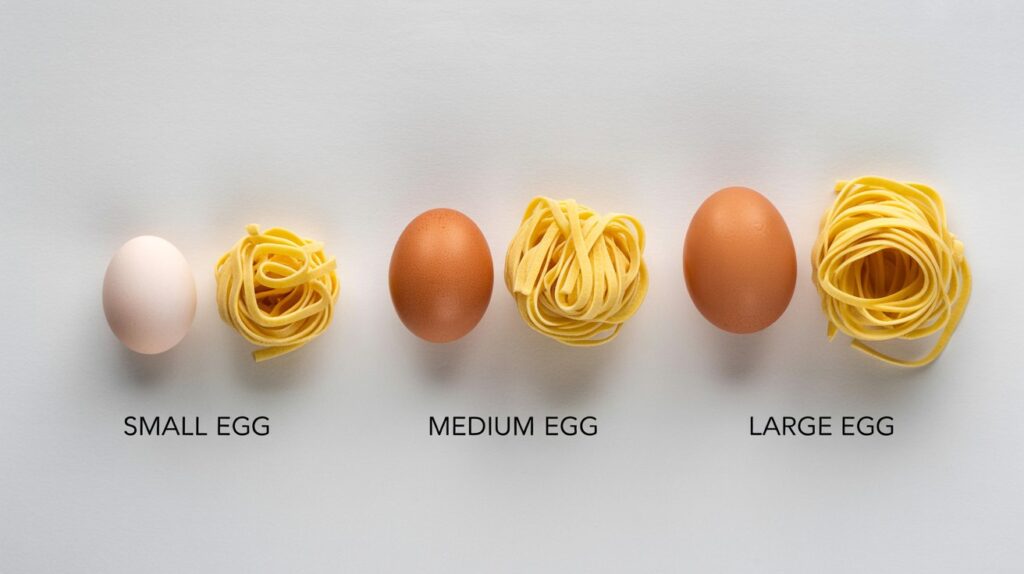
Egg size plays a key role in making linguine noodles. Different egg sizes can change the dough’s texture and consistency. Understanding egg sizes helps you get the perfect pasta dough every time.
Each egg size has a specific weight and volume. This affects how much flour you need. Using the right egg size keeps your dough balanced. It stops the dough from being too dry or too wet.
| Egg Size | Avg Egg Weight | Flour Needed | Linguine Yield (Fresh) | Serves | Best Use |
|---|---|---|---|---|---|
| Small | 38–42 g | 80 g flour | ~120 g pasta | 1 (light) | Thin sauces, light meals |
| Medium | 44–49 g | 100 g flour | ~150 g pasta | 1 | Everyday dishes |
| Large | 50–56 g | 120 g flour | ~180 g pasta | 1–2 | Standard linguine recipes |
| Extra-Large | 57–63 g | 135 g flour | ~210 g pasta | 2 | Hearty portions |
| Jumbo | 64–70 g | 150 g flour | ~240 g pasta | 2–3 | Family-style cooking |
Standard Egg Size Categories
Eggs come in several standard sizes. These include small, medium, large, extra-large, and jumbo. Large eggs are the most common size for recipes. A large egg usually weighs about 50 grams.
Small eggs weigh less, around 40 grams. Extra-large and jumbo eggs weigh more, up to 70 grams. Knowing these sizes helps you measure eggs correctly for pasta dough.
How Egg Size Affects Pasta Dough
The size of the egg changes the dough’s moisture. A larger egg adds more liquid to the mix. This makes the dough softer and easier to work with.
Smaller eggs add less moisture, so the dough can become dry. You may need to add a little water or oil. Adjusting ingredients keeps the dough smooth and stretchy.
Using the right egg size keeps your linguine noodles consistent. It helps you avoid dough that is too sticky or crumbly. This balance is key for great homemade pasta.
Egg Size Chart For Pasta
Egg size plays a key role in pasta making. Different egg sizes change the dough’s moisture and texture. Using the right egg size keeps your linguine noodles perfect every time. Understanding egg sizes helps you adjust recipes correctly. This guide breaks down the egg size chart for pasta.
Measurements For Each Egg Size
Eggs come in various sizes, each with a different weight. Here are common egg sizes and their average weights:
- Small: 38 grams
- Medium: 44 grams
- Large: 50 grams
- Extra Large: 56 grams
- Jumbo: 63 grams
Recipes usually call for large eggs, weighing about 50 grams each. Using smaller or bigger eggs changes the dough’s moisture level. Measuring eggs by weight gives better accuracy than counting eggs.
Adjusting Dough Recipes By Egg Size
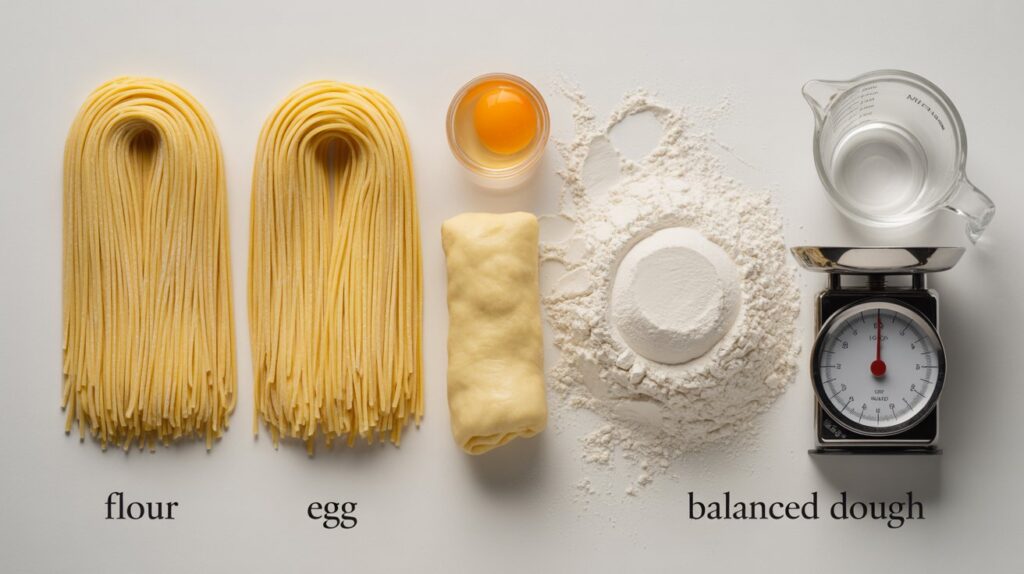
Start with the recipe’s egg size as a base. If using smaller eggs, add a little extra egg or water. Bigger eggs may need less liquid to balance the dough. For every 10 grams difference, adjust flour or liquid by about 10%. Keep dough firm but pliable. This method keeps your linguine noodles consistent in texture and taste.
Making Linguine With Different Egg Sizes
Making linguine with different egg sizes changes the pasta dough texture. Eggs add moisture and fat to the dough. Adjusting dough ingredients helps keep the right balance. Using the correct egg size improves the dough’s elasticity and taste. Each egg size needs slight changes in flour amount. This section guides you on making linguine dough using small, medium, and large eggs.
Small Egg Pasta Dough Tips
Small eggs have less liquid than medium or large eggs. Use about 80 grams of flour for each small egg. Add a little water if the dough feels dry. Knead well until the dough is smooth and elastic. Rest the dough for 30 minutes before rolling. This helps the flour absorb the egg fully.
Medium Egg Pasta Dough Tips
Medium eggs are the most common size for pasta dough. Use roughly 100 grams of flour per medium egg. Mix flour and egg gently to form a firm dough. If the dough feels sticky, add a little flour. Let the dough rest to develop texture and flavor. This makes rolling and shaping easier.
Large Egg Pasta Dough Tips
Large eggs have more liquid than small or medium eggs. Use about 120 grams of flour for each large egg. Watch the dough texture closely while mixing. Add flour slowly to avoid a dry dough. Resting the dough for 30 to 45 minutes improves elasticity. This creates smooth, perfect linguine strands.
Troubleshooting Dough Consistency
Getting the right dough consistency is key to perfect linguine noodles. The dough should be soft but not sticky. It needs to hold together well and stretch without tearing. Many beginners find this step tricky. Small changes in flour or egg size can change the dough texture a lot.
This section helps you solve common dough problems. Follow these tips to fix your dough and make great linguine every time.
Too Dry Or Too Wet Dough
Dough that feels dry cracks and breaks easily. It does not stretch well. Dry dough usually means not enough liquid or too much flour. On the other side, wet dough sticks to hands and surfaces. It is hard to shape and work with. Wet dough may have too much egg or water.
Test the dough by pressing it gently. If it crumbles, it is dry. If it sticks and feels gooey, it is too wet. The dough should be smooth and elastic. It should bounce back when pressed.
Adjusting Flour And Egg Ratios
Fix dry dough by adding a small amount of beaten egg or water. Add just a teaspoon at a time. Knead well before adding more. Avoid adding too much liquid at once.
For wet dough, sprinkle flour slowly. Mix and knead after each addition. Stop adding flour as soon as dough feels less sticky. Keep the balance between flour and egg consistent.
Different egg sizes affect dough moisture. Large eggs add more liquid, small eggs less. Use the egg size chart to match flour amounts. This helps keep dough texture right for linguine noodles.
Cooking Perfect Linguine
Cooking perfect linguine noodles requires attention to detail. The texture and taste depend on how you cook them. Using the right boiling time and cooking method makes all the difference. Follow simple steps to get the best results every time.
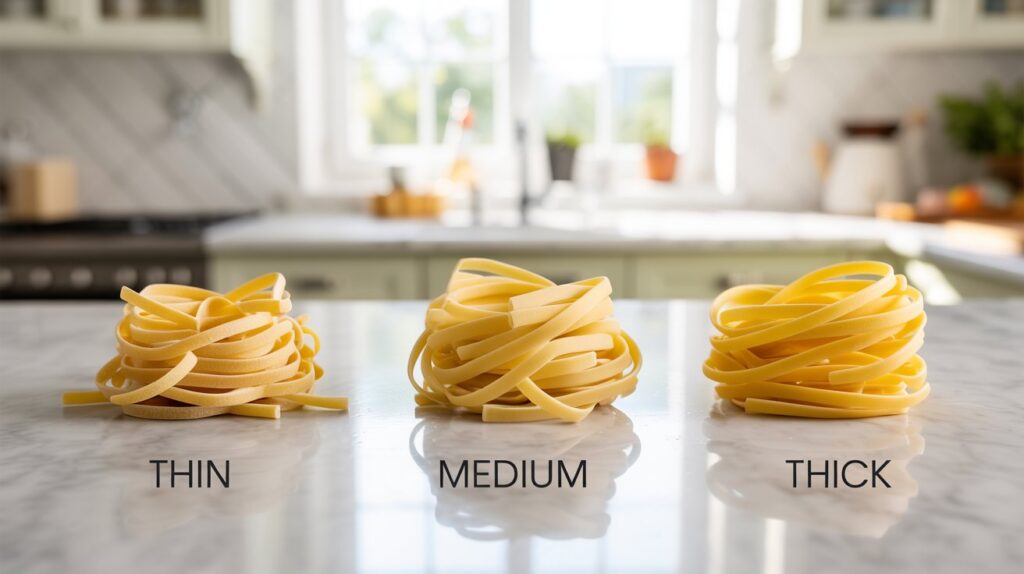
Keep in mind the size of the linguine. Thicker noodles need more time to cook than thin ones. Knowing the right boiling time helps avoid mushy or hard pasta. Let’s explore key tips for cooking linguine just right.
Boiling Times Based On Thickness
Thin linguine cooks quickly, usually in 6 to 8 minutes. Medium thickness noodles need about 8 to 10 minutes. Thick linguine can take 10 to 12 minutes or more. Always check the package for exact times.
Boil water with enough salt before adding noodles. Stir gently to prevent sticking. Taste noodles a minute before the time ends. This helps check if they are soft but still firm inside.
Tips For Al Dente Texture
Al dente means the noodles are cooked but still firm. Drain the pasta a little early to keep this texture. Save some pasta water to adjust sauce thickness.
Rinse only if you plan to use noodles in a cold dish. Otherwise, skip rinsing to keep the starch that helps sauce stick. Toss linguine with sauce quickly after draining for best flavor.
Storing And Reusing Dough
Storing and reusing linguine dough helps save time and reduces waste. Proper storage keeps dough fresh and ready for later use. It also helps maintain the dough’s texture and taste. Understanding the best ways to store and reuse dough improves your cooking experience.
Freezing Fresh Pasta
Freeze fresh linguine dough to use it later. Wrap the dough tightly in plastic wrap. Place it in an airtight container or freezer bag. Label with the date to track freshness. Freeze dough for up to two months. Avoid freezing dough for too long to prevent texture loss.
Thawing And Cooking Tips
Thaw frozen dough in the refrigerator overnight. Avoid thawing at room temperature to stop bacteria growth. Roll out the dough gently after thawing. Cook linguine noodles in boiling water for 2 to 4 minutes. Watch carefully to avoid overcooking. Use fresh sauce to enhance flavor after cooking.
Common Mistakes To Avoid
Making linguine noodles with eggs requires careful attention to detail. Mistakes can change the dough’s texture and taste. Knowing common errors helps you get better results every time.
Overusing Eggs In Dough
Adding too many eggs makes the dough sticky and hard to work with. It can also make noodles heavy and chewy. Stick to the right egg amount for smooth, elastic dough. Use the egg size chart to measure eggs properly. Too much egg can ruin the noodle’s texture.
Ignoring Egg Size Variations
Egg sizes differ from small to extra-large. Using the wrong size changes the dough’s moisture and consistency. Always check the egg size before starting. Adjust the recipe if eggs are larger or smaller than called for. This step avoids dough that is too wet or dry.
Frequently Asked Questions
What Is The Ideal Egg Size For Linguine Noodles?
The ideal egg size for linguine noodles is large eggs. Large eggs provide the perfect balance of moisture and protein. This ensures the dough has a smooth texture and elasticity. Using large eggs helps achieve the best pasta consistency and cooking results.
How Does Egg Size Affect Linguine Dough Texture?
Egg size affects dough moisture and firmness. Larger eggs add more liquid, making dough softer and elastic. Smaller eggs might cause dry, crumbly dough. Adjusting egg size helps maintain the right dough texture for easy rolling and cooking.
Can I Substitute Egg Sizes In Linguine Recipes?
Yes, you can substitute egg sizes by adjusting liquid content. For smaller eggs, add a bit of water or yolk. For larger eggs, reduce extra liquid slightly. This maintains dough consistency and prevents it from becoming too wet or dry.
Why Is An Egg Size Chart Useful For Linguine?
An egg size chart ensures precise ingredient ratios. It helps you choose the right egg size for consistent dough quality. This prevents texture issues and improves pasta-making success. Using a chart saves time and reduces guesswork in recipes.
Conclusion
Understanding the linguine noodles with egg size chart helps in cooking better meals. It guides you to choose the right noodle size easily. Knowing egg sizes also improves your recipe results. This simple chart saves time and avoids confusion. Enjoy cooking with clear and helpful information.
Try different sizes to find what you like best. Cooking becomes fun and less stressful this way. Keep the chart handy for quick reference anytime.
