

A Keto Serving Size Chart helps individuals manage their macronutrient intake effectively. It provides clear measurements for various foods to maintain ketosis.
The ketogenic diet emphasizes low carbohydrate intake while increasing fats and moderate proteins. For many, understanding serving sizes is crucial to achieving weight loss and health goals. This chart serves as a valuable tool, allowing users to easily visualize and track their food consumption.
Adhering to proper serving sizes ensures that you stay within your daily carb limits, promoting fat burning and energy stability. Whether you’re a beginner or a seasoned keto follower, knowing exact serving sizes can simplify meal planning. Use this guide to make informed choices and optimize your ketogenic journey.
Keto Basics: Macros And Calories
The ketogenic diet focuses on reducing carbs and increasing fats. Understanding macronutrients and caloric intake is crucial for success. This section breaks down the key components for a balanced keto meal plan.
Breaking Down Macros
Macros are essential for a keto diet. They include:
- Fats: 70-80% of total calories
- Proteins: 20-25% of total calories
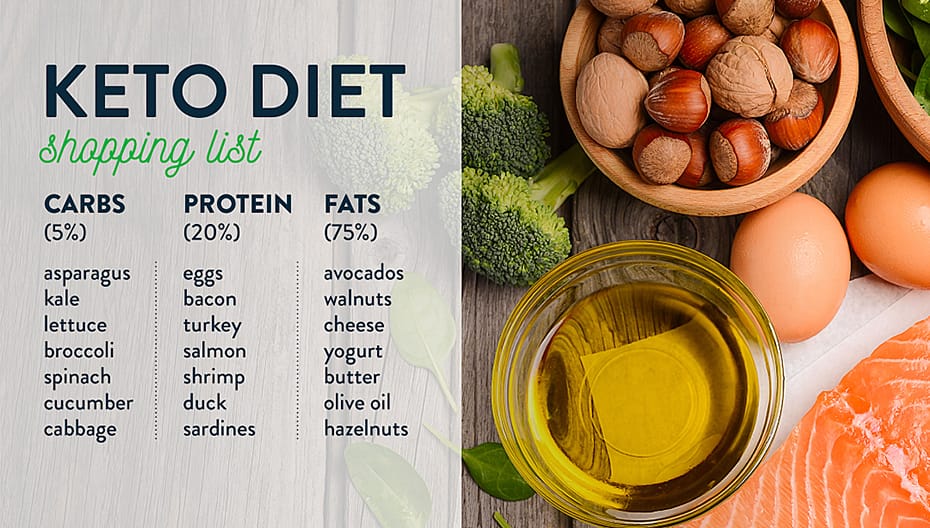
- Carbohydrates: 5-10% of total calories
Here’s a simple breakdown:
| Macronutrient | Percentage | Calories per gram |
|---|---|---|
| Fats | 70-80% | 9 |
| Proteins | 20-25% | 4 |
| Carbohydrates | 5-10% | 4 |
Tracking these macros helps maintain ketosis. It ensures your body burns fat for energy.
Caloric Intake On Keto
Caloric intake varies for everyone. Factors include age, weight, and activity level. A general guideline for keto is:
- Calculate your Basal Metabolic Rate (BMR): This is the calories burned at rest.
- Factor in activity level: Multiply your BMR by a factor based on activity.
- Adjust for weight goals: Subtract or add calories for weight loss or gain.
Use this formula:
Calories = BMR x Activity Level
For effective weight loss, aim to create a caloric deficit. Focus on high-quality fats and moderate protein. This keeps you full and satisfied while supporting your health.
Keto Serving Size Essentials
Understanding Keto serving sizes is crucial for success on the ketogenic diet. Proper portion control helps maintain ketosis and manage your daily macros. Knowing how to read serving sizes can enhance your meal planning.
Portion Sizes Vs. Serving Sizes
Many confuse portion sizes with serving sizes. Here’s the difference:
- Serving Size: The recommended amount listed on packaging.
- Portion Size: The amount you choose to eat.
Portion sizes can vary greatly. Here’s a quick guide:
| Food Item | Serving Size | Typical Portion Size |
|---|---|---|
| Avocado | 1/2 medium | 1 whole |
| Almonds | 1 oz (about 23 nuts) | 2 oz (about 46 nuts) |
| Cheese | 1 oz | 2 oz |
Reading Nutrition Labels
Nutrition labels provide essential information. Pay attention to:
- Serving Size: Always check this first.
- Calories: Calculate calories based on your needs.
- Net Carbs: Subtract fiber from total carbs.
Follow these steps for effective label reading:
- Locate the serving size at the top.
- Check the total carbs and fiber content.
- Identify protein and fat amounts.
- Adjust your portion based on your daily goals.
Understanding serving sizes helps maintain a successful Keto lifestyle. Knowledge leads to better choices.
Fats On Keto: Quality And Quantity
Understanding fats on the keto diet is crucial. Focus on both quality and quantity. Healthy fats provide energy and nutrients. Not all fats are equal, so choose wisely.
Healthy Fats For Keto
Healthy fats are key to a successful keto diet. They help maintain energy levels and support overall health. Here are some top choices:
- Avocados: Rich in monounsaturated fats.
- Olive Oil: Great for cooking and salads.
- Coconut Oil: Contains medium-chain triglycerides (MCTs).
- Butter: Opt for grass-fed varieties.
- Nuts and Seeds: Almonds, walnuts, chia, and flaxseeds.
- Fatty Fish: Salmon and mackerel are excellent sources.
Measuring Your Fats
Measuring fats ensures proper intake on keto. Use the following guidelines:
| Type of Fat | Serving Size | Calories |
|---|---|---|
| Avocado | 1 medium | 240 |
| Olive Oil | 1 tablespoon | 120 |
| Coconut Oil | 1 tablespoon | 120 |
| Butter | 1 tablespoon | 100 |
| Nuts | 1 ounce | 160-200 |
| Fatty Fish | 3 ounces | 200-300 |
Tracking these values helps maintain a balanced keto plan. Adjust servings based on personal goals and activity levels. Remember, quality fats nourish the body effectively.
Credit: thinlicious.com
Protein: Building Blocks Of Keto
Protein plays a vital role in the Keto diet. It helps build and repair tissues. Protein also supports muscle growth. Consuming the right amount of protein is crucial for success on Keto. It keeps you feeling full and satisfied.
Amino Acids In Focus
Amino acids are the building blocks of protein. They are essential for many body functions. Here are the key types:
- Essential Amino Acids: Must be obtained from food.
- Non-Essential Amino Acids: Can be made by the body.
- Branched-Chain Amino Acids (BCAAs): Important for muscle health.
In a Keto diet, focus on high-quality protein sources. These sources provide all essential amino acids.
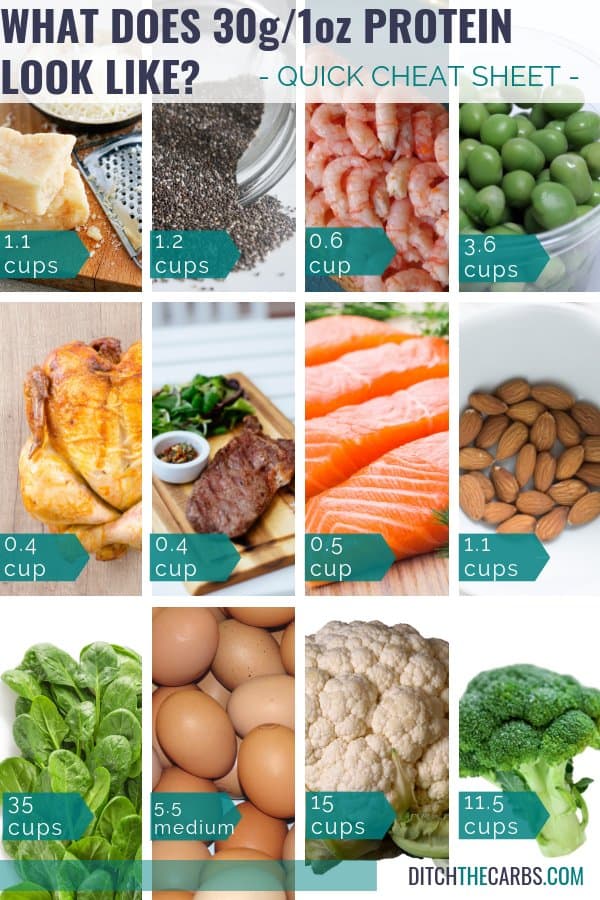
Protein Serving Sizes
Understanding protein serving sizes helps you stay on track. Here’s a simple chart for common protein sources:
| Protein Source | Serving Size | Protein Content |
|---|---|---|
| Chicken Breast | 3 oz | 26 g |
| Salmon | 3 oz | 22 g |
| Eggs | 2 large | 12 g |
| Tofu | ½ cup | 20 g |
| Ground Beef | 3 oz | 22 g |
Monitor your protein intake. Adjust serving sizes based on your goals. Aim for moderate protein consumption to stay in ketosis.
Carbohydrates: The Keto Limit
The ketogenic diet focuses on low carb intake. This helps the body enter ketosis. In ketosis, the body burns fat for energy. Understanding your carbohydrate limit is crucial for success.
Most people on keto aim for 20 to 50 grams of net carbs daily. Staying within this limit helps maintain ketosis. Below, we will explore how to calculate net carbs and the best vegetable servings.
Net Carbs Calculation
Net carbs are total carbohydrates minus fiber and certain sugar alcohols. Here’s how to calculate net carbs:
- Find the total carbohydrates in your food.
- Subtract dietary fiber.
- Subtract sugar alcohols (if applicable).
This formula gives you the net carbs. For example:
| Food Item | Total Carbs | Fiber | Sugar Alcohols | Net Carbs |
|---|---|---|---|---|
| Avocado (1 medium) | 12g | 10g | 0g | 2g |
| Broccoli (1 cup) | 6g | 2g | 0g | 4g |
| Cauliflower (1 cup) | 5g | 2g | 0g | 3g |
Vegetable Servings On Keto
Choosing the right vegetables is essential. Non-starchy vegetables are best. Here’s a list of popular options:
- Spinach
- Kale
- Zucchini
- Bell Peppers
- Asparagus
Stick to around 2 to 3 servings of these veggies daily. This helps maintain your carb limit and provides essential nutrients.
Remember, focus on portion sizes. Use a food scale for accuracy. Enjoy your veggies while keeping carbs low!
Keto-friendly Foods Serving Chart
The Keto diet focuses on low-carb, high-fat foods. Knowing the right serving sizes helps maintain ketosis. Here’s a quick guide to Keto-friendly foods and their serving sizes.
Dairy And Eggs
Dairy and eggs are great sources of fat and protein. They fit perfectly into the Keto plan. Here’s a simple chart:
| Food Item | Serving Size | Carbs (g) |
|---|---|---|
| Cheese (Cheddar) | 1 oz | 0.4 |
| Greek Yogurt (Full-fat) | 1/2 cup | 5 |
| Eggs | 1 large | 0.6 |
Nuts And Seeds
Nuts and seeds provide healthy fats. They are low in carbs and high in fiber. Check out the serving sizes:
- Almonds: 1 oz (6 carbs)
- Chia Seeds: 1 oz (2 carbs)
- Walnuts: 1 oz (4 carbs)
Meats And Seafood
Meats and seafood are excellent protein sources. They contain minimal carbs. Here’s a serving size chart for these foods:
| Food Item | Serving Size | Carbs (g) |
|---|---|---|
| Chicken Breast | 3 oz | 0 |
| Salmon | 3 oz | 0 |
| Ground Beef | 3 oz | 0 |
Serving Size Adjustments For Weight Goals
Understanding how to adjust your serving sizes is crucial for your keto journey. Proper portion control helps you meet your weight goals. Whether you aim for weight loss, maintenance, or gaining weight, knowing the right serving sizes can make all the difference.
Weight Loss On Keto
When your goal is weight loss, focus on reducing your serving sizes. This helps create a calorie deficit. Here are some tips to adjust your portions:
- Start with smaller portions of protein and fats.
- Use a food scale for precise measurements.
- Track your meals using a food diary or app.
Consider this keto serving size chart:
| Food Item | Standard Serving Size | Weight Loss Serving Size |
|---|---|---|
| Avocado | 1 medium (200g) | 1/2 medium (100g) |
| Chicken Breast | 1 piece (150g) | 1/2 piece (75g) |
| Olive Oil | 2 tablespoons (30ml) | 1 tablespoon (15ml) |
Maintaining And Gaining Weight
For maintaining or gaining weight, adjust your serving sizes accordingly. Increase portions to ensure adequate calorie intake. Here’s how to adjust your servings:
- Choose larger portions of protein and healthy fats.
- Add snacks between meals, like nuts or cheese.
- Include calorie-dense foods like nut butter.
Use this keto serving size chart for maintenance and gain:
| Food Item | Standard Serving Size | Maintenance/Gain Serving Size |
|---|---|---|
| Avocado | 1 medium (200g) | 1 medium (200g) |
| Chicken Breast | 1 piece (150g) | 1 piece (150g) |
| Olive Oil | 2 tablespoons (30ml) | 3 tablespoons (45ml) |
These adjustments help you stay on track with your keto goals.
Meal Planning And Prep For Keto Success
Meal planning is essential for a successful ketogenic diet. It helps maintain your macronutrient ratios. Proper prep saves time and keeps you on track. With a solid plan, you’ll enjoy delicious meals without stress.
Creating A Keto Meal Plan
Start by outlining your weekly meals. Focus on low-carb foods high in healthy fats. Here’s a simple approach:
- Choose a protein source: chicken, beef, or fish.
- Select low-carb vegetables: spinach, broccoli, or zucchini.
- Include healthy fats: olive oil, avocado, or nuts.
- Plan snacks: cheese, hard-boiled eggs, or pork rinds.
Use this simple Keto Meal Plan Template:
| Day | Breakfast | Lunch | Dinner |
|---|---|---|---|
| Monday | Scrambled eggs with spinach | Grilled chicken salad | Salmon with asparagus |
| Tuesday | Avocado smoothie | Beef stir-fry | Zucchini noodles with pesto |
| Wednesday | Bacon and eggs | Cauliflower rice bowl | Stuffed bell peppers |
Prepping Keto Meals
Meal prep saves time and ensures you follow your plan. Here are some effective tips:
- Cook proteins in bulk. Store in the fridge or freezer.
- Chop vegetables ahead of time. Keep them in airtight containers.
- Prepare sauces and dressings. They add flavor and variety.
- Use portion control. Use containers to measure servings.
Try these meal prep ideas:
- Make keto-friendly casseroles. They freeze well.
- Prepare salads in jars. Keep dressing separate to avoid sogginess.
- Batch-cook soups or stews. They are easy to reheat.
With a solid meal plan and effective prep, you will enjoy keto success. Stick to your plan and watch your goals become reality!
Tracking And Tweaking Your Servings
Keeping track of your servings is crucial for success on the keto diet. Accurate tracking helps maintain your ketosis state. Adjusting your servings can optimize your results. Let’s explore effective methods for tracking and tweaking your portions.
Using Apps And Journals
Many tools help you track your food intake. Apps and journals are popular choices. They simplify monitoring your servings. Here are some options:
- MyFitnessPal: Great for tracking calories and macros.
- KetoDiet: Focused on keto-specific foods.
- Carb Manager: Excellent for carb tracking.
Using a journal can be effective too. Write down everything you eat. Include serving sizes and times. This method increases awareness of your eating habits.
Adjusting Servings For Ketosis
Fine-tuning your servings helps maintain ketosis. Start with standard serving sizes. Adjust based on your body’s response. Here are some tips:
- Measure your food using a scale.
- Track your ketone levels regularly.
- Modify your servings if you notice weight gain.
Sample serving sizes for common keto foods:
| Food Item | Serving Size | Net Carbs |
|---|---|---|
| Avocado | 1 medium | 2g |
| Chicken Breast | 4 oz | 0g |
| Broccoli | 1 cup | 4g |
| Almonds | 1 oz | 2g |
Pay attention to how your body reacts. Adjust servings to fit your needs. This approach keeps you on track and supports your keto journey.

Credit: www.thelittlepine.com
Common Mistakes And Solutions
Many people face challenges with the keto diet. Misunderstanding portion sizes leads to common mistakes. Knowing these mistakes helps improve your keto journey. Here are two common issues and their solutions.
Misjudging Portion Sizes
Portion sizes are crucial on a keto diet. Many underestimate the amount of food they eat. This can lead to higher carb intake.
- Using standard serving sizes: Many foods have specific serving sizes. Always check the labels.
- Eyeballing portions: Guessing can be inaccurate. Use measuring cups or a scale.
- Ignoring hidden carbs: Some foods contain hidden carbs. Check all ingredients carefully.
Keep a food diary. Write down everything you eat. This helps track portion sizes accurately.
Correcting Imbalances
A common mistake is not balancing fats, proteins, and carbs. An imbalanced diet can disrupt ketosis. Focus on getting the right ratios.
| Nutrient | Recommended Ratio |
|---|---|
| Fats | 70-75% |
| Proteins | 20-25% |
| Carbohydrates | 5-10% |
Consider these tips to correct imbalances:
- Plan meals ahead of time.
- Use apps to track nutrients.
- Consult a nutritionist for guidance.
Stay informed about your food choices. This helps maintain a balanced keto diet.
Eating Out On Keto: Navigating Menus
Eating out on a keto diet can be challenging. Menus are often filled with high-carb options. Knowing how to choose wisely makes dining easier. Use this guide to navigate restaurant menus effectively.
Choosing Keto-friendly Options
Look for dishes that fit your keto lifestyle. Focus on protein and healthy fats. Here are some tips:
- Opt for grilled or roasted proteins.
- Choose salads with olive oil or vinegar dressing.
- Avoid breaded or fried items.
- Skip sugary sauces and dressings.
- Order sides like vegetables or avocado.
Many restaurants offer customizable options. Don’t hesitate to ask for changes. Request no bread or extra vegetables instead.
Estimating Serving Sizes
Portion sizes vary at different restaurants. Use these guidelines to estimate:
| Food Type | Estimated Serving Size | Keto-Friendly? |
|---|---|---|
| Grilled Chicken | 4-6 oz | Yes |
| Steak | 6-8 oz | Yes |
| Salad (without croutons) | 1-2 cups | Yes |
| French Fries | 1 cup | No |
| Cheese | 1 oz | Yes |
Visualize portion sizes using your hand. A palm-sized portion is about 3-4 oz. A fist-sized portion is roughly 1 cup.
When eating out, stay aware of hidden carbs. Make informed choices for a successful keto experience.
Sustainable Keto: Long-term Considerations
Following a Keto diet can lead to quick results. Long-term success requires careful planning. Focus on sustainable habits to maintain your health. Consider your diet diversity and listen to your body.
Dietary Diversity
A diverse diet supports overall health. It helps prevent nutrient deficiencies. Include a variety of foods within your Keto guidelines.
- Leafy greens: Spinach, kale, and arugula.
- Healthy fats: Avocados, nuts, and olive oil.
- Protein sources: Fish, chicken, and eggs.
- Dairy: Cheese, yogurt, and butter.
Try to rotate your food choices. This keeps meals interesting. A diverse menu improves nutrient intake.
Listening To Your Body
Pay attention to your body’s signals. Hunger, energy levels, and cravings matter. Adjust your Keto approach based on these cues.
- Eat when you feel hungry.
- Stop when you feel satisfied.
- Track how different foods affect your energy.
Use a journal to note your feelings. This helps identify patterns. Make changes based on your observations.
Stay aware of your body’s needs. Sustainable Keto means adapting over time. Enjoy the journey toward better health.
Credit: www.nutritionnews.abbott
Frequently Asked Questions
What Are Correct Portion Sizes For Keto?
Correct portion sizes for keto typically include 70-75% fats, 20-25% protein, and 5-10% carbohydrates. Focus on healthy fats like avocados and olive oil. For protein, opt for lean meats and fish. Non-starchy vegetables should fill up the remaining space on your plate.
Adjust based on personal goals and activity levels.
What Is A Serving Size Of Meat On Keto?
A typical serving size of meat on a keto diet is about 3 to 6 ounces. This amount provides adequate protein while keeping carbs low. Adjust portions based on individual goals and activity levels. Prioritize high-quality, fatty cuts to maintain ketosis effectively.
How Much Should I Be Eating On Keto?
On a keto diet, aim for 70-75% of your daily calories from fat, 20-25% from protein, and 5-10% from carbohydrates. Individual needs vary based on activity level, age, and weight. Use a macro calculator to find your specific requirements for optimal results.
Is 20g Or 50g Ketosis?
Both 20g and 50g of carbohydrates can lead to ketosis, but individual responses vary. Generally, staying below 20g is more effective for rapid ketosis. Experimenting with your intake helps identify what works best for your body. Always consult a professional for personalized advice.
Conclusion
Understanding the right serving sizes is crucial for success on the keto diet. Using a keto serving size chart can simplify meal planning and help maintain ketosis. By keeping track of your portions, you can enjoy delicious foods while achieving your health goals.
Embrace this tool for a balanced and sustainable keto lifestyle.
