

Yes, orange juice can be hydrating, but it’s not as simple as reaching for a glass! While it contains water and electrolytes, its high sugar content can actually hinder hydration if not consumed mindfully. We’ll explore the surprising science behind it and how to enjoy it best.
Have you ever reached for a glass of orange juice on a warm day, thinking you’re giving your body a refreshing boost? It’s a common thought! We associate citrus with sunshine and vitality. But when it comes to hydration, the question of whether orange juice truly quenches our thirst can be a little confusing. Many of us wonder if that sweet, tangy sip is helping or hurting our hydration goals. Don’t worry, we’re here to clear up the mystery! Let’s dive into the truth about orange juice and hydration, and discover how you can enjoy it in a way that truly benefits your body.
Is Orange Juice Hydrating? The Sweet Truth Revealed
Orange juice is a popular beverage, loved for its bright flavor and the perceived health benefits it offers. But is it a reliable source of hydration? The answer is nuanced. While it contains water, which is essential for hydration, it also packs a significant punch of natural sugars. This sugar content is where things get interesting when we talk about how effectively it can rehydrate us.
Understanding hydration is key. Our bodies need water to function, and electrolytes like potassium and sodium help our cells absorb and retain that water. Orange juice does contain some of these beneficial electrolytes, notably potassium. However, the concentration of sugar in typical store-bought or even freshly squeezed orange juice can be quite high. This high sugar concentration can, in some instances, slow down the absorption of water, and in excessive amounts, may even draw water from your cells, having a mild diuretic effect.
So, while orange juice contributes to your fluid intake, it’s not always the most efficient hydrator compared to plain water or specially formulated electrolyte drinks. Think of it this way: water is the express train to hydration, while orange juice is a scenic route with some delicious, but potentially slowing, stops along the way.
The Science of Hydration and Orange Juice
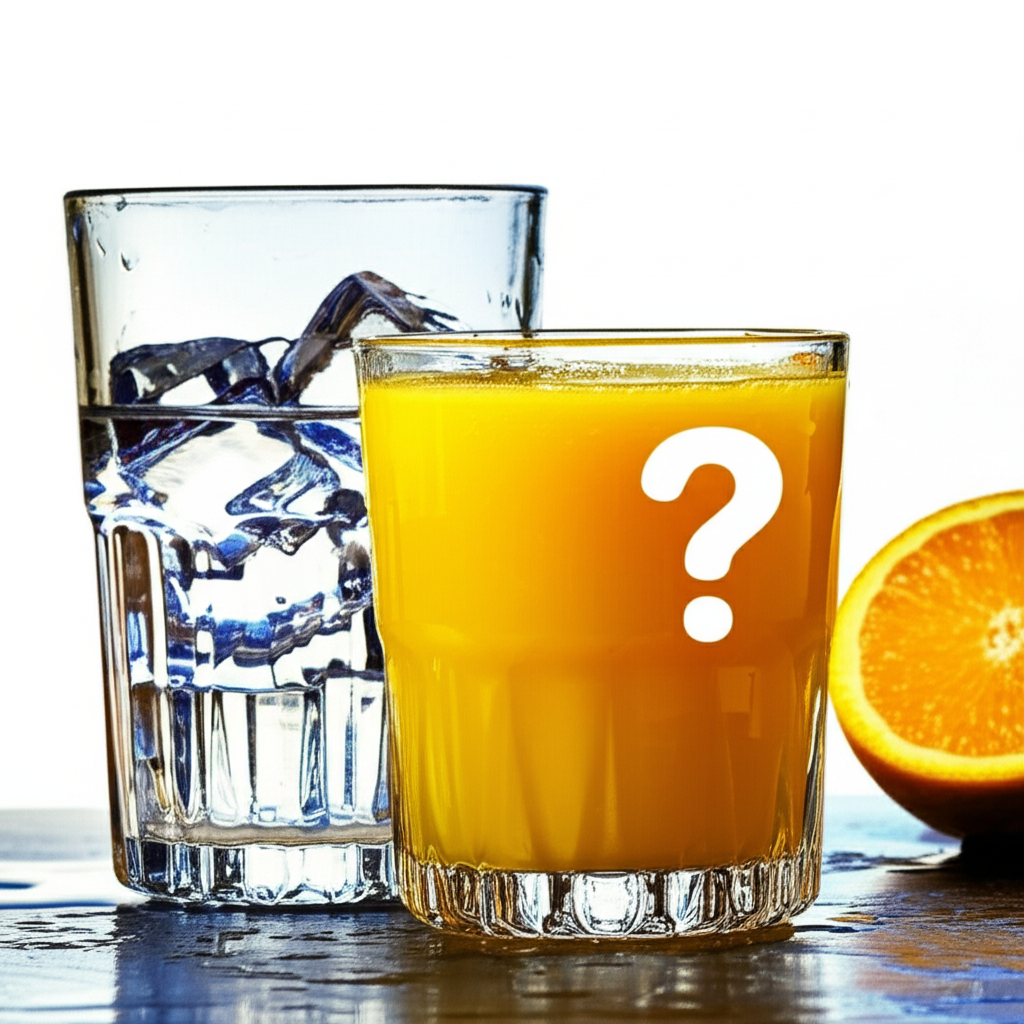
Hydration isn’t just about drinking fluids; it’s about how effectively your body absorbs and utilizes that fluid. Several factors influence this, including the presence of electrolytes and the concentration of sugars or other solutes.
- Water Content: Orange juice is primarily water (around 88% for many brands), which is obviously hydrating.
- Electrolytes: It’s a good source of potassium, an electrolyte crucial for fluid balance and cell function.
- Sugar Content: This is the tricky part. A typical 8-ounce glass of orange juice can contain anywhere from 20-25 grams of sugar. High sugar concentrations in beverages can sometimes slow down gastric emptying and fluid absorption.
- Osmolality: This refers to the concentration of dissolved particles in a fluid. Drinks with high osmolality (like very sugary juices) can potentially draw water from your body to dilute them, which is the opposite of what you want when trying to hydrate.
For optimal hydration, especially after strenuous activity or illness, beverages with a lower solute concentration and a balance of electrolytes are generally recommended. This is why sports drinks are formulated with specific ratios of carbohydrates and electrolytes. While orange juice has some of these elements, its sugar profile often makes it less ideal for rapid rehydration compared to water.
When is Orange Juice a Good Hydrator?
Despite the sugar concerns, orange juice can still play a role in your hydration strategy, especially in specific circumstances:
- As a Flavorful Alternative: If plain water feels boring, a diluted glass of orange juice can make drinking fluids more appealing, encouraging you to consume more overall.
- Post-Exercise (in moderation): After moderate exercise, the carbohydrates in orange juice can help replenish glycogen stores, and the potassium can aid in electrolyte balance. However, for intense or prolonged exercise, a dedicated sports drink or water with added electrolytes is usually better.
- During Illness: When you might be losing fluids and electrolytes due to vomiting or diarrhea, the fluids and potassium in orange juice can be beneficial. It’s often easier to tolerate than plain water for some individuals.
- With Meals: Consuming orange juice with food can help mitigate the impact of its sugar on blood sugar levels and may aid in nutrient absorption.
When to Be Cautious with Orange Juice for Hydration
There are times when opting for something other than orange juice for hydration is a better choice:
- Intense or Prolonged Exercise: The sugar content can be too high, potentially leading to energy crashes rather than sustained hydration.
- Managing Blood Sugar: For individuals monitoring their blood sugar, the high sugar content of orange juice can cause rapid spikes.
- When Dehydrated and Needing Rapid Rehydration: Plain water or an oral rehydration solution (ORS) is far more effective for quickly restoring fluid balance. The World Health Organization (WHO) provides guidelines on ORS composition, highlighting the importance of specific electrolyte and sugar ratios for effective rehydration. You can find more information on their guidelines for ORS.
- Before Bed: The sugar can potentially disrupt sleep and contribute to unnecessary calorie intake.
Making Orange Juice Work for You: Hydration Tips
Ready to enjoy orange juice without compromising your hydration goals? Here are some simple, practical tips:
Step-by-Step Guide to Smarter Orange Juice Consumption
- Dilute, Dilute, Dilute! This is the golden rule. Mix your orange juice with an equal or greater amount of water. This instantly lowers the sugar concentration, making it more hydrating and easier on your digestive system. Start with a 1:1 ratio (half juice, half water) and adjust to your taste.
- Choose 100% Juice: Opt for 100% pure orange juice without added sugars or artificial ingredients. This ensures you’re getting the natural benefits without unnecessary additives.
- Be Mindful of Portion Size: Even diluted, it’s easy to overconsume. Stick to a small glass (e.g., 4-6 ounces of diluted juice) as part of your daily fluid intake.
- Listen to Your Body: Pay attention to how you feel after drinking orange juice. If you experience energy spikes and crashes, or feel more thirsty, you might need to dilute it further or switch to water.
- Timing is Everything: Enjoy your diluted orange juice with meals or as a mid-morning treat, rather than relying on it solely for rehydration after intense activity.
- Consider Freshly Squeezed (with caution): Freshly squeezed juice often has a slightly lower sugar concentration than some commercial varieties and retains more natural nutrients. However, it still requires dilution for optimal hydration.
DIY Hydrating Orange Spritzer Recipe
Want a delicious and hydrating treat? Try this simple recipe:
- 1 part 100% orange juice
- 2 parts sparkling water or plain water
- Optional: A few slices of cucumber or a sprig of mint for extra refreshment.
Instructions:
- Fill a glass with ice.
- Pour in the orange juice.
- Top with sparkling water or plain water.
- Add your optional garnishes.
- Stir gently and enjoy!
Orange Juice vs. Other Hydrating Beverages
How does orange juice stack up against other common drinks when it comes to hydration? Let’s take a look:
| Beverage | Water Content | Sugar Content (Approx. per 8oz) | Electrolytes | Hydration Effectiveness | Best For |
|---|---|---|---|---|---|
| Plain Water | 100% | 0g | Minimal | Excellent | Everyday hydration, rapid rehydration |
| 100% Orange Juice | ~88% | 20-25g | Good (Potassium) | Moderate (hindered by high sugar) | Flavorful fluid intake, post-moderate exercise (replenishes glycogen) |
| Sports Drinks | ~90-95% | 14-20g (optimized for absorption) | Excellent (Sodium, Potassium, etc.) | Very Good (especially after intense exercise) | Intense/prolonged exercise, significant fluid/electrolyte loss |
| Coconut Water | ~95% | 6-10g | Excellent (Potassium, Magnesium) | Very Good | Natural electrolyte replenishment, moderate hydration |
| Herbal Tea (unsweetened) | ~100% | 0g | Minimal | Excellent | Everyday hydration, calming effects |
As you can see, while orange juice offers some hydration and electrolytes, it’s not always the top choice for pure fluid replenishment due to its sugar load. Diluting it or choosing beverages like coconut water or unsweetened teas can often be more effective for consistent hydration.
Nutritional Breakdown: What’s Really in Your Orange Juice?
Beyond water and sugar, orange juice offers a range of nutrients, making it a more complex beverage than just a sugary drink. A typical 8-ounce serving of 100% orange juice contains:
- Vitamin C: A powerhouse antioxidant, crucial for immune function and skin health. A single serving often exceeds the daily recommended intake.
- Potassium: As mentioned, important for blood pressure regulation and fluid balance.
- Folate (Vitamin B9): Essential for cell growth and development.
- Flavonoids: Plant compounds that may have antioxidant and anti-inflammatory properties.
However, it’s important to remember that while these nutrients are beneficial, they come packaged with a significant amount of sugar. This is why moderation and dilution are so important.
Frequently Asked Questions About Orange Juice and Hydration
Q1: Can I drink orange juice every day to stay hydrated?
You can drink orange juice as part of your daily fluid intake, but it’s best to dilute it with water and consume it in moderation due to its natural sugar content. Relying solely on orange juice for hydration isn’t ideal for most people.
Q2: Is freshly squeezed orange juice better for hydration than store-bought?
Freshly squeezed juice often contains more natural nutrients and fewer additives than some store-bought versions. However, both types have a high sugar content that can affect hydration efficiency. Diluting both is recommended for better hydration.
Q3: Will drinking orange juice make me more thirsty?
In some cases, yes. The high sugar concentration can potentially slow down water absorption and, in very high amounts, may have a mild diuretic effect, leading to increased thirst rather than true hydration.
Q4: Is orange juice good for hydration after a workout?
It can be, especially after moderate exercise, as it helps replenish energy stores with its natural sugars and provides potassium. However, for intense workouts, water or a sports drink with a more balanced electrolyte profile is often a better choice for optimal rehydration.
Q5: How much orange juice should I drink daily for hydration?
It’s best to limit yourself to about 4-6 ounces of diluted orange juice per day as part of your total fluid intake. Prioritize plain water for the majority of your hydration needs.
Q6: Can people with diabetes drink orange juice for hydration?
Individuals with diabetes should be very cautious with orange juice due to its high sugar content, which can significantly impact blood sugar levels. It’s best to consult with a healthcare provider or registered dietitian for personalized advice on fluid intake and managing diabetes.
Conclusion: Sip Smart, Stay Hydrated!
So, is orange juice hydrating? The short answer is yes, it contributes to your fluid intake thanks to its water content and provides beneficial electrolytes like potassium. However, its high natural sugar content means it’s not the most efficient hydrator, and consuming too much can potentially counteract its hydrating benefits. The key takeaway is to enjoy orange juice mindfully! By diluting it with water, choosing 100% juice options, being aware of portion sizes, and timing your consumption wisely, you can make orange juice a delightful and more effective part of your overall hydration strategy. Remember, plain water is always your best friend for consistent, optimal hydration, but a little diluted orange juice can add a burst of flavor and nutrients to your day!
