
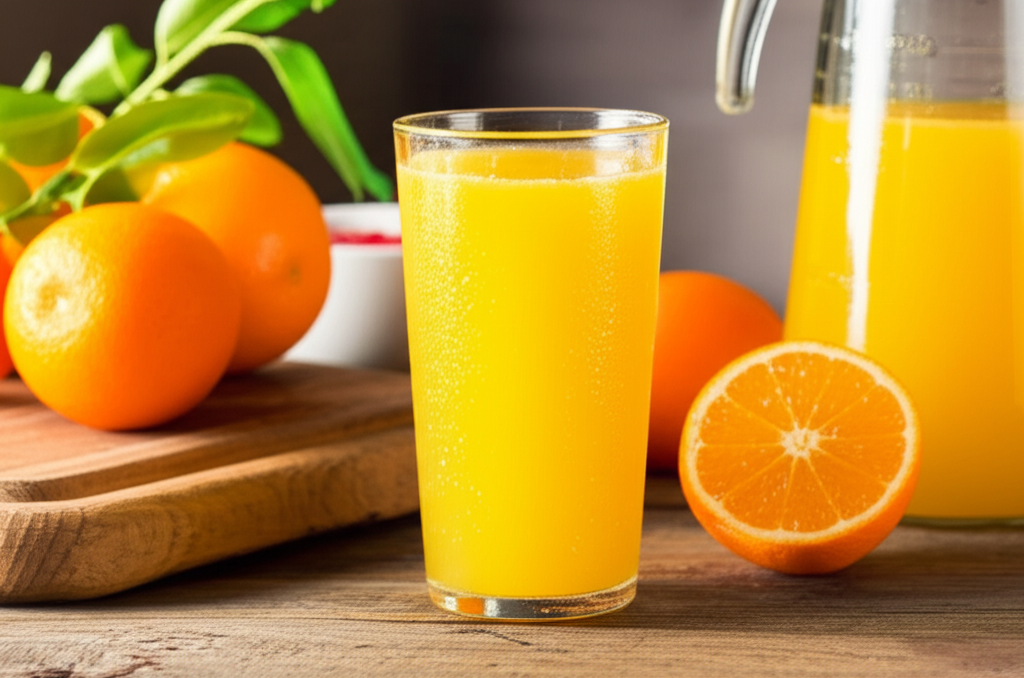
Yes, orange juice can help with mild dehydration due to its water and electrolyte content, but it’s not a primary or superior rehydration solution compared to water or specialized sports drinks, especially for severe dehydration.
Feeling parched? You’re not alone! Many of us reach for a refreshing glass of juice when we feel a little drained, and orange juice is a popular choice. But can this sweet, citrusy drink truly quench your thirst and combat dehydration? It’s a question many of us wonder about when we’re feeling less than our best. We’re here to uncover the delightful truth about whether orange juice is your go-to for rehydration. Get ready to discover how this sunny beverage can help, and when it might be better to reach for something else.
Is Orange Juice Good For Dehydration? The Sunny Side of Hydration
When you’re feeling dehydrated, your body needs fluids and electrolytes to get back on track. Orange juice, with its natural sweetness and vibrant flavor, might seem like a perfect candidate. Let’s break down what makes it tick and how it stacks up.
The Hydration Power of Oranges
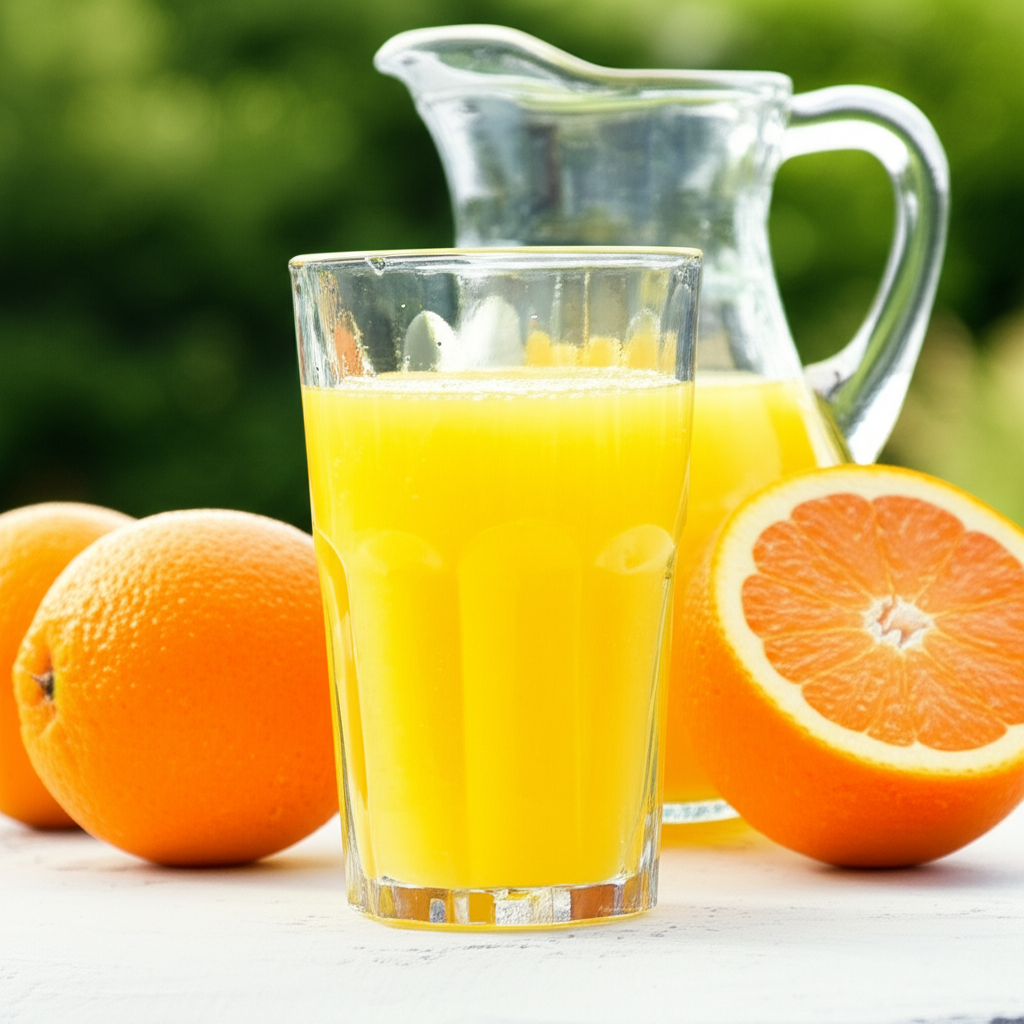
Oranges are wonderfully hydrating fruits, composed of about 88% water. This high water content is the first key to why orange juice can contribute to your fluid intake. When you juice an orange, you’re essentially concentrating that water, along with other beneficial components.
Electrolytes: The Body’s Tiny Helpers
Dehydration isn’t just about losing water; it’s also about losing essential electrolytes that help your body function properly. These include minerals like potassium, sodium, and magnesium. Orange juice naturally contains potassium, which plays a crucial role in maintaining fluid balance and muscle function.
Sugar Content: A Double-Edged Sword
Here’s where things get a bit nuanced. While the natural sugars in orange juice can provide a quick energy boost, which can be helpful when you’re feeling sluggish from dehydration, they also mean it’s not as simple as drinking pure water. For mild dehydration, the sugar might not be a major issue, but for more significant fluid loss, especially during intense exercise or illness, a high sugar content can sometimes slow down the absorption of water.
When is Orange Juice a Good Choice?
Mild Dehydration: If you’ve had a slightly less active day, haven’t been drinking enough water, or are experiencing mild thirst, a glass of 100% orange juice can certainly help replenish fluids and some electrolytes.
Enjoyment Factor: Sometimes, the most effective way to rehydrate is to drink something you genuinely enjoy. If you love orange juice, it’s a much better option than forcing yourself to drink plain water you dislike.
A Source of Vitamin C: Beyond hydration, orange juice is famous for its Vitamin C content, which is an important antioxidant that supports your immune system.
When to Be Cautious with Orange Juice
Severe Dehydration: If you are experiencing symptoms of severe dehydration, such as dizziness, confusion, rapid heartbeat, or very little urination, orange juice is not the recommended solution. In these cases, oral rehydration solutions (ORS) specifically designed to balance water, sugar, and electrolytes for rapid absorption are crucial. You can learn more about managing dehydration from the Centers for Disease Control and Prevention (CDC) here.
Diabetes or Blood Sugar Concerns: The natural sugars in orange juice can affect blood glucose levels. If you have diabetes or are monitoring your sugar intake, it’s important to consume orange juice in moderation and consider options like diluted juice or whole oranges.
Digestive Sensitivity: Some individuals might find the acidity of orange juice bothersome, especially if they have conditions like acid reflux or GERD. In such cases, less acidic juices or plain water would be a better choice.
Orange Juice vs. Other Hydration Options
How does orange juice stack up against other common drinks when it comes to beating dehydration?
Orange Juice vs. Water
Water: The undisputed champion of hydration. It’s calorie-free, sugar-free, and essential for all bodily functions. For general hydration and mild dehydration, water is always the first and best choice.
Orange Juice: Offers water, plus electrolytes (primarily potassium) and natural sugars. The sugar content means it’s not calorie-free and can impact blood sugar. It’s a good option for a bit of extra flavor and some nutrients, but not as pure a hydration source as water.
Orange Juice vs. Sports Drinks
Sports Drinks: Designed for athletes, these drinks are formulated to replenish fluids, electrolytes (often including sodium, which is lost in sweat), and carbohydrates for energy. They are excellent for prolonged, intense exercise.
Orange Juice: Contains some electrolytes and sugars, but the balance isn’t specifically tailored for intense athletic recovery. The sodium content in orange juice is very low compared to typical sports drinks.
Orange Juice vs. Coconut Water
Coconut Water: A natural source of electrolytes, particularly potassium, and has a lower sugar content than most fruit juices. It’s often considered a good natural alternative to sports drinks for moderate activity.
Orange Juice: Higher in Vitamin C and natural sugars. Its potassium content is comparable to coconut water.
Here’s a quick comparison table:
| Beverage | Water Content | Key Electrolytes | Sugar Content | Best For |
|---|---|---|---|---|
| Water | 100% | Minimal | 0g | General hydration, all levels of dehydration. |
| 100% Orange Juice | ~88% | Potassium | Moderate (natural) | Mild dehydration, daily fluid intake, Vitamin C boost. |
| Sports Drinks | High | Sodium, Potassium, others | Moderate to High (added) | Intense/prolonged exercise, significant sweat loss. |
| Coconut Water | High | Potassium, Sodium (trace) | Low to Moderate (natural) | Moderate activity, natural electrolyte replenishment. |
Making Your Own Hydrating Orange Juice
For the freshest, most natural hydration boost, consider juicing your own oranges! It’s incredibly simple and allows you to control the ingredients.
What You’ll Need:
Fresh oranges (organic is a great choice!)
A juicer (citrus juicer or centrifugal juicer) or a sturdy fork and a sieve
Simple Steps to Fresh Orange Juice:
1. Select Your Oranges: Choose ripe, juicy oranges. Navel oranges are a popular and easy-to-juice variety.
2. Wash Thoroughly: Even if you’re peeling them, it’s good practice to wash all produce.
3. Cut and Juice:
With a Citrus Juicer: Cut the oranges in half and press them onto the reamer. Twist to extract the juice.
With a Centrifugal Juicer: Peel the oranges, cut them into pieces that fit your juicer, and feed them through.
Without a Juicer: Cut the oranges in half. You can use a fork to gently pierce the flesh and twist to release juice into a bowl, or press them firmly against a sieve placed over a bowl to catch the pulp and seeds.
4. Strain (Optional): If you prefer less pulp, strain the juice through a fine-mesh sieve.
5. Serve or Store: Enjoy immediately for the best flavor and nutrient content, or store in an airtight container in the refrigerator for up to 24-48 hours.
Pro-Tip for Enhanced Hydration:**
For an extra hydration boost, especially after physical activity, consider diluting your fresh orange juice with an equal part of water. This reduces the sugar concentration while still providing flavor and electrolytes. You could even add a tiny pinch of sea salt to further enhance electrolyte balance if you’ve been sweating a lot!
Frequently Asked Questions about Orange Juice and Dehydration
Q1: Can I drink orange juice if I have diarrhea or vomiting?
Generally, it’s best to avoid orange juice if you have diarrhea or vomiting, especially if it’s severe. The sugar content can sometimes worsen diarrhea, and the acidity might irritate an upset stomach. Plain water, diluted clear broths, or oral rehydration solutions are usually recommended during these times. Always consult a healthcare professional if symptoms are severe or persistent.
Q2: Is pure orange juice better than orange juice from concentrate for dehydration?
Both pure orange juice and juice from concentrate (when made from 100% juice) offer similar hydration benefits in terms of water and electrolytes. The key is to choose 100% juice without added sugars or artificial ingredients. Pure orange juice often has a fresher taste and may retain slightly more natural nutrients.
Q3: How much orange juice should I drink to help with dehydration?
For mild dehydration, a regular glass (about 8 ounces or 240 ml) of 100% orange juice can contribute to your fluid intake. However, it’s not a sole solution. It’s best to alternate with plain water throughout the day. Listen to your body; if you’re not thirsty, you don’t need to force down large quantities.
Q4: Will the sugar in orange juice make dehydration worse?
For mild dehydration, the natural sugar in orange juice is unlikely to significantly worsen your condition. It can even provide a small energy boost. However, for moderate to severe dehydration, or if you have conditions like diabetes, high sugar intake can slow down the absorption of water and electrolytes, making it less ideal than water or specialized rehydration solutions.
Q5: Can I drink orange juice if I have a sore throat and am dehydrated?
While orange juice provides fluids, its acidity can sometimes be irritating to a sore throat. Warm water with honey and lemon, herbal teas, or even diluted orange juice might be more soothing. If dehydration is a concern, focus on getting enough fluids, and choose options that feel comfortable for your throat.
Q6: Is it okay to drink orange juice after a workout to rehydrate?
For light to moderate workouts, diluted orange juice can be a decent post-workout beverage. It provides fluids and some carbohydrates for energy replenishment. However, for intense or prolonged exercise where significant sodium is lost through sweat, sports drinks or electrolyte-rich beverages might be more effective for complete rehydration and recovery.
Understanding Your Body’s Signals
Your body is incredibly wise, and it sends signals when it needs attention. Feeling thirsty is the most obvious sign of dehydration. Other subtle signs can include:
Dry mouth
Less frequent urination, or dark yellow urine
Fatigue or sleepiness
Headache
Dizziness or lightheadedness
Recognizing these signals early allows you to take proactive steps to rehydrate effectively.
When Dehydration Needs More Than Juice
It’s important to reiterate that while orange juice can be a pleasant part of your hydration strategy, it’s not always the primary solution, especially for more serious cases.
The Mayo Clinic outlines symptoms of dehydration that require medical attention, such as:
Extreme thirst
Confusion or irritability
Inability to sweat
Very dark urine or no urine
Sunken eyes
Dry, shriveled skin
* Rapid heartbeat and breathing
If you experience any of these, seek medical advice immediately. For moderate dehydration, especially if caused by illness like the flu, oral rehydration solutions (ORS) are often recommended. These solutions, like Pedialyte or those available over-the-counter, are specifically formulated with the right balance of electrolytes (sodium, potassium, chloride) and carbohydrates (glucose) to help your body absorb fluids efficiently. You can find guidance on preparing homemade ORS on the World Health Organization’s website, though commercially prepared options are generally preferred for their precise formulation.
The Sweet Conclusion on Orange Juice and Hydration
So, is orange juice good for dehydration? In many everyday situations, yes, it can be a helpful and enjoyable way to contribute to your fluid intake and replenish some electrolytes. Its natural sweetness, coupled with essential Vitamin C, makes it a bright spot in your diet.
However, it’s crucial to remember that for serious dehydration or intense physical exertion, plain water or specialized rehydration solutions are generally more appropriate. Think of orange juice as a wonderful supporting player on the hydration team, rather than the star quarterback. Enjoy it in moderation, savor its sunny flavor, and always listen to your body’s needs. By understanding when and how to best use orange juice, you can keep yourself feeling refreshed, energized, and perfectly hydrated. Stay healthy and keep sipping!
