
Yes, orange juice can be bad for your teeth due to its high acidity and sugar content, which can erode enamel and lead to cavities. However, with smart consumption habits, you can still enjoy its benefits without harming your smile.
Hello, juice lovers! We all know that a tall glass of freshly squeezed orange juice can be a delightful way to start the day, packed with vitamin C and a burst of sunshine. But a little whisper of doubt might have crept into your mind: is this vibrant drink actually doing our pearly whites any favors? It’s a question many of us ponder as we sip, especially when we think about those sugary sodas or candies we try to avoid. The good news is, you don’t have to banish this beloved beverage entirely! We’re here to uncover the truth, gently and clearly, so you can make informed choices for a healthy smile and a happy tummy. Let’s dive into the juicy details and discover how to enjoy orange juice responsibly!
The Shocking Truth: Is Orange Juice Really a Tooth Enemy?
It might come as a surprise, but that sweet, tangy orange juice you love can indeed pose a risk to your teeth. This isn’t to scare you away from this vitamin C powerhouse, but rather to empower you with knowledge. The primary culprits behind orange juice’s potential to harm your teeth are its natural acidity and sugar content.
Understanding the Acidic Attack
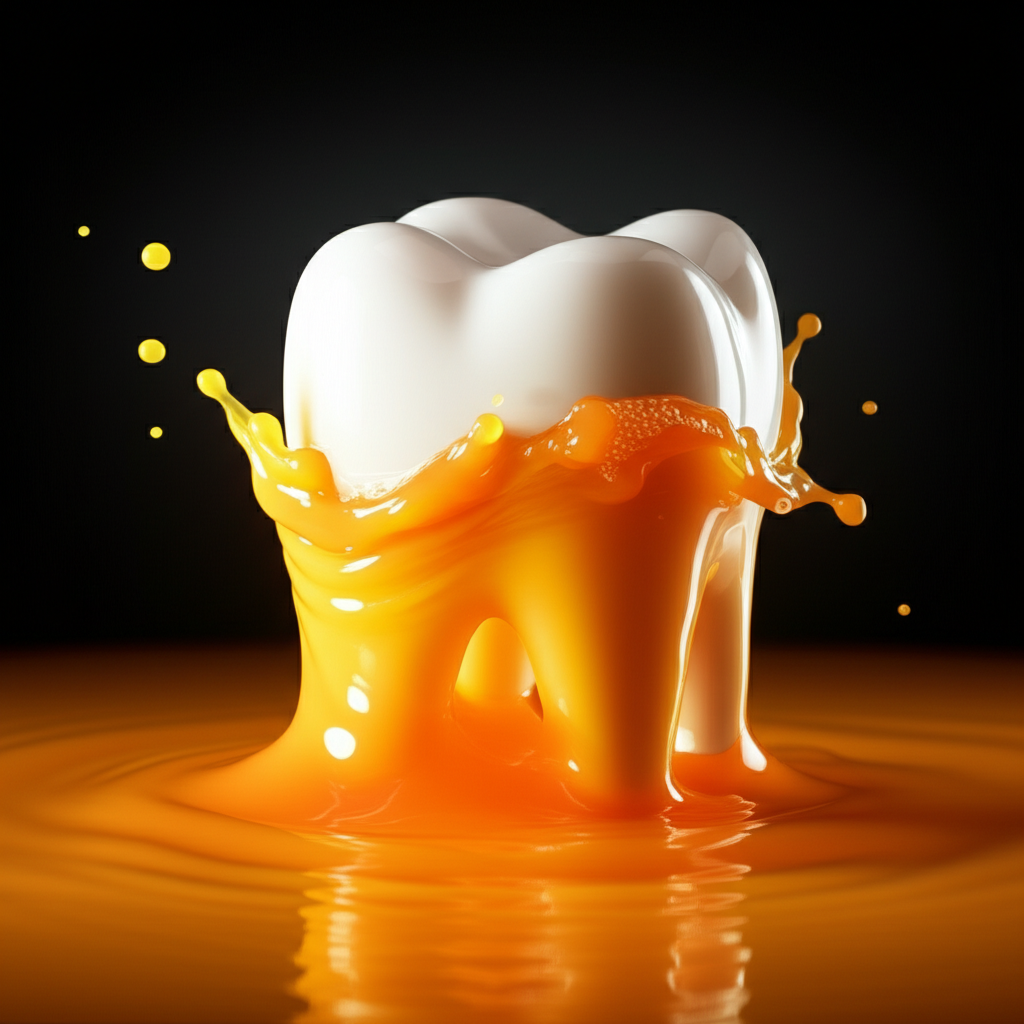
Oranges, and by extension orange juice, are naturally acidic. The pH level of orange juice typically hovers around 3.5 to 4.0. For context, anything below a pH of 5.5 is considered acidic enough to start demineralizing tooth enamel. Enamel is the hard, protective outer layer of your teeth, and when it’s exposed to acid, it begins to soften and erode.
Think of it like this: your tooth enamel is like a strong shield. Acid acts like a tiny, persistent hammer chipping away at that shield. While your saliva can help neutralize acid and even remineralize enamel over time, frequent or prolonged exposure to acidic drinks can overwhelm this natural defense system. This process is called dental erosion.
The Sweet Side of the Story: Sugar’s Role
Beyond its acidity, orange juice also contains natural sugars. While these are not the same as added sugars in processed foods, they still feed the bacteria in your mouth. These bacteria produce acids as a byproduct of their “diet.” So, you have a double whammy: the acid already in the juice, plus the acid produced by bacteria feasting on the juice’s sugar.
This combination can significantly increase your risk of developing cavities, also known as dental caries. Cavities are tiny holes that form in your teeth, and if left untreated, they can lead to more serious dental problems.
How Orange Juice Affects Your Teeth: A Deeper Dive
Let’s break down exactly what happens when you drink orange juice and how it impacts your oral health.
Dental Erosion: The Silent Thief
As mentioned, the acid in orange juice directly attacks your enamel. This erosion doesn’t happen overnight, but with consistent consumption, it can lead to:
- Thinning enamel: Over time, enamel can become thinner, making teeth more sensitive to hot and cold temperatures.
- Yellowish appearance: As enamel erodes, the yellower dentin layer underneath becomes more visible, making teeth look less bright.
- Increased risk of decay: Weakened enamel is more susceptible to cavities.
Cavity Formation: Bacteria’s Favorite Meal
The sugars in orange juice provide a feast for oral bacteria like Streptococcus mutans. When these bacteria consume sugar, they produce acids that further attack your teeth, especially in the nooks and crannies where brushing might miss.
The sticky nature of some juices can also allow sugars to cling to teeth longer, prolonging the acid attack.
Sensitivity and Discomfort
If your enamel is already compromised, drinking acidic beverages like orange juice can cause tooth sensitivity. You might experience sharp, sudden pain when your teeth come into contact with cold or hot foods and drinks, or even when breathing in cold air.
Can You Still Enjoy Orange Juice? Yes, With Smart Strategies!
The good news is that you don’t have to completely give up orange juice if you enjoy it! By adopting a few smart habits, you can minimize its potential harm and continue to reap its nutritional benefits. It’s all about balance and mindful consumption.
1. Dilute, Dilute, Dilute!
This is perhaps the easiest and most effective strategy. Mix your orange juice with water. A 50/50 ratio or even a 25/75 (juice/water) ratio can significantly reduce the acidity and sugar concentration hitting your teeth.
How to do it:
- Pour your desired amount of orange juice into a glass.
- Add an equal or greater amount of plain water.
- Stir well and enjoy!
This makes the drink more hydrating and less aggressive on your enamel.
2. Drink it with Meals, Not Between
Consuming orange juice during a meal helps in a couple of ways. Firstly, the food you eat can help buffer the acid. Secondly, your saliva production increases significantly when you eat, which is your mouth’s natural defense against acid. Saliva helps neutralize acids and wash away food particles and sugars.
Why this helps:
- Saliva neutralizes acid more effectively.
- Food helps buffer the acidity.
- Less prolonged exposure of teeth to acid.
3. Use a Straw
A straw can help bypass your front teeth, minimizing direct contact between the juice and your enamel. While it won’t protect your back teeth entirely, it’s another layer of defense, especially for those concerned about the appearance of their smile.
Tip: Aim the straw towards the back of your mouth if possible.
4. Rinse Your Mouth After Drinking
This is crucial! After you finish your orange juice, swish your mouth with plain water. This helps wash away residual sugar and acid from your teeth and can start the neutralization process.
What to do:
- Take a sip of plain water.
- Swish it around your mouth thoroughly for about 30 seconds.
- Spit it out or swallow.
Avoid brushing your teeth immediately after drinking acidic beverages. Your enamel is softened by the acid, and brushing can cause more damage. Wait at least 30-60 minutes before brushing.
5. Limit Portion Sizes
Even diluted, consuming large quantities of orange juice can still be detrimental. Opt for smaller servings, like a small glass (4-6 ounces) instead of a large one.
6. Choose Whole Oranges When Possible
Eating a whole orange is almost always better for your teeth than drinking its juice. When you eat a whole fruit, you get the added benefit of fiber, which helps clean your teeth as you chew. Plus, the pulp and chewing action stimulate more saliva production than simply drinking juice.
7. Practice Good Oral Hygiene
This is the foundation of all dental health. Brushing twice a day with fluoride toothpaste and flossing daily are essential for removing plaque and food debris, which significantly reduces the risk of cavities.
Your Daily Routine:
- Brush for two minutes, twice a day.
- Use fluoride toothpaste.
- Floss daily to clean between teeth.
- Consider a fluoride mouthwash for extra protection.
The Impact of Different Types of Orange Juice
Not all orange juice is created equal. The processing and additions can influence its impact on your teeth.
100% Orange Juice vs. Orange Drinks
100% Orange Juice: This contains natural sugars and acids from the oranges themselves. While still acidic, it lacks added sugars and artificial ingredients. It’s generally the healthier choice compared to orange drinks.
Orange Drinks/Cocktails: These beverages often contain less actual orange juice and more added sugars, artificial flavors, and colors. The sugar content can be significantly higher, making them even more detrimental to your teeth. Always check the label!
Pasteurized vs. Freshly Squeezed
The pasteurization process doesn’t significantly alter the acidity or sugar content of orange juice. Freshly squeezed juice might have slightly more natural enzymes and nutrients, but its acidic and sugar profile is very similar to store-bought 100% juice.
Added Sugar Content
Be wary of orange juices that list “added sugars” on the ingredient list. These are often found in “orange juice blends” or “fruit drinks” and will exacerbate the negative effects on your teeth.
Comparing Orange Juice to Other Beverages
To put orange juice’s effect into perspective, let’s compare it to other common drinks:
| Beverage | Typical pH | Sugar Content (per 8 oz) | Effect on Teeth |
|---|---|---|---|
| Orange Juice (100%) | 3.5 – 4.0 | ~21g | Acidic, can erode enamel and contribute to cavities. |
| Lemonade | 2.3 – 2.8 | ~23g (often with added sugar) | Highly acidic and sugary, very damaging to enamel. |
| Soda (Cola) | 2.5 – 3.0 | ~26g | Very acidic and sugary, significant risk for erosion and cavities. |
| Sports Drinks | 2.5 – 3.5 | ~14-20g | Acidic and sugary, designed for quick energy but hard on teeth. |
| Milk | 6.7 – 6.9 | ~12g (natural sugar) | Slightly acidic but buffered by protein and minerals; generally safe. |
| Water | 7.0 | 0g | Neutral; ideal for hydration and rinsing. |
As you can see, while orange juice is acidic, it’s often less so than sodas or lemonade. However, its sugar content is still a concern. The key takeaway is that most sweetened and acidic beverages require mindful consumption.
What About Specific Dental Situations?
If you’re dealing with certain dental conditions, you might need to be extra cautious with orange juice.
Wisdom Teeth Recovery
During wisdom tooth recovery, your mouth might be more sensitive, and maintaining good oral hygiene can be challenging. Soft foods and drinks are often recommended. While diluted orange juice might be okay in small amounts, it’s best to stick to less acidic options like water, milk, or soothing smoothies made with less acidic fruits (like banana or avocado) and vegetables.
Acid Reflux or GERD
For individuals with acid reflux or Gastroesophageal Reflux Disease (GERD), acidic foods and drinks, including orange juice, can trigger or worsen symptoms. It’s often recommended to avoid or significantly limit citrus juices if you experience heartburn or regurgitation.
Sensitive Teeth
If you already suffer from tooth sensitivity, the acidity of orange juice can exacerbate the problem. Diluting it and drinking it with meals can help, but listen to your body. If it causes discomfort, it might be best to switch to less acidic beverages.
The Importance of Fluoride
Fluoride is a superhero for your teeth! It strengthens enamel and makes it more resistant to acid attacks. Ensure you’re using a fluoride toothpaste and, if recommended by your dentist, a fluoride mouthwash. This can provide an extra layer of protection against the effects of acidic drinks like orange juice.
You can learn more about the benefits of fluoride from the Centers for Disease Control and Prevention (CDC).
Frequently Asked Questions (FAQ)
Q1: How quickly does orange juice damage teeth?
Dental erosion from orange juice is a gradual process. Consistent, frequent exposure over time is what leads to significant damage. A single glass won’t ruin your teeth, but drinking it multiple times a day without rinsing can cause noticeable effects over months or years.
Q2: Is freshly squeezed orange juice better or worse for my teeth than store-bought?
Both have similar acidity and sugar levels. Store-bought 100% juice may sometimes have added vitamin C (ascorbic acid), which is also acidic. Freshly squeezed juice has natural sugars and acids. The key is to consume both mindfully, dilute them, and rinse afterward.
Q3: Can I brush my teeth right after drinking orange juice?
No, it’s best to wait at least 30-60 minutes. Brushing immediately after consuming acidic beverages can scrub away the softened enamel, causing more harm than good. Rinse your mouth with water instead.
Q4: Are there any low-acid, healthy juice alternatives?
Yes! Juices made from vegetables like carrots, cucumbers, and celery are generally much lower in acid. You can also try diluted juices from fruits like pears or melon, or even enjoy milky drinks or water.
Q5: Does drinking orange juice with a straw really make a difference?
Yes, it can help. A straw directs the liquid past your front teeth, reducing direct contact with the enamel. It’s a good strategy for minimizing acid exposure, especially if you’re concerned about the appearance of your smile.
Q6: How much orange juice is too much for my teeth?
There’s no single “too much” amount, as it depends on your individual oral hygiene, saliva production, and how you consume it. However, generally, limiting yourself to one small serving (4-6 oz) per day, diluted and consumed with a meal, is a much safer approach than drinking large quantities throughout the day.
Conclusion: Sip Smart, Smile Bright!
So, is orange juice bad for your teeth? The answer is nuanced: it can be, but it doesn’t have to be. The natural acidity and sugar content of orange juice pose a risk to tooth enamel, potentially leading to erosion and cavities if consumed carelessly. However, by understanding these risks and implementing smart strategies like dilution, drinking with meals, using a straw, rinsing with water afterward, and maintaining excellent oral hygiene, you can absolutely continue to enjoy this nutritious beverage as part of a balanced diet.
Remember, knowledge is power! By making informed choices and adopting mindful habits, you can protect your smile while still savoring the goodness of orange juice. Keep sipping smart, and keep that smile bright and healthy!
