
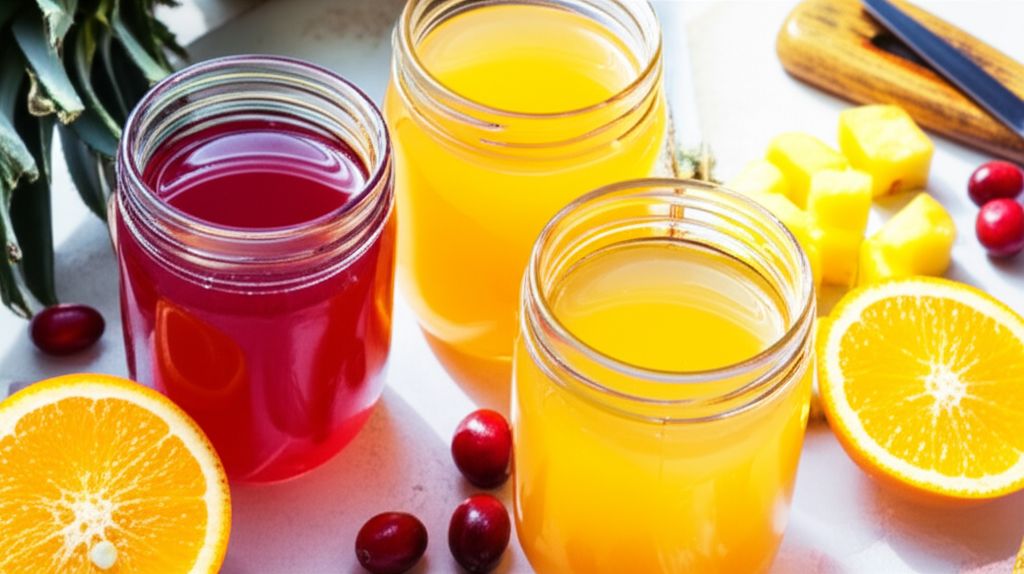
Cranberry juice can be tricky for acid reflux. While often touted for health benefits, its acidity might trigger symptoms for some. Pure, unsweetened cranberry juice is generally safer than sweetened versions, but listening to your body is key. We’ll explore the nuances to help you decide!
Do you love that tart, refreshing taste of cranberry juice, only to regret it later with a burning sensation? You’re not alone! Many of us reach for cranberry juice hoping for its health perks, but if you struggle with acid reflux or GERD, you might wonder if it’s a friend or foe. It’s a common question, and the answer isn’t as simple as a “yes” or “no.” Let’s dive into the surprising truth about cranberry juice and your digestive comfort. We’ll uncover what makes it potentially problematic and how you can still enjoy its goodness, if it’s right for you.
Understanding Acid Reflux and Your Diet
Acid reflux, often experienced as heartburn, happens when stomach acid flows back up into the esophagus. This can cause a burning sensation in your chest, a sour taste in your mouth, and sometimes even difficulty swallowing. Several foods and drinks can trigger these uncomfortable symptoms by relaxing the lower esophageal sphincter (LES) – the muscle that acts as a valve between your esophagus and stomach – or by directly irritating the esophageal lining.
Common culprits often include fatty foods, spicy foods, chocolate, caffeine, and alcohol. But what about seemingly healthy options like cranberry juice? The truth is, many fruits and their juices, while packed with vitamins and antioxidants, are naturally acidic. This acidity can be a double-edged sword for those with sensitive digestive systems.
The Cranberry Juice Conundrum: Acidity vs. Benefits
Cranberries themselves are a nutritional powerhouse. They are rich in Vitamin C, fiber, and potent antioxidants called proanthocyanidins (PACs). These PACs are particularly famous for their ability to prevent certain bacteria, like E. coli, from adhering to the urinary tract walls, which is why cranberry juice is often recommended for preventing urinary tract infections (UTIs). You can learn more about the science behind cranberry’s UTI benefits on the National Institutes of Health website.
However, when we talk about cranberry juice, especially for acid reflux, we need to consider two main factors:
- Acidity: Cranberries have a naturally low pH, meaning they are acidic. This acidity can potentially irritate an already sensitive esophagus or contribute to the reflux of stomach contents.
- Sugar Content: Many commercially available cranberry juices are heavily sweetened. Added sugars and artificial sweeteners can also be triggers for acid reflux in some individuals.
So, is cranberry juice bad for acid reflux? It largely depends on the type of juice and your individual tolerance. Pure, unsweetened cranberry juice is very tart and often difficult to drink on its own. Most people prefer cranberry juice cocktails, which are diluted with water and sweetened, often with high-fructose corn syrup or other sugars. These added ingredients can exacerbate reflux symptoms.
Is Pure Cranberry Juice Safe for Acid Reflux?
Pure, 100% cranberry juice is significantly more acidic than cranberry juice cocktails. Its pH typically ranges from 2.3 to 3.5, placing it in the same acidic category as lemon juice or vinegar. For individuals prone to acid reflux, consuming such a highly acidic beverage can indeed trigger or worsen symptoms.
The acidity can:
- Directly irritate the lining of the esophagus.
- Potentially relax the lower esophageal sphincter (LES), allowing stomach acid to flow back up.
If you are experiencing acid reflux, it’s generally advisable to approach pure cranberry juice with caution. Start with a very small amount to see how your body reacts. Many experts recommend avoiding highly acidic drinks altogether when managing reflux.
Cranberry Juice Cocktails: A Better (or Worse?) Option?
Cranberry juice cocktails are made by blending cranberry concentrate with water and adding sweeteners. While this dilution might seem like it reduces acidity, the added sugars can be problematic for acid reflux sufferers. High sugar intake can increase stomach acid production and potentially lead to weight gain, both of which can worsen reflux symptoms.
Moreover, some cranberry juice cocktails may contain other additives, such as artificial sweeteners or flavorings, which could also act as triggers for sensitive individuals.
Here’s a quick look at what you might find in a typical cranberry juice cocktail:
| Ingredient | Potential Impact on Acid Reflux |
|---|---|
| Cranberry Concentrate | Naturally acidic; may trigger symptoms. |
| Added Sugars (e.g., High-Fructose Corn Syrup) | Can increase stomach acid production; may contribute to weight gain, a reflux trigger. |
| Artificial Sweeteners | Some individuals report reflux triggered by certain artificial sweeteners. |
| Water | Dilutes the juice, potentially reducing immediate acidity impact. |
The key takeaway here is that while a cocktail might taste less tart, the added sugars can often make it a less desirable choice for managing acid reflux compared to even the unsweetened version, if you can tolerate its tartness.
How to Safely Enjoy Cranberry (If You Can!)
If you’re a fan of cranberries and want to see if you can incorporate them into your diet without triggering acid reflux, here are some strategies:
1. Dilute, Dilute, Dilute!
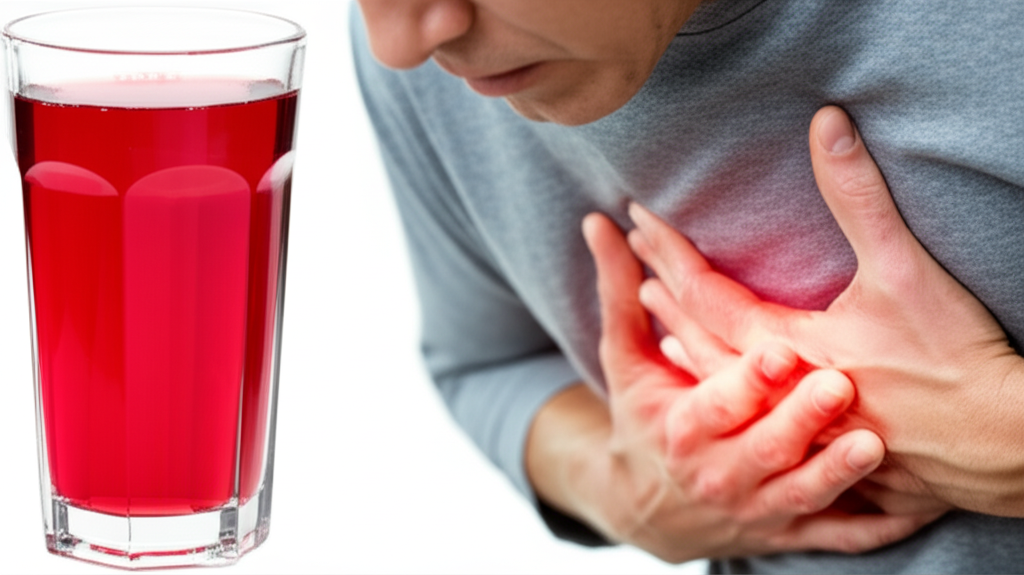
The most effective way to reduce the acidity of cranberry juice is to dilute it significantly with water. Try a ratio of 1 part cranberry juice to 4 or more parts water. This lowers the overall acidity and makes it much gentler on your digestive system.
2. Opt for Unsweetened and Dilute
If you can find 100% pure, unsweetened cranberry juice, that’s your best bet. Then, dilute it heavily with plain water. This gives you the cranberry benefits without the added sugar or artificial ingredients found in cocktails.
3. Try Blending Fresh Cranberries
For the freshest experience, consider blending fresh or frozen cranberries with water and perhaps a low-acid fruit like banana or pear. This allows you to control all the ingredients and avoid commercial processing.
How to Blend Fresh Cranberries for Reflux-Friendly Drink:
- Gather Ingredients: You’ll need about 1 cup of fresh or frozen cranberries, 2-3 cups of water, and optional additions like half a banana or a few slices of pear for sweetness and texture.
- Rinse and Prepare: Rinse your cranberries thoroughly. If using fresh, you might want to remove any stems or bad berries.
- Blend: Combine cranberries, water, and any optional fruits in a high-powered blender. Blend until smooth.
- Strain (Optional): For a smoother consistency, you can strain the mixture through a fine-mesh sieve, but this will remove some of the fiber.
- Taste and Adjust: Taste your blend. If it’s still too tart, add a little more water or a bit more low-acid fruit. Avoid adding sugar or honey, as these can worsen reflux.
4. Small Portions and Timing
Even a diluted cranberry drink might cause issues for some. Start with a very small serving (e.g., 4 ounces of a heavily diluted mixture) and see how you feel over the next few hours. Avoid drinking it on an empty stomach or right before lying down.
5. Listen to Your Body
This is the most crucial step. Everyone’s body is different. If drinking diluted cranberry juice consistently triggers your acid reflux symptoms, it’s best to avoid it. Focus on other juices known to be gentler on the stomach, such as aloe vera juice, non-citrus fruit juices (like pear or melon), or vegetable juices.
Alternatives to Cranberry Juice for Acid Reflux
If cranberry juice proves to be a trigger for your acid reflux, don’t despair! There are many other delicious and healthy juice options that are generally considered safe and even beneficial for managing digestive health.
1. Aloe Vera Juice
Aloe vera juice is renowned for its soothing properties and can help calm inflammation in the digestive tract. Look for pure, decolorized, and purified aloe vera juice specifically made for internal consumption. It’s often recommended to drink a small amount (2-4 ounces) before meals.
2. Non-Citrus Fruit Juices
Juices from fruits like pears, apples (especially lower-acid varieties like Gala or Fuji), and melons (watermelon, cantaloupe) are typically less acidic and easier to digest. These can provide hydration and essential nutrients without the acidic punch.
3. Vegetable Juices
Vegetable juices are generally low in acid and can be very beneficial. Carrot, cucumber, celery, and beetroot juices are excellent choices. You can even create your own refreshing blends.
- Cucumber & Celery: Naturally hydrating and alkalizing.
- Carrot & Spinach: Packed with vitamins and minerals.
- Beetroot & Ginger: Can offer anti-inflammatory benefits, but use ginger sparingly as it can be a trigger for some.
4. Ginger Juice
Ginger is well-known for its anti-inflammatory and digestive aid properties. A small amount of fresh ginger juice added to water or other mild juices can help settle the stomach. However, for some individuals, ginger can also be a reflux trigger, so test it cautiously.
When choosing any juice, always aim for 100% juice with no added sugars or artificial ingredients. If you’re making juices at home, you have complete control over the ingredients.
When to Seek Professional Advice
While dietary adjustments can significantly help manage acid reflux, it’s important to remember that persistent or severe symptoms warrant a conversation with a healthcare professional. A doctor or a registered dietitian can help diagnose the underlying cause of your reflux and create a personalized management plan. They can also provide guidance on specific foods and beverages, including juices, that may be best suited for your condition.
According to the National Institute of Diabetes and Digestive and Kidney Diseases (NIDDK), lifestyle and dietary changes are often the first line of defense against GERD. If symptoms don’t improve with these measures, medical treatments might be discussed.
Frequently Asked Questions About Cranberry Juice and Acid Reflux
Q1: Can I drink cranberry juice if I have GERD?
It’s best to be cautious. Pure cranberry juice is highly acidic and can trigger GERD symptoms in many people. If you want to try it, opt for heavily diluted, unsweetened versions and test a small amount to see how your body reacts.
Q2: Is sweetened cranberry juice worse for acid reflux than unsweetened?
Both can be problematic. Unsweetened is more acidic, but sweetened versions often contain high amounts of sugar, which can also trigger reflux by increasing stomach acid or contributing to weight gain. Diluting unsweetened juice is generally the safer approach if you must consume it.
Q3: How much cranberry juice is too much for acid reflux?
There’s no one-size-fits-all answer. For most people with acid reflux, even small amounts of undiluted cranberry juice might be too much. If you’re trying a diluted version, start with 4 ounces of a heavily diluted mixture (1:4 ratio or more) and monitor your symptoms.
Q4: Can cranberry juice help with UTIs if I have acid reflux?
While cranberry juice is known for UTI prevention, its acidity can worsen reflux. If you need to prevent UTIs, discuss safer alternatives or strategies with your doctor, such as cranberry supplements (which bypass the stomach’s acidity) or other dietary changes.
Q5: Are there any benefits to drinking cranberry juice for digestion?
Cranberry juice’s primary recognized benefit is for UTI prevention due to its PACs. For general digestion, it’s not typically recommended for those with acid reflux due to its acidity. Other juices like aloe vera or ginger may offer more digestive benefits for sensitive individuals.
Q6: What are the best juice alternatives for acid reflux?
Excellent alternatives include aloe vera juice, non-citrus fruit juices like pear or melon, and various vegetable juices such as cucumber, celery, or carrot juice. Always choose 100% juice with no added sugars.
Conclusion: Making an Informed Choice
So, is cranberry juice bad for acid reflux? The honest answer is that for many people who experience acid reflux, it’s a beverage to approach with extreme caution, or perhaps avoid altogether. Its natural acidity, combined with the added sugars in many popular versions, makes it a common trigger for uncomfortable symptoms.
However, if you are a dedicated cranberry enthusiast, you don’t have to give it up entirely. By choosing 100% unsweetened varieties and diluting them significantly with water, you can potentially enjoy a smaller, less acidic portion. Always pay close attention to how your body responds. If even diluted cranberry juice causes discomfort, there are plenty of other delicious and soothing juice options available to keep you hydrated and nourished without the burn. Your digestive comfort is paramount, so listen to your body’s signals and choose wisely!
