
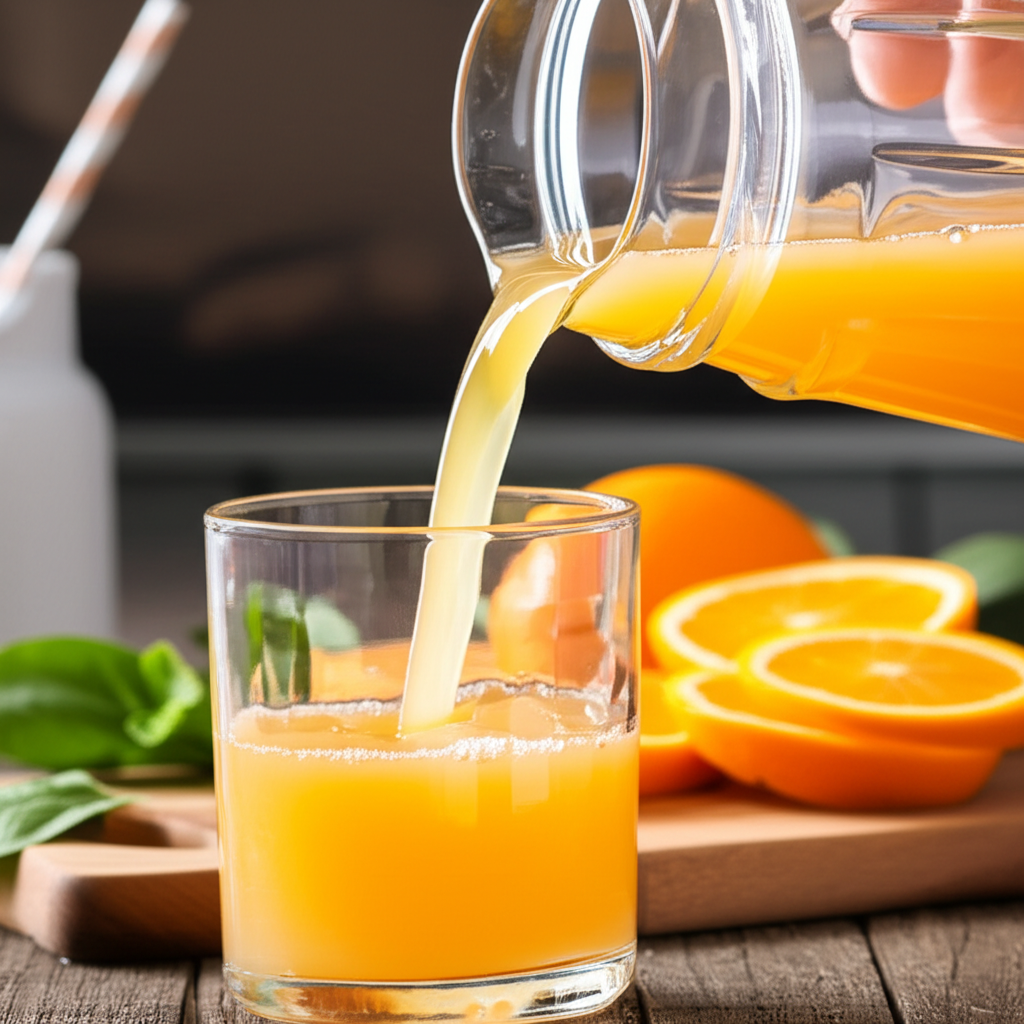
Yes, 100% pure apple juice is naturally gluten-free. However, always check the label for added ingredients to ensure it remains gluten-free, especially if you have celiac disease or gluten sensitivity.
Wondering if your favorite apple juice is safe for your gluten-free lifestyle? You’re not alone! It’s a common question for many, especially those new to managing gluten intake or exploring healthier drink options. The good news is, the answer is usually a big, juicy yes! We’re here to clear up any confusion and give you the confidence to enjoy your apple juice worry-free. Get ready to discover the simple truth about apple juice and gluten, and how to make sure every sip is perfectly safe for you.
The Sweet Truth: Is Apple Juice Gluten-Free?
Let’s get straight to the heart of it: pure, unadulterated apple juice is naturally gluten-free. Apples themselves are fruits, and fruits do not contain gluten. Gluten is a protein found primarily in wheat, barley, and rye. Since apples and their juice are derived solely from apples, they don’t naturally contain this protein.
This is fantastic news for anyone managing celiac disease, non-celiac gluten sensitivity, or simply choosing a gluten-free diet. It means you can enjoy the crisp, refreshing taste of apple juice without a second thought, provided it’s just that – apple juice!
Understanding Gluten and How It Might Sneak In
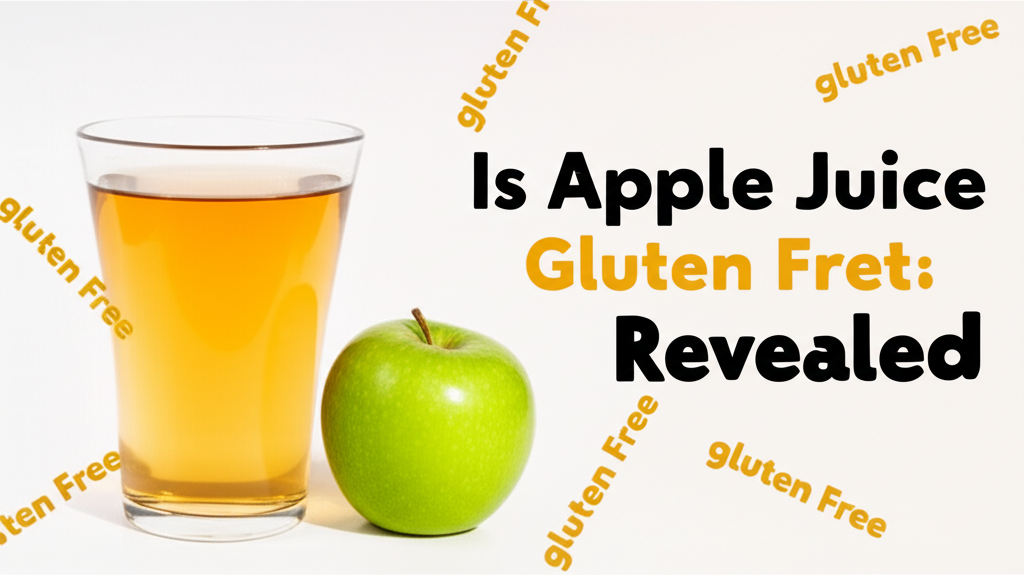
So, if apple juice is naturally gluten-free, why the question? It all comes down to processing and ingredients. While the apple itself is safe, the way juice is manufactured and what might be added during the process can sometimes introduce gluten. This is rare for 100% apple juice, but it’s crucial to be aware of potential cross-contamination or the inclusion of gluten-containing ingredients in flavored or blended juices.
Think of it like this: a pure apple is gluten-free. If you bake an apple pie, the crust (made from wheat flour) contains gluten. While juice doesn’t involve baking, the principle of added ingredients applies. The key is to know what you’re drinking.
What Makes Juice Safe (or Not Safe) for Gluten-Free Diets?
For juice to be considered gluten-free, it must meet specific criteria:
- Naturally Gluten-Free Ingredients: The primary ingredients should not contain gluten. For apple juice, this means apples and water.
- Absence of Gluten-Containing Additives: Manufacturers must avoid adding ingredients like malt flavoring (often derived from barley) or certain thickeners that might contain gluten.
- Prevention of Cross-Contamination: In facilities that process gluten-containing products, strict measures must be in place to prevent gluten from coming into contact with gluten-free products. This is especially important for certified gluten-free products.
The U.S. Food and Drug Administration (FDA) defines gluten-free as containing less than 20 parts per million (ppm) of gluten. Many products aim for even lower levels or seek official certification.
Decoding the Label: Your Guide to Gluten-Free Apple Juice
Reading juice labels might seem straightforward, but a little attention to detail can save you from unwanted gluten exposure. Here’s what to look for:
The “Gluten-Free” Label: Your Best Friend
The most reassuring sign is a clear “Gluten-Free” certification or statement on the packaging. This means the manufacturer has taken steps to ensure the product meets strict gluten-free standards. Look for seals from reputable organizations like:
- Gluten-Free Certification Organization (GFCO)
- Certified Gluten-Free (Celiac Support Association)
- NSF Gluten-Free Certification
These certifications offer a high level of assurance.
Ingredient List: What to Watch Out For
Even without a specific “gluten-free” label, you can usually tell by checking the ingredients. For 100% apple juice, the ingredient list should be very short, ideally just “apple juice” or “from concentrate.”
However, if you see these ingredients, be cautious:
- Malt flavoring or malt extract (derived from barley)
- Modified food starch (if the source isn’t specified, it could potentially be wheat-based, though corn or tapioca are more common)
- Natural flavors (sometimes, though rarely, these can be derived from gluten-containing grains, but this is highly regulated and less common in fruit juices)
If you have severe gluten sensitivity or celiac disease, it’s always best to stick with products that are explicitly labeled “gluten-free.”
Understanding “May Contain” Statements
Manufacturers sometimes include “may contain wheat” or “processed in a facility that also processes wheat” statements. While these don’t mean gluten is an ingredient, they indicate a risk of cross-contamination. If you are highly sensitive, it’s safest to avoid these products.
Is All Apple Juice Created Equal? Exploring Types
Not all apple juice is the same. The processing and additions can vary, impacting its gluten-free status:
100% Pure Apple Juice
This is typically the safest bet. Made solely from apples, it’s naturally gluten-free. Whether it’s from concentrate or not, as long as it’s pure apple juice, you’re generally in the clear. Brands often highlight this purity.
Apple Juice Blends
Juices that blend apple with other fruits or vegetables are usually fine, but always check the full ingredient list. If other fruits are involved, they are unlikely to introduce gluten. However, if a blend includes grain-based ingredients (very rare for juice, but possible in “smoothies” or specialty drinks), then caution is needed.
Flavored Apple Juice
Apple juice with added flavors (like “Berry Apple” or “Cinnamon Apple”) is usually gluten-free, as the flavorings are typically natural extracts. However, it’s still wise to check the label. If a “malt” flavor is listed, steer clear.
Hard Cider vs. Apple Juice
It’s important to distinguish between apple juice and hard cider. Hard cider is an alcoholic beverage made from fermented apple juice. While the initial ingredient is gluten-free, some hard ciders may use gluten-containing adjuncts or be processed on shared equipment. Always check the label for gluten-free certification if you are consuming hard cider.
The Benefits of Enjoying Gluten-Free Apple Juice
Beyond being a safe and delicious beverage for those on a gluten-free diet, apple juice offers several benefits:
- Hydration: It’s a tasty way to increase your fluid intake, which is essential for overall health.
- Vitamins and Minerals: Apple juice contains Vitamin C, which is important for immune function, and potassium, which helps maintain blood pressure.
- Antioxidants: Apples contain polyphenols, which act as antioxidants and can help protect your cells from damage.
- Digestive Support: While not a direct source of fiber like whole apples, apple juice can be gentle on the stomach for some individuals, making it a good choice during recovery or for those with sensitive digestive systems.
For those recovering from dental procedures, such as wisdom teeth removal, or dealing with conditions like acid reflux or GERD, cold, pure apple juice can be a soothing and easy-to-consume beverage. Its smooth texture and mild sweetness make it palatable when chewing might be difficult or irritating.
Simple Steps to Ensure Your Apple Juice is Gluten-Free
Here’s your easy-to-follow guide:
- Scan for “Gluten-Free” Certification: This is the quickest and most reliable way.
- Read the Ingredient List Carefully: Look for a short list, ideally just “apple juice.” Be wary of malt, barley, or unspecified starches.
- Check for Allergen Statements: Note any “may contain wheat” warnings if you are highly sensitive.
- Choose 100% Pure Apple Juice: This minimizes the risk of hidden gluten-containing ingredients.
- When in Doubt, Contact the Manufacturer: If a label is unclear, reaching out to the company directly is the best way to get definitive information. Many have dedicated customer service lines or websites for dietary inquiries.
Common Questions About Apple Juice and Gluten
Let’s address some frequently asked questions:
Q1: Can people with celiac disease drink apple juice?
A1: Yes, 100% pure apple juice is naturally gluten-free and safe for individuals with celiac disease, provided the product is not contaminated during processing and is clearly labeled as gluten-free or has an ingredient list free of gluten-containing items.
Q2: What if the apple juice is “fortified”? Does that add gluten?
A2: Fortification usually involves adding vitamins and minerals like Vitamin C or Calcium. These are typically gluten-free. However, it’s always good practice to check the ingredient list to ensure no gluten-containing additives were used in the fortification process.
Q3: Is organic apple juice always gluten-free?
A3: Organic certification relates to farming practices and the absence of synthetic pesticides or GMOs. It does not guarantee a product is gluten-free. While organic apples are gluten-free, you still need to check the label for processing and added ingredients to confirm it’s gluten-free.
Q4: Can apple juice be a good option for a gluten-free diet?
A4: Absolutely! It’s a naturally gluten-free beverage that can be enjoyed as part of a balanced gluten-free diet. It offers hydration and some beneficial nutrients.
Q5: Are there any apple-based products that might NOT be gluten-free?
A5: While pure apple juice is safe, apple cider vinegar is generally gluten-free. However, some processed apple products like apple-based baked goods, apple-flavored cereals, or apple sauces with added ingredients might contain gluten. Always read labels carefully for these items.
Q6: What’s the difference between cloudy and clear apple juice regarding gluten?
A6: The clarity of apple juice (cloudy vs. clear) is due to the presence or absence of apple pulp and solids. This difference has no bearing on whether the juice contains gluten. Both types, if made from pure apples, are naturally gluten-free.
Conclusion: Sip with Confidence!
We hope this deep dive into apple juice and gluten has been enlightening! The wonderful truth is that pure apple juice is a delicious, naturally gluten-free beverage that can be a healthy part of your diet. By understanding what to look for on the label – specifically a clear “Gluten-Free” certification and an ingredient list free from gluten-containing additives – you can confidently choose and enjoy your favorite apple juice. Remember, a little label-reading goes a long way in ensuring your choices align with your dietary needs, allowing you to savor every refreshing sip without worry. So go ahead, pour yourself a glass of pure apple goodness and enjoy!
