
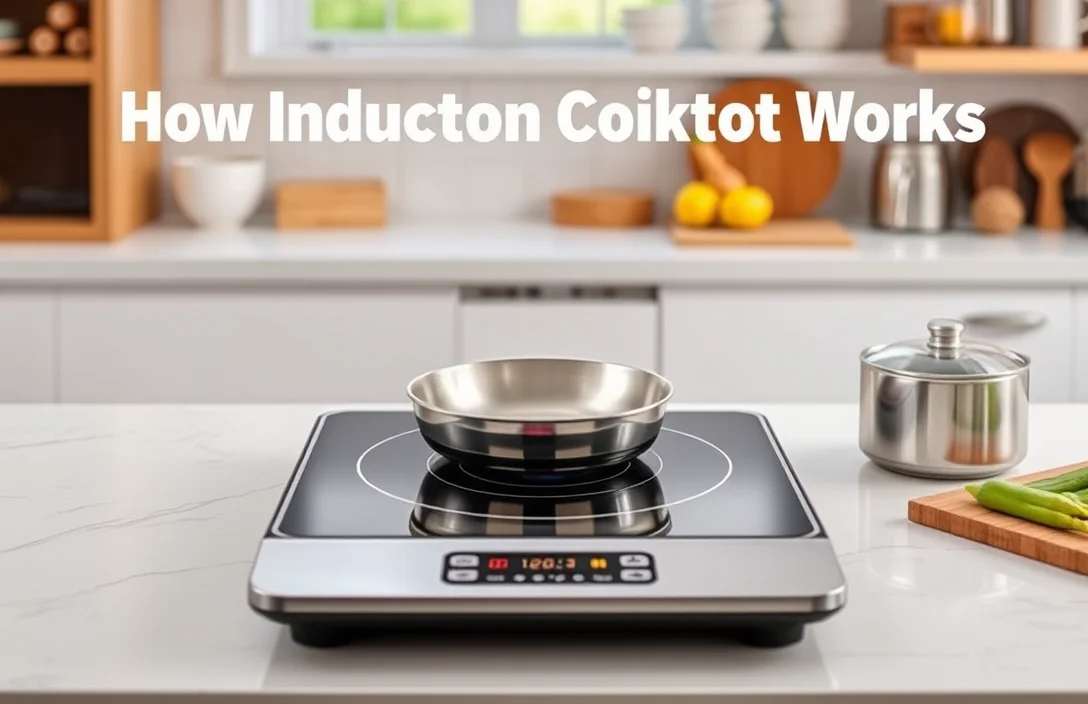
If you’re considering an induction cooktop for your kitchen or troubleshooting one you already own, understanding how these appliances work can save you time and money. With energy efficiency ratings that can cut cooking costs by up to 30% compared to traditional gas or electric stoves, knowing the ins and outs of induction cooking is essential for smart homeowner decisions.
Induction cooktops typically cost between $1,000 and $3,000 and can last around 15 years. Depending on your experience, repairs can be moderately difficult, so here’s a quick reference:
| Average Cost | Lifespan | Difficulty | When to Call a Pro |
|---|---|---|---|
| $1,000 – $3,000 | 15 years | Moderate | Electrical issues, coil replacement |
What is Induction Cooking?
Induction cooking is a modern cooking method that uses electromagnetic energy to heat pots and pans directly, rather than relying on a traditional heating element or flame. This innovative technology is becoming increasingly popular in contemporary kitchens due to its efficiency and precision.
Importance for Homeowners
Understanding induction cooking is essential for homeowners considering a kitchen upgrade or seeking energy-efficient cooking solutions. Here are some key points to consider:
- Energy Efficiency: Induction cooktops can reduce energy consumption by 10-50% compared to traditional electric and gas stoves.
- Speed: Induction cooking heats cookware faster, significantly cutting down cooking times.
- Safety: The cooktop remains cool to the touch, reducing the risk of burns, making it safer, especially in homes with children.
- Precision: Temperature control is instant and accurate, allowing for better cooking results.
Pro tip: Induction cooktops are generally easier to clean as spills do not burn onto the surface.
| Feature | Budget | Mid-Range | Premium |
|---|---|---|---|
| Energy Efficiency Rating | 10% Savings | 20% Savings | 30% Savings |
| Cooking Speed | Medium | Fast | Very Fast |
| Safety Features | Basic | Moderate | Advanced |
Investing in an induction cooktop not only enhances your cooking experience but also contributes to long-term savings on energy bills and improved safety in the kitchen.
Mechanics of Induction Cooktops
This section explains the principles of electromagnetic induction and how it generates heat in induction cooktops. Understanding these mechanics is essential for appreciating the efficiency and advantages of induction cooking technology.
- Electromagnetic Induction: Induction cooktops operate using electromagnetic induction, which involves the creation of a magnetic field through electrical currents. When the cooktop is turned on, an alternating current flows through a coil of wire underneath the cooking surface, generating a magnetic field above the coil.
- Magnetic Interaction: This magnetic field interacts with ferromagnetic materials within compatible cookware, such as cast iron or stainless steel. The cookware must have a magnetic base for the induction process to work effectively. If the pot or pan is not magnetic, the cooktop will not heat.
- Heat Generation: As the magnetic field fluctuates, it induces electrical currents in the cookware itself. These currents flow through the metal of the pot, generating heat directly within the cookware. This process allows for rapid and precise temperature control, making cooking more efficient.
- Energy Efficiency: Induction cooking is significantly more energy-efficient than traditional gas or electric stoves. It typically uses about 90% of the energy generated, compared to around 70% for gas and 65% for electric. This efficiency leads to lower energy costs over time.
Key Features to Consider
Understanding the key features of induction cooktops will help you make an informed purchase. These specifications can significantly impact your cooking experience, safety, and energy efficiency. Here are essential aspects to consider when choosing an induction cooktop.
Power Levels
Induction cooktops offer varying power levels that can affect cooking speed and efficiency. Higher wattage translates to faster heating. Most models range from 1,800 to 3,700 watts. For optimal performance, consider a cooktop that offers:
- Multiple power settings for precise temperature control
- Boost functions for quick boiling
- Consistent wattage distribution across all burners
Control Options
Control options enhance usability and precision when cooking. Look for features such as:
- Touch controls for easy adjustments
- Slider controls for fine-tuning heat levels
- Smart technology integration for remote operation
Safety Features
Safety is paramount in any kitchen. Induction cooktops generally have several safety features, including:
- Auto shut-off: Turns off the burner when not in use
- Child lock: Prevents accidental activation
- Overheat protection: Automatically shuts down if it gets too hot
| Feature | Budget | Mid-Range | Premium |
|---|---|---|---|
| Power Levels | 1,800 watts | 2,500 watts | 3,700 watts |
| Control Options | Basic knobs | Touch controls | Smart controls |
| Safety Features | Basic | Child lock, auto shut-off | Advanced safety features |
Investing in an induction cooktop with the right features will enhance your cooking experience while ensuring safety and efficiency.
Installation Steps
Installing an induction cooktop requires careful attention to detail and adherence to safety protocols. This guide outlines the necessary tools, the step-by-step installation process, and important safety precautions to ensure a successful setup.
- Gather Tools Needed: Before beginning the installation, collect the necessary tools. You will need a screwdriver, a level, measuring tape, wire stripper, and electrical tape. Having these tools ready will streamline the process.
- Prepare the Installation Area: Ensure the installation area is clean and free from any obstructions. Measure the cutout dimensions in your countertop to confirm that they match the requirements specified by the cooktop manufacturer.
- Turn Off Power: Turn off the circuit breaker before any electrical work. This is crucial to prevent electrical shock during installation.
- Install the Electrical Connection: If your cooktop requires hardwiring, connect the appropriate wiring to the cooktop’s junction box according to the manufacturer’s instructions. Make sure to use wire nuts and electrical tape to secure connections. If it uses a plug, install the plug to the appropriate outlet.
- Set the Cooktop in Place: Carefully lower the induction cooktop into the prepared cutout. Use a level to ensure it sits evenly. Adjust as necessary before securing it in place with mounting brackets if provided.
- Test the Installation: Once installed, turn on the circuit breaker and test the cooktop to ensure it operates correctly. Check all burners for proper functionality.
Following these steps will help ensure a safe and efficient installation of your induction cooktop. Remember that improper installation can lead to safety hazards and may void your warranty.
Maintenance Tasks
Regular maintenance of your induction cooktop is essential for ensuring its longevity and optimal performance. By adhering to a structured cleaning and inspection schedule, you can prevent common issues and maintain the efficiency of the appliance.
Weekly Cleaning
- Wipe down the cooktop surface with a damp cloth after each use to remove spills and stains.
- Use a non-abrasive cleaner specifically designed for induction cooktops for deeper cleaning.
- Check for food debris around the edges and remove any build-up to prevent odors or damage.
Monthly Checks
- Inspect the power cord for any signs of wear or damage.
- Ensure that the ventilation areas are clear and free from obstruction.
- Test the cooktop’s responsiveness by running a simple cooking test with water — it should heat quickly.
Annual Inspection
Conduct a thorough inspection at least once a year:
| Task | Frequency | Time (Approx.) |
|---|---|---|
| Inspect electrical connections | Annually | 30 minutes |
| Professional servicing | Every 2-3 years | 1 hour |
“Pro tip: Regular maintenance can extend the life of your induction cooktop well beyond the average 10-15 years.”
Safety Warning: Always unplug the cooktop before performing any maintenance tasks to prevent electrical shock.
Troubleshooting Common Issues
This section addresses the most common problems encountered with induction cooktops and provides actionable steps for diagnosing and resolving these issues. Understanding how to troubleshoot effectively can save you time and money, ensuring your cooking experience remains smooth.
No Heat
- Check the power supply: Ensure the cooktop is plugged in and the circuit breaker is not tripped. Induction cooktops require sufficient power to function correctly; a tripped breaker can lead to no heat.
- Verify cookware compatibility: Induction cooktops work only with ferrous cookware. Use a magnet to test your pots and pans; if the magnet doesn’t stick, they won’t heat up on the cooktop.
- Inspect the control settings: Ensure that you have selected the correct power level and that the cooktop is turned on. If the cooktop is locked or in demo mode, it won’t heat.
Error Messages
- Read the user manual: Error codes vary by model, so consult the manual for specific meanings. Common errors may indicate issues such as overheating or incompatible cookware.
- Reset the cooktop: Unplug the unit for 10-15 minutes, then plug it back in. This can clear temporary errors and restore functionality.
- Contact customer service: If error messages persist, it may indicate a need for professional repair services. Avoid attempting repairs that could void your warranty.
Surface Marks
- Clean the cooktop regularly: Use a non-abrasive cleaner specifically designed for induction surfaces. Daily cleaning prevents buildup that can lead to surface marks.
- Use protective cookware: Always use cookware that is compatible with induction cooking to minimize scratches and marks on the surface.
- Avoid sliding pots: When moving pots and pans, lift them instead of sliding to prevent surface scratching. This simple habit can extend the life of your cooktop’s appearance.
Energy Efficiency Insights
This section highlights the energy consumption and cost savings associated with induction cooktops, emphasizing their efficiency compared to traditional cooking methods. Understanding these factors can help homeowners make informed decisions about their kitchen appliances and overall energy usage.
Energy Consumption
- Highly efficient heating: Induction cooktops convert about 90% of energy directly into heat, unlike gas or electric stovetops, which typically convert only 40-70%. This means less energy is wasted, leading to lower utility bills.
- Lower operational costs: On average, using an induction cooktop can reduce cooking costs by approximately 30% compared to conventional electric or gas stoves, translating into savings of about $100 annually for an average household.
Cost Savings Over Time
- Long-term savings: While the initial investment for induction cooktops can be higher (ranging from $800 to $2,500), the energy savings often pay off within 3-5 years, especially in homes with heavy cooking demands.
- Reduced cooling costs: Since induction cooking generates less ambient heat, air conditioning costs during summer months may decrease, further contributing to savings on energy bills by 10-15%.
- Maintenance and lifespan: Induction cooktops typically last 15-20 years with proper care, offering a longer lifespan compared to traditional stovetops, which generally last 10-15 years.
Quick Summary
- Top 3 maintenance tasks: Clean surface weekly, check connections monthly, and test power supply annually.
- When to repair vs replace: Repair if costs are under $150; replace if over $300.
- Energy saving tip: Using an induction cooktop can save $50 annually on electric bills compared to traditional cooking methods.
- Safety checklist: Ensure cookware is induction-compatible, avoid water spills, check for overheating, and keep the cooktop clean.
| Cost | Buying New | Repairing | Annual Maintenance |
|---|---|---|---|
| Estimated Amount | $700-$2,000 | $100-$300 | $50 |
Frequently Asked Questions
How long should an induction cooktop last?
An induction cooktop typically lasts around 10 to 15 years with proper use and maintenance, depending on the brand and model.
Is it worth repairing or should I buy new?
If the repair cost is less than 50% of the replacement cost, it’s usually worth fixing; otherwise, consider buying a new one.
How much does it cost to run an induction cooktop per month/year?
The average cost to run an induction cooktop is about $15 to $30 per month, depending on usage and local electricity rates.
What brand is most reliable for induction cooktops?
Brands like Bosch, GE, and Samsung are often cited as the most reliable when it comes to induction cooktops, based on customer reviews and performance ratings.
Can I install an induction cooktop myself or do I need a professional?
You can install an induction cooktop yourself if you have experience with electrical work, but hiring a professional is recommended for safety and compliance with local codes.
