
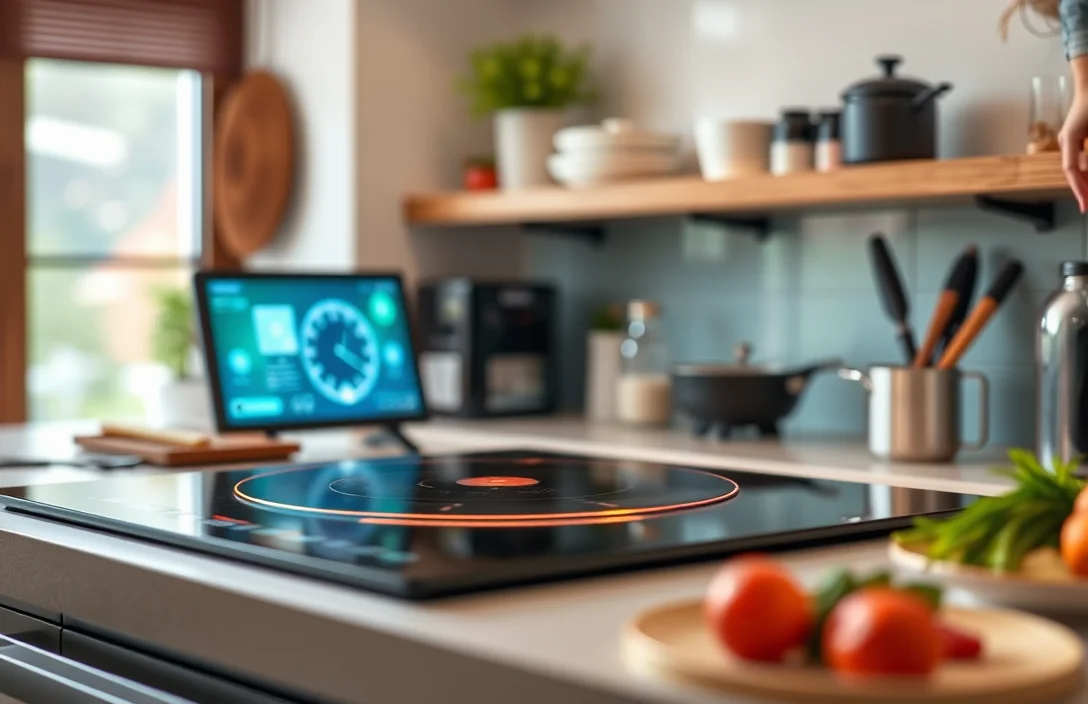
Induction cooking technology has revolutionized the way we prepare meals, offering a blend of speed, efficiency, and precision. As more people seek energy-efficient cooking methods, understanding this technology becomes essential for anyone looking to upgrade their kitchen experience.
This cooking method uses electromagnetic energy to heat pots and pans directly, rather than heating the cooktop. Key features include fast cooking times, easy cleaning, and precise temperature control, making it popular among both home cooks and professional chefs.
Core Concepts and Definitions
This section outlines the fundamental principles behind induction cooking technology, providing clarity on its essential components and terminology. Understanding these core concepts is crucial for grasping how this cooking method differs from traditional techniques and its advantages.
Induction cooking relies on electromagnetic fields to directly heat cookware, which means that the cooking surface itself remains cool to the touch. The key component of this technology is the induction coil, which generates a magnetic field when electricity flows through it. This magnetic field induces an electric current in ferromagnetic cookware, leading to heat generation. Thus, only pots and pans made from magnetic materials, such as cast iron or certain stainless steels, are compatible with induction cooktops.
Another important concept is the efficiency of heat transfer. Induction cooking is known for its rapid heating capabilities and precise temperature control. This efficiency results in faster cooking times compared to gas or electric stovetops and reduces energy consumption. Safety is also enhanced, as the cooktop cools quickly after the cookware is removed, minimizing the risk of burns.
How It Works in Practice
Understanding the practical aspects of induction cooking technology can enhance your cooking experience significantly. This section focuses on how to effectively use induction cooktops and the essential considerations to keep in mind.
Induction cooktops require specific types of cookware to function properly. Only ferrous metal cookware, such as cast iron or stainless steel with magnetic properties, will work. Before cooking, ensure that your pots and pans are compatible. You can test this by using a magnet; if it sticks to the bottom, the cookware is suitable.
When you place a pot on the induction surface and turn on the heat, an electromagnetic field is created beneath the cooking surface. This field generates heat directly in the pot, allowing for rapid heating and precise temperature control. To adjust the cooking temperature, simply turn the dial or press buttons on the control panel. This immediacy allows for quick shifts from high to low heat, making it easier to manage cooking tasks.
Additionally, induction cooktops often include safety features such as automatic shut-off and child locks, enhancing usability and safety in the kitchen. Keep these tips in mind to ensure a smooth cooking experience with this technology.
Key Advantages Worth Knowing
Induction cooking technology offers several significant benefits that can enhance your cooking experience. One of the key advantages is its energy efficiency. Unlike traditional cooking methods that waste heat, induction technology directly heats the cookware, resulting in faster cooking times and less energy consumption.
This efficiency not only reduces your utility bills but also minimizes your kitchen’s heat output, creating a more comfortable cooking environment. Additionally, because the surface of induction cooktops remains cool to the touch, the risk of burns or accidents is significantly lower. This aspect makes it a safer choice, especially in households with children or pets.
Another important point is the precision of temperature control. Induction cooking allows for quick adjustments, enabling you to maintain precise cooking temperatures. This feature is particularly beneficial for delicate tasks such as melting chocolate or simmering sauces, providing consistent results every time.
Overall, the combination of energy efficiency, safety, and precise control makes induction cooking a compelling option for both novice cooks and culinary professionals alike.
Step-by-Step Approach
Understanding the practical aspects of induction cooking technology can significantly enhance your cooking experience. One vital consideration is the cookware you choose. Not all pots and pans are suitable for induction cooking, and selecting the right materials is essential for optimal performance.
Induction cooktops require magnetic cookware for efficient heating. This means that pots and pans made from materials like cast iron and certain stainless steels will work well. To ensure compatibility, check for a magnet test: if a magnet sticks to the bottom of your cookware, it will work on an induction cooktop. Avoid aluminum, glass, or copper cookware unless they have a magnetic base.
Another important factor is the flatness of the cookware’s base. Induction cooking technology operates most effectively with flat-bottomed pots and pans, as this maximizes contact with the cooktop surface and ensures even heating. Additionally, consider the size of your cookware in relation to the induction zone; using a pot that’s too small can lead to inefficient heating and wasted energy.
Investing in high-quality induction-compatible cookware not only enhances your cooking efficiency but also extends the life of your kitchen tools, making it a worthwhile consideration for anyone looking to optimize their cooking setup.
Common Mistakes to Avoid
Understanding induction cooking technology can enhance your culinary experience, but certain mistakes can hinder its effectiveness. One significant error is neglecting the type of cookware you use. Induction cooking relies on magnetic fields to generate heat, meaning only specific materials will work effectively. Using non-magnetic cookware will result in poor heating and cooking performance.
Ensure your pots and pans are made from materials like cast iron, stainless steel, or any metal with a magnetic base. To check if your cookware is compatible, you can perform a simple magnet test; if a magnet sticks to the bottom, it will work with induction technology. Avoid using cookware made from aluminum, glass, or copper unless they have a magnetic layer added. By selecting the correct cookware, you maximize efficiency and achieve better cooking results.
Practical Tips That Help
Understanding how to maximize the efficiency of your cooking setup can enhance your experience with induction cooking technology. One key aspect to consider is the selection of compatible cookware. Choosing the right materials ensures optimal performance and energy transfer.
Use pots and pans made from magnetic materials such as cast iron, stainless steel, or certain types of enameled cookware. Avoid aluminum, glass, or ceramic unless they have a magnetic base. Before purchasing, check for a label indicating induction compatibility. Additionally, ensure that the base of your cookware is flat and smooth; this increases contact with the cooking surface, leading to better heat distribution.
Another practical tip is to size your cookware appropriately to match the induction cooktop’s heating zones. Using a pot that is too small for a burner can result in uneven cooking, while oversized pots may not heat effectively. For optimal results, aim for cookware that closely matches the diameter of the heating element. By following these guidelines, you can fully utilize the advantages of induction cooking and enjoy more consistent cooking outcomes.
Real-World Examples
Understanding how induction cooking technology is applied in real life can enhance appreciation for its benefits. Here are a few practical instances where this cooking method shines, illustrating its efficiency and effectiveness in various settings.
Many professional kitchens have adopted induction cooktops due to their rapid heating capabilities and precise temperature control. For instance, high-end restaurants utilize this technology to prepare delicate sauces that require exact heat settings, ensuring consistency and quality in every dish. Chefs can adjust the temperature instantly, making it easier to achieve perfect results.
In home kitchens, families are increasingly turning to induction cookers for everyday meal preparation. A recent survey indicated that households using these cooktops reported a significant reduction in cooking time and energy usage, making weeknight dinners less stressful. Additionally, parents appreciate the safety features, like the cool surface that minimizes burn risks for children.
Lastly, induction technology is making its way into portable cooking solutions. Food trucks and catering services are utilizing portable induction burners, allowing for quick meal preparation in outdoor events. This versatility showcases how induction cooking is adaptable to various needs and environments.
Getting Started Today
Choosing the right cookware is essential for maximizing the benefits of this cooking technology. While induction cooktops work with various materials, not all pots and pans are compatible. This section will guide you on selecting the best cookware for effective cooking.
Opt for pots and pans made from magnetic materials, such as cast iron or stainless steel, as they are essential for induction cooking. You can test your existing cookware with a magnet; if it sticks, it will work on an induction cooktop. Look for products labeled “induction-compatible” to ensure optimal performance.
Additionally, consider the flatness of the cookware’s base. A smooth, flat bottom ensures better contact with the cooktop, allowing for even heating and efficient energy transfer. Avoid using warped or uneven-bottomed cookware, as it can lead to hot spots and inconsistent cooking results.
Lastly, the size of the cookware should match the induction coil size on your cooktop. Using a pot that is too small may not engage the heating element effectively, resulting in slower cooking times and less efficiency. Proper cookware selection will enhance your cooking experience and ensure that you fully benefit from this innovative cooking method.
Quick Summary
For those ready to transition into induction cooking technology, selecting the right cookware is essential. Not all pots and pans are compatible, so understanding what materials work best can enhance your cooking experience.
Choose cookware made from ferrous materials, such as cast iron or stainless steel with magnetic properties. Avoid aluminum or glass unless they have a magnetic base. Check for labels indicating compatibility with induction cooktops. Additionally, consider the size and shape of the cookware; it should match the size of the induction coil for optimal efficiency. Regularly inspect your pots and pans for warping or damage, as this can impact their effectiveness on induction surfaces.
By ensuring you have the proper cookware, you’ll maximize the benefits of induction cooking, from rapid heating to energy efficiency, making your culinary tasks more enjoyable and effective.
Quick Summary
- Induction cooking uses electromagnetic fields to heat cookware directly, providing faster cooking times.
- This technology is more energy-efficient compared to traditional gas or electric cooking methods.
- Induction cooktops offer precise temperature control, allowing for better cooking results.
- Safety features include automatic shut-off and a cool-to-the-touch surface, reducing the risk of burns.
- Cookware must be compatible with induction cooking; ferrous materials like cast iron and stainless steel work best.
- Induction cooking can be quieter than gas or electric options, as it minimizes noise during operation.
- Installation may require specific electrical requirements, which can affect setup costs.
Frequently Asked Questions
What is induction cooking technology?
Induction cooking technology uses electromagnetic fields to directly heat pots and pans, rather than the cooking surface itself. This results in faster cooking times and more precise temperature control, making it an efficient option for modern kitchens.
How does induction cooking work?
Induction cooktops generate an electromagnetic field that interacts with ferrous (magnetic) cookware. When a pot or pan is placed on the cooktop, the magnetic energy induces heat in the cookware itself, ensuring that only the pan gets hot, while the cooktop remains cool to the touch.
What types of cookware are compatible with induction cooktops?
Only cookware made from magnetic materials, such as cast iron or stainless steel, will work with induction cooktops. To check if your cookware is compatible, simply see if a magnet sticks to the bottom of the pan.
Are induction cooktops safe to use?
Yes, induction cooktops are considered safe as they minimize the risk of burns since the cooktop itself does not get hot. Additionally, the cooktop automatically shuts off when no cookware is detected, reducing the chance of accidents.
What are the advantages of using induction cooking?
Induction cooking offers several advantages, including faster cooking times, energy efficiency, and precise temperature control. Moreover, the cool cooktop surface makes cleaning easier and reduces the risk of kitchen fires.
