
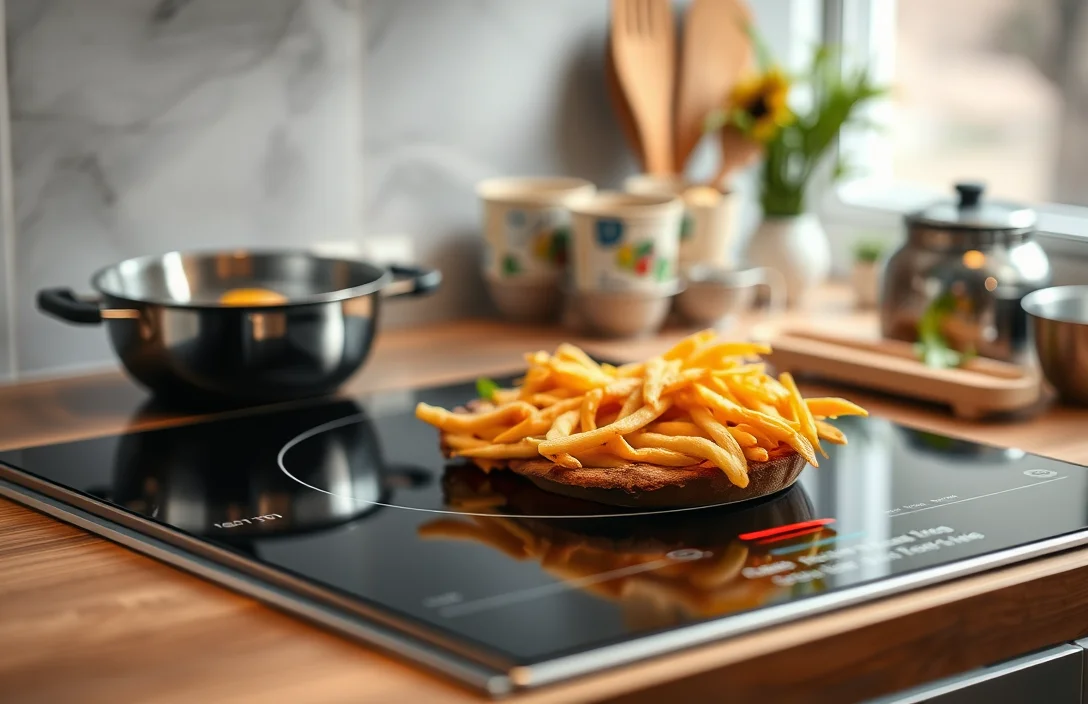
Induction cooking is revolutionizing the way we prepare meals, offering speed, efficiency, and precision. If you’re curious about this innovative cooking method, you’ll find it not only fascinating but also practical for everyday use in your kitchen.
Induction cooking uses electromagnetic energy to heat pots and pans directly, providing instant heat and precise temperature control. Compared to traditional methods, it’s more energy-efficient and safer since the cooktop remains cool to the touch.
Core Concept of Induction
Induction cooking is a method that uses electromagnetic energy to heat cookware directly, rather than relying on an open flame or electric coil. This innovative technology has gained popularity due to its efficiency, speed, and safety features, making it an attractive option for modern kitchens.
The significance of this approach lies in its ability to provide precise temperature control and rapid heating, which can enhance the cooking process. Unlike traditional cooking methods, induction minimizes heat loss and allows for instant adjustments, ensuring that food is cooked evenly and quickly. Additionally, the surface remains cool to the touch, reducing the risk of burns and making it safer for households with children. As energy efficiency becomes increasingly important, induction cooking offers a way to reduce energy consumption while still achieving excellent culinary results.
How Induction Works
Induction cooking relies on the principles of electromagnetic induction to generate heat directly in cookware. This technology is not only efficient but also ensures precise temperature control, making it a preferred choice for many chefs and home cooks alike.
At the core of this process is the electromagnetic field created by an induction coil located beneath the cooktop surface. When an induction-compatible pot or pan is placed on the cooktop, the coil generates an alternating magnetic field. This field induces electric currents, known as eddy currents, in the metal of the cookware.
These eddy currents create heat due to the resistance of the cookware material. The result is that the pot itself heats up, while the surface of the cooktop remains relatively cool. This not only enhances safety but also improves energy efficiency, as heat is generated where it is needed most—within the cookware.
Overall, this innovative method allows for rapid heating and precise temperature adjustments, making induction cooking an effective and modern way to prepare meals.
Key Components of Cooktops
Understanding the essential parts of induction cooktops can significantly enhance cooking efficiency and effectiveness. The technology behind these units relies on specific components that contribute to their unique functionality. Two of the most critical parts are the induction coil and cookware compatibility.
Induction Coil
The induction coil is the heart of the cooktop. This copper wire coil generates a magnetic field when electricity flows through it. When compatible cookware is placed on the cooktop, the magnetic field induces an electric current in the pot or pan, causing it to heat up directly. This direct heating method is not only faster than traditional cooking methods but also more energy-efficient.
Cookware Compatibility
Not all cookware can be used on induction cooktops. For optimal performance, pots and pans must be made of ferrous materials, such as cast iron or stainless steel with magnetic properties. To check compatibility, you can use a magnet; if it sticks to the bottom of your cookware, it will work with an induction cooktop. Using the right cookware ensures efficient heating and prevents damage to both the cookware and the cooktop.
Cooking Techniques for Induction
Effective induction cooking requires understanding specific methods that maximize the benefits of this technology. Mastering temperature control and quick boiling techniques can dramatically improve your cooking experience and efficiency.
Temperature control is critical with induction cooktops. Unlike traditional methods, where heat is transferred through the material, induction directly heats the cookware. This allows for rapid temperature adjustments. When simmering, lower the heat quickly to maintain gentle bubbling, and for searing, preheat your pan to the desired temperature before adding ingredients. A good practice is to use a thermometer for precision, ensuring optimal results without overcooking.
Quick boiling is another technique that showcases induction’s efficiency. Use a wide, flat-bottomed pot to achieve the best contact with the cooktop surface. Fill it with cold water and set the induction unit to its highest setting. With the right cookware, water can reach boiling point in a fraction of the time compared to gas or electric ranges. This method is particularly useful for pasta or blanching vegetables, significantly speeding up meal preparation.
Safety Features of Induction
Induction cooking is not only efficient but also prioritizes safety, making it a preferred option for many home cooks. Various features enhance safety, reducing the risk of burns and accidents in the kitchen. Understanding these aspects can help you feel more confident while using this cooking method.
One significant safety feature is the automatic shut-off function. This technology detects when a pot is removed from the cooking surface or if it has been left unattended for a certain period. If either condition occurs, the induction cooktop automatically turns off, preventing overheating and potential fire hazards.
Another notable safety aspect is cool surface technology. Unlike traditional cooking methods that heat the entire surface, induction cooktops generate heat directly in the cookware. As a result, the surface remains relatively cool to the touch, significantly reducing the risk of burns. This feature is particularly beneficial in households with children or pets, where accidental contact with a hot surface can lead to serious injuries.
These built-in safety features, combined with the precise control of cooking temperatures, make induction cooking a reliable choice for both novice and experienced chefs alike.
Comparison with Other Cooking Methods
Induction cooking offers distinct advantages over gas and electric methods, particularly in energy efficiency and cooking speed. Understanding these differences can help you make an informed decision about which cooking technology suits your needs best.
Energy efficiency is a key factor where induction excels. It directly heats cookware through electromagnetic fields, resulting in minimal heat loss. In contrast, gas stoves waste energy by heating the air around the pot, while traditional electric burners take time to reach the desired temperature, further increasing energy consumption. This efficiency not only saves on electricity bills but also reduces environmental impact.
Cooking speed is another area where induction stands out. It provides rapid heat adjustments, allowing for quick boiling and frying. Gas stoves can take longer to reach high temperatures and require more time to cool down. Electric stoves typically have a slower response time, which can delay cooking processes. Thus, induction cooking allows for precise temperature control and faster meal preparation.
User Experiences and Reviews
User testimonials provide valuable insights into the practicalities of using induction cooking. Many users appreciate the speed and efficiency of induction cooktops, often noting how quickly they heat up and cool down. This feature is especially beneficial for busy households, where time-saving is crucial. Overall satisfaction tends to be high, with many praising the ease of cleaning and the precision of temperature control.
However, some challenges do arise. Users have reported issues with compatibility, as not all cookware is suitable for induction cooking. This can lead to additional costs if new pots and pans are required. Noise is another common concern; some models may emit a faint hum during operation, which can be distracting. Despite these challenges, the overall sentiment is positive, with many users expressing that the benefits outweigh the drawbacks.
In summary, real-life experiences highlight both the advantages and challenges of induction cooking, assisting potential buyers in making informed decisions.
Quick Summary
- Induction cooking uses electromagnetic fields to heat pots and pans directly, providing faster cooking times.
- It offers precise temperature control, allowing for more accurate cooking results.
- Induction cooktops are energy-efficient, as they minimize heat loss and reduce energy consumption.
- Safety is enhanced, as the cooktop remains cool to the touch, reducing the risk of burns.
- Induction cooking requires compatible cookware, typically made of ferrous materials like cast iron or stainless steel.
- Cleaning is easier due to the flat surface of induction cooktops, which prevents spills from burning onto the surface.
- Many modern induction cooktops come with features such as timers, touch controls, and multiple cooking zones for convenience.
Frequently Asked Questions
What is induction cooking?
Induction cooking is a method that uses electromagnetic energy to directly heat pots and pans. Unlike traditional cooking methods that heat the stovetop and then the cookware, induction cooking heats the cookware itself, resulting in faster cooking times and greater energy efficiency.
How does induction cooking work?
Induction cooktops generate a magnetic field that interacts with the metal in induction-compatible cookware. When the cookware is placed on the cooktop, it creates an electric current in the pot, producing heat directly in the cookware and cooking the food inside.
What types of cookware are compatible with induction cooking?
Induction cooking requires specific cookware made of ferrous (magnetic) materials such as cast iron or certain stainless steels. Cookware made of aluminum, copper, or glass will not work unless they have a magnetic base added.
Is induction cooking safe?
Yes, induction cooking is considered safe. The cooktop remains cool to the touch, reducing the risk of burns, and the heat only activates when compatible cookware is in place, minimizing fire hazards.
What are the benefits of induction cooking?
Induction cooking offers several benefits, including faster cooking times, precise temperature control, and energy efficiency. Additionally, it is easier to clean as spills do not burn onto the cool cooktop surface.
