
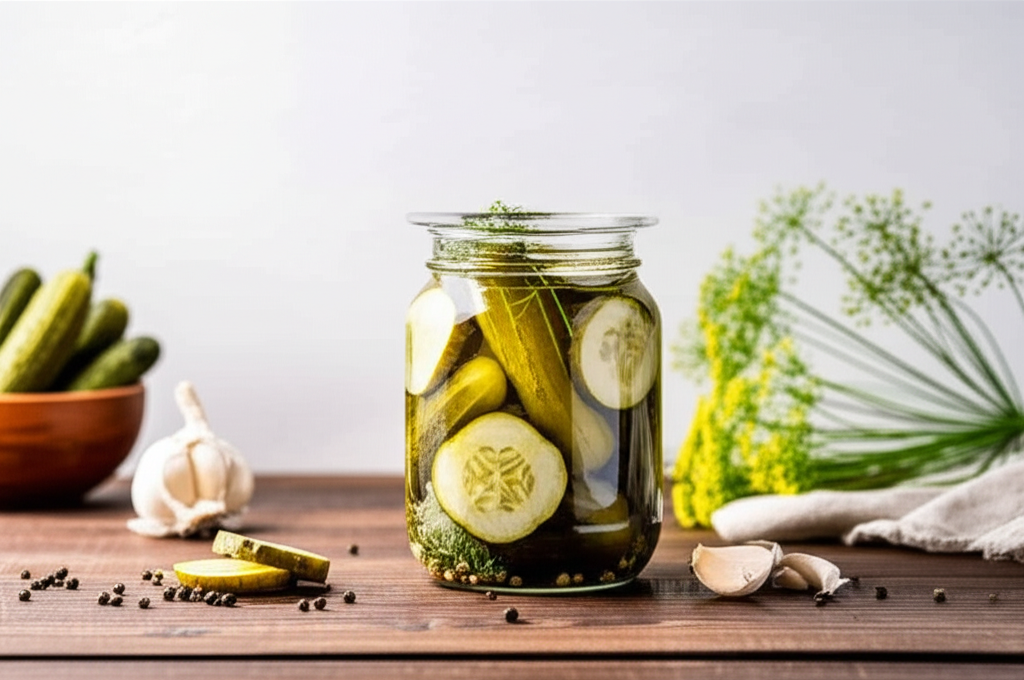
You can easily make delicious sour pickles at home with this simple recipe. Discover the secrets to perfectly crisp, tangy pickles that are far superior to store-bought options. Get ready for a taste of homemade goodness!
Making your own sour pickles is a rewarding kitchen adventure, even if you’ve never canned before. Imagine opening a jar of perfectly crisp, zesty pickles whenever the craving strikes! It might sound intimidating, but with a few simple steps and a little guidance, you can achieve fantastic results. We’ll walk you through everything, from selecting the best cucumbers to achieving that ideal sour crunch. Get ready to impress yourself and your family with these amazing homemade pickles!
Why Homemade Sour Pickles Reign Supreme
You might be wondering, why bother making pickles when you can grab a jar from the grocery store? The answer is simple: flavor, freshness, and control!
Unbeatable Flavor: Homemade sour pickles offer a depth of flavor that’s hard to replicate. The natural fermentation process creates a complex, tangy taste that’s incredibly satisfying.
Crisp Perfection: Achieving that satisfying crunch is a common pickle-making goal. We’ll share tips to ensure your pickles stay delightfully crisp.
Ingredient Control: You know exactly what goes into your pickles – fresh ingredients, no artificial preservatives, and the perfect balance of spices.
Cost-Effective: Making pickles in batches can be much more economical than buying them regularly.
The Joy of Preservation: There’s a unique satisfaction in preserving fresh produce and enjoying it later.
The Essential Guide to Making Sour Pickles
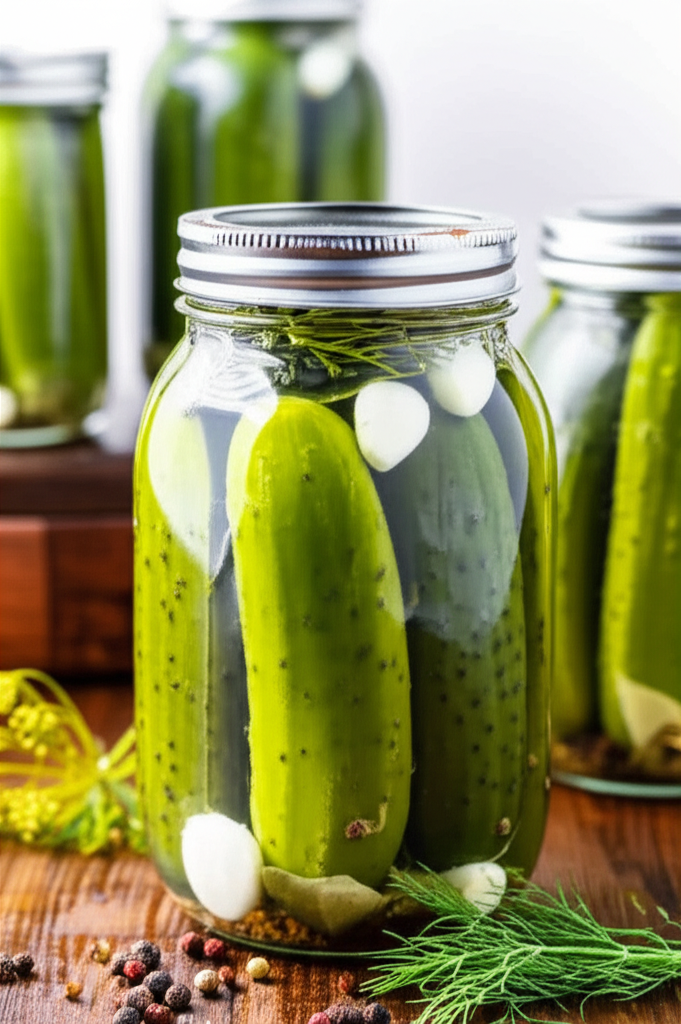
This recipe focuses on a traditional lacto-fermentation method, which relies on naturally occurring lactic acid bacteria to create that characteristic sour flavor and preserve the pickles. It’s a more natural and often tastier approach than using vinegar.
What You’ll Need: The Perfect Pickle Toolkit
Gathering your supplies is the first step to pickle success! Don’t worry if you don’t have everything; many items are easily found or can be substituted.
Ingredients:
Cucumbers: 2-3 pounds of pickling cucumbers (also known as Kirby cucumbers). Look for firm, unwaxed, and blemish-free cucumbers. The fresher, the better!
Water: 6 cups of non-chlorinated water. Chlorinated water can inhibit the fermentation process. If your tap water is chlorinated, let it sit out for 24 hours to allow the chlorine to dissipate, or use filtered or bottled spring water.
Salt: 3 tablespoons of non-iodized salt (like pickling salt, sea salt, or kosher salt). Iodine can darken pickles and affect their flavor.
Garlic: 4-6 cloves, peeled and smashed.
Dill: 2-3 fresh dill heads or 1 tablespoon dried dill. Fresh is preferred for the best flavor and aroma.
Peppercorns: 1 teaspoon black peppercorns.
Mustard Seeds: 1 teaspoon yellow mustard seeds.
Optional Spices: A few sprigs of fresh dill, bay leaves, coriander seeds, or a pinch of red pepper flakes for a touch of heat.
Equipment:
Large Glass Jars: 2-3 quart-sized (32 oz) glass jars with lids. Make sure they are clean and sterilized. You can sterilize jars by boiling them in water for 10 minutes or running them through a hot dishwasher cycle.
Weighting Material: Something to keep the cucumbers submerged below the brine. Options include:
Smaller glass jars filled with water.
Fermentation weights (specifically designed for this purpose).
Clean rocks or pebbles (boiled and thoroughly cleaned).
A large cabbage leaf folded to fit the jar opening.
Non-Metallic Utensils: Use wooden or plastic spoons, as metal can react with the brine.
Step-by-Step: Crafting Your Sour Pickles
Follow these straightforward steps for pickle perfection. Remember, patience is key in fermentation!
Step 1: Prepare Your Cucumbers
1. Wash Thoroughly: Gently scrub the cucumbers under cool running water to remove any dirt.
2. Trim Ends: Trim about 1/8 inch off both ends of each cucumber. This is crucial because the blossom end contains enzymes that can make pickles soft.
3. Cut or Leave Whole: You can leave smaller cucumbers whole, or cut larger ones into spears or slices. Spears are classic for snacking, while slices are great for sandwiches.
Step 2: Prepare Your Jars and Flavorings
1. Sterilize Jars: Ensure your glass jars are clean and sterilized.
2. Add Aromatics: Place smashed garlic cloves, dill heads (or dried dill), peppercorns, and mustard seeds into the bottom of each clean jar. Add any other optional spices you’re using.
Step 3: Pack the Jars
1. Layer Cucumbers: Tightly pack the prepared cucumbers into the jars, standing them upright if making spears or layering them if using slices. Pack them snugly, but don’t force them so hard that they bruise.
2. Leave Headspace: Leave about 1-2 inches of headspace at the top of each jar. This space is needed for the brine and to allow for fermentation activity.
Step 4: Make the Brine
1. Combine Water and Salt: In a separate non-metallic bowl or pitcher, dissolve the non-iodized salt in the non-chlorinated water. Stir well until the salt is completely dissolved. This is your fermentation brine.
Step 5: Add the Brine and Weights
1. Pour Brine: Carefully pour the brine over the cucumbers in the jars, ensuring the cucumbers are completely submerged.
2. Submerge Cucumbers: Place your chosen weight material on top of the cucumbers to keep them submerged beneath the brine. It is absolutely critical that all cucumber pieces remain underwater to prevent mold growth. If any part of a cucumber is exposed to air, it can spoil the batch.
Step 6: Fermenting Your Pickles
1. Cover Jars: Loosely cover the jars with their lids. You don’t want to seal them tightly, as fermentation produces gases that need to escape. You can also use a fermentation lid with an airlock, or cover the opening with cheesecloth secured with a rubber band.
2. Place in a Cool, Dark Place: Put the jars on a plate or tray (to catch any potential overflow) in a cool, dark place with a consistent temperature, ideally between 65-75°F (18-24°C). A pantry or basement shelf is often perfect.
3. Monitor Daily: Check your pickles daily. You should start to see small bubbles forming within a day or two – this is a sign of active fermentation! You might also notice the brine becoming cloudy. This is normal and desirable.
4. Skim Foam: Occasionally, a white foam may form on the surface. Gently skim this off with a clean spoon. This is usually kahm yeast and is harmless, but removing it can help prevent off-flavors.
5. Taste Test: After about 3-7 days, you can start tasting your pickles. Use a clean utensil each time. They will become progressively more sour and flavorful over time. The exact time depends on the temperature and your desired level of sourness.
Step 7: Refrigerate and Enjoy!
1. Seal and Chill: Once your pickles have reached your desired level of sourness and crispness, remove the weights and any large dill sprigs. Secure the lids tightly and transfer the jars to the refrigerator.
2. Allow to Mature: The pickles will continue to develop flavor in the refrigerator. They are typically best after a week or two of chilling, but you can start enjoying them immediately.
3. Storage: Properly fermented and refrigerated sour pickles can last for several months.
The Secrets to Pickle Perfection: Crispness and Flavor
Achieving that perfect pickle involves a few key considerations. These are the “amazing secrets” that elevate your homemade pickles from good to unforgettable.
Key Factors for Crisp Pickles:
Cucumber Freshness: Use the freshest cucumbers you can find. The longer they sit, the softer they become.
Blossom End Removal: As mentioned, this is non-negotiable! The blossom end contains enzymes that break down pectin, leading to mushy pickles.
Non-Iodized Salt: Iodine can affect pickle texture and color. Stick to pickling, sea, or kosher salt.
Tannins: Adding grape leaves, oak leaves, or horseradish leaves to your jar provides natural tannins, which help keep pickles firm. A large cabbage leaf can also serve this purpose.
Temperature Control: Fermenting at the ideal temperature (65-75°F) promotes good bacteria growth without becoming too soft. Temperatures above 80°F can lead to mushy pickles.
Submersion: Keeping cucumbers fully submerged in brine is vital for preventing spoilage and maintaining texture.
Flavor Enhancers:
Fresh Dill: Fresh dill imparts a brighter, more nuanced flavor than dried dill.
Garlic: Use whole, smashed cloves for a robust garlic infusion.
Spices: Experiment with peppercorns, mustard seeds, coriander, and chili flakes to customize your flavor profile. Toasting whole spices before adding them can also boost their flavor.
Fermentation Time: The longer you ferment (within reason), the more complex and sour the flavor will become.
Troubleshooting Common Pickle Problems
Even with the best intentions, you might encounter a hiccup. Here’s how to handle common issues:
Mushy Pickles: This is usually due to old cucumbers, failure to trim blossom ends, high fermentation temperatures, or improper submersion. Ensure you follow the steps diligently for crispness.
Mold: If you see fuzzy, colorful mold (blue, green, black), discard the entire batch immediately. This is usually caused by cucumbers not being fully submerged, allowing air exposure. White film (kahm yeast) is generally harmless and can be skimmed off.
Cloudy Brine: This is normal and a sign of healthy fermentation!
Soft Skins: If your cucumber skins seem soft even before fermentation, try adding a tannin-rich leaf (like grape or oak) to the jar.
Understanding Fermentation: A Kitchen Science
Lacto-fermentation is a natural preservation process. Lactic acid bacteria, naturally present on the surface of vegetables, convert sugars into lactic acid. This acid acts as a preservative, preventing spoilage from harmful bacteria and giving the pickles their signature sour taste. For more in-depth information on the science behind fermentation, you can explore resources from institutions like the National Center for Home Food Preservation, which offers excellent guidelines and research on safe food preservation techniques.
Frequently Asked Questions About Sour Pickles
Here are some common questions beginners have about making sour pickles.
Q1: Can I use regular cucumbers from the grocery store?
While it’s best to use pickling cucumbers (like Kirby), you can sometimes use regular cucumbers if they are very fresh and firm. However, they may not be as crisp as dedicated pickling varieties.
Q2: What is the best temperature for fermenting pickles?
The ideal temperature range for lacto-fermenting pickles is between 65°F and 75°F (18°C to 24°C). Cooler temperatures slow down fermentation, while warmer temperatures can lead to softer pickles.
Q3: My pickles look cloudy. Is that normal?
Yes, cloudy brine is completely normal and a good sign of active fermentation. It indicates that the beneficial lactic acid bacteria are at work.
Q4: How long do sour pickles take to ferment?
The fermentation time varies depending on temperature and your preference. Typically, it takes anywhere from 3 days to 2 weeks. You can start tasting after 3-4 days and let them ferment until they reach your desired sourness.
Q5: Can I use iodized salt in my pickle brine?
It’s strongly recommended to use non-iodized salt (pickling salt, sea salt, or kosher salt). Iodine can cause pickles to darken and can sometimes affect the flavor and texture negatively.
Q6: What should I do if I see mold on my pickles?
If you see fuzzy, colored mold (like blue, green, or black), it means the batch is compromised. You must discard the entire batch to avoid any health risks. Ensure your cucumbers are always submerged to prevent mold.
Comparing Brining Methods: Salt vs. Vinegar
While this guide focuses on lacto-fermentation (using salt brine), it’s helpful to understand the difference between this method and quick pickles (using vinegar).
| Feature | Lacto-Fermented Sour Pickles (Salt Brine) | Quick Pickles (Vinegar Brine) |
|---|---|---|
| Preservative Method | Lactic acid produced by beneficial bacteria. | Vinegar (acetic acid). |
| Flavor Profile | Tangy, complex, slightly effervescent, naturally sour. | Sharp, acidic, vinegary. |
| Texture | Can be exceptionally crisp if made correctly; naturally preserves. | Can be crisp, but sometimes softer than well-fermented pickles; relies on acid. |
| Fermentation Time | Requires days to weeks for desired sourness. | Ready to eat in hours or days (no true fermentation). |
| Health Benefits | Contains probiotics, beneficial for gut health. | No probiotic benefits; primarily acidic. |
| Equipment | Requires clean jars, non-metallic utensils, weights. | Requires clean jars, non-metallic utensils. |
Conclusion: Your Pickle-Making Journey Begins!
You’ve now got all the essential knowledge to embark on your sour pickle-making adventure. From selecting the freshest cucumbers to understanding the magic of fermentation, you’re well-equipped to create pickles that burst with flavor and a satisfying crunch. Remember, the most important ingredients are fresh produce, the right salt, clean equipment, and a little patience. Don’t be afraid to experiment with different spices to find your perfect flavor combination. Happy pickling, and enjoy the delicious results of your kitchen efforts!
