
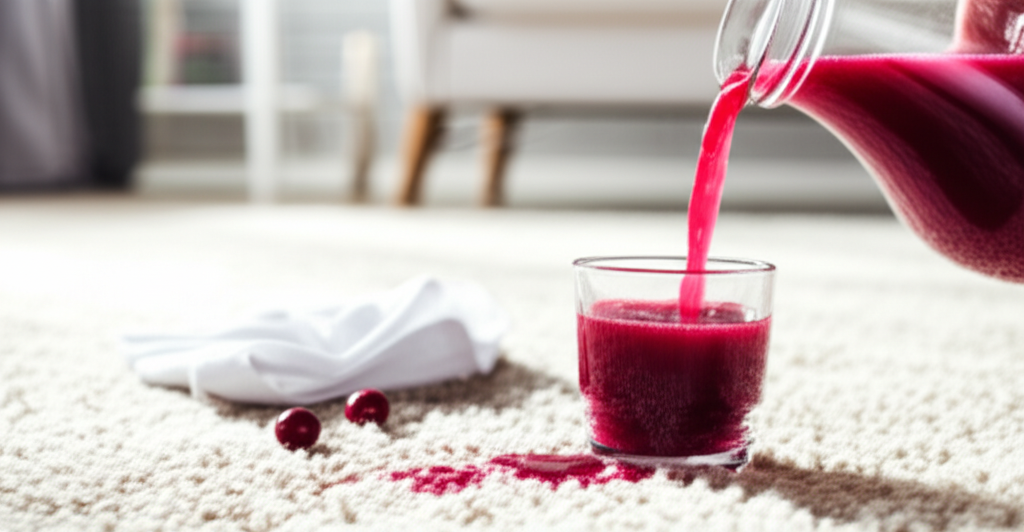
Yes, you can remove cranberry juice stains from carpet! With a few simple household items and this easy-to-follow guide, you can say goodbye to those stubborn red marks and restore your carpet to its former glory. We’ll walk you through everything you need to know to tackle this common household mishap with confidence.
Oh no! That dreaded crimson spill. Cranberry juice, while delicious and packed with antioxidants, is notorious for leaving behind some of the most stubborn stains on carpets. Whether it was a joyful sip that went astray or a mishap during a holiday gathering, seeing that bright red splotch can feel like a carpet catastrophe. But don’t despair! As your friendly guide from The Honey Pot Bakery, I’m here to assure you that this is a common kitchen and living room adventure, and one we can easily navigate together. We’ll uncover the best, most natural ways to lift that cranberry stain, leaving your carpet looking as good as new. Get ready to be surprised by how effective simple, everyday solutions can be!
Why Cranberry Juice Stains Are So Tricky
Cranberry juice owes its vibrant color and its staining power to natural pigments called anthocyanins. These are the same compounds that give blueberries, cherries, and red grapes their rich hues. When these pigments come into contact with carpet fibers, they can bind to them, making removal a challenge. The natural acidity of cranberry juice can also sometimes affect certain carpet materials if left untreated for too long. Understanding this helps us appreciate why a gentle, yet effective, approach is key.
Your Cranberry Stain Removal Toolkit
Before we dive into the steps, let’s gather what you’ll need. Having these items ready will make the process smooth and efficient.
- Clean white cloths or paper towels
- Cool water
- Mild dish soap (clear, dye-free is best)
- White vinegar
- Baking soda
- Spray bottle
- Small bowl
- Spoon or butter knife (for blotting, not scraping!)
- Optional: Commercial carpet stain remover (check for colorfastness first)
- Optional: Hydrogen peroxide (for very stubborn stains, use with caution)
Step-by-Step: The Cranberry Juice Stain Rescue Mission
Timing is everything when it comes to juice stains! The sooner you act, the easier it will be to remove.
Step 1: Blot, Don’t Rub! (The Golden Rule)
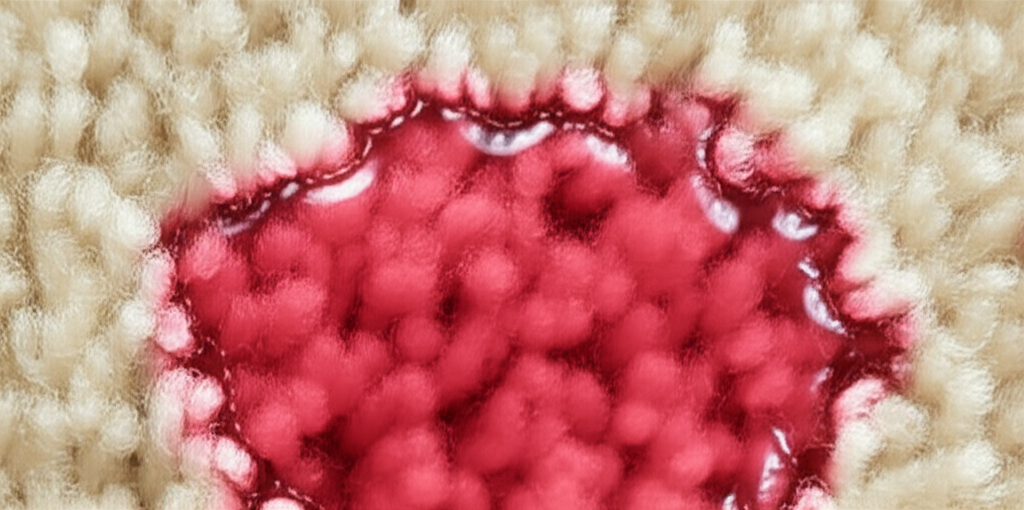
As soon as the spill happens, grab your clean white cloths or paper towels. Gently blot the area from the outside of the stain inward. This is crucial! Rubbing will only spread the stain and push it deeper into the carpet fibers, making it much harder to remove. Think of it like gently pressing a sponge onto the spill to absorb as much liquid as possible.
Step 2: The Cool Water Flush
Once you’ve blotted up the excess juice, it’s time for a cool water rinse. Lightly dampen a clean cloth with cool water and continue blotting the stained area. Again, work from the outside in. Cool water helps to dilute the stain without setting it. Avoid hot water, as heat can sometimes set protein-based stains and even some natural dyes.
Step 3: The Mild Dish Soap Solution
In a small bowl, mix one tablespoon of mild, clear dish soap with two cups of cool water. Dip a clean white cloth into this solution and wring it out so it’s damp, not soaking. Gently blot the stained area with this soapy solution. You should start to see the stain lifting onto the cloth. Continue blotting, switching to a clean section of the cloth as it picks up the color.
Step 4: Rinse Away the Soap
It’s important to remove the soap residue, as it can attract dirt later. Dampen another clean cloth with plain cool water and blot the area to rinse. Repeat this rinsing process a few times to ensure all the soap is gone.
Step 5: The White Vinegar Power-Up (For Tougher Stains)
If the stain is still visible, it’s time for a gentle acidic boost. Mix one part white vinegar with two parts cool water in a spray bottle. Lightly mist the stained area. Let it sit for about 5-10 minutes. The acidity of the vinegar can help break down the pigments in the cranberry juice.
Step 6: Blot Again, Blot Again!
After the vinegar solution has had a few minutes to work, blot the area thoroughly with clean, dry cloths. You should see more of the stain transferring to the cloths. Continue blotting until no more color is being lifted.
Step 7: The Baking Soda Absorb & Neutralize
For any lingering traces or to help absorb any remaining moisture and odor, sprinkle a generous amount of baking soda over the damp area. Let it sit for several hours, or even overnight, to dry completely. Baking soda is a fantastic natural deodorizer and absorbent.
Step 8: Vacuum and Assess
Once the baking soda is completely dry, vacuum the area thoroughly. This will remove the baking soda and any residual stain particles. Inspect the carpet. You might be amazed at how much has disappeared!
When to Call in the Cavalry: Stubborn Stains
If, after following these steps, you still see a faint mark, don’t give up hope! For particularly persistent cranberry juice stains, you might consider a couple of other options:
- Hydrogen Peroxide Spot Test: For light-colored carpets, a 3% hydrogen peroxide solution can be effective. Crucially, always test this in an inconspicuous area of your carpet first to ensure it doesn’t bleach or damage the fibers. If the test is successful, apply a small amount to a clean cloth and blot the stain. Let it sit for a few minutes, then rinse thoroughly with cool water and blot dry.
- Commercial Carpet Cleaner: There are many excellent carpet stain removers on the market. Choose one specifically designed for pet stains or red wine/juice stains. Again, always follow the product instructions and perform a spot test in a hidden area first. For a comprehensive guide to carpet care, the U.S. Environmental Protection Agency offers useful tips on maintaining your home’s surfaces.
Understanding Your Carpet Fibers
Different carpet materials react differently to cleaning solutions. Always consider what your carpet is made of before applying any cleaning agent.
| Carpet Type | Considerations | Recommended Approach |
|---|---|---|
| Wool | Natural fibers can be sensitive to alkaline cleaners and harsh chemicals. | Stick to cool water, mild dish soap, and white vinegar. Avoid bleach-based products. |
| Synthetic (Nylon, Polyester, Olefin) | Generally more durable and resistant to staining and cleaning solutions. | Can tolerate a wider range of cleaning solutions, but always spot test. |
| Natural Fibers (Sisal, Jute) | Very sensitive to moisture and can stain easily. | Use minimal moisture. Blotting is key. Consider professional cleaning for significant stains. |
Frequently Asked Questions about Cranberry Juice Stains
Q1: How quickly do I need to clean a cranberry juice stain?
A1: The sooner, the better! Fresh stains are significantly easier to remove than dried-in ones. Blot up as much as possible immediately.
Q2: Can I use hot water to clean cranberry juice?
A2: No, it’s best to use cool water. Hot water can sometimes set stains, especially those with natural dyes or proteins, making them harder to lift.
Q3: Will vinegar damage my carpet?
A3: Diluted white vinegar (one part vinegar to two parts water) is generally safe for most carpets and can be very effective at breaking down stains. Always spot test in an inconspicuous area first to be absolutely sure.
Q4: What if the stain is old and dried?
A4: Old, dried stains are tougher. You might need to repeat the cleaning steps several times. You can also try lightly dampening the stain with cool water and letting it sit for a few minutes before blotting to rehydrate it before applying cleaning solutions.
Q5: Can I use bleach on cranberry juice stains?
A5: It’s generally not recommended to use bleach on carpets, as it can damage the fibers and remove color, leading to a new, permanent stain. Stick to milder, color-safe cleaning agents.
Q6: My carpet is a dark color. Will these methods work?
A6: Yes, these methods are designed to lift stains without removing carpet color when used as directed. The key is gentle blotting and thorough rinsing. Always perform a spot test, especially if using hydrogen peroxide.
Preventing Future Juice Spills
While accidents happen, here are a few tips to minimize future cranberry juice mishaps:
- Serve juice in spill-proof cups or bottles, especially around children.
- Consider using a tray when carrying glasses of juice.
- If you’re juicing at home, place a drop cloth or old towels under your juicer to catch any drips.
- Keep your cleaning supplies handy so you can act fast if a spill does occur.
The Sweet Taste of a Clean Carpet
Seeing that cranberry juice stain vanish is incredibly satisfying, isn’t it? You’ve successfully navigated a common household challenge with simple, effective methods. Remember, patience and gentle persistence are your best allies. By acting quickly and using the right techniques, you can keep your carpets looking beautiful and inviting, ready for more healthy sips and happy moments. Enjoy the peace of mind that comes with knowing you can tackle these everyday messes with confidence!
