
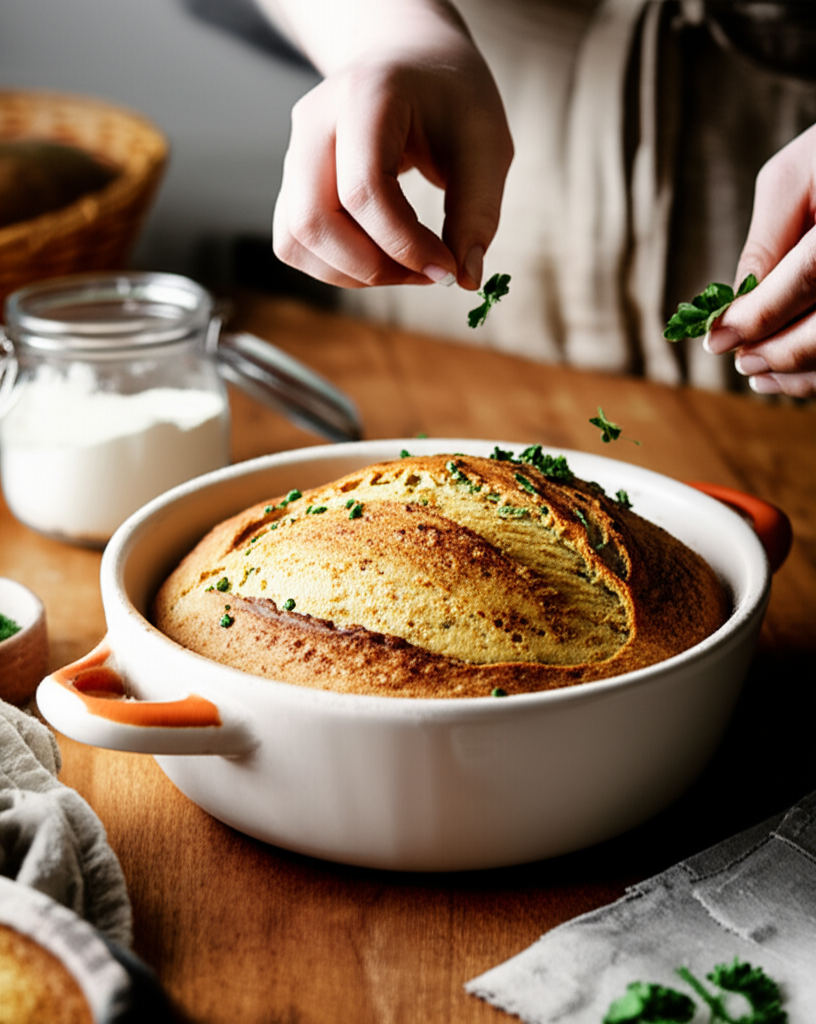
Don’t toss that sourdough discard! Learn how to easily add it to everyday recipes for incredible flavor and texture, transforming common baked goods into something truly special. Discover simple, delicious ways to use every bit of your starter.
So, you’ve got a bubbling sourdough starter, and with every feeding, there’s that little bit left over. It feels like a shame to just throw it away, doesn’t it? Many home bakers find themselves in this exact spot, wondering what to do with their precious sourdough discard. It’s a common kitchen question, and the good news is, it’s incredibly simple to repurpose! Think of discard not as waste, but as a flavorful ingredient waiting to be discovered. We’ll walk you through exactly how to add sourdough discard to your favorite recipes, unlocking amazing taste and texture without any fuss. Get ready to say goodbye to discard waste and hello to deliciousness!
What Exactly IS Sourdough Discard?
Before we dive into the amazing uses, let’s clarify what sourdough discard actually is. When you feed your sourdough starter, you typically remove a portion of it – this is the discard. It’s essentially an unfed portion of your starter, usually made up of flour, water, and the active yeast and bacteria that give sourdough its unique tang. Unlike active starter, which is fed and ready to leaven bread, discard isn’t usually strong enough to make a loaf rise on its own. However, its tangy flavor and unique properties make it a fantastic addition to a wide range of baked goods and even some savory dishes. It’s a versatile ingredient that adds depth and character without requiring the precise timing of active starter usage.
The Magic of Adding Sourdough Discard to Recipes
Why bother adding sourdough discard to your cooking? It’s more than just a way to reduce waste; it’s a culinary secret weapon! Here’s what makes it so wonderful:
Flavor Boost: The natural fermentation in discard adds a delightful, complex tang and depth of flavor that you just can’t get from commercial yeast. It makes simple recipes sing!
Improved Texture: Discard can contribute to a chewier crumb in baked goods and a wonderfully tender texture in pancakes and waffles.
Nutrient Enhancement: The fermentation process can predigest some of the gluten and phytic acid in the flour, potentially making the nutrients more accessible.
Reduced Waste, Increased Value: The most obvious benefit is using up something you’d otherwise discard, turning a potential waste product into delicious food.
How to Add Sourdough Discard: A Beginner’s Guide
Adding sourdough discard to recipes is remarkably straightforward. You don’t need to be a sourdough expert to enjoy its benefits. The key is understanding how much to add and how it might affect your recipe.
Understanding Discard Ratios
A good starting point for most recipes is to replace a portion of the flour and liquid with your discard. A common ratio is to consider discard as roughly 50% flour and 50% water by weight, though this can vary based on your starter’s hydration.
General Rule of Thumb: For every 100 grams (about ½ cup) of sourdough discard you use, you can typically reduce the flour in your recipe by about 50 grams and the liquid by about 50 grams.
Adjusting for Flavor: If you prefer a milder tang, start with a smaller amount of discard. For a more pronounced sourdough flavor, increase the discard.
Consistency Matters: If your discard is very thick, you might need slightly less liquid in the recipe. If it’s very runny, you might need to adjust the liquid slightly upwards.
Simple Swaps for Common Recipes
Let’s look at some easy ways to incorporate discard:
1. Pancakes and Waffles
This is perhaps the most popular and easiest way to use sourdough discard.
How to Add:
For a standard pancake or waffle recipe that calls for 1-2 cups of flour, you can often substitute ¼ to ½ cup of your sourdough discard. Reduce the milk or water in the recipe by a similar amount.
Example Swap:
If a recipe calls for 2 cups flour, 1.5 cups milk, and 2 eggs:
Modified Recipe: Use 1.75 cups flour, 1 cup milk, ½ cup sourdough discard, and 2 eggs.
Tip: Letting the batter rest for 15-30 minutes after adding the discard can enhance the flavor and texture.
2. Biscuits and Scones
Sourdough discard adds a wonderful tenderness and a subtle tang to these classic baked goods.
How to Add:
Substitute about ¼ to ½ cup of discard for some of the flour and liquid in your favorite biscuit or scone recipe.
Example Swap:
For a recipe calling for 2 cups flour and ¾ cup milk:
Modified Recipe: Use 1.75 cups flour, ½ cup milk, and ¼ cup sourdough discard.
Tip: Discard can make the dough slightly stickier, so you might need a touch more flour when rolling or shaping.
3. Muffins and Quick Breads
Give your muffins and quick breads an extra layer of flavor and a softer crumb.
How to Add:
In recipes for muffins, quick breads, or loaf cakes, you can often add ½ cup to 1 cup of sourdough discard. Reduce the liquid (milk, water, oil) by a similar volume.
Example Swap:
For a muffin recipe calling for 2 cups flour, 1 cup milk, and ½ cup oil:
Modified Recipe: Use 1.75 cups flour, ½ cup milk, ½ cup sourdough discard, and ½ cup oil.
Tip: Don’t overmix the batter once the discard is added, as this can lead to tougher muffins.
4. Crackers and Pretzels
Sourdough discard is perfect for creating crispy, flavorful crackers or chewy, tangy pretzels.
How to Add:
Many cracker recipes are very forgiving. You can often replace a significant portion of the flour and liquid with discard. For pretzels, the tang from the discard complements the traditional lye or baking soda bath beautifully.
Example Swap for Crackers:
A basic cracker recipe might use 1 cup flour, ¼ cup water, and 2 tbsp oil. You could try:
Modified Recipe: Use ¾ cup flour, ¼ cup sourdough discard, and 2 tbsp oil. You might need to adjust the water slightly to reach your desired dough consistency.
Tip: Thinly rolling the dough for crackers will result in maximum crispiness.
5. Pizza Dough and Flatbreads
Adding discard to your pizza dough or flatbread recipe can yield a more flavorful crust with a delightful chew.
How to Add:
You can replace up to 20-30% of the flour and water in your pizza dough recipe with sourdough discard.
Example Swap:
For a pizza dough recipe using 3 cups flour and 1 cup water:
Modified Recipe: Use 2.5 cups flour, ½ cup water, and ½ cup sourdough discard.
Tip: Allowing the pizza dough to ferment longer with the discard can develop even more flavor.
6. Savory Applications
Don’t limit yourself to sweet treats! Sourdough discard can also enhance savory dishes.
Thickeners: Use discard as a thickener for soups and stews. Stir it in during the last 15-20 minutes of simmering. It adds body and a subtle tang.
Batter for Frying: Mix discard into batters for fried chicken, fish, or vegetables. It can create a crispier, more flavorful coating.
Tip: For thickening, start by whisking in a couple of tablespoons of discard and see how it affects the consistency, adding more as needed.
Recipes That Shine with Sourdough Discard
Here are a few popular and easy recipes where sourdough discard truly shines:
Sourdough Discard Pancakes
These pancakes are light, fluffy, and have a wonderful subtle tang. They’re a weekend brunch favorite!
Yields: 8-10 pancakes
Prep time: 5 minutes (+ optional resting time)
Cook time: 2-3 minutes per side
Ingredients:
- 1 ½ cups all-purpose flour
- 2 tablespoons sugar
- 2 teaspoons baking powder
- ½ teaspoon baking soda
- ¼ teaspoon salt
- 1 cup milk (or buttermilk for extra tang)
- ½ cup sourdough discard (fed or unfed, at room temperature)
- 1 large egg
- 2 tablespoons melted butter or vegetable oil, plus more for cooking
Instructions:
- In a large bowl, whisk together the flour, sugar, baking powder, baking soda, and salt.
- In a separate medium bowl, whisk together the milk, sourdough discard, egg, and melted butter or oil.
- Pour the wet ingredients into the dry ingredients. Whisk gently until just combined. A few lumps are okay! Do not overmix.
- Optional: Let the batter rest for 15-30 minutes at room temperature to allow the discard to work its magic.
- Heat a lightly oiled griddle or frying pan over medium heat.
- Pour about ¼ cup of batter onto the hot griddle for each pancake.
- Cook for 2-3 minutes per side, or until golden brown and cooked through.
- Serve warm with your favorite toppings like butter, syrup, or fresh fruit.
Sourdough Discard Crackers
Crispy, savory, and incredibly addictive, these crackers are perfect for snacking or serving with cheese.
Yields: Approximately 24-30 crackers
Prep time: 10 minutes (+ 30 minutes chilling)
Cook time: 15-20 minutes
Ingredients:
- 1 cup all-purpose flour
- ½ cup sourdough discard (fed or unfed)
- ¼ cup olive oil
- ½ teaspoon salt
- Optional flavorings: herbs, seeds, garlic powder, onion powder, parmesan cheese
Instructions:
- In a medium bowl, combine the flour, sourdough discard, olive oil, and salt. Add any optional flavorings at this stage.
- Stir with a spoon or spatula until a shaggy dough forms.
- Turn the dough out onto a lightly floured surface and knead for about 1-2 minutes until it just comes together. It will be a bit sticky.
- Flatten the dough into a disc, wrap it in plastic wrap, and refrigerate for at least 30 minutes. This makes it easier to roll.
- Preheat your oven to 350°F (175°C). Line two baking sheets with parchment paper.
- Remove the dough from the refrigerator. Place it between two sheets of parchment paper and roll it out very thinly, about 1/16 to 1/8 inch thick. The thinner the dough, the crispier the crackers.
- Carefully peel off the top layer of parchment. Using a pizza cutter or knife, score the dough into desired cracker shapes (squares or rectangles). You can also poke each cracker with a fork to prevent puffing.
- Transfer the bottom parchment with the scored dough onto a baking sheet. Sprinkle with a little flaky sea salt if desired.
- Bake for 15-20 minutes, or until the crackers are golden brown and crisp. Keep an eye on them, as thin crackers can burn quickly.
- Let cool completely on the baking sheet before breaking them apart along the scored lines.
Tips for Success When Using Sourdough Discard
Working with sourdough discard is generally very forgiving, but a few tips can ensure your success:
Room Temperature Discard: Using discard that is closer to room temperature will help it incorporate more easily into your batters and doughs.
Don’t Overmix: Like with most baked goods, overmixing can develop gluten too much, leading to tougher results. Mix just until the ingredients are combined.
Adjust Liquids: Your starter’s hydration level can affect how much liquid you need. Always have a little extra milk, water, or oil on hand to adjust the dough or batter consistency if it feels too dry or too wet.
Flavor Profile: Unfed discard generally has a more pronounced tangy flavor than recently fed discard. Consider this when deciding how much to use, especially in sweeter recipes.
Storage: You can store sourdough discard in an airtight container in the refrigerator for up to a week or two. It’s best to use it within a few days for optimal flavor.
Troubleshooting Common Discard Issues
Even with simple recipes, you might encounter a hiccup. Here’s how to handle them:
Dough Too Sticky: If your dough is unmanageably sticky, resist the urge to add too much extra flour. Instead, try chilling the dough for 15-30 minutes. If it’s still too sticky, add flour just a tablespoon at a time.
Batter Too Thin: If your pancake or waffle batter seems too thin after adding discard, you can add a tablespoon or two of flour at a time until it reaches a good consistency.
Flavor Too Tangy: If your baked goods turn out tangier than you prefer, the easiest solution for next time is to use less discard or ensure your discard is from a more recently fed starter. You can also slightly increase the sugar or add a pinch of baking soda to help neutralize some of the acidity.
Not Enough Rise: Remember, discard isn’t meant to be a primary leavening agent like active starter. If you’re using it in a recipe that relies heavily on leavening (like bread), you’ll still need baking powder or yeast.
Frequently Asked Questions About Sourdough Discard
Here are some common questions beginners have about using sourdough discard:
Q1: Can I use unfed sourdough discard?
A1: Yes, absolutely! Unfed discard is perfectly fine to use in most recipes. It will have a tangier flavor, which is often desirable in baked goods. Just ensure it’s been stored properly in the refrigerator.
Q2: How long can I store sourdough discard in the fridge?
A2: Sourdough discard can typically be stored in an airtight container in the refrigerator for up to 2-3 weeks. However, its flavor and activity may diminish over time. For the best results, try to use it within 1-2 weeks.
Q3: Does sourdough discard need to be fed before using in recipes?
A3: No, it does not need to be fed. In fact, many recipes are designed specifically for “unfed” discard. If you want a milder flavor, you can use discard from a recent feeding, but it’s not a requirement.
Q4: How much sourdough discard should I use in a recipe?
A4: A good starting point is to replace about 20-30% of the flour and liquid in a recipe with discard. For example, if a recipe calls for 2 cups of flour and 1 cup of liquid, you could try using 1.75 cups flour, 0.75 cups liquid, and 0.5 cup discard.
Q5: Will sourdough discard make my baked goods rise like bread?
A5: Generally, no. Sourdough discard is not as active as a recently fed starter and doesn’t have enough leavening power on its own for most recipes. You’ll still need to use baking powder, baking soda, or yeast for significant rise.
Q6: Can I use sourdough discard in gluten-free recipes?
A6: Yes, you can! Sourdough discard can add moisture and flavor to gluten-free baked goods. You might need to adjust the liquid content slightly, as the discard adds its own moisture. Many gluten-free sourdough recipes are available online.
Q7: What if my discard smells strongly like alcohol?
A7: That “alcohol” smell, often described as acetone or nail polish remover, is a sign of fermentation and is perfectly normal for discard, especially if it’s been in the fridge for a while. You can pour off any dark liquid (called “hooch”) and stir the discard back together before using it. The smell usually bakes out.
Beyond Baking: Other Creative Uses for Sourdough Discard
While baking is the most common destination for sourdough discard, its versatility extends further. Here are a few ideas to explore:
Sourdough Crackers (Savory): As mentioned, these are fantastic. Experiment with different herbs, spices, and seeds like rosemary, thyme, everything bagel seasoning, or sesame seeds. A sprinkle of cheese like parmesan or cheddar can also be incorporated directly into the dough.
Thickener for Soups and Stews: A few tablespoons of discard stirred into a simmering soup or stew can add a lovely richness and body without altering the flavor profile dramatically. It’s a subtle way to add depth.
Batter for Frying: Mix discard into your favorite batters for fried chicken, fish, onion rings, or vegetables. It can create a wonderfully crisp and flavorful coating. For an extra crunch, try adding some cornmeal or panko to the discard batter.
Savory Sourdough Waffles or Pancakes: Instead of sweet toppings, serve your discard pancakes or waffles with savory accompaniments like fried eggs, avocado, or smoked salmon. Add chives, garlic powder, or a pinch of black pepper to the batter for a savory twist.
Sourdough Tortillas or Flatbreads: Discard can be incorporated into simple flour tortillas or flatbreads for added flavor and a slightly chewier texture. The process is similar to regular tortillas, just adding discard along with the flour and water.
Dog Treats: Believe it or not, many people make simple, unsalted sourdough discard dog biscuits. Just mix discard with a bit of whole wheat flour and bake until hard. Always check with your vet before introducing new foods to your pet’s diet.
When to Use Active Starter vs. Discard
It’s important to know the difference and when to use each:
Active Starter: Use active, bubbly starter when you need it to leaven bread or other doughs. This is the starter you’ve just fed and allowed to double or triple in size. It’s full of active yeast and bacteria ready to work.
* Sourdough Discard: Use discard when you want the flavor and texture benefits of sourdough but don’t need significant leavening. This includes pancakes, waffles, muffins, cookies, crackers, and thickening agents. It’s the leftover portion from feeding your starter.
Understanding this distinction ensures your bread rises properly while still allowing you to enjoy the benefits of discard in other dishes.
Conclusion
There you have it – a world of delicious possibilities waiting within your sourdough discard! From fluffy pancakes to crispy crackers and even savory additions, you’ve learned how to transform what might have seemed like a waste product into a flavorful ingredient. The beauty of sourdough is its adaptability, and incorporating discard into your baking and cooking is a fantastic way to embrace that. Don’t be afraid to experiment, adjust ratios, and discover your own favorite ways to use this versatile starter. Happy baking, and enjoy every last tangy bite!
