
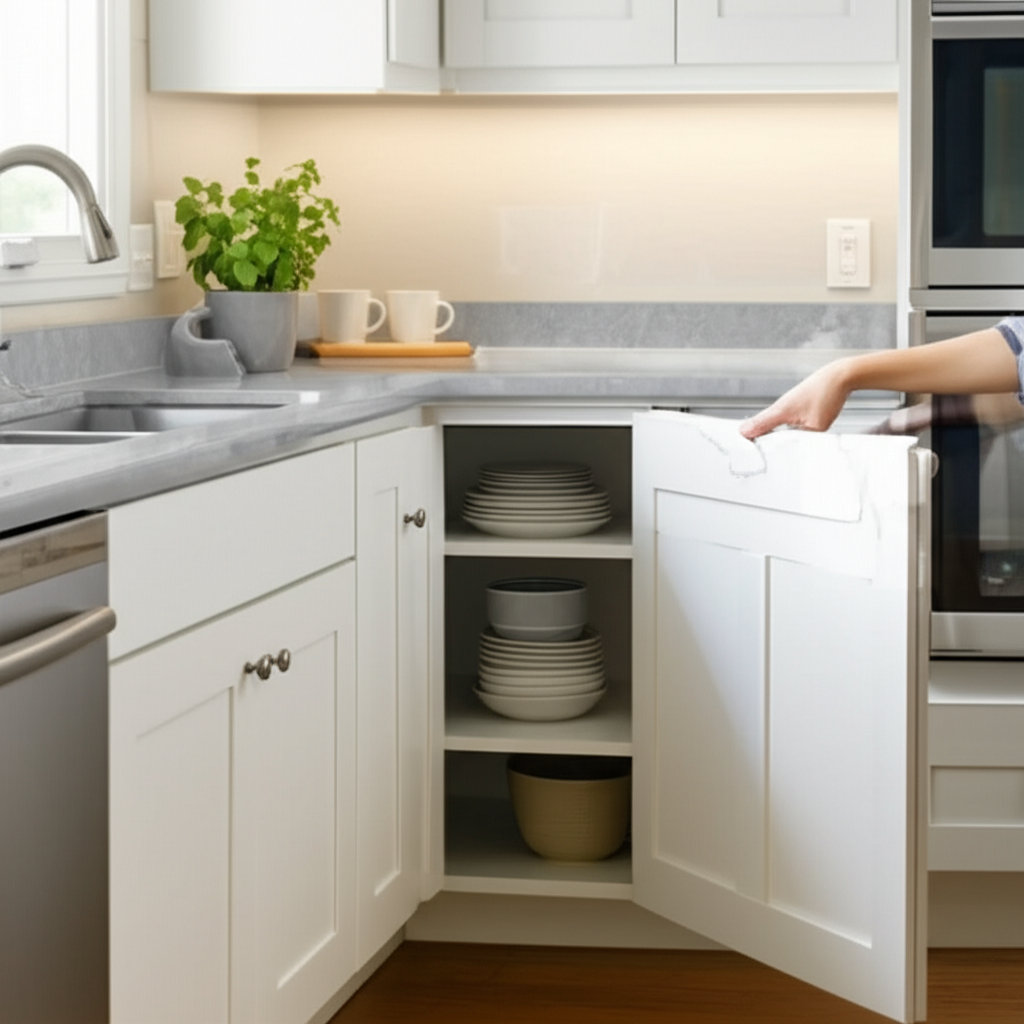
Replacing kitchen cabinets can cost anywhere from $5,000 to $30,000 or more, depending on materials, size, and labor. This guide breaks down the factors and helps you budget for your dream kitchen update without the sticker shock.
Your kitchen cabinets are the heart of your culinary space, holding your ingredients, tools, and making a big statement about your home’s style. If yours are looking a little tired, or if you’re dreaming of a fresh new look, you might be wondering: “How much does it actually cost to replace kitchen cabinets?” It’s a big question, and the answer can feel a bit overwhelming at first. But don’t worry! We’re here to walk you through it, step-by-step, making the process clear and manageable. You’ll be on your way to a beautiful, functional kitchen in no time. Let’s uncover the secrets to cabinet replacement costs!
Understanding the “Shocking” Cost of Replacing Kitchen Cabinets
The price tag for new kitchen cabinets can indeed be surprising, but it’s usually because there are so many factors at play. Think of it like baking a cake – the final cost depends on the quality of your ingredients, the size of the batch, and how much time you spend decorating. For cabinets, it’s about the materials, the size of your kitchen, the style you choose, and who does the work.
Let’s break down what influences the final number so you can get a realistic idea of what to expect for your kitchen renovation.
Key Factors Influencing Cabinet Replacement Costs
When you’re budgeting for new kitchen cabinets, several elements will impact the final price. Understanding these factors will help you make informed decisions and find solutions that fit your needs and budget.
- Cabinet Material: From solid wood to laminate and particleboard, the material used for your cabinets significantly affects the cost. Higher-quality materials generally mean a higher price but also better durability and aesthetics.
- Cabinet Construction: Whether you opt for stock, semi-custom, or fully custom cabinets will dramatically change the price. Stock cabinets are the most affordable, while custom options offer the most flexibility and the highest cost.
- Kitchen Size and Layout: Naturally, a larger kitchen with more cabinetry will cost more than a smaller one. The complexity of your kitchen’s layout can also add to the cost if specialized cabinets or intricate installations are required.
- Hardware and Finishes: The knobs, pulls, hinges, and the type of finish (paint, stain, glaze) all contribute to the overall cost. While these might seem like small details, they can add up.
- Installation Costs: Professional installation is often a significant portion of the total budget. The complexity of the installation and the hourly rate of the installer will play a role.
- Brand and Manufacturer: Different cabinet brands have different pricing structures based on their reputation, quality, and the range of options they offer.
Average Cost Breakdown: What to Expect
To give you a clearer picture, let’s look at some typical cost ranges. These are averages, and your specific project might fall outside these numbers depending on the factors mentioned above.
| Cabinet Type | Average Cost Range (Materials Only) | Average Cost Range (With Installation) |
|---|---|---|
| Stock Cabinets | $100 – $400 per linear foot | $200 – $700 per linear foot |
| Semi-Custom Cabinets | $150 – $600 per linear foot | $300 – $900 per linear foot |
| Custom Cabinets | $300 – $1,000+ per linear foot | $500 – $1,500+ per linear foot |
| Refacing/Refinishing | $100 – $300 per linear foot | $150 – $400 per linear foot |
These figures are meant to be a guide. For a precise quote, it’s always best to consult with cabinet suppliers or contractors who can assess your specific kitchen.
Step-by-Step Guide to Replacing Your Kitchen Cabinets
Embarking on a cabinet replacement project can feel daunting, but by breaking it down into manageable steps, you can navigate the process smoothly and confidently.
Step 1: Define Your Budget and Needs
Before you even start looking at cabinet styles, sit down and think about your budget. How much can you realistically spend? Consider not just the cabinets themselves, but also installation, hardware, and any potential unexpected costs. Also, think about your needs: What storage solutions are you missing? What’s not working with your current layout? Do you need more drawer space, or perhaps a dedicated pantry cabinet? Identifying your priorities will help you make the best choices.
Step 2: Measure Your Kitchen Accurately
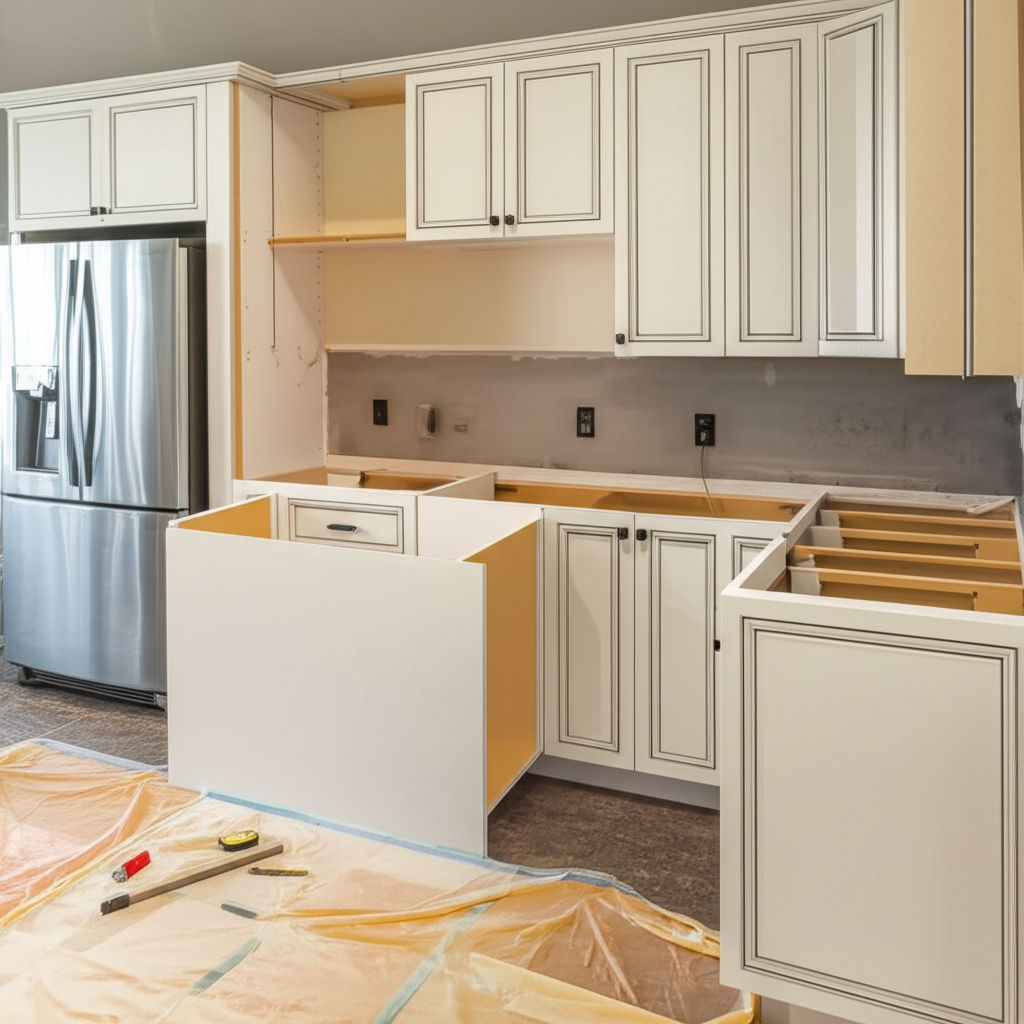
This is a critical step that many homeowners overlook. You’ll need to measure the length of all walls where cabinets will be installed, noting the placement of windows, doors, and any existing appliances. It’s also important to measure ceiling height and note any architectural features like soffits or bulkheads. If you’re unsure, it’s worth hiring a professional to take precise measurements to avoid costly mistakes. You can find helpful measuring guides from reputable sources like Remodeling Magazine, which offers insights into standard kitchen dimensions.
Step 3: Explore Cabinet Styles and Materials
Now for the fun part! There are numerous styles and materials to choose from:
- Materials:
- Solid Wood: Offers natural beauty, durability, and can be stained or painted. Common woods include maple, oak, cherry, and birch. (Higher Cost)
- Plywood: A strong and stable material often used for cabinet boxes.
- MDF (Medium-Density Fiberboard): A wood composite that’s smooth and stable, great for painted finishes. (Mid-Range Cost)
- Particleboard: The most budget-friendly option, often used for cabinet boxes, but less durable than plywood. (Lower Cost)
- Laminate/Thermo-foil: Vinyl or plastic films applied over MDF or particleboard, offering a wide range of colors and patterns. (Lower to Mid-Range Cost)
- Styles:
- Shaker: Simple, clean lines with a flat center panel and raised frame. Very popular and versatile.
- Slab/Flat Panel: A modern, minimalist look with a smooth, flat door.
- Raised Panel: Features a center panel that is recessed, with a decorative raised frame around it.
- Inset: Doors and drawers are set into the cabinet frame, creating a flush, high-end look. (Higher Cost)
Step 4: Get Quotes from Different Suppliers/Contractors
Once you have a clearer idea of what you want, it’s time to shop around. Contact several cabinet suppliers, kitchen designers, or general contractors. Provide them with your measurements and your preferred styles and materials. Ask for detailed quotes that outline all costs, including materials, labor, delivery, and any potential extras. Comparing at least three quotes is a good practice to ensure you’re getting competitive pricing.
Step 5: Review Contracts and Place Your Order
Carefully review the quotes and contracts before committing. Ensure everything is clearly specified: the type of cabinets, dimensions, finishes, hardware, warranty information, and the estimated timeline for delivery and installation. Don’t hesitate to ask questions if anything is unclear. Once you’re satisfied, sign the contract and place your order.
Step 6: Prepare for Installation Day
Your new cabinets will eventually arrive! Before the installation crew gets to work, make sure your kitchen is cleared and ready. This means emptying the cabinets and countertops, and ideally, protecting your floors and surrounding areas with drop cloths. If you’re removing old cabinets, decide if you’ll do it yourself or have the installers handle it (and check if this is included in the quote).
Step 7: Oversee Installation and Finalize
During installation, it’s good to be present to answer any questions the installers might have and to ensure everything is being done according to plan. Once the cabinets are installed, do a thorough walk-through. Check that doors and drawers open and close smoothly, that the finish is flawless, and that everything looks as expected. Make sure any necessary touch-ups are completed before final payment.
Cabinet Refacing vs. Replacement: Which is Right for You?
Before you commit to a full cabinet replacement, it’s worth considering cabinet refacing. This can be a more budget-friendly option for homeowners whose cabinet boxes are still in good condition.
What is Cabinet Refacing?
Cabinet refacing involves keeping your existing cabinet boxes and updating the visible parts. This typically includes replacing the doors and drawer fronts with new ones, and then applying a matching veneer or laminate to the cabinet frames. New hardware is also usually added.
Pros and Cons of Refacing
- Pros:
- Cost-Effective: Generally less expensive than full replacement.
- Faster: Installation is usually quicker than replacing entire cabinets.
- Less Disruptive: Less mess and fewer structural changes to your kitchen.
- Good for Sound Boxes: Ideal if your current cabinet boxes are sturdy and well-built.
- Cons:
- Limited Style Changes: You’re limited by the existing cabinet box dimensions and layout.
- Durability Concerns: The quality of the new doors and veneers can vary.
- Not for Damaged Boxes: If your cabinet boxes are warped, water-damaged, or structurally unsound, refacing isn’t a viable option.
When to Choose Replacement
You should opt for full replacement if:
- Your existing cabinet boxes are damaged, warped, or moldy.
- You want to completely change your kitchen layout, including moving appliance locations or reconfiguring walls.
- You desire a completely different style or material that isn’t achievable with refacing.
- You want to add features like pull-out shelves, deep drawers, or custom organizers that require new box construction.
Cost-Saving Tips for Cabinet Replacements
Replacing kitchen cabinets is a significant investment, but there are smart ways to manage the costs without compromising quality too much.
- Consider Stock or Semi-Custom Options: These are often more affordable than fully custom cabinets. They come in standard sizes and configurations that can still offer a wide variety of styles and finishes.
- Choose More Affordable Materials: Opt for high-quality laminate or thermofoil for doors and drawer fronts, or select a more budget-friendly wood like birch or maple for solid wood options.
- DIY Some Aspects: If you’re handy, you could consider removing the old cabinets yourself, or even painting/refinishing existing cabinets if they are in good shape. However, be realistic about your skills and the time commitment.
- Update Hardware Only: Sometimes, just changing the knobs and pulls can make a significant difference in the look of your cabinets for a fraction of the cost of replacement.
- Shop During Sales or Promotions: Keep an eye out for seasonal sales or special offers from cabinet manufacturers or big-box home improvement stores.
- Focus on High-Impact Areas: If your budget is tight, prioritize replacing the most visible cabinets or those that are most functionally lacking.
- Get Multiple Quotes: As mentioned before, comparing prices from different suppliers and installers is crucial.
Frequently Asked Questions about Kitchen Cabinet Replacement
Q1: How long does it take to replace kitchen cabinets?
The process from ordering to installation can take anywhere from 6 to 12 weeks, depending on the manufacturer’s lead times and your contractor’s schedule. The actual installation typically takes 1 to 5 days.
Q2: Can I install kitchen cabinets myself?
Yes, if you have good DIY skills, the right tools, and a lot of patience. However, it requires precision to ensure cabinets are level, plumb, and securely fastened. For most people, professional installation is recommended to ensure a quality finish and proper fit.
Q3: What’s the difference between cabinet refacing and refinishing?
Refacing means replacing doors, drawer fronts, and visible surfaces with new materials, while keeping the original cabinet boxes. Refinishing (or repainting/restaining) involves cleaning, sanding, and applying a new finish to your existing cabinet doors, drawer fronts, and frames. Refinishing is typically the least expensive option but offers less dramatic style changes.
Q4: Are custom cabinets worth the extra cost?
Custom cabinets offer unparalleled flexibility in size, style, and features, allowing you to perfectly match your kitchen’s unique layout and your personal needs. If you have an unusual kitchen space or specific organizational requirements, they can be worth the investment for a truly bespoke solution. For more on cabinet sizing and planning, resources like the Kitchen & Bath Designer’s Guide can be very helpful.
Q5: How much does it cost to add a new cabinet?
Adding a single cabinet can cost anywhere from $200 to $1,000 or more, depending on the type, size, material, and whether it’s a standard size or needs to be custom-made to fit an existing space. Installation costs will also apply.
Q6: What are the most durable cabinet materials?
Solid wood (like maple, oak, or cherry) and high-quality plywood are generally considered the most durable materials for cabinet boxes. For doors and drawer fronts, solid wood or well-constructed MDF with a durable finish (like a high-quality paint or laminate) tend to be very durable.
Conclusion: Your Dream Kitchen is Within Reach
Replacing kitchen cabinets is a significant undertaking, but with careful planning and a clear understanding of the costs involved, you can achieve the kitchen you’ve always dreamed of. By exploring your options, getting multiple quotes, and considering cost-saving strategies, you can transform your kitchen into a beautiful, functional, and inviting space. Remember, your kitchen is the heart of your home, and investing in its cabinets is an investment in your comfort and enjoyment for years to come. Happy renovating!
