
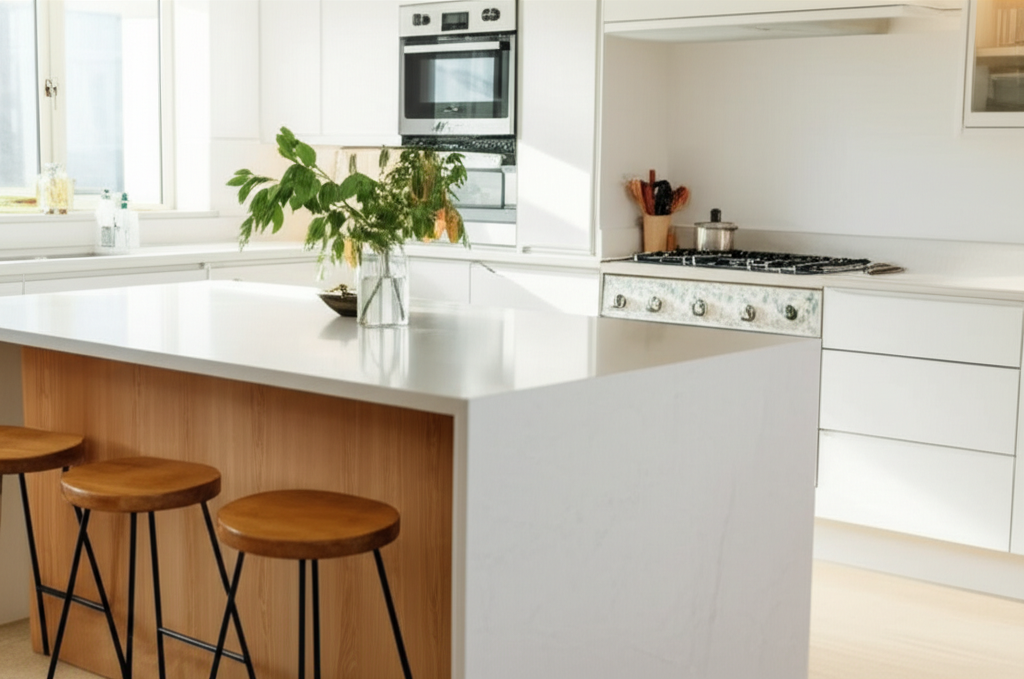
The cost to create a waterfall kitchen island can range significantly, typically from $2,000 to $10,000 or more, depending heavily on materials, size, complexity, and labor.
Dreaming of a stunning kitchen island that cascades down the sides like a beautiful waterfall? It’s a show-stopping design feature that can elevate any kitchen’s look. But before you dive in, you might be wondering, “How much does a waterfall island actually cost?” It’s a question many homeowners ask, and the answer isn’t always straightforward. The good news is, we’re here to break down all the potential expenses so you can plan your dream kitchen with confidence. Get ready to discover what goes into this elegant design!
Unveiling the “Waterfall” Effect: What Exactly Is It?
A waterfall island is a kitchen island where the countertop material continues vertically down one or both sides, meeting the floor. This creates a seamless, continuous flow of material, giving it that elegant “waterfall” appearance. It’s a modern, sophisticated look that adds a touch of luxury and visual interest to your kitchen space. Unlike traditional islands with exposed cabinet sides, a waterfall design emphasizes the beauty of the countertop material itself.
Breaking Down the Costs: What Influences the Price Tag?
The final price of your waterfall island is a blend of several key factors. Understanding these elements will help you budget more effectively and make informed decisions.
1. Material Choice: The Biggest Budget Driver
The material you choose for your waterfall island will have the most significant impact on the overall cost. Different materials offer varying aesthetics, durability, and price points.
Quartz: A very popular choice for waterfall islands due to its durability, stain resistance, and wide range of colors and patterns. It’s engineered stone, making it consistent and reliable.
Estimated Cost: $75 – $200+ per square foot, installed.
Granite: A natural stone known for its unique beauty and resilience. Each slab is different, offering a one-of-a-kind look.
Estimated Cost: $60 – $150+ per square foot, installed.
Marble: Exudes classic elegance and luxury. However, it’s softer than quartz or granite and more prone to etching and staining, requiring more careful maintenance.
Estimated Cost: $100 – $250+ per square foot, installed.
Dekton/Neolith (Ultra-Compact Surfaces): These are highly durable, heat-resistant, and scratch-resistant materials. They offer a sleek, modern look and come in a variety of finishes, including those that mimic natural stone or concrete.
Estimated Cost: $100 – $250+ per square foot, installed.
Wood (Butcher Block): While less common for a true “waterfall” effect due to its natural grain and tendency to be thicker, some designers incorporate wood for a warmer feel. It requires more maintenance.
Estimated Cost: $50 – $150+ per square foot, installed.
Concrete: Can offer a modern, industrial look. It’s customizable in color and finish but requires professional sealing to prevent staining.
Estimated Cost: $70 – $180+ per square foot, installed.
Considerations for Material:
Slab Size and Seams: Larger slabs mean fewer seams, which is ideal for the waterfall effect. However, some materials come in limited slab sizes, potentially requiring more cuts and increasing waste, which can add to the cost.
Edge Profile: While a simple eased edge is standard, more intricate edge profiles like bullnose or ogee can add to the fabrication cost.
2. Size and Dimensions: Bigger Means More Material
Naturally, the larger your island, the more material you’ll need, directly impacting the cost. This includes not only the countertop surface but also the vertical “waterfall” panels.
Length and Width: A standard island might be 3 feet by 6 feet. A larger island will require more square footage of your chosen material.
Height: Most kitchen countertops are around 36 inches high. The vertical drop of the waterfall edge needs to be accounted for in the material calculation.
Thickness of Material: Thicker slabs (e.g., 3cm vs. 2cm) generally cost more per square foot but can offer a more substantial look and may reduce the need for a built-up edge on the non-waterfall sides.
3. Design Complexity: Details Add Up
The more intricate your island’s design, the more labor and specialized fabrication will be required, increasing the cost.
One-Sided vs. Two-Sided Waterfall: A waterfall effect on both sides will use double the material for the sides and require more precise fabrication to ensure perfect alignment.
Cutouts: For sinks, cooktops, or unique seating arrangements, precise cutouts are necessary. These require specialized tools and skilled labor.
Curves or Angles: Incorporating curves or angled corners into the waterfall design is more complex and will increase fabrication costs compared to straight edges.
Support Structure: The waterfall panels need proper support. This might involve reinforcing the island’s base structure, which can add to labor and material costs.
4. Fabrication and Installation Labor: The Skilled Touch
This is a crucial, often underestimated, cost. Working with stone or other hard surfaces for a waterfall design requires precision and expertise.
Cutting and Shaping: Fabricators use specialized saws and tools to cut the stone accurately for both the horizontal top and the vertical waterfall panels.
Seaming: If multiple slabs are needed, creating invisible seams is vital for the waterfall aesthetic.
Edge Polishing: The edges of the waterfall panels need to be polished to a high standard.
Installation: Properly templating, transporting, and installing the heavy slabs requires a skilled team to avoid damage and ensure a perfect fit.
Estimated Labor Costs: Can range from $500 to $3,000+ depending on the complexity and local rates.
5. Base Cabinetry and Structure: The Island’s Foundation
The island itself needs a sturdy base to support the countertop and waterfall panels.
Custom Cabinetry: If you’re building a new island, you’ll need cabinets. The cost will vary based on size, material, and customization.
Estimated Cost: $500 – $3,000+ for basic to semi-custom cabinetry.
Reinforcement: The internal structure of the island may need reinforcement to support the weight of the stone, especially for cantilevered sections or overhangs.
Plumbing/Electrical: If you’re adding a sink or outlets to your island, factor in the cost of plumbing and electrical work.
Estimated Cost: $300 – $1,000+ for plumbing and electrical.
Estimated Cost Breakdown: Putting It All Together
To give you a clearer picture, let’s look at a sample cost breakdown for a moderately sized island (e.g., 3ft x 6ft) with a common material like quartz.
| Cost Component | Estimated Range (Low) | Estimated Range (High) | Notes |
| :————————– | :——————– | :——————— | :————————————————————————- |
| Material (Quartz) | $1,350 (2cm thick) | $3,600 (3cm thick) | Based on 18 sq ft @ $75-$200/sq ft |
| Fabrication | $500 | $1,500 | Includes complex cuts for waterfall, edge polishing |
| Installation | $700 | $2,000 | Labor for transport, fitting, and securing |
| Base Cabinetry/Structure| $800 | $3,000 | Standard cabinets to reinforced custom build |
| Sink/Cooktop Cutout | $200 | $500 | If applicable |
| Plumbing/Electrical | $300 | $1,000 | If adding sink, outlets, or lighting |
| Contingency (10-15%) | $385 | $1,610 | For unexpected issues or design tweaks |
| Total Estimated Cost | $4,235 | $13,210 | This is a general estimate; actual costs can vary significantly. |
Note: These are approximate figures. Prices can vary widely based on your specific location, the chosen fabricator, and the exact details of your project.
DIY vs. Professional Installation: Weighing the Options
For a project as precise and material-intensive as a waterfall island, professional installation is almost always recommended. Here’s why:
Professional Installation:
Expertise: Professionals have the knowledge and specialized tools for precise cutting, seaming, and installation.
Accuracy: Templating and fabrication require exact measurements to ensure the waterfall effect is seamless and perfectly aligned.
Warranty: Reputable fabricators and installers often offer warranties on their work.
Safety: Handling heavy stone slabs can be dangerous without the right equipment and training.
DIY Installation:
Cost Savings: Potentially saves on labor costs.
Risk: High risk of material damage, inaccurate cuts, and installation errors, which can be far more expensive to fix than hiring a professional from the start.
Tools & Skills: Requires specialized stone-cutting equipment (like a wet saw with a diamond blade), significant skill, and heavy lifting capabilities.
For most homeowners, especially beginners, the investment in professional installation is well worth the peace of mind and the guarantee of a beautiful, properly executed waterfall island.
Steps to Creating Your Waterfall Island
Ready to embark on this exciting kitchen upgrade? Here’s a general roadmap to guide you through the process:
Step 1: Design and Planning
Measure Your Space: Accurately measure the area where your island will be.
Determine Dimensions: Decide on the desired length, width, and height of your island.
Sketch Your Design: Create a detailed sketch, including the waterfall sides, sink/cooktop placement, and any seating areas.
Choose Your Material: Research and select the countertop material that fits your budget and aesthetic.
Step 2: Sourcing Materials and Fabricator
Get Quotes: Contact several reputable countertop fabricators and installers in your area.
Visit Showrooms: See material samples in person and discuss your design ideas.
Review Portfolios: Look at examples of their previous waterfall island projects.
Select Your Slab: If using natural stone like granite or marble, visit the stone yard to pick out your specific slab. This is crucial for unique patterns. For quartz, you’ll select from samples.
Step 3: Templating
Professional Templating: The fabricator will visit your home to create precise templates of your island’s dimensions and any cutouts needed. This is a critical step for accuracy.
Finalizing Details: Confirm edge profiles, sink mounting, and any other specific requirements at this stage.
Step 4: Fabrication
Cutting: The fabricator will cut the countertop slab and the waterfall panels according to the templates.
Edge Finishing: Polishing and finishing the edges, including the waterfall drops.
Cutouts: Creating precise openings for sinks or cooktops.
Step 5: Island Base Construction (If New)
Cabinet Installation: Build or install the base cabinets and support structure for the island.
Reinforcement: Ensure the base is strong enough to support the heavy countertop material.
Plumbing/Electrical Rough-in: If applicable, have plumbers and electricians run lines to the island.
Step 6: Installation
Delivery and Placement: The fabricated countertop and waterfall panels are delivered and carefully installed onto the island base.
Securing: The pieces are meticulously secured in place.
Sealing (if needed): If your material requires sealing (like natural stone or concrete), this will be done.
Sink/Appliance Installation: Install the sink, faucet, and cooktop.
Step 7: Final Touches and Cleanup
Inspection: Thoroughly inspect the finished island for any imperfections.
Cleanup: The installation team will clean up the work area.
Enjoy! Admire your beautiful new waterfall island.
Maintaining Your Waterfall Island: Keeping It Stunning
Proper care will ensure your waterfall island remains a beautiful centerpiece for years to come.
Daily Cleaning: Wipe down with a soft, damp cloth and mild dish soap. Avoid abrasive cleaners or scrub brushes.
Spills: Blot up spills immediately, especially acidic liquids like wine, juice, or vinegar, particularly on marble.
Heat Protection: Always use trivets or hot pads under hot pots and pans. While materials like quartz and Dekton are heat-resistant, extreme or prolonged heat can cause damage.
Cutting: Avoid cutting directly on the countertop surface, even on durable materials. Use a cutting board.
Sealing (for natural stone/concrete):** If your material requires sealing, follow the manufacturer’s recommendations, typically every 6-12 months, to protect against stains.
For more in-depth care instructions, always refer to the specific guidelines provided by your countertop material manufacturer and fabricator. A great resource for countertop care can often be found on sites like the Marble Institute of America (now MIA+BSI), offering best practices for natural stone.
Common Questions About Waterfall Islands
Q1: Can I have a waterfall island with a sink?
Yes, absolutely! You can incorporate a sink into your waterfall island. This requires precise fabrication for the cutout and careful planning for plumbing, but it’s a very popular and functional design choice.
Q2: How thick should the waterfall material be?
The thickness depends on the material and the desired look. Common thicknesses for countertops are 2cm (about 3/4 inch) or 3cm (about 1 1/4 inches). For a waterfall effect, 3cm often provides a more substantial and luxurious look, but 2cm can also work, sometimes with a built-up edge on non-waterfall sides for visual balance.
Q3: What’s the difference in cost between a one-sided and two-sided waterfall island?
A two-sided waterfall island will generally cost more because it requires double the material for the sides and more complex fabrication and installation to ensure both sides are perfectly aligned and finished.
Q4: How long does it take to get a waterfall island installed?
The process typically takes several weeks from the initial consultation and templating to the final installation. This includes time for material selection, fabrication at the shop, and scheduling the installation. Expect anywhere from 2 to 6 weeks, depending on the fabricator’s workload and material availability.
Q5: Are waterfall islands more expensive than regular islands?
Yes, waterfall islands are typically more expensive than traditional island designs. The added cost comes from the extra material needed for the side panels, the increased complexity in fabrication and installation, and the precise labor required to achieve the seamless look.
Q6: What are the best materials for a waterfall island?
Quartz, granite, marble, and ultra-compact surfaces like Dekton or Neolith are excellent choices. Quartz is often favored for its durability, low maintenance, and consistent appearance, making it ideal for showcasing a continuous pattern. Natural stones like granite and marble offer unique beauty but require more careful maintenance.
Conclusion: Is a Waterfall Island Worth the Investment?
Creating a waterfall island is undoubtedly an investment, with costs ranging from a few thousand to over ten thousand dollars. However, for many homeowners, the stunning visual impact, modern elegance, and unique design statement are well worth the price. By carefully considering your material choices, understanding the factors that influence cost, and working with skilled professionals, you can bring this beautiful feature into your kitchen.
A waterfall island isn’t just a countertop; it’s a design element that can transform your kitchen into a sophisticated and functional heart of your home. With proper planning and execution, your dream waterfall island can become a reality, adding beauty and value for years to come. Don’t let the “shocking costs” deter you; focus on the value and the incredible aesthetic it brings!
