
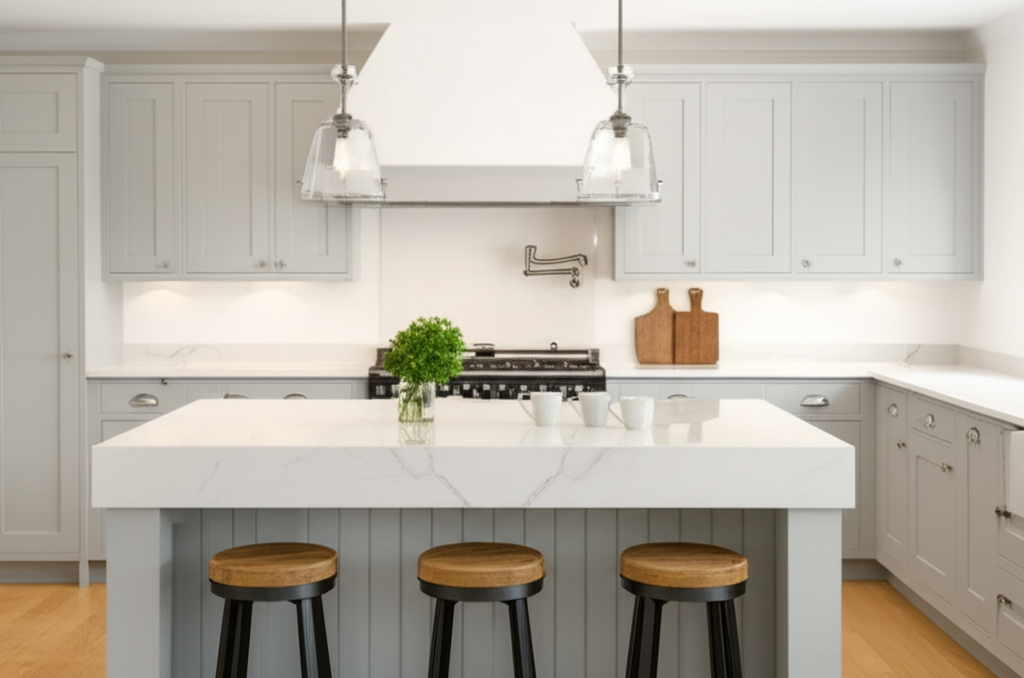
The cost of a kitchen island can range from a few hundred dollars for a DIY project or a basic portable cart to over $10,000 for a custom-built, high-end installation with premium materials and integrated appliances. The final price depends heavily on size, materials, features, and whether you hire professionals or go the DIY route.
Planning a kitchen renovation or just dreaming of that perfect central workspace? You’re not alone! Many homeowners wonder, “How much does a kitchen island cost?” It’s a question that can feel a bit overwhelming, especially when you see stunning islands in magazines or online. But don’t worry, we’re here to break it down in a way that’s easy to understand. Think of this as your friendly guide, helping you navigate the options without the confusing jargon. We’ll help you understand what goes into the price tag and how to find an island that fits your budget and your kitchen dreams!
The Real Price Tag: Unpacking Kitchen Island Costs
When you ask “how much does a kitchen island cost,” the answer isn’t a single number. It’s more like a spectrum, and understanding where you fit on that spectrum is key to a successful kitchen project. Several factors influence the final cost, from the materials you choose for your countertop to the complexity of the design and whether you’re doing it yourself or hiring a team of experts.
Let’s dive into the elements that contribute to the overall investment, so you can make informed decisions for your home.
DIY vs. Professional Installation: The First Big Decision
One of the most significant factors influencing your kitchen island cost is whether you tackle the project yourself or hire professionals. Each has its pros and cons, and your comfort level with tools and design plays a big role here.
DIY Kitchen Islands: Budget-Friendly and Rewarding
Going the DIY route can dramatically reduce costs. This often involves purchasing a pre-made unit, like a sturdy cart or a ready-to-assemble island, and adding your personal touches. It’s a fantastic option if you’re handy, have some basic tools, and are looking to save money.
Pros of DIY:
- Significant cost savings on labor.
- The satisfaction of building something yourself.
- More control over the customization process.
Cons of DIY:
- Requires time, patience, and some basic carpentry skills.
- Potential for mistakes that might cost more to fix.
- May not achieve the same polished, built-in look as professional work.
Professional Installation: Expertise and a Polished Finish
Hiring professionals, such as cabinet makers, contractors, or kitchen designers, ensures a seamless, high-quality installation. They have the expertise, specialized tools, and experience to bring your vision to life perfectly. This is the best option if you want a custom-built island that looks like it’s always been a part of your kitchen and you have the budget to support it.
Pros of Professional Installation:
- Expert craftsmanship and a professional, built-in look.
- Saves you time and potential stress.
- Handles all aspects, including plumbing or electrical if needed.
- Often comes with warranties on workmanship.
Cons of Professional Installation:
- Higher overall cost due to labor and design fees.
- Less control over the day-to-day building process.
- Requires careful vetting of contractors.
The Materials Matter: Countertops, Cabinets, and More
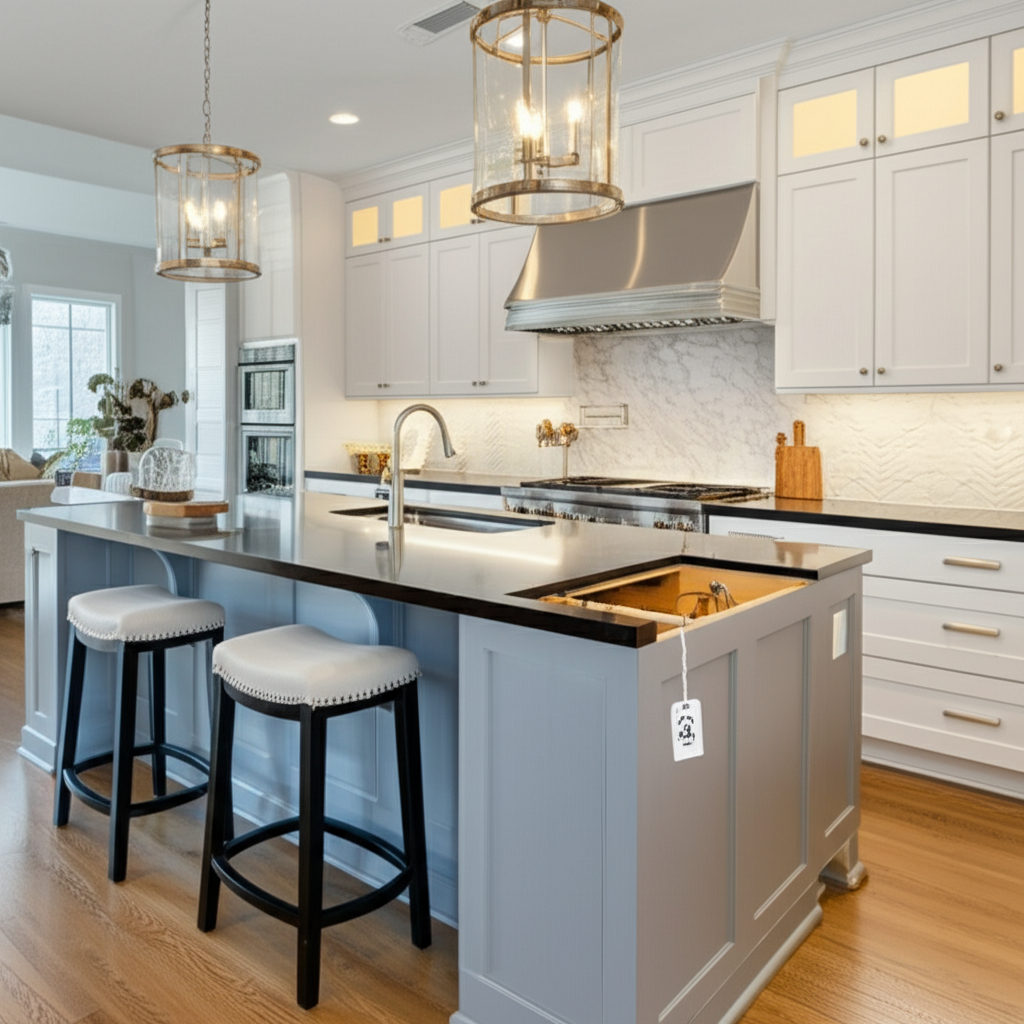
The materials you choose for your island’s countertop and cabinetry are major cost drivers. From durable laminates to luxurious natural stone, the options are vast and vary significantly in price.
Countertop Materials:
Your countertop is often the most visible and frequently used surface of your island. Here’s a look at common choices and their typical price ranges per square foot:
| Material | Estimated Cost Per Square Foot (Installed) | Key Characteristics |
|---|---|---|
| Laminate | $20 – $75 | Budget-friendly, wide variety of patterns, can mimic stone, less durable than stone. |
| Butcher Block (Wood) | $40 – $150 | Warm, natural look, requires regular sealing, can scratch and stain, great for food prep. |
| Solid Surface (e.g., Corian) | $50 – $120 | Non-porous, stain-resistant, seamless appearance, can scratch but is repairable. |
| Granite | $75 – $200 | Natural stone, durable, heat and scratch resistant, requires sealing, unique patterns. |
| Quartz | $75 – $225 | Engineered stone, non-porous, highly durable, stain and scratch-resistant, consistent look. |
| Marble | $100 – $250+ | Luxurious, classic look, soft and porous, prone to etching and staining, requires careful maintenance. |
| Stainless Steel | $75 – $175 | Modern, hygienic, durable, can scratch and show fingerprints, conducts heat well. |
| Concrete | $100 – $200+ | Customizable colors and finishes, industrial or modern look, can be heavy and porous, requires sealing. |
Cabinetry and Base Materials:
The base of your island, often made of cabinets, also impacts the cost. You can opt for stock cabinets, semi-custom options, or fully custom-built units.
- Stock Cabinets: These are pre-manufactured in standard sizes and are the most affordable. They offer less flexibility in terms of customization.
- Semi-Custom Cabinets: These offer more options for sizes, finishes, and styles than stock cabinets, allowing for a more tailored look at a moderate price increase.
- Custom Cabinets: Built to your exact specifications, these offer the ultimate in design flexibility and quality but come with the highest price tag.
The type of wood (e.g., maple, oak, cherry) and the finish (e.g., painted, stained) will also influence the cost of the cabinetry.
Size and Shape: More Space, More Cost
A larger island naturally requires more materials, which translates to a higher cost. The shape also plays a role; complex designs with curves or multiple levels will be more expensive than a simple rectangular or square island.
Consider the following when thinking about size:
- Functionality: How will you use it? For prep, dining, or both?
- Flow: Ensure there’s enough clearance around the island (at least 36 inches is recommended for walkways, more is better). Check out guidance from the National Kitchen & Bath Association (NKBA) for ideal clearances.
- Proportion: The island should complement the size of your kitchen without overwhelming the space.
Features and Add-ons: Elevating Your Island

This is where you can really personalize your island and, consequently, its cost. Think about what you want your island to do for you.
Integrated Appliances:
Adding appliances like a cooktop, dishwasher, wine fridge, or microwave can significantly increase the cost. You’ll need to factor in the appliance cost itself, plus any necessary electrical or plumbing work.
Plumbing and Electrical:
If you plan to have a sink or outlets on your island, you’ll need to run new plumbing and electrical lines. This is a significant labor cost and requires a licensed electrician and plumber. It’s often easier and cheaper to incorporate these if you’re doing a full kitchen remodel where the floor is already open.
Storage Solutions:
Beyond standard cabinets, consider specialized storage like pull-out shelves, spice racks, trash and recycling bins, or even built-in seating (like a breakfast bar or overhang for stools). These add convenience but also add to the material and labor costs.
Lighting:
Pendant lights or other overhead lighting installed above the island are a common and stylish addition. Factor in the cost of the fixtures and the electrical work to install them.
The Price Breakdown: What to Expect
To give you a clearer picture, let’s break down the potential costs into different budget categories. These are estimates and can vary widely based on your location and specific choices.
Budget-Friendly Options (Under $1,000 – $2,500):
This range typically includes:
- DIY with Pre-Made Units: Purchasing a ready-to-assemble kitchen island or a sturdy cart and assembling it yourself.
- Basic Laminate Countertop: Opting for a laminate surface on a functional, simple island base.
- Minimal Features: No integrated appliances, plumbing, or extensive electrical work.
- Smaller Size: A more compact island that doesn’t require a huge amount of material.
You might find attractive options from retailers like IKEA, Wayfair, or even repurposing existing furniture pieces.
Mid-Range Options ($2,500 – $7,000):
This bracket often includes:
- Semi-Custom or Stock Cabinetry: Higher quality cabinets with more style choices.
- Durable Countertops: Materials like granite, quartz, or butcher block.
- Professional Installation: For the base cabinetry and countertop.
- Basic Electrical: Adding outlets for small appliances.
- Moderate Size: A more substantial island that provides good workspace.
You might also start seeing options for a small overhang for seating.
High-End & Custom Options ($7,000 – $15,000+):
This range is for those seeking a truly custom, high-impact island:
- Custom-Built Cabinetry: Tailored to your exact specifications, often with premium wood and finishes.
- Premium Countertops: High-grade quartz, marble, quartzite, or specialty materials.
- Integrated Appliances: Such as a built-in cooktop, dishwasher, or beverage cooler.
- Plumbing and Electrical: Including sinks, faucets, and dedicated outlets.
- Special Features: Elaborate seating areas, specialized storage, decorative elements.
- Larger Size and Complex Designs: Incorporating unique shapes or multi-level surfaces.
This is where you get a designer-look and a highly functional centerpiece for your kitchen.
Planning Your Kitchen Island Project: A Step-by-Step Guide
Feeling a little clearer on the costs? Great! Now, let’s walk through how to approach your kitchen island project to stay on track and within budget.
-
Define Your Needs and Wants:
Before you even look at prices, think about how you’ll use the island. Do you need more prep space? A place to eat? Storage for appliances? Write down your priorities. This will guide all your other decisions.
-
Measure Your Kitchen Space Accurately:
This is crucial! Measure the available floor space and consider the layout of existing cabinets, appliances, and doorways. Remember to account for necessary clearance around the island for easy movement. A good rule of thumb is at least 36 inches on all sides, and 42-48 inches if it’s a primary traffic path or if you have seating.
-
Set a Realistic Budget:
Based on the cost ranges we discussed and your needs, determine how much you can comfortably spend. Don’t forget to include a contingency fund (10-20%) for unexpected expenses.
-
Choose Your Island Type:
Decide if you’re going for a stationary, built-in island or a movable cart. This decision will greatly impact the complexity and cost.
-
Select Your Materials:
Research countertop materials, cabinet styles, and finishes that fit your budget and aesthetic. Order samples to see how they look in your kitchen’s lighting.
-
Design Your Island:
Sketch out your design. If you’re going custom, work with a designer or cabinet maker. If you’re DIYing, look for plans or kits that match your skill level.
-
Get Quotes (If Hiring Professionals):
If you’re not DIYing, get detailed quotes from at least three different contractors or cabinet shops. Ensure the quotes include materials, labor, and any necessary permits.
-
Consider Plumbing and Electrical Needs:
If you want a sink, cooktop, or outlets, factor in the cost and logistics of these additions. Consult with professionals early in the planning phase.
-
Plan for Delivery and Installation:
Understand the timeline for material delivery and installation. If you’re buying a pre-made unit, check delivery fees and assembly requirements.
-
Enjoy Your New Kitchen Hub!
Once installed, take time to appreciate your new, functional, and beautiful kitchen island!
Common Questions About Kitchen Island Costs
Here are some frequently asked questions that might pop up as you plan your kitchen island project:
Q1: What is the average cost of a kitchen island?
The average cost can vary widely, but most homeowners spend between $3,000 and $8,000 for a professionally installed island with mid-range materials. However, simple DIY options can be under $1,000, while high-end custom islands can easily exceed $15,000.
Q2: Can I get a kitchen island for under $500?
Yes, it’s possible to find or create a kitchen island for under $500, especially if you opt for a DIY approach. This might involve purchasing a sturdy rolling cart, repurposing furniture, or using affordable materials like laminate for a small, simple island.
Q3: How much does installation typically cost for a kitchen island?
Professional installation costs can range from $500 to $3,000 or more, depending on the complexity of the island, the materials used, and whether any plumbing or electrical work is required. For a simple island without hookups, labor might be around 20-30% of the total cost.
Q4: Is a granite countertop for my island significantly more expensive than quartz?
Generally, the price difference between granite and quartz can be minimal, with both often falling into a similar mid-to-high price range. However, exotic granite slabs or certain high-grade quartz patterns can be more expensive than standard options. Prices depend heavily on the specific type and origin of the stone.
Q5: If I add a sink to my island, how much extra will that cost?
Adding a sink to your island can add anywhere from $500 to $2,500 or more to the total cost. This includes the sink and faucet itself, plus the significant cost of running new plumbing lines, drain pipes, and potentially a water line, along with the labor for a plumber.
Q6: Should I budget for electrical work if I want outlets on my island?
Yes, you should budget for electrical work. Even if you don’t plan for major appliances, having outlets on your island is incredibly convenient for mixers, laptops, or phone chargers. The cost for an electrician to add outlets and run power to the island can range from $200 to $800, depending on the complexity of the wiring required.
Q7: How much do custom-built kitchen islands cost compared to modular ones?
Custom-built islands offer unparalleled design flexibility and quality, but they come at a higher price, often starting at $5,000 and going upwards of $15,000+. Modular or semi-custom islands are more budget-friendly, typically ranging from $1,500 to $6,000, offering a good balance of customization and affordability.
Conclusion: Your Dream Island Within Reach
So, how much does a kitchen island cost? As you can see, the “shocking truth” is that there isn’t one single truth! It’s a journey of choices, materials, and your personal vision. From a charming DIY cart that cost you a weekend and a few hundred dollars to a fully integrated, custom-designed masterpiece that becomes the heart of your home, the possibilities are vast. By understanding the factors that influence price – your DIY skills, the materials you choose, the size, and the features you desire – you can confidently plan and budget for an island that not only fits your kitchen but also your lifestyle and your wallet.
Remember, a kitchen island isn’t just a piece of furniture; it’s an investment in your home’s functionality, beauty, and your enjoyment of cooking and gathering. Take your time, do your research, and don’t be afraid to get creative. Your perfect kitchen island awaits!
