
Prune juice typically lasts 7-10 days in the refrigerator after opening. Proper sealing and refrigeration are key to maintaining its freshness and beneficial properties.
Have you ever reached for that carton of prune juice, wondering if it’s still good to drink? It’s a common question, especially when life gets busy and that opened bottle lingers in the fridge. You want to enjoy its benefits for digestion and overall wellness, but you also want to be sure it’s safe and delicious. The good news is, with a little care, you can easily tell how long your prune juice will last and keep it tasting great. We’re here to break down exactly what you need to know, from storage secrets to signs it’s time to say goodbye. Get ready to sip with confidence!
The Shocking Truth About Prune Juice Shelf Life After Opening
It’s a question many of us have pondered while staring into the refrigerator: “How long does prune juice really last once that seal is broken?” The answer might seem straightforward, but there are a few crucial factors that influence its longevity and safety. Understanding these can save you from potential tummy troubles and ensure you’re always enjoying the best flavor and nutritional benefits. Let’s dive into the nitty-gritty of keeping your prune juice fresh and delightful.
Why Does Prune Juice Have a Shelf Life?
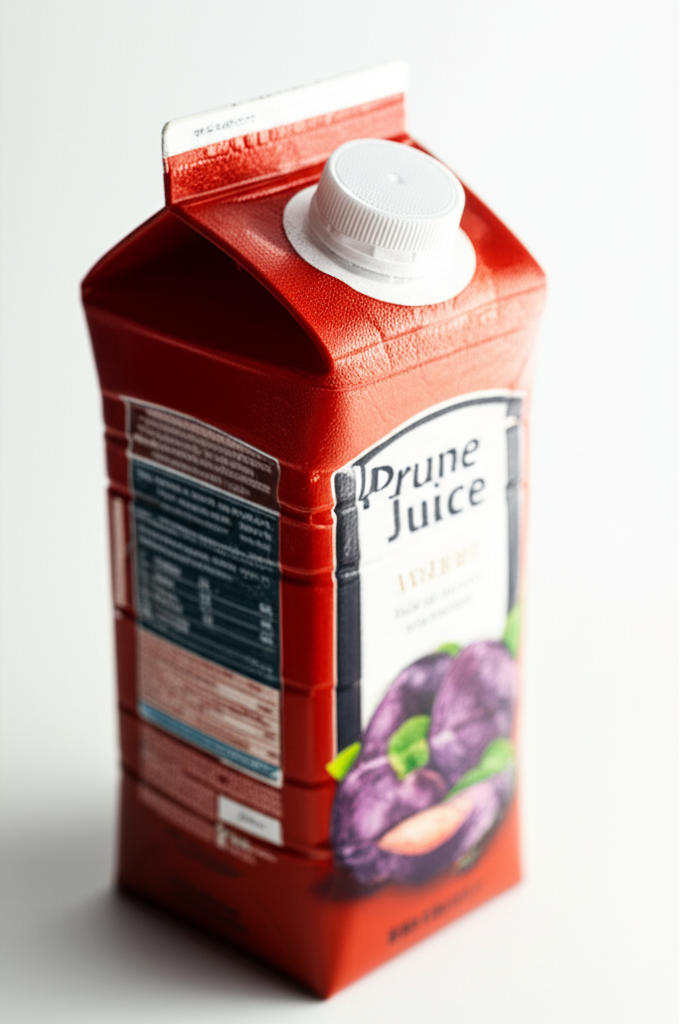
Like many natural beverages, prune juice is susceptible to spoilage once exposed to air and potential contaminants. When you open a carton or bottle, you break the sterile seal, allowing airborne microorganisms like bacteria and yeast to enter. These tiny invaders can start to multiply, especially in a nutrient-rich environment like juice. This process can lead to:
- Changes in flavor and aroma
- Alterations in texture
- The growth of harmful bacteria, potentially causing foodborne illness
Refrigeration significantly slows down this spoilage process by inhibiting the growth of most microorganisms. However, it doesn’t stop it entirely, which is why even chilled prune juice has a limited lifespan after opening.
The Golden Rule: Refrigeration is Key
The single most important factor in extending the life of your opened prune juice is proper refrigeration. As soon as you’re done pouring, make sure to:
- Seal it Tightly: Ensure the cap or lid is screwed on securely. If you’ve lost the original cap, consider using a specialized juice bottle stopper or even plastic wrap followed by a rubber band to create a good seal.
- Store it in the Coldest Part of the Fridge: The door of your refrigerator often experiences temperature fluctuations. It’s better to store prune juice on a shelf in the main body of the fridge, where the temperature is more consistent and colder.
These simple steps create a barrier against further contamination and significantly slow down the natural degradation process.
How Long Does Prune Juice Last After Opening? The Specifics
So, you’ve sealed it tight and popped it back in the fridge. Now, what’s the magic number? For most commercially produced prune juices, once opened and properly refrigerated, you can expect them to maintain good quality and safety for approximately 7 to 10 days. Some sources might stretch this to 14 days, but sticking to the 7-10 day window is a safer bet for optimal taste and to minimize any risk.
Factors Influencing Prune Juice Freshness:
While the 7-10 day guideline is a good rule of thumb, a few things can slightly alter this:
- Brand Variations: Different brands may use slightly different preservation methods or have varying sugar content, which can subtly affect shelf life. Always check the label for specific recommendations.
- Initial Quality: Was the juice fresh when you bought it? Starting with a high-quality product generally means it will last longer after opening.
- Handling Practices: How cleanly did you pour the juice? Did you accidentally dip a utensil into the carton? Any contamination before or after opening can shorten its lifespan.
- Refrigeration Temperature: Ensure your refrigerator is set to a safe temperature, ideally below 40°F (4°C).
Unopened Prune Juice: A Different Story
It’s also worth noting that unopened prune juice has a much longer shelf life. Typically, you can store it in a cool, dark pantry until the “best by” or “expiration” date printed on the packaging. Once opened, however, the clock starts ticking, and refrigeration becomes non-negotiable.
Signs Your Prune Juice Might Be Past Its Prime
Even within the recommended timeframe, it’s always wise to trust your senses. Your nose and eyes are excellent indicators of whether your prune juice is still good to drink. Here’s what to look out for:
- Off Odor: Fresh prune juice has a mild, sweet, and slightly fruity aroma. If it smells sour, yeasty, fermented, or generally “off,” it’s best to discard it.
- Changes in Appearance: Look for any cloudiness that wasn’t there before, or if the color seems unusually dull or murky. Sometimes, a thin layer of mold might appear on the surface, which is a clear sign of spoilage.
- Taste Alterations: If you’re unsure about the smell, a tiny sip can tell you a lot. If it tastes sour, fizzy (when it shouldn’t be), or just plain unpleasant, don’t risk it.
- Mold Growth: Any visible sign of mold, no matter how small, means the entire batch is contaminated and should be thrown away immediately.
When in doubt, always err on the side of caution. It’s not worth the risk of consuming spoiled juice.
Storing Prune Juice for Maximum Freshness: A Step-by-Step Guide
Want to make sure your prune juice stays fresh and delicious for as long as possible? Follow these simple steps:
- Purchase Wisely: Always buy prune juice with a distant expiration date. Check for any signs of damage to the packaging.
- Refrigerate Immediately: Once you get home, place the unopened prune juice in the refrigerator. While it can be stored at room temperature before opening, chilling it beforehand can help maintain quality.
- Seal After Opening: As soon as you open the carton or bottle, ensure the cap is screwed on tightly. If the original cap is damaged or lost, use a suitable alternative to create an airtight seal.
- Store in the Coldest Spot: Place the sealed container on a shelf in the main part of your refrigerator, away from the door, to ensure consistent cold temperatures.
- Use Clean Utensils: Always use a clean glass or pitcher to pour your juice. Avoid dipping fingers or used utensils into the carton, as this introduces contaminants.
- Monitor the Time: Keep track of when you opened the juice. Aim to consume it within 7 to 10 days for the best quality and safety.
- Check for Spoilage: Before each use, give it a quick visual and olfactory check. If you notice any signs of spoilage, discard it.
The Benefits of Prune Juice: Why It’s Worth Keeping Fresh
Prune juice isn’t just about its shelf life; it’s a powerhouse of nutrients and offers several health advantages. Keeping it fresh ensures you can enjoy these benefits:
- Digestive Health: Perhaps its most well-known benefit, prune juice is a natural laxative due to its high sorbitol and fiber content. It can help promote regular bowel movements and alleviate constipation. For those experiencing digestive discomfort, a small glass can be incredibly soothing.
- Rich in Antioxidants: Prunes are packed with antioxidants, which help protect your body’s cells from damage caused by free radicals. This can contribute to overall health and may play a role in preventing chronic diseases.
- Good Source of Vitamins and Minerals: Prune juice contains essential nutrients like Vitamin K, Vitamin A, potassium, and iron. These play vital roles in bone health, vision, and maintaining healthy blood pressure.
- Hydration: Like any juice, prune juice contributes to your daily fluid intake, helping you stay hydrated.
- Bone Health: The Vitamin K and minerals like potassium and boron found in prune juice are beneficial for bone health and may help prevent bone loss, especially in postmenopausal women. Research from institutions like Tufts University has highlighted the potential of prunes in supporting bone mineral density.
Understanding how to store it properly means you can consistently incorporate this beneficial drink into your diet without worry.
Prune Juice Storage: What NOT to Do
Just as important as knowing what to do is knowing what to avoid when storing prune juice. Steer clear of these common mistakes:
- Leaving it Out on the Counter: Once opened, prune juice should never be left at room temperature for extended periods. Even a few hours can allow bacteria to multiply rapidly.
- Storing it in the Refrigerator Door: As mentioned, the door experiences temperature fluctuations every time it’s opened, which is not ideal for preserving the juice’s quality.
- Using a Dirty Container: Always ensure any pouring pitcher or secondary container is thoroughly washed and dried before use.
- Ignoring the Expiration Date: While “best by” dates are often about quality, a true expiration date indicates safety. If your prune juice has passed its expiration date, it’s time to let it go.
- Freezing in its Original Container: While you can freeze prune juice, don’t do it in the original glass bottle, as it can break. If freezing, use a freezer-safe container and leave headspace for expansion. However, freezing can alter the texture and flavor slightly.
Comparison: Prune Juice vs. Other Juices After Opening
How does prune juice stack up against other common juices when it comes to shelf life after opening? Here’s a general comparison:
| Type of Juice | Shelf Life After Opening (Refrigerated) | Key Considerations |
|---|---|---|
| Prune Juice | 7-10 days | High sugar and fiber content, beneficial for digestion. Can ferment if not sealed well. |
| Orange Juice (100%) | 5-7 days | High in Vitamin C, which can degrade over time. Prone to oxidation. |
| Apple Juice | 7-10 days | Lower acidity than orange juice, can be more susceptible to yeast growth. |
| Cranberry Juice | 7-14 days | Naturally lower pH and higher antioxidant levels can offer some preservation. |
| Grape Juice | 5-7 days | High sugar content. Can ferment relatively quickly once opened. |
As you can see, prune juice falls within a typical range for most 100% fruit juices. Its unique benefits make it worth the effort to store it properly within its optimal window.
Frequently Asked Questions About Opened Prune Juice
How do I know if my prune juice has gone bad?
Look for signs like a sour or yeasty smell, visible mold, unusual cloudiness, or a fizzy or unpleasant taste. If you notice any of these, discard the juice.
Can I drink prune juice that’s been open for 2 weeks?
It’s generally not recommended. While some juices might be okay, prune juice is best consumed within 7-10 days of opening when refrigerated to ensure safety and optimal quality.
Does freezing prune juice affect its benefits?
Freezing itself doesn’t destroy the nutrients, but the texture and flavor might change slightly upon thawing. It’s a viable option for longer-term storage if you can’t finish it within the refrigerated shelf life.
What’s the best way to store prune juice long-term?
For long-term storage, it’s best to keep unopened prune juice in a cool, dark pantry until its expiration date. If you need to store opened juice for longer than 10 days, consider freezing it in appropriate containers.
Is it safe to drink prune juice if it smells slightly different?
If the smell is noticeably different from its usual aroma – for example, sour, fermented, or yeasty – it’s best not to drink it. Trust your senses; a subtle change in smell often indicates spoilage.
Why does my prune juice sometimes have sediment at the bottom?
Sediment is quite normal for prune juice, especially if it’s less processed or “cloudy” style. It’s usually fiber and natural pulp. You can simply shake the carton well before serving. However, if the sediment looks unusual or there’s an off smell, it could be a sign of spoilage.
What happens if I drink spoiled prune juice?
Drinking spoiled prune juice can lead to symptoms of food poisoning, such as nausea, vomiting, diarrhea, and stomach cramps. It’s always better to be safe and discard any juice that shows signs of spoilage.
Conclusion: Sip Smart, Stay Healthy!
So, the “shocking truth” about how long prune juice lasts after opening is that it’s a matter of days, not weeks. By following the 7-10 day guideline and prioritizing proper refrigeration and sealing, you can confidently enjoy the delicious taste and healthful benefits of prune juice. Remember to always trust your senses – a quick sniff or a peek at the color can tell you if it’s still good. With these simple tips, you can make the most of every glass, ensuring it contributes positively to your well-being. Happy sipping!
