
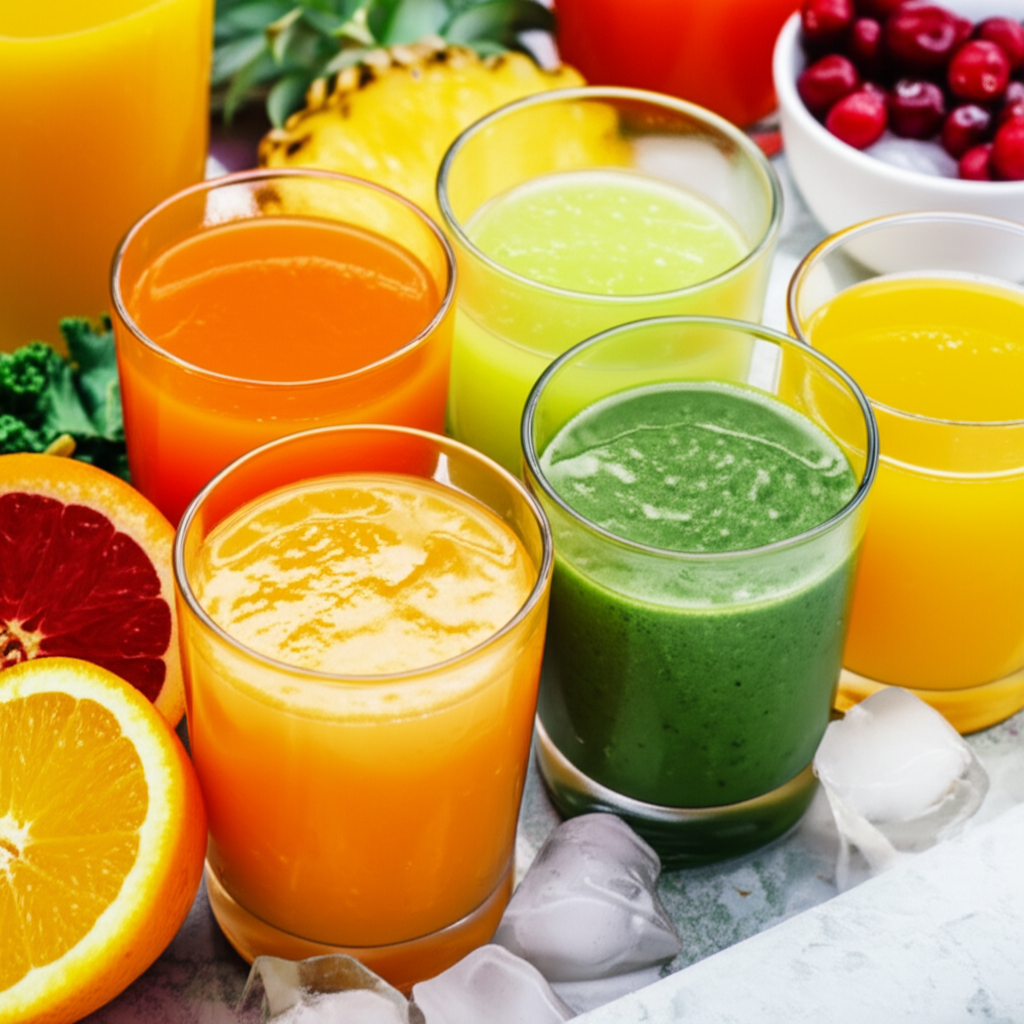
Yes, your juice can freeze! Generally, it takes 4-6 hours for a standard glass of juice to freeze solid in a typical home freezer, but this can vary. Factors like juice composition, container type, and freezer temperature play a role. We’ll guide you through everything you need to know for perfectly frozen juice!
Ever stared into your freezer, eager for a refreshing icy treat, only to find your juice still stubbornly liquid? It’s a common kitchen mystery! Many of us love the vibrant flavors and health benefits of fresh juice, and freezing it is a fantastic way to preserve it, create delicious slushies, or even make juice ice cubes for drinks. But the waiting game can be a bit frustrating. You’re probably wondering, “Just how long does it really take for juice to freeze?”
Don’t worry, we’ve got you covered! At The Honey Pot Bakery, we believe in making healthy living simple and enjoyable. We’ll break down exactly what affects freezing times and give you the inside scoop on achieving perfectly frozen juice, every time. Get ready to unlock a whole new world of chilled juice possibilities!
The Science of Freezing Juice: What’s Really Happening?
Freezing might seem straightforward – cold air makes things solid, right? But with juice, it’s a little more nuanced. Unlike pure water, juice is a complex mixture. It contains natural sugars, acids, vitamins, minerals, and sometimes pulp or small fruit pieces. These components affect how quickly the liquid transforms into a frozen state.
Think of it like this: water freezes at a nice, consistent 0°C (32°F). But the sugars and other dissolved solids in juice lower its freezing point. This means juice needs to get even colder than water to freeze completely. It also explains why juice might not freeze as hard as water and can sometimes have a slushy or semi-frozen texture even when kept at typical freezer temperatures.
Factors Influencing Juice Freezing Time
So, why the variation? Several key factors influence how long it takes for your favorite juice to go from liquid to icy delight:
- Juice Composition: The sugar content is a big player. Juices with higher sugar concentrations (like grape or apple juice) will take longer to freeze than those with lower sugar content (like celery or cucumber juice). The presence of pulp or small solids can also slightly alter freezing times.
- Container Type and Size: A shallow, wide container exposes more surface area to the cold air, allowing the juice to freeze faster than a tall, narrow one. The material of the container also matters; metal freezes faster than plastic or glass.
- Initial Temperature of the Juice: Starting with chilled juice straight from the refrigerator will naturally freeze faster than juice that has been sitting at room temperature.
- Freezer Temperature: The colder your freezer, the faster things will freeze. Most home freezers are set between -18°C and -15°C (0°F and 5°F). A freezer set to a colder temperature will speed up the process.
- How Full the Container Is: Leaving some headspace in your container is crucial, especially for glass, as liquids expand when they freeze. However, a completely full container might freeze slightly slower than one with a bit of room.
The General Timeline: How Long Does It Take For Juice To Freeze?
Based on these factors, here’s a general guide:
For a standard 8-12 ounce glass of juice in a typical home freezer:
- Initial Freezing (Slushy stage): You might start to see ice crystals forming and a slushy texture within 2-3 hours.
- Solid Freeze: For the juice to be completely frozen solid, expect it to take approximately 4 to 6 hours.
This is a good ballpark figure, but remember, it’s not an exact science! Some juices might be ready a little sooner, and others might need a touch more time.
Step-by-Step: Freezing Juice Like a Pro
Ready to turn your juice into icy goodness? Follow these simple steps:
- Choose Your Juice Wisely: While most juices can be frozen, those with lower sugar content and less pulp tend to freeze best for a more consistent texture. If you’re making your own, consider straining out larger pulp pieces for smoother frozen results.
- Select the Right Container: Opt for freezer-safe containers. For best results, use shallow, wide containers made of plastic or metal. If using glass, ensure it’s freezer-safe and leave plenty of headspace (at least 1-2 inches) to prevent breakage due to expansion. For individual servings or ice cubes, silicone ice cube trays or small freezer-safe bags work wonderfully.
- Pour and Leave Headspace: Fill your chosen container, but don’t pack it to the brim. Leave about 10-15% of the volume empty to allow for expansion during the freezing process. This is especially important for glass containers.
- Seal Tightly: Ensure your container is tightly sealed with a lid or a freezer-safe bag. This prevents freezer burn and keeps your juice tasting fresh.
- Place in the Freezer: Position the container towards the back of your freezer where the temperature is usually coldest and most consistent. Avoid placing it near the door, which experiences more temperature fluctuations.
- Monitor and Wait: Check your juice periodically. You’ll likely notice it becoming slushy first, then gradually hardening. As we discussed, a full freeze typically takes 4-6 hours, but keep an eye on it.
- Enjoy! Once frozen, your juice is ready to be enjoyed as is, blended into a smoothie, or used as ice cubes.
Freezing Juice for Specific Needs
The versatility of frozen juice extends to various situations:
For Post-Wisdom Teeth Surgery
Frozen liquids are a lifesaver after dental procedures like wisdom teeth removal. The cold helps numb the area, reduce swelling, and provide soothing hydration. Frozen juice popsicles (made from juices like watermelon, cucumber, or a diluted berry blend) are ideal. Their softer, slushy texture is easier to manage than hard ice.
Tips for post-surgery:
- Use very soft or slushy textures.
- Avoid acidic juices if they cause discomfort.
- Ensure no large pulp pieces that could irritate the surgical site.
- Consider juices known for their anti-inflammatory properties, like pineapple juice (contains bromelain, though its effect when frozen might be minimal).
For Hydration and Nutrient Boosts
Frozen juice cubes are a fantastic way to add flavor and nutrients to water, making hydration more appealing. They also provide a concentrated burst of vitamins and minerals. For instance, freezing pureed spinach and apple juice can create nutrient-dense cubes perfect for smoothies.
You can learn more about the benefits of specific fruit and vegetable juices from resources like the National Institute on Aging, which highlights the importance of vitamins and minerals in our diet.
For Soothing Acid Reflux or GERD
While some juices can aggravate acid reflux, certain options, when frozen, can offer a cooling, soothing sensation. Low-acid juices like aloe vera juice, carrot juice, or a diluted pear or melon juice can be beneficial. Freezing them into a slush or popsicle form can help coat the throat and stomach, providing temporary relief.
It’s always best to consult with a healthcare professional for personalized advice on managing acid reflux and GERD. The National Institute of Diabetes and Digestive and Kidney Diseases (NIDDK) offers comprehensive information on these conditions.
Juice Freezing Comparison Table
To give you a clearer picture, here’s a look at how different juice types might compare in freezing time. Remember, these are estimates!
| Juice Type | Typical Sugar Content | Estimated Freeze Time (Solid) | Notes |
|---|---|---|---|
| 100% Apple Juice | High | 4-6 hours | Freezes relatively well, can become quite hard. |
| Orange Juice (No Pulp) | High | 4-6 hours | Freezes smoothly, can be slightly softer than apple juice. |
| Grape Juice | Very High | 5-7 hours | Takes longer due to high sugar content, may not freeze completely solid. |
| Cranberry Juice (Unsweetened) | Low | 3-5 hours | Freezes faster, texture is usually good. |
| Green Juice (Celery, Cucumber, Spinach Base) | Low | 3-5 hours | Freezes quickly, often results in a slightly slushy texture. |
| Watermelon Juice | Moderate | 3-5 hours | Freezes well, great for popsicles. |
Tips for Optimal Frozen Juice Storage
Once your juice is frozen, proper storage is key to maintaining its quality:
- Use Airtight Containers: As mentioned, this prevents freezer burn, which can make the juice taste stale or develop off-flavors.
- Label and Date: Always label your frozen juice with the type of juice and the date it was frozen. This helps you keep track of your frozen stash and use older items first.
- Store in a Cold Part of the Freezer: Keep your frozen juice in the coldest part of your freezer, away from the door, for the most consistent freezing.
- Best Used Within 6-12 Months: While frozen juice can last longer, its flavor and nutritional quality are best within 6 to 12 months.
Common Questions About Freezing Juice
Here are some frequently asked questions about freezing juice:
Q1: Will freezing change the nutritional value of my juice?
A1: Freezing is a great preservation method and generally preserves most of the vitamins and minerals in juice. Some minor nutrient degradation can occur over very long periods or with improper freezing (like freezer burn), but for typical home freezing, the nutritional impact is minimal. For example, Vitamin C can be sensitive to light and air, so an airtight container is your best friend!
Q2: Can I freeze juice in plastic bottles?
A2: Yes, you can freeze juice in plastic bottles, but it’s crucial to use freezer-safe plastic and leave plenty of headspace (at least 1-2 inches) to accommodate expansion. Avoid regular water bottles as they can become brittle in the cold. Always check the bottle for a “freezer safe” symbol.
Q3: My juice froze with ice crystals. Is that okay?
A3: Yes, that’s perfectly normal! Ice crystals form when water molecules freeze faster than other components in the juice. The amount of ice crystal formation depends on the juice’s sugar content and how quickly it freezes. You can often break up ice crystals by stirring or shaking the container once it’s partially frozen, or by letting it thaw slightly and blending it.
Q4: How do I thaw frozen juice?
A4: The best way to thaw juice is slowly in the refrigerator overnight. This helps preserve its texture and flavor. You can also thaw it at room temperature, but watch it closely as it thaws quickly. For a slushy consistency, you can simply take it out of the freezer about 30-60 minutes before you plan to drink it.
Q5: Can I refreeze juice that has been thawed?
A5: It’s generally not recommended to refreeze juice that has been fully thawed. Refreezing can negatively impact the texture, flavor, and potentially the safety of the juice due to repeated temperature fluctuations. If it was only partially thawed and still icy, it’s usually okay to refreeze.
Q6: What happens if I don’t leave enough headspace?
A6: If you don’t leave enough headspace, the expanding liquid can cause the container to crack or burst, especially with glass or rigid plastic containers. This can create a mess in your freezer and potentially damage other items.
Q7: Does pulp affect how long juice takes to freeze?
A7: Slightly. Pulp can act as tiny barriers, potentially slowing down the freezing process just a little bit. However, the primary factor remains the sugar content of the juice. For smoother frozen juice, straining out pulp before freezing is often preferred.
Conclusion: Enjoying Your Frozen Juice Creations!
So, there you have it! Understanding how long it takes for juice to freeze, and the factors involved, empowers you to create delicious and refreshing frozen treats with confidence. Whether you’re looking for a healthy way to preserve your favorite juices, a soothing treat after a dental procedure, or simply a new way to stay hydrated, frozen juice is a fantastic option.
Remember, patience is key, and with a few simple tips – like choosing the right container, leaving headspace, and storing properly – you can ensure your frozen juice is always a delightful experience. Don’t be afraid to experiment with different juice combinations and enjoy the vibrant, icy goodness that awaits in your freezer!
