
Fresh lime juice typically lasts 2-3 days in the refrigerator when stored properly. However, the “shocking truth” is that its vibrancy and beneficial compounds degrade much faster, making immediate use ideal for the best flavor and health perks.
Ever squeezed a fresh lime, only to wonder if you should chug the whole batch or toss it tomorrow? You’re not alone! That bright, zesty flavor is pure sunshine in a glass, but knowing how long that goodness lasts can be a real puzzle. It’s frustrating when you want to enjoy that refreshing lime taste or its healthy benefits, but you’re worried about it going bad. Don’t toss that precious juice just yet! We’re going to break down exactly how long fresh lime juice stays vibrant and safe, along with the best ways to keep it that way. Get ready to unlock the secrets to enjoying every last drop!
The Zesty Truth: How Long Does Fresh Lime Juice REALLY Last?
When we talk about “lasting,” it’s important to consider two things: safety and quality. Freshly squeezed lime juice is a natural product, teeming with vitamins and enzymes. While it won’t turn into a science experiment overnight, its peak deliciousness and nutritional punch are fleeting.
Factors Affecting Fresh Lime Juice Shelf Life
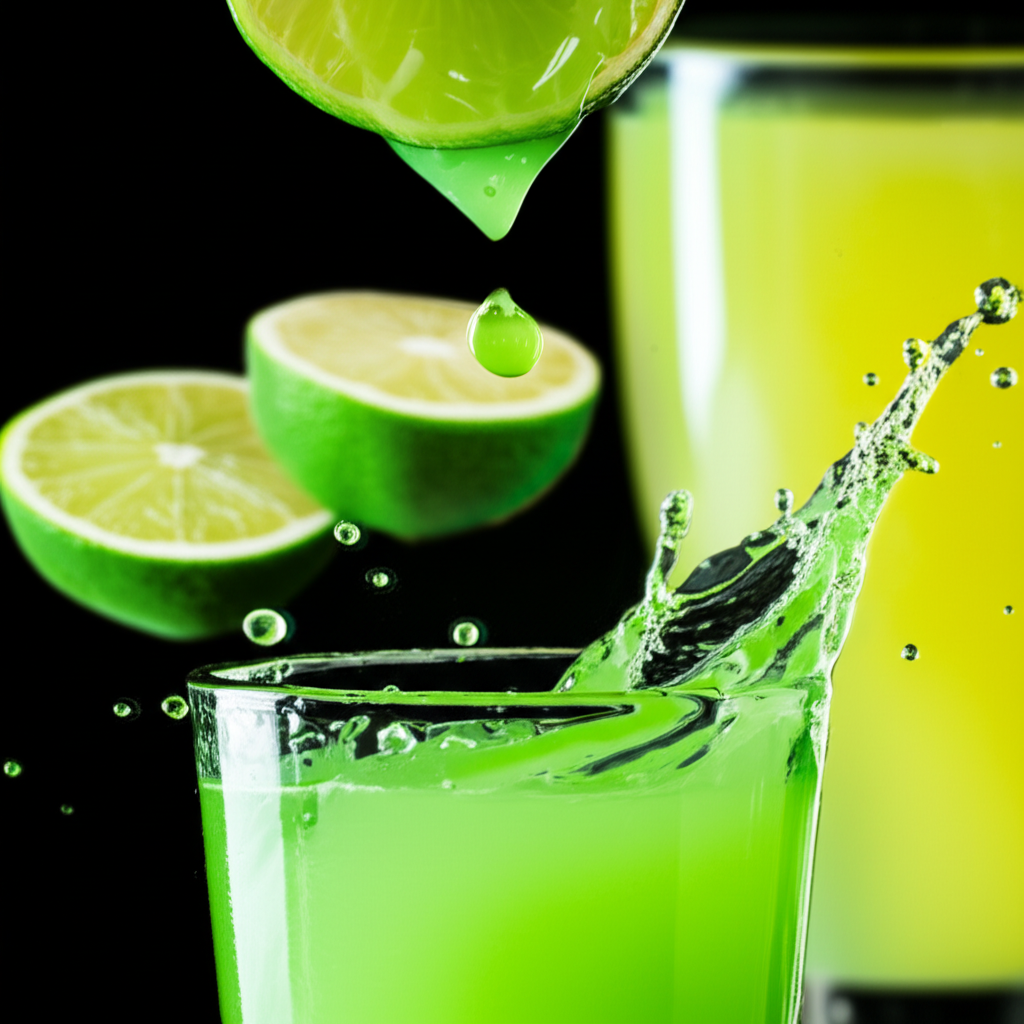
Several elements play a role in how long your homemade lime juice stays at its best:
- Freshness of the Limes: Ripe, firm limes yield the best juice. Overripe or bruised limes can introduce bacteria and reduce shelf life.
- Squeezing Method: Using clean hands and equipment is crucial. Any contaminants can speed up spoilage.
- Presence of Pulp and Seeds: Pulp can harbor bacteria, and seeds can break down over time, affecting flavor. Straining the juice helps.
- Storage Container: An airtight container is key to preventing oxidation and contamination.
- Refrigeration Temperature: Keeping your fridge consistently cold (below 40°F or 4°C) is vital.
The Fridge Factor: How Long Does Fresh Lime Juice Last in the Fridge?
This is the big question, isn’t it? For optimal quality and safety, here’s the general guideline:
- Best Quality: 1-2 days. This is when the flavor is most vibrant, and the vitamin C content is at its peak.
- Good Quality: 2-3 days. The flavor might slightly mellow, but it’s still perfectly enjoyable and safe.
- Usable, but Degraded: 4-5 days. You might notice a slight difference in taste and color. Vitamin C levels will have decreased significantly.
- Caution: Beyond 5 days, while it might not be visibly spoiled, the quality is compromised, and the risk of bacterial growth increases. It’s best to err on the side of caution.
Think of it like a freshly picked flower; it’s beautiful and fragrant at first, but its prime is short-lived. The same applies to the delicate compounds in fresh lime juice.
Storing Your Zesty Elixir: Best Practices for Longevity
Want to make that precious lime juice last as long as possible? Proper storage is your secret weapon. It’s not just about putting it in the fridge; it’s about creating the best environment for your juice.
Step-by-Step Storage Guide
- Choose the Right Container: Opt for glass or high-quality BPA-free plastic containers. Glass is generally preferred as it doesn’t impart flavors and is non-porous. Ensure it has an airtight lid.
- Strain Thoroughly: For the longest shelf life, strain out any pulp and seeds using a fine-mesh sieve. This removes potential food sources for bacteria.
- Fill to the Brim: To minimize oxidation (the enemy of fresh juice!), fill your container as close to the top as possible. Less air means less spoilage.
- Seal Tightly: Ensure the lid is securely fastened. You can even place a piece of plastic wrap directly on the surface of the juice before sealing for an extra layer of protection against air.
- Refrigerate Immediately: Place the sealed container in the coldest part of your refrigerator, typically the back of a lower shelf, away from the door.
- Label and Date: Always label your container with the date you juiced it. This helps you keep track and use the oldest juice first.
Why Airtight Matters: The Science of Oxidation
When fresh lime juice is exposed to air, it begins to oxidize. This process not only dulls the bright, zesty flavor but also degrades beneficial nutrients like Vitamin C. Think of it like an apple turning brown after you cut it – that’s oxidation in action. An airtight container is your best defense against this flavor and nutrient thief.
Signs Your Fresh Lime Juice Might Be Past Its Prime
Trust your senses! Before you use your stored lime juice, give it a quick check:
- Smell: If it has a sour, off, or fermented smell, it’s time to say goodbye. Fresh lime juice should smell clean and citrusy.
- Appearance: Look for any signs of mold, cloudiness that wasn’t there initially, or a significant change in color (e.g., turning brown or murky).
- Taste: A small sip can tell you a lot. If it tastes flat, bitter, or has an unpleasant aftertaste, it’s no longer at its best.
When in doubt, it’s always safer to discard it. Your health is more important than saving a few drops of juice.
Beyond Refrigeration: Can You Freeze Fresh Lime Juice?
Absolutely! Freezing is an excellent way to extend the life of your fresh lime juice significantly. While freezing doesn’t technically preserve it indefinitely, it halts the degradation process and keeps it safe and flavorful for much longer.
Freezing Methods for Lime Juice
Here are a few easy ways to freeze your lime juice:
- Ice Cube Trays: This is our favorite method at The Honey Pot Bakery! Pour your strained lime juice into ice cube trays. Once frozen, transfer the cubes to a freezer-safe bag or container. This gives you perfectly portioned lime juice for cocktails, marinades, or adding a splash to water.
- Freezer Bags: For larger quantities, pour the juice into sturdy freezer bags, flatten them to save space, and seal tightly.
- Small Containers: Use small, airtight, freezer-safe containers. Leave a little headspace, as liquids expand when frozen.
How Long Does Frozen Lime Juice Last?
When properly frozen, fresh lime juice can maintain good quality for:
- 6-12 months in a deep freeze.
While it will remain safe to consume beyond this, the flavor and aroma might start to diminish. For the best taste experience, aim to use it within a year.
Why Fresh Lime Juice is Worth the Effort
You might be thinking, “Why go through all this when I can buy bottled lime juice?” Great question! While bottled juice is convenient, fresh lime juice offers a distinct advantage:
Benefits of Fresh vs. Bottled Lime Juice
| Feature | Fresh Lime Juice | Bottled Lime Juice |
|---|---|---|
| Flavor Profile | Bright, vibrant, complex citrus notes; fresh and zesty. | Often more acidic, sometimes with a metallic or “cooked” taste due to preservatives and processing. |
| Nutrient Content | Higher in Vitamin C and other natural antioxidants. | Vitamin C content can be significantly reduced or lost due to heat processing and preservatives. May contain added sugars or artificial ingredients. |
| Shelf Life (Unopened) | Very short (days to weeks if refrigerated). | Longer due to preservatives and pasteurization (months to over a year). |
| Versatility | Ideal for delicate dishes, fresh cocktails, and where true lime flavor is paramount. | Can be suitable for cooking and baking where intense fresh flavor isn’t critical. |
The difference is palpable! Fresh lime juice adds a lively spark to everything from guacamole and ceviche to refreshing agua frescas and cocktails. It’s also a fantastic natural ingredient for DIY beauty treatments and health tonics.
Using Fresh Lime Juice for Specific Needs
Fresh lime juice isn’t just about flavor; it’s also a favorite for its potential health benefits, especially for specific situations.
Hydration and Digestion
Adding a splash of fresh lime juice to water is a simple yet effective way to boost hydration and can aid digestion. The acidity can stimulate digestive enzymes and bile production. For those with sensitive stomachs, starting with a very small amount (a teaspoon) is recommended to see how your body reacts.
Recovery Support (e.g., Wisdom Teeth)
After dental procedures like wisdom tooth extraction, you need soft, easy-to-consume foods and drinks. Fresh lime juice, diluted with water or mixed into smoothies (avoiding straws!), can provide hydration and Vitamin C, which is important for healing. Its antimicrobial properties might also offer a slight benefit. Always follow your dentist’s specific dietary advice.
Managing Acid Reflux and GERD (with Caution)
This might sound counterintuitive, but for some individuals, alkaline-forming foods and drinks can help balance stomach acidity. While lime juice itself is acidic, some people find that diluted lime water can help neutralize stomach acid over time, rather than trigger it. However, this is highly individual. If you suffer from acid reflux or GERD, consult with a healthcare professional or registered dietitian before incorporating lime juice into your diet. Start with very small, diluted amounts to test your tolerance, as it can also be a trigger for some.
For more on digestive health, resources like the National Institute of Diabetes and Digestive and Kidney Diseases (NIDDK) offer valuable insights into digestive system function and common conditions.
Frequently Asked Questions About Fresh Lime Juice
We’ve gathered some of your most common questions about keeping your lime juice fresh and delicious!
Q1: Can I leave fresh lime juice on the counter overnight?
A1: No, it’s not recommended. Fresh lime juice should be refrigerated promptly after squeezing to prevent bacterial growth and maintain its quality. Leaving it out at room temperature for extended periods significantly reduces its shelf life and can make it unsafe to consume.
Q2: What happens if I drink lime juice that’s a few days old?
A2: If the lime juice is only a few days old (within 3-5 days) and has been stored properly in an airtight container in the refrigerator, it is likely still safe to drink. However, its flavor and nutritional content, especially Vitamin C, will have degraded. If it smells or tastes off, do not drink it.
Q3: Does adding sugar or salt extend the life of fresh lime juice?
A3: Adding sugar can slightly prolong the shelf life by acting as a mild preservative, but it changes the nature of the juice. Salt does not significantly extend the shelf life of fresh lime juice. For the longest and purest preservation, freezing is the best method.
Q4: How can I tell if my fresh lime juice has gone bad?
A4: Look for visual cues like mold, a cloudy or murky appearance that wasn’t there initially, or a change in color. Smell is also a strong indicator; if it has a sour, fermented, or “off” odor, it’s best to discard it. A strange or bitter taste is another sign of spoilage.
Q5: Can I use the juice from slightly soft limes?
A5: Yes, you can still use juice from limes that are slightly soft, as long as they don’t show any signs of mold or spoilage. However, very soft or bruised limes may yield less juice and a less vibrant flavor compared to firm limes. Squeeze them quickly and use the juice within 1-2 days for best quality.
Q6: How long does lime juice last in a plastic bottle compared to glass?
A6: While plastic bottles can be convenient, glass containers with airtight seals are generally better for preserving the quality and flavor of fresh lime juice. Plastic can sometimes be permeable to air over time or may absorb odors. For optimal freshness, always use airtight glass containers when possible.
Conclusion: Savoring Every Drop of Freshness
So, how long does fresh lime juice last? The straightforward answer is that its peak quality is short – just a day or two. While it remains safe for a few more days in the fridge if stored correctly, you’ll get the most vibrant flavor and nutritional bang for your buck by using it quickly. Freezing is a fantastic alternative for longer-term storage, giving you that burst of fresh lime whenever you need it. Remember, trusting your senses is key – when in doubt, let it go. By understanding these simple guidelines, you can confidently enjoy the bright, natural goodness of freshly squeezed lime juice in all your culinary creations and wellness routines!
