
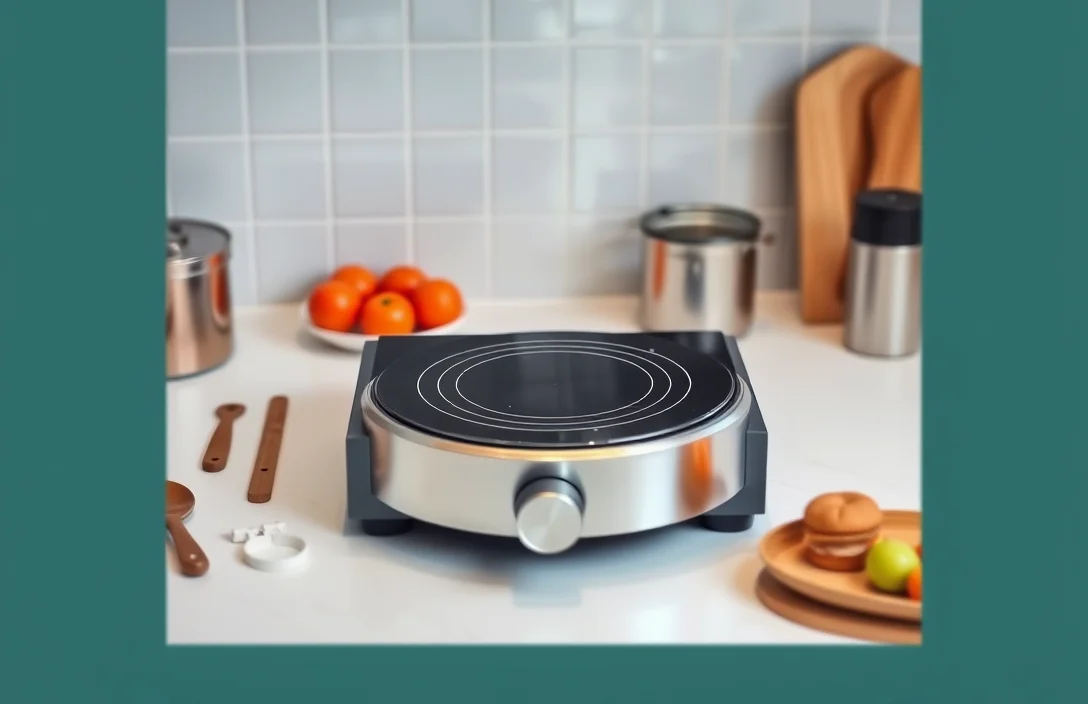
If you’re curious about how induction cooking works, you’re not alone. This innovative cooking method is gaining popularity for its efficiency and safety. Understanding the science behind induction cooking can help you decide if it’s the right choice for your kitchen.
Induction cooking uses electromagnetic energy to directly heat pots and pans, making it faster and more efficient than traditional methods. It offers precise temperature control and is safer since the cooktop remains cool to the touch while cooking.
Core Concept of Induction
Induction cooking represents a significant advancement in kitchen technology, offering a faster and more efficient cooking method. This technique relies on electromagnetic energy to directly heat pots and pans, rather than using traditional flames or electric coils. As a result, induction cooking provides precise temperature control and improved energy efficiency, making it a preferred choice for modern culinary practices.
One of the most notable benefits of induction cooking is its speed. Induction cooktops can heat cookware almost instantly, allowing for quicker meal preparation. Additionally, since the heat is generated directly in the cookware, the cooktop surface remains cooler, reducing the risk of burns and enhancing safety in the kitchen. This method also minimizes energy waste, as it targets the pan directly, rather than heating the surrounding air.
As consumers become more environmentally conscious and seek efficient appliances, induction cooking stands out as a practical solution. Understanding how this cooking method works lays the foundation for exploring more complex aspects, such as magnetic field generation and its implications for cooking performance.
Magnetic Field Generation
Induction cooktops generate heat through electromagnetic fields, which are created by the interaction of electricity and magnetic materials. Understanding how these magnetic fields are produced is crucial for grasping the overall functionality of induction cooking.
- Electricity Flow: When the induction cooktop is powered on, electricity flows through copper coils located beneath the cooking surface. This flow of electricity is essential for creating a magnetic field.
- Magnetic Field Creation: As the electrical current passes through the coils, it generates a magnetic field. This field oscillates at a high frequency, typically around 20 to 50 kHz, depending on the cooktop design.
- Induction Process: The magnetic field interacts with ferromagnetic cookware placed on the cooktop. This interaction induces an electric current within the cookware itself, resulting in heat generation.
- Heat Generation: The heat produced in the cookware is what cooks the food, while the induction cooktop remains relatively cool to the touch, enhancing safety and efficiency.
This process highlights the effectiveness of induction cooking as it directly heats the cookware rather than the surface of the cooktop itself.
Cookware Requirements
Induction cooking requires specific types of cookware to function effectively. The essential factor is whether the material of the cookware is magnetic. Only cookware made from ferrous materials will respond to the magnetic field generated by induction cooktops, allowing for efficient heating.
Suitable materials include cast iron, stainless steel with a magnetic base, and certain types of enameled cast iron. These materials not only attract magnets but also provide good heat retention and distribution. Avoid using cookware made from aluminum, copper, or glass unless they have a magnetic base, as these will not work on induction surfaces.
To test if your cookware is induction-compatible, simply hold a magnet to the bottom. If it sticks, you can use it on an induction cooktop. It’s also essential to consider the flatness of the cookware’s bottom; uneven surfaces can prevent proper contact and affect cooking efficiency.
Cooking Techniques Explained
Induction cooking offers a variety of methods that are not only efficient but also versatile. Understanding these techniques can help you make the most of your induction cooktop, ensuring optimal results in your culinary endeavors. Here, we’ll examine some popular cooking methods compatible with induction cooking.
One prominent technique is sautéing, where food is cooked quickly in a small amount of fat over relatively high heat. This method is ideal for vegetables, proteins, or aromatics, allowing for caramelization and flavor development. Another technique is simmering, used for soups and sauces. The precise temperature control of induction allows for gentle simmering without the risk of boiling over.
Additionally, induction is excellent for frying, whether shallow or deep frying. The rapid heating capability means that oil reaches the desired temperature quickly, ensuring crispy results. Baking is another method where induction can shine when used with induction-compatible bakeware, allowing for even heat distribution.
Lastly, induction can be utilized for steaming, where food is placed above boiling water, allowing steam to cook the food gently. This technique is particularly beneficial for vegetables, preserving their nutrients and color. Each of these methods highlights the adaptability of induction cooking, making it suitable for a range of culinary tasks.
Energy Efficiency Benefits
Induction cooking offers significant energy savings compared to traditional cooking methods. This technology utilizes electromagnetic fields to directly heat pots and pans, resulting in faster cooking times and less wasted energy. Here are key points illustrating how induction cooking saves energy:
- Direct Heating: Unlike gas or electric stovetops that heat the burner, induction cooks by generating heat within the cookware itself. This means that energy is not lost in the heating process, making it more efficient.
- Instant Temperature Control: Induction cooktops provide immediate responsiveness to temperature adjustments. This control reduces the time spent cooking and minimizes energy use.
- Less Heat Loss: The surface of an induction cooktop remains relatively cool, which not only enhances safety but also reduces the amount of heat lost to the surrounding environment.
- Rapid Cooking: Induction cooking can significantly cut down on cooking times. Less time spent cooking translates to less energy consumed.
- Compatibility with Efficient Cookware: Induction requires magnetic cookware, which often has better heat retention properties. This efficiency helps maintain cooking temperatures with less energy input.
By focusing on these aspects, induction cooking emerges as a highly efficient alternative, making it a practical choice for both energy savings and effective meal preparation.
Real-World Applications
Induction cooking is increasingly popular in both residential kitchens and commercial settings due to its efficiency and precision. Understanding its applications can provide insight into why many chefs and home cooks prefer this method.
In residential environments, induction cooktops are favored for their sleek designs and quick cooking times. Home cooks appreciate the ability to control temperatures accurately, which is ideal for various cooking techniques, from simmering sauces to searing meats. Additionally, the safety features, such as automatic shut-off and minimal heat retention, make them a practical choice for families.
Commercial kitchens also benefit significantly from induction cooking. Many restaurants and catering services utilize induction ranges to enhance their cooking efficiency. The ability to maintain consistent heat levels allows chefs to prepare dishes with precision, while the quick response times reduce wait times for customers. Moreover, induction cooking minimizes the heat generated in the kitchen, creating a more comfortable working environment for staff during peak hours.
Overall, induction cooking provides a versatile and efficient option for both home and professional kitchens, proving its value in various culinary settings.
Comparative Analysis
Induction cooking differs significantly from traditional gas and electric cooking methods in efficiency, safety, and control. Understanding these differences can help you decide which method best suits your cooking style and kitchen layout.
Induction cooking uses electromagnetic energy to directly heat cookware, making it more energy-efficient than gas and electric options. Gas stoves heat the air around the pot, leading to heat loss and longer cooking times. Electric coil stoves are also less efficient, as they require time to preheat and cool down.
Safety is another critical factor. Induction cooktops remain cool to the touch, minimizing the risk of burns, while gas burners can pose hazards with open flames and gas leaks. Electric stoves can also get dangerously hot and require careful monitoring.
Control and responsiveness are enhanced with induction cooking. Temperature adjustments occur almost instantly, allowing for precise cooking. Gas and electric cooking methods can have lag times, making it harder to achieve the desired results quickly.
Ultimately, the choice between these cooking methods depends on personal preferences, cooking styles, and kitchen infrastructure. Each method has its advantages and drawbacks, but understanding how induction cooking works can clarify its appeal for modern kitchens.
Quick Summary
- Induction cooking uses electromagnetic fields to directly heat pots and pans, rather than the cooking surface.
- The process requires cookware made of ferrous materials, such as cast iron or stainless steel, that can conduct magnetic energy.
- Induction cooktops provide instant heat control and energy efficiency, as they heat only the cookware and not the surrounding air.
- Safety features include automatic shut-off when cookware is removed, reducing the risk of burns or fire.
- Induction cooking is faster than traditional gas or electric methods, often boiling water in half the time.
- Cleaning is easier, as spills do not burn onto the cooktop due to the cool surface around the cookware.
- Some induction cooktops offer smart technology, allowing users to monitor cooking through apps or touch controls.
Frequently Asked Questions
What is induction cooking?
Induction cooking uses electromagnetic fields to heat pots and pans directly, rather than heating the cooking surface. This method allows for faster cooking times and more precise temperature control.
How does induction cooking work?
Induction cooktops generate a magnetic field that interacts with ferrous cookware, causing it to heat up. When the pot is placed on the cooktop, the magnetic field induces an electric current in the cookware, producing heat to cook food.
What types of cookware are compatible with induction cooking?
Cookware made from magnetic materials, such as cast iron and stainless steel, are suitable for induction cooking. Non-magnetic materials, like aluminum or glass, will not work unless they have a magnetic base.
Is induction cooking safe?
Yes, induction cooking is generally considered safe. The cooktop remains cool to the touch while cooking, reducing the risk of burns, and it automatically shuts off when cookware is removed.
What are the advantages of induction cooking?
Induction cooking offers several advantages, including energy efficiency, faster cooking times, and precise temperature control. Additionally, it is easier to clean since spilled food does not burn onto a cool cooktop.
