
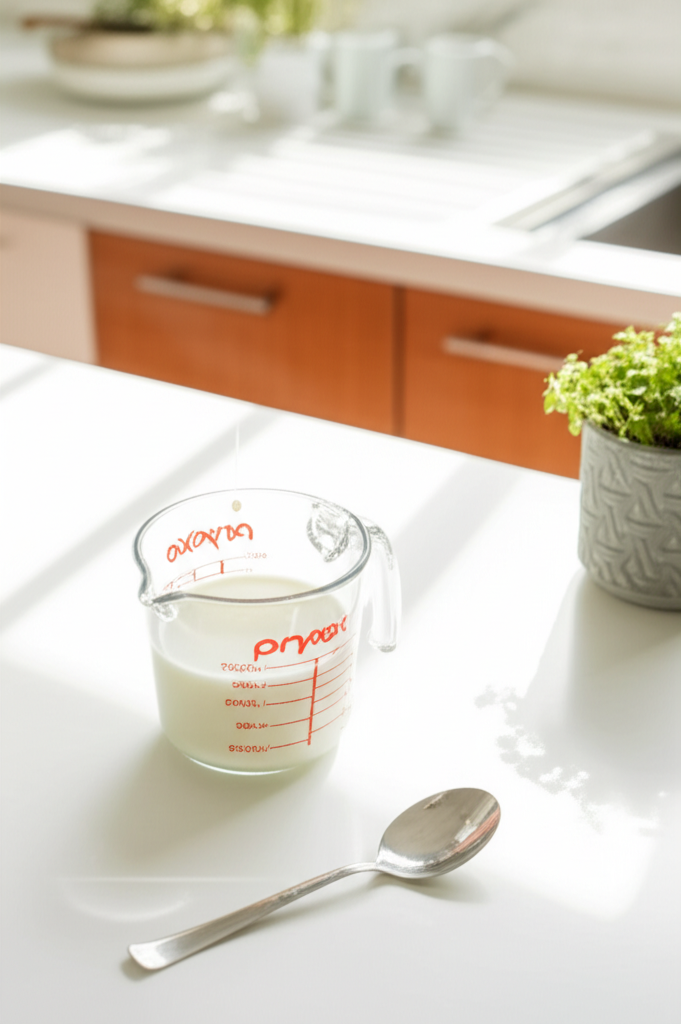
Make sour milk for recipes easily at home by adding an acid like lemon juice or vinegar to regular milk and letting it sit for a few minutes. This simple trick works just like buttermilk and is perfect for baking!
Ever stared at a recipe calling for buttermilk and realized you’re completely out? Don’t worry, it happens to the best of us! That moment of panic when you’re halfway through mixing your batter can be frustrating. But what if I told you that creating a perfect substitute for buttermilk, often called “sour milk” in recipes, is incredibly simple and requires just two common ingredients you likely already have in your pantry? It’s a kitchen secret that can save your baking day. Get ready to unlock this easy DIY solution that will have you whipping up delicious baked goods in no time!
The Magic Behind Sour Milk: Why Recipes Need It
Sour milk, or more commonly, cultured milk products like buttermilk, play a crucial role in baking. The acidity in these ingredients reacts with leavening agents like baking soda. This reaction creates carbon dioxide gas, which makes your baked goods rise, become tender, and develop a delightful crumb. Think of fluffy pancakes, moist cakes, and tender biscuits – sour milk is often the unsung hero behind their perfect texture. When a recipe specifically calls for it, using a substitute is key to achieving those desirable results.
Your Easy DIY Sour Milk Recipe: The “Secret” Revealed!
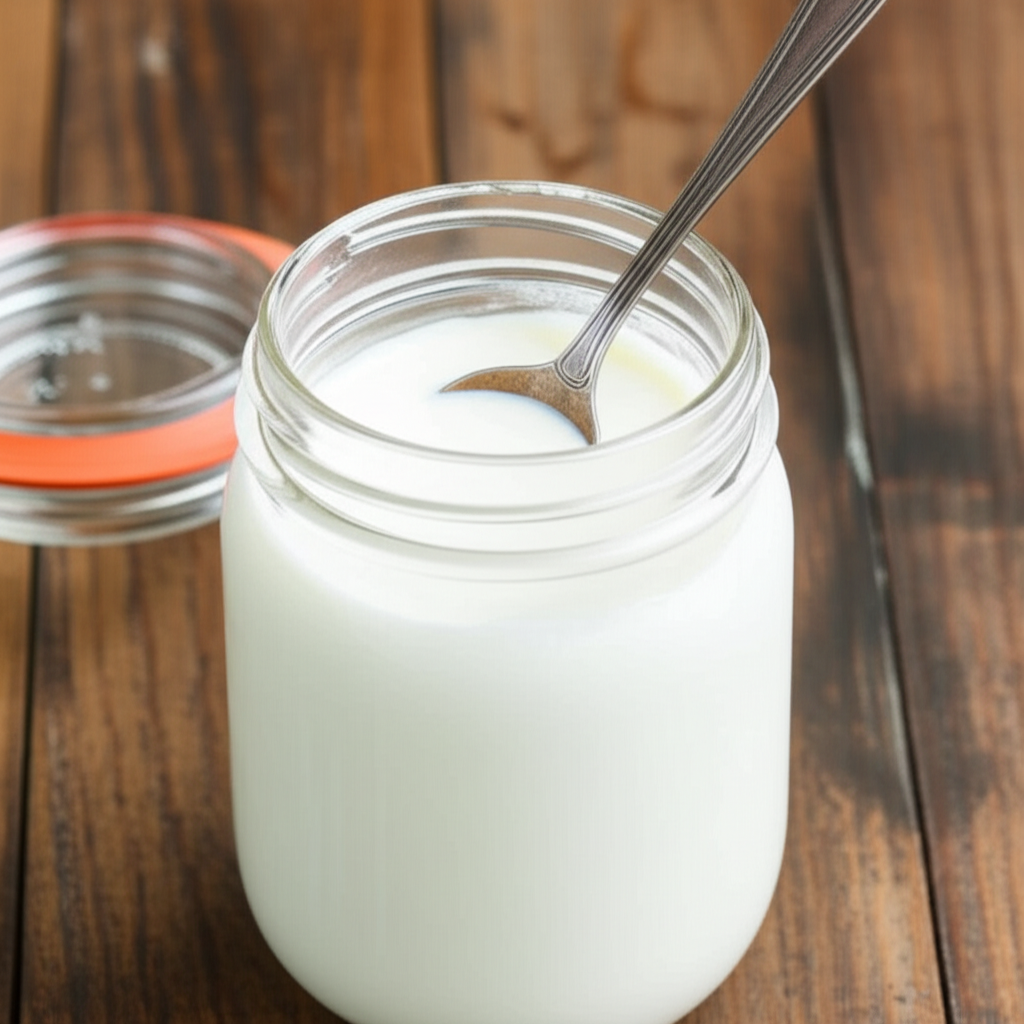
The “secret” to making sour milk for your recipes is surprisingly straightforward. It’s all about introducing a little acidity to regular milk. This process mimics the natural culturing that happens to create buttermilk, but in a much faster, DIY-friendly way.
Here’s what you’ll need:
1 cup of regular milk (whole milk, 2%, or even skim will work, though whole milk provides the best richness)
1 tablespoon of an acidic ingredient (lemon juice or white vinegar are your best bets)
That’s it! No special equipment, no waiting overnight. Just two simple ingredients and a few minutes of your time.
Step-by-Step Guide to Making Sour Milk
Let’s break down how to make your own sour milk substitute. It’s so easy, you’ll wonder why you ever worried about running out of buttermilk.
1. Measure Your Milk: Start by measuring the amount of milk required for your recipe. If your recipe calls for 1 cup of buttermilk, you’ll use 1 cup of milk.
2. Add the Acid: For every 1 cup of milk, add 1 tablespoon of either fresh lemon juice or white vinegar.
3. Stir Gently: Give the mixture a gentle stir. You don’t need to whisk it vigorously, just a quick mix to combine the milk and the acid.
4. Let it Sit: This is the crucial waiting step, but it’s short! Let the mixture stand at room temperature for 5 to 10 minutes. During this time, you’ll notice the milk begin to curdle slightly and thicken. It will look a bit lumpy or cottage-cheese-like. This is exactly what you want!
And there you have it – your homemade sour milk is ready to use! It’s now perfectly acidified and ready to work its magic in your favorite recipes.
What Kind of Milk Works Best?
While most types of milk can be used to make sour milk, the fat content can influence the final texture and richness of your baked goods.
Whole Milk: This is generally the best option for baking. The higher fat content contributes to a richer flavor and a more tender crumb in your finished products.
2% Milk: This is a good all-around choice and works very well. It offers a good balance of fat and moisture.
Skim Milk: You can use skim milk, but your baked goods might be slightly less rich and tender. It will still work for leavening purposes, but the overall mouthfeel might be different.
Important Note: For best results, avoid using non-dairy milk alternatives like almond or soy milk for this particular substitute unless your recipe specifically calls for them and you’re comfortable with how they might alter the outcome. The acidity reaction works best with dairy milk proteins.
Choosing Your Acid: Lemon Juice vs. Vinegar
Both lemon juice and white vinegar are excellent choices for creating sour milk. The good news is that in most baking applications, the subtle flavor differences are undetectable once the ingredients are mixed and baked.
Lemon Juice: Offers a slightly brighter, fresher flavor. It’s a great choice if you want to avoid any potential “vinegary” notes, though they are rarely noticeable. Make sure to use fresh or bottled lemon juice, not lemon extract.
White Vinegar: This is a classic choice for a reason. It’s readily available, inexpensive, and provides a clean acidity that works perfectly. Distilled white vinegar is ideal.
Pro Tip: If you’re making something where a very subtle hint of lemon might be welcome (like a lemon pound cake), using lemon juice is a natural fit. For most other recipes, either works equally well.
Beyond Buttermilk: Other Uses for Sour Milk
While this DIY sour milk is a fantastic buttermilk substitute, the concept of “soured” milk has been used in kitchens for centuries for various culinary purposes.
Pancakes and Waffles: The acidity reacts with baking soda for extra fluffiness.
Cakes and Muffins: Contributes to a tender, moist crumb.
Biscuits and Scones: Helps create a light, flaky texture.
Marinades: The acidity can help tenderize meats, though for marinades, a longer soaking time is usually required.
The simple process of adding acid is a fundamental technique in traditional cooking and baking. It’s a testament to how basic pantry staples can achieve complex results.
Troubleshooting Common Sour Milk Questions
Here are some frequently asked questions about making and using sour milk for your recipes:
Is it safe to drink the sour milk I made?
No, the sour milk you create by adding acid is intended for cooking and baking only. It is not meant to be consumed on its own as you would regular milk.
Can I make sour milk ahead of time?
It’s best to make sour milk right before you need it for your recipe. While it won’t spoil immediately, its optimal texture and acidity for baking are best when fresh.
My sour milk didn’t curdle. What did I do wrong?
Ensure you used an acidic ingredient like lemon juice or vinegar and allowed it to sit for the full 5-10 minutes. Sometimes, very cold milk might take a moment longer to react. If it still doesn’t curdle, your acid might not be potent enough, or the milk is exceptionally fresh and hasn’t had time to react. A slightly longer resting time might help.
Can I use cream of tartar instead of lemon juice or vinegar?
Yes, you can use cream of tartar. For 1 cup of milk, you would use 1 ½ teaspoons of cream of tartar mixed with the milk. Let it sit for a few minutes until it thickens slightly.
What if my recipe calls for buttermilk and I don’t have any?
You’re in luck! The method described in this article is precisely how you make a buttermilk substitute. For every cup of buttermilk needed, use 1 cup of regular milk plus 1 tablespoon of lemon juice or white vinegar, letting it sit for 5-10 minutes before using.
Does the type of milk affect the souring process?
The souring process itself (curdling) will happen with most types of milk. However, as mentioned, the fat content in whole milk or 2% milk will yield a richer result in your baked goods compared to skim milk.
Alternatives to Sour Milk (When DIY Isn’t an Option)
While making sour milk is incredibly easy, there are other common substitutes you might have on hand, though they may slightly alter the flavor or texture depending on the recipe.
| Substitute | Quantity for 1 Cup of Buttermilk | Notes |
| :——————————– | :——————————- | :——————————————————————– |
| DIY Sour Milk (Lemon/Vinegar) | 1 cup milk + 1 tbsp acid | Best direct substitute, mimics buttermilk closely. |
| Yogurt or Sour Cream (Thinned) | ¾ cup yogurt/sour cream + ¼ cup milk | Adds richness and tang. Ensure it’s plain, unflavored yogurt. |
| Milk + Cream Mixture | ⅞ cup milk + 2 tbsp heavy cream | Adds richness, but lacks the acidity for leavening reactions. May need baking soda adjustment. |
It’s always best to refer to your specific recipe and consider its leavening agents. If a recipe relies heavily on the reaction between an acid and baking soda, the DIY sour milk method is your most reliable bet. For more insights into baking substitutions, resources like King Arthur Baking offer extensive guides.
The Science of Baking: Why Acidity Matters
The interaction between acids and bases is fundamental in baking. When baking soda (a base) is combined with an acidic ingredient like lemon juice, vinegar, or the lactic acid found in buttermilk, a chemical reaction occurs. This reaction produces carbon dioxide gas.
The gas bubbles get trapped in the batter’s gluten structure, causing it to rise. This results in a lighter, more tender baked good. Baking powder already contains an acid, but recipes that call for baking soda and an acidic liquid are often designed for an extra boost of leavening and a specific tenderizing effect.
Understanding this simple science empowers you to be a more confident baker. It explains why using the correct liquid substitute is so important for achieving the intended texture and rise.
Tips for Baking Success with Homemade Sour Milk
Using your freshly made sour milk is just like using store-bought buttermilk. Here are a few tips to ensure your baking goes smoothly:
Use Immediately: As mentioned, use the sour milk shortly after making it for the best leavening reaction.
Don’t Overmix: Once you add your dry ingredients to the wet, including the sour milk, mix only until just combined. Overmixing can develop the gluten too much, leading to tough baked goods.
Adjust Baking Soda: If your recipe calls for both buttermilk and baking soda, and you are using your DIY sour milk, the acidity is already present. Ensure you are using the amount of baking soda specified. If you were to substitute with a non-acidic liquid, you might need to adjust the baking soda.
* Consistency is Key: Your homemade sour milk will have a slightly thicker, curdled appearance. This is normal and exactly what you want.
Conclusion: Your Baking Confidence, Restored!
So there you have it – the “amazing secret” to making sour milk for your recipes is out! It’s an incredibly simple, budget-friendly, and effective way to ensure your baking projects turn out perfectly, even when you’re missing a key ingredient. No more last-minute trips to the store or abandoned recipes. With just milk and a splash of lemon juice or vinegar, you have a reliable substitute that delivers on texture, rise, and tenderness.
Embrace this kitchen hack and feel empowered to tackle any recipe that calls for buttermilk or sour milk. Your kitchen confidence will soar, and your baked goods will be all the better for it. Happy baking from The Honey Pot Bakery!
