
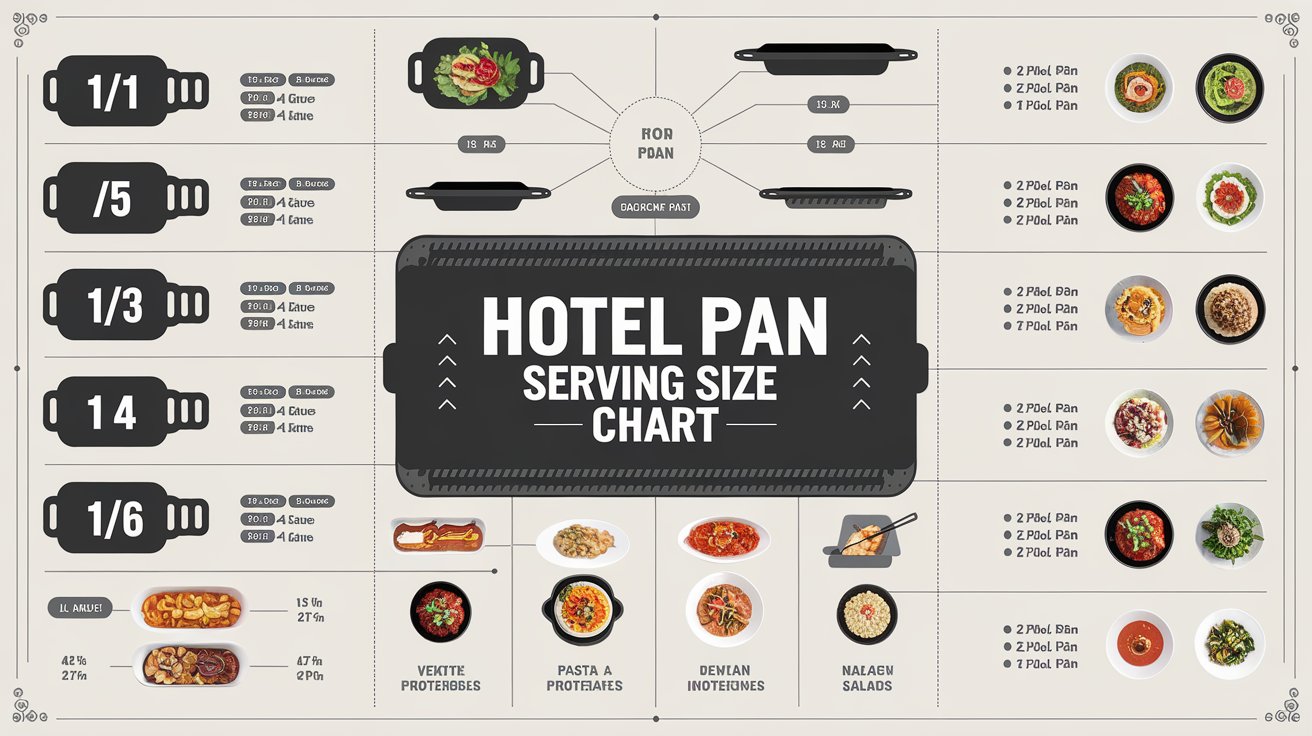
The serving size for hotel pans typically ranges from 2 to 6 quarts. This varies based on the specific pan dimensions and food type.
Understanding hotel pan serving sizes is essential for efficient meal planning and food service. These pans, commonly used in catering and buffet setups, can hold varying amounts of food based on their size. Properly determining serving sizes helps in minimizing waste and ensuring adequate portions for guests.
Different types of hotel pans, such as half, full, and third sizes, offer flexibility for various culinary needs. Knowing how to measure and serve food accurately can enhance both the dining experience and operational efficiency. This guide will provide a comprehensive breakdown of hotel pan serving sizes for optimal food service management.
Introduction To Hotel Pan Sizes
Choosing the right size hotel pan is crucial for efficient food service. Hotel pans come in various sizes. Understanding these sizes helps in meal preparation and presentation.

The Importance Of Right Sizing
Using the correct hotel pan size offers several advantages:
- Maximized Space: Proper sizing optimizes storage.
- Efficient Cooking: Uniform heat distribution ensures even cooking.
- Cost-Effective: Reduces food waste by controlling portion sizes.
- Improved Presentation: Enhances the visual appeal of dishes.
Standard Hotel Pan Dimensions
Hotel pans are available in various standard sizes. Here’s a quick reference table:
| Size | Dimensions (inches) | Common Uses |
|---|---|---|
| Full Size | 20 x 12 | Buffets, catering |
| Half Size | 10 x 12 | Side dishes, desserts |
| Third Size | 10 x 6 ⅓ | Condiments, sauces |
| Quarter Size | 5 x 6 ⅓ | Small servings, appetizers |
Choosing the right dimensions ensures that your kitchen runs smoothly. Understanding these sizes aids in effective meal planning.
Maximizing Buffet Efficiency
Maximizing buffet efficiency is essential for a smooth dining experience. Proper planning can enhance guest satisfaction. Focus on effective space utilization and guest flow to achieve this.
Space Utilization
Efficient space utilization prevents overcrowding. It ensures guests can easily access food. Here are key tips:
- Use tables that fit the area.
- Arrange food stations strategically.
- Keep pathways clear for easy movement.
Consider a layout like this:
| Area | Purpose |
|---|---|
| Food Stations | Display various dishes for selection. |
| Seating | Encourage comfortable dining experiences. |
| Buffet Line | Guide guests in an organized manner. |
Guest Flow And Access
Optimizing guest flow enhances the buffet experience. Smooth access to food keeps guests happy. Follow these tips for better flow:
- Design clear entry and exit points.
- Place popular items at the front.
- Ensure staff is available for assistance.
Clear signage helps guests navigate. Use arrows and labels to guide them. This simple step can improve the overall experience.
Serving Size Strategies
Understanding serving size strategies is vital for hotels. Proper portioning enhances guest satisfaction. Accurate servings reduce food waste. This section covers key strategies for effective portion control.
Calculating Portions
Calculating portions is essential for any event. Use these steps to determine the right serving size:
- Identify the type of meal. Breakfast, lunch, or dinner affects portions.
- Consider the number of guests. More guests require more food.
- Account for dietary restrictions. Allergies and preferences matter.
- Use standard serving sizes. Familiarize yourself with common measurements.
Here’s a simple serving size chart:
| Meal Type | Serving Size (Per Person) |
|---|---|
| Appetizer | 3-5 ounces |
| Main Course | 6-8 ounces |
| Dessert | 4-6 ounces |
Adjusting For Event Type
Each event type demands different serving sizes. Consider these factors:
- Cocktail Parties: Smaller portions are ideal.
- Buffet Style: Offer a variety of options.
- Formal Dinners: Serve larger portions with sides.
- Breakfast Meetings: Provide filling options like eggs and pastries.
Adjusting portions ensures guests feel satisfied. Tailoring serving sizes creates a memorable experience.
Types Of Hotel Pans And Their Uses
Understanding the different types of hotel pans is essential for efficient cooking. Each type serves a specific purpose. Choosing the right pan can enhance your cooking experience.

Deep Vs. Shallow Pans
Hotel pans come in various depths. Here’s a quick breakdown:
| Type | Depth | Common Uses |
|---|---|---|
| Deep Hotel Pan | 6 inches | StewsSoupsRice dishes |
| Shallow Hotel Pan | 2 inches | Vegetable sidesMeat dishesBuffet setups |
Deep pans hold more food. They are great for liquid dishes. Shallow pans are perfect for serving items that need to stay crispy.
Specialty Pans For Unique Dishes
Some hotel pans are designed for specific foods. These specialty pans can enhance presentation and cooking.
- Lasagna Pans: Ideal for baking layered pasta dishes.
- Steam Table Pans: Perfect for keeping food warm at buffets.
- Chafing Dishes: Used for serving food at events.
- Pasta Inserts: Great for cooking and draining pasta quickly.
Choosing the right specialty pan can improve food quality. It also makes serving easier and more efficient.
Material Matters
Choosing the right material for hotel pans is crucial. Different materials offer unique benefits. They affect cooking performance, durability, and heat retention.
Stainless Steel Vs. Polycarbonate
Stainless steel and polycarbonate are popular choices for hotel pans.
- Stainless Steel: Known for strength and durability. Resistant to corrosion and rust.
- Polycarbonate: Lightweight and shatter-resistant. Ideal for cold food items.
Each material serves different needs. Consider what suits your kitchen best.
Heat Retention And Durability
| Material | Heat Retention | Durability |
|---|---|---|
| Stainless Steel | Excellent heat retention | Highly durable and long-lasting |
| Polycarbonate | Good but less than steel | Moderately durable; can scratch |
Stainless steel holds heat well. It is perfect for hot dishes. Polycarbonate works better for cold items.
Understand the material before buying. It impacts your kitchen efficiency.
Temperature Control Techniques
Temperature control is vital in the hospitality industry. Proper techniques ensure food safety and quality. Keeping food at the right temperature prevents spoilage and bacterial growth. Here are some effective methods.
Maintaining Optimal Food Temperature
Maintaining the right food temperature is essential. Here are key strategies:
- Hot foods should be kept above 140°F (60°C).
- Cold foods must be stored below 40°F (4°C).
- Use heat lamps to keep dishes warm.
- Utilize ice baths for cold items.
Regularly check food temperatures. This practice ensures compliance with health standards. Remember, time is crucial. Foods left out too long can become unsafe.
Tools For Temperature Management
Utilizing the right tools aids in effective temperature control. Consider these essential items:
| Tool | Purpose |
|---|---|
| Digital Thermometer | Quick and accurate temperature readings. |
| Heat Lamp | Keeps food warm for serving. |
| Ice Bath | Maintains cold temperatures for perishables. |
| Food Warmer | Stores food at safe hot temperatures. |
| Refrigerator | Preserves cold items effectively. |
Invest in these tools. They help maintain food safety and quality. Regular training on their use is crucial for staff.
Presentation And Aesthetics
Creating an inviting dining experience is essential for hotels. A well-presented meal enhances guests’ enjoyment. The right serving size also plays a critical role in aesthetics.
Visual Appeal
Visual appeal captivates guests. It influences their perception of quality. Here are key elements:
- Color Contrast: Use vibrant colors to make dishes pop.
- Garnishing: Add herbs or sauces for a finishing touch.
- Plating Techniques: Use artistic arrangements to elevate dishes.
A balanced plate creates harmony. Aim for a mix of textures and shapes. This captures attention and enhances the dining experience.
Consistency In Serveware
Uniformity in serveware builds brand identity. Guests appreciate familiarity and professionalism. Consider the following:
- Matching Plates: Use the same style for all meals.
- Color Schemes: Stick to a color palette that reflects your brand.
- Quality Materials: Choose durable and elegant serveware.
Consistent serveware communicates care and attention. It strengthens the overall presentation of your hotel’s offerings.
Sustainability And Waste Reduction
Sustainability is vital for our planet. Hotels can reduce waste significantly. Proper serving sizes help minimize food waste. Implementing eco-friendly practices benefits both the environment and your business.
Eco-friendly Serving Options
Choosing the right serving options is crucial. Here are some eco-friendly serving ideas:
- Use biodegradable plates and utensils.
- Offer smaller portion sizes.
- Utilize reusable glassware and cutlery.
- Implement bulk food stations.
These options not only reduce waste but also enhance guest experiences.
Minimizing Food Waste With Proper Sizing
Proper portion sizes play a key role in waste reduction. Here’s how to ensure effective sizing:
| Food Item | Recommended Serving Size | Common Waste Percentage |
|---|---|---|
| Salad | 1 cup | 20% |
| Pasta | 1/2 cup | 25% |
| Meat | 4 oz | 15% |
| Dessert | 2 oz | 30% |
Reducing portion sizes can lower waste. Educate staff on proper serving sizes. Monitor guest feedback to adjust portions effectively.
Cleaning And Maintenance
Maintaining hotel pans is vital for their longevity and performance. Proper cleaning ensures food safety and enhances the appearance. Regular care prevents wear and tear over time.
Best Practices For Cleaning Hotel Pans
Follow these best practices to keep hotel pans in top shape:
- Immediate Cleaning: Clean pans right after use.
- Use Mild Detergents: Avoid harsh chemicals that can damage surfaces.
- Soft Scrubbers: Use non-abrasive sponges or cloths.
- Hot Water Rinse: Rinse with hot water to remove grease.
- Air Dry: Allow pans to air dry completely to prevent rust.
Longevity And Storage Solutions
Proper storage extends the life of hotel pans. Consider these tips:
| Tip | Description |
|---|---|
| Stacking: | Stack pans with protective liners between them. |
| Temperature Control: | Store in a cool, dry place away from direct heat. |
| Regular Inspection: | Check for scratches or damage before storage. |
Following these practices ensures your hotel pans remain durable and effective.
Cost-benefit Analysis
A Cost-Benefit Analysis helps determine the value of investing in a Hotel Pan Serving Size Chart. It evaluates the benefits against the costs. This analysis guides decisions on purchasing kitchen equipment. Understanding this can lead to smarter choices.
Investing In Quality Pans
Investing in quality pans is crucial for any kitchen. Quality pans last longer and perform better. Here are some benefits of choosing quality:
- Durability: High-quality pans withstand daily use.
- Heat Distribution: Quality pans cook evenly.
- Safety: Better materials mean fewer health risks.
- Time Savings: Efficient pans reduce cooking time.
By spending more upfront, you save on replacements. This investment pays off in the long run.
Roi On Efficient Serving Sizes
Understanding the return on investment (ROI) is vital. Efficient serving sizes can lead to significant savings. Here’s how:
| Serving Size | Cost per Serving | Estimated Revenue per Serving | ROI |
|---|---|---|---|
| Small | $2.00 | $5.00 | 150% |
| Medium | $3.00 | $7.00 | 133% |
| Large | $4.00 | $9.00 | 125% |
Choosing the right serving size increases profit margins. Small servings can yield higher ROI. Efficient serving sizes reduce food waste, saving money.
Invest in quality pans and understand serving sizes. This approach maximizes profits and minimizes costs.
Case Studies
Exploring real-world examples helps understand the impact of serving sizes. Case studies reveal how hotels optimized buffets and learned from mistakes. These insights can guide future decisions.
Success Stories Of Optimized Buffets
Many hotels have successfully improved their buffet offerings. Here are some notable success stories:
- Hotel A: Reduced food waste by 30% through accurate serving sizes.
- Hotel B: Increased guest satisfaction ratings by 15% with portion control.
- Hotel C: Cut costs by 20% by analyzing serving size data.
These hotels implemented a serving size chart. They adjusted portions based on guest preferences. Tracking data helped them make informed decisions. Guests appreciated the improvements.
Lessons Learned From Serving Size Mishaps
Not all attempts at optimizing buffets were successful. Here are some lessons learned:
| Mistake | Consequence | Lesson |
|---|---|---|
| Overestimating portion sizes | Increased food waste | Analyze guest preferences regularly |
| Ignoring dietary needs | Negative guest feedback | Include diverse options |
| Inconsistent serving sizes | Guest confusion | Standardize serving sizes |
These mishaps highlighted the importance of data. Regular reviews and adjustments lead to better results. Hotels can avoid similar pitfalls by learning from these cases.
Future Trends In Buffet Serving
The buffet experience is changing. New trends focus on health, sustainability, and technology. Chefs and hotels adapt to meet modern demands. Understanding these trends helps enhance guest satisfaction.
Innovations In Serveware
Serveware is evolving quickly. New designs make dining more enjoyable. Here are some exciting innovations:
- Eco-friendly materials: Biodegradable plates and utensils.
- Smart technology: Temperature-controlled dishes.
- Interactive serveware: Self-service stations with touchscreens.
- Portion control: Individual servings to reduce waste.
These innovations enhance the buffet experience. They attract health-conscious guests and reduce environmental impact.
Predicting Changes In Consumer Behavior
Consumer preferences are shifting. People want healthier options and unique experiences. Key predictions include:
- Increased demand for plant-based foods: More vegetarian and vegan choices.
- Focus on local sourcing: Ingredients sourced from nearby farms.
- Greater transparency: Clear labeling of ingredients and allergens.
- Personalization: Customized meals for dietary needs.
Understanding these changes is crucial. Hotels must adapt menus to match guest preferences. This approach keeps diners happy and returning.
| Trend | Description |
|---|---|
| Healthier Options | Focus on low-calorie, nutritious dishes. |
| Sustainability | Use of eco-friendly materials and practices. |
| Technology Integration | Smart systems for ordering and serving. |
Frequently Asked Questions
How Many Servings Are In A Hotel Pan?
A standard hotel pan typically holds 20 to 40 servings, depending on the dish and portion size. The most common size, a full-sized pan, measures 12 x 20 inches. Adjust servings based on the specific food type and desired portion sizes for your event.
How Many Ounces Are In A Full Hotel Pan?
A full hotel pan typically holds 128 ounces. This measurement applies to a standard full-size hotel pan, which is 12 inches by 20 inches. Understanding this capacity helps in portion control and food preparation in kitchens.
How Many People Will A Full-size Pan Feed?
A full-size pan typically feeds about 20 to 25 people. The exact number can vary based on portion sizes and the type of food served. For larger gatherings, consider the menu and guest appetite to ensure everyone is satisfied.
How Big Is A Serving Pan?
A serving pan typically measures 12 to 16 inches in diameter. This size allows for cooking larger meals, making it ideal for family servings or gatherings. Choose a pan that fits your cooking needs for optimal results.
Conclusion
Understanding the Hotel Pan serving size chart is essential for effective meal planning. This guide simplifies portion control and ensures consistency in your kitchen. By following these guidelines, you can enhance your culinary efficiency. Make the most of your ingredients while serving delicious meals to your guests.
Happy cooking!
