
Are you struggling to get the perfect size for your hot water crust pastry? Whether you’re making a traditional pork pie or a savory pie, knowing the right pastry size can make all the difference.
Too thick, and your crust might be tough; too thin, and it could break or leak. In this guide, you’ll find a simple, easy-to-follow hot water crust pastry size chart that takes the guesswork out of baking. Stick with me, and you’ll soon master the ideal pastry dimensions every time you bake.
Hot Water Crust Pastry Basics
Hot water crust pastry is a classic choice for savory pies. It is sturdy and holds fillings well. This pastry is different from other types because it uses hot water to melt the fat. This technique makes the dough easy to shape and strong after baking. Understanding the basics helps create perfect pies every time.
Key Ingredients
The main ingredients are flour, water, fat, and salt. Lard or butter is common for fat. Hot water melts the fat, blending it with the flour. Salt adds flavor. No yeast or baking powder is needed. The mixture forms a solid, flexible dough.
Mixing Techniques
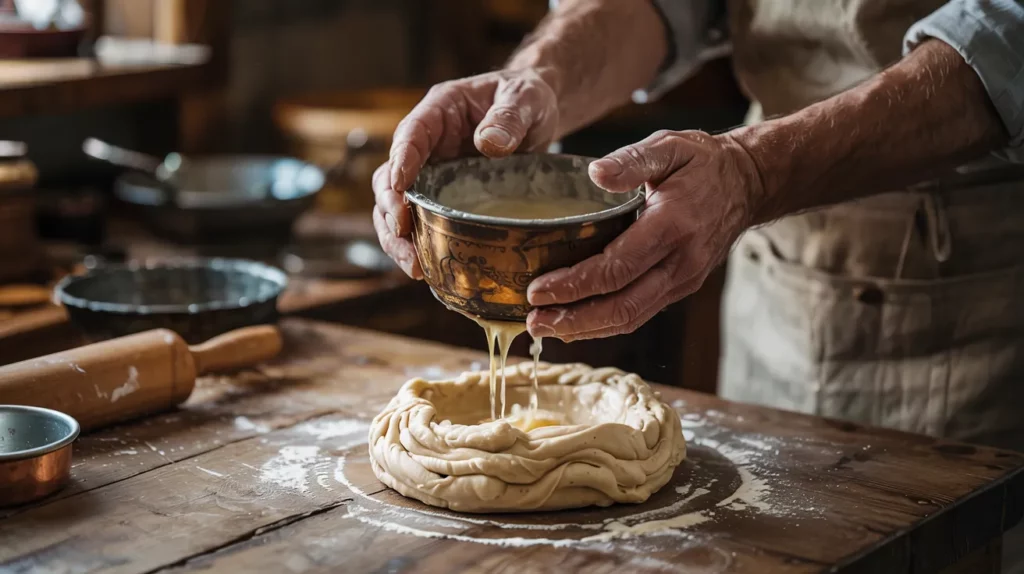
Start by heating water and fat until melted. Pour the hot mixture over the flour slowly. Stir quickly to combine. The heat cooks the flour slightly. This step helps form a dough that is easy to handle. Avoid over-mixing to keep the dough tender.
Dough Consistency
The dough should be firm but soft enough to shape. It is thicker than most pastry doughs. If too dry, add a little warm water. If too sticky, add more flour. The right texture makes the pastry strong and easy to mold.
Choosing The Right Pastry Size
Choosing the right size for your hot water crust pastry is important for a perfect pie. The size affects cooking time, filling amount, and how the pie looks. Using the right size helps avoid overflows or dry crusts. It also makes sure the pie bakes evenly and tastes great. Understanding common sizes, matching pastry to filling, and adjusting for depth will guide you well.
Common Pie Sizes
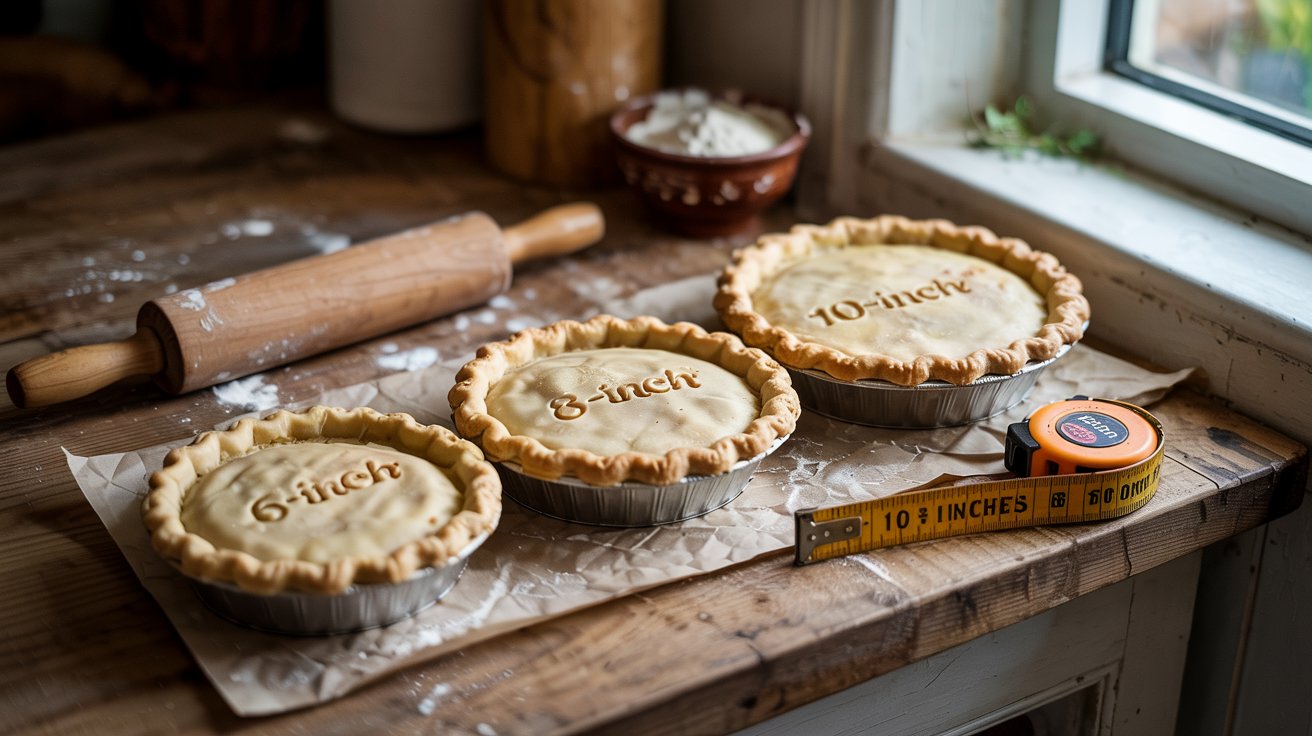
Pies come in many sizes. Standard sizes include 6, 8, and 9 inches in diameter. Smaller pies suit individual servings. Larger pies serve groups or families. Knowing these sizes helps plan your baking. Use the right pan to shape your hot water crust pastry perfectly.
Matching Pastry To Filling
The amount of filling affects the pastry size you need. More filling requires a larger pie. Too much filling in a small crust can cause spills. Too little filling in a large crust can dry out. Balance is key. Measure your filling before choosing the pastry size to get the best result.
Adjusting For Depth
Pie depth changes how much filling it holds. Deep pies need more pastry and filling. Shallow pies use less pastry and fill less. Check your pie tin depth before making pastry. Adjust dough size to cover the base and sides fully. Proper depth makes your pie look good and bake right.
Measuring And Scaling Dough
Measuring and scaling dough is key to making perfect hot water crust pastries. Accurate measurement ensures the right texture and size. It helps keep the dough consistent, so your pies bake evenly. Scaling dough for different sizes needs care. Using the right method makes the process easier and more precise.
Weight Vs Volume
Weight is the best way to measure dough. It gives exact amounts and avoids guesswork. Volume can change because of how tightly you pack ingredients. A cup of flour might be more or less depending on how you fill it. Using a kitchen scale makes sure you get the right dough size every time.
Portioning Tips
Divide dough into equal parts to keep size uniform. Use a scale to weigh each piece. If you don’t have a scale, try using dough cutters or a knife. Shape dough gently to avoid stretching or tearing. Rest the dough before shaping to make it easier to work with.
Scaling Recipes
Scaling recipes means changing ingredient amounts for different pie sizes. Multiply or divide the recipe based on your pie size. Keep the ratio of ingredients the same to maintain the dough’s texture. Write down the new weights to keep track for next time. Small changes can affect baking time and crust thickness.
Size Chart For Hot Water Crust Pastry
Understanding the right size for hot water crust pastry is key for perfect pies. This size chart helps you choose the correct diameter, weight, and thickness. It makes baking easier and ensures your crust turns out just right.
Use this guide to match your pastry dough to your pie tin size. It also helps to estimate how much dough you will need. Follow these tips to bake with confidence and get delicious results every time.
? Hot Water Crust Pastry Size Chart
| Pie Tin Size | Pastry Diameter Needed | Dough Weight Needed | Ideal Thickness | Best Use |
|---|---|---|---|---|
| 4-inch (mini pie) | 6–7 inches | 180–220 g | 3–4 mm | Individual pork pies, mini savory pies |
| 6-inch pie | 9 inches | ~300 g | 3–5 mm | Small family pies, classic pork pies |
| 8-inch pie | 11–12 inches | ~450 g | 3–5 mm | Medium savory pies, chicken pies |
| 9-inch pie | 12–13 inches | ~520 g | 3–5 mm | Deeper family pies, meat pies |
| 10-inch pie | 13–14 inches | ~600 g | 4–5 mm | Large celebration pies, heavy fillings |
| Deep pie (any size) | Add +1–2 inches to diameter | +15–20% extra dough | 4–5 mm | Thick fillings, tall pork pies |
Diameter And Weight Guide
Choose the pastry diameter based on your pie tin size. For a 6-inch tin, use about 300 grams of dough. An 8-inch tin needs 450 grams, and a 10-inch tin requires 600 grams.
Keep the dough weight consistent for even baking. Too much dough makes the crust thick and heavy. Too little dough results in a thin and fragile crust.
Dough Thickness Recommendations
Hot water crust pastry works best at 3 to 5 millimeters thick. Thicker dough holds fillings better and gives a sturdy crust. Thin dough bakes faster but may break easily.
Roll your dough evenly for consistent thickness. This helps avoid undercooked or burnt spots. Aim for a thickness that supports your pie filling well.
Pastry Yield Estimates
Estimate how much dough you need before baking. A 6-inch pie usually needs 300 grams of dough. For an 8-inch pie, plan on 450 grams. A 10-inch pie uses about 600 grams.
Keep some extra dough to patch any cracks. This prevents leaks during baking. Proper dough amount reduces waste and saves money.
Shaping And Molding Tips
Shaping and molding hot water crust pastry requires care and attention. The dough is warm and soft, making it easier to shape but also prone to damage. Small steps can help create a perfect crust that holds the filling well. Follow these tips to handle the dough correctly and avoid common problems.
Handling Warm Dough
Work quickly while the dough is still warm. It is softer and easier to shape at this stage. Use lightly floured hands to prevent sticking. Avoid over-handling the dough to keep it from becoming tough. Warm dough molds smoothly into the tin or form.
Avoiding Cracks
Cracks can cause leaks during baking. Gently stretch the dough to fit the mold instead of pulling hard. Patch small tears with extra dough pieces. Keep the dough slightly moist to prevent drying out. Smooth the surface with your fingers to seal cracks.
Creating Seams
Seams hold the pastry edges together firmly. Press edges with your fingers or a fork to join them well. Avoid overlapping dough too much, as this can cause uneven baking. Use a little water to help stick the seams. A clean, tight seam keeps the filling safe inside.
Baking Times And Temperatures
Baking times and temperatures are key to perfect hot water crust pastry. The right heat and duration ensure a crust that is crisp outside and tender inside. Different sizes of pastry need different baking settings. Getting these right helps avoid common baking problems like soggy or burnt crusts.
Adjusting For Size
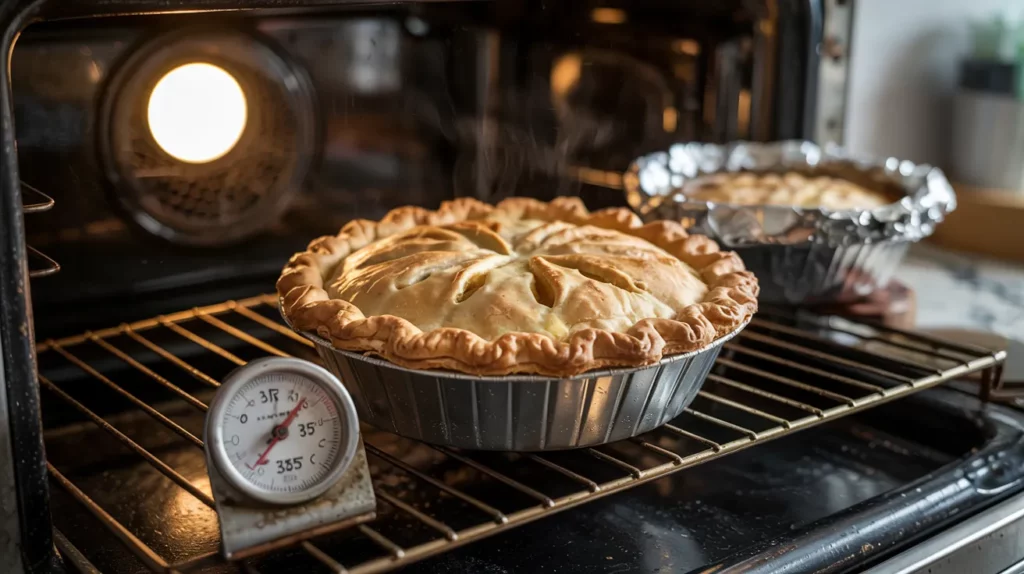
Small pastries bake faster than large ones. A 6-inch pie might need 25 to 30 minutes at 375°F (190°C). Larger pies, like 9-inch or 10-inch, require 45 to 60 minutes at the same temperature. Check the pastry color. It should be golden brown and firm to touch. Adjust time by 5 to 10 minutes if the size varies. Use an oven thermometer to keep the heat steady.
Preventing Overbaking
Overbaking dries out the crust and filling. Watch the pastry closely in the last 10 minutes. If edges brown too fast, cover them with foil. This shields from direct heat. Avoid opening the oven door often. It lowers the temperature and extends baking time. Remove the pie as soon as the crust is set and golden.
Cooling And Setting
Allow the pie to cool after baking. This step helps the crust firm up properly. Cooling for 15 to 20 minutes works well. The filling also sets better, making slicing easier. Avoid cutting too soon. Warm filling may spill out and cause a mess. Patience here improves taste and texture.
Troubleshooting Common Issues
Troubleshooting common issues with hot water crust pastry helps improve your baking results. Small errors can affect texture and taste. Understanding problems saves time and ingredients.
Check these common problems to get the best pastry every time. Adjustments in size and technique make a big difference.
Shrinking Pastry
Shrinking happens when dough is overworked or not rested enough. Stretching the dough too much can cause it to shrink in the oven. Let the dough rest at room temperature for 30 minutes before rolling. Avoid pulling the dough too tight when lining the tin.
Uneven Cooking
Uneven cooking occurs if the pastry is too thick in some spots. It can also happen if the oven temperature is too high or low. Roll the dough evenly and check the oven temperature with a thermometer. Use a baking tray to distribute heat evenly under the pie.
Pastry Too Thick Or Thin
Thickness affects baking time and texture. Too thick pastry takes longer to cook and can become doughy inside. Too thin pastry may burn or break easily. Use a rolling pin with thickness guides or measure with a ruler. Aim for about 3-5 mm thickness for perfect results.
Tips For Perfect Pies Every Time
Creating the perfect pie requires more than just following a recipe. Small details can change the texture and taste of your hot water crust pastry. Understanding the right size for your pie tin is important. This helps the pastry cook evenly and hold its shape well. Use a size chart to pick the best fit for your pie.
Beyond size, storing, reheating, and trying new flavors can improve your pie experience. These tips ensure every pie tastes fresh and delicious. Here are some simple ways to get perfect pies every time.
Storage Advice
Cool pies completely before storing. Wrap them tightly with plastic wrap or foil. Store in the fridge for up to three days. For longer storage, freeze the pie. Use airtight containers or freezer bags. Thaw in the fridge overnight before reheating.
Reheating Techniques
Reheat pies in the oven to keep the crust crisp. Set oven to 350°F (175°C). Heat for 15 to 20 minutes. Cover the edges with foil to avoid burning. Avoid microwaving, as it makes the crust soggy.
Creative Variations
Try adding herbs like thyme or rosemary to the crust. Use different fillings such as chicken, beef, or vegetables. Mix spices for unique flavors. Add cheese on top before baking for extra taste. Small changes make each pie special and tasty.
Frequently Asked Questions
What Is Hot Water Crust Pastry Used For?
Hot water crust pastry is ideal for savory pies. It holds fillings well due to its firm texture. This pastry is perfect for meat pies, pasties, and game pies. Its sturdy nature supports heavy fillings without collapsing.
How Do I Choose The Right Pastry Size?
Select pastry size based on pie tin dimensions. Match the pastry diameter to your baking dish. Allow extra pastry for crimping edges and sealing. Use a size chart to ensure accurate measurements.
Can Hot Water Crust Pastry Be Made Ahead?
Yes, you can prepare hot water crust pastry in advance. Wrap it tightly and refrigerate for up to 48 hours. For longer storage, freeze the dough for up to one month. Thaw in the refrigerator before use.
What Thickness Is Ideal For Hot Water Crust Pastry?
The ideal thickness for hot water crust pastry is about 3-5 mm. This thickness ensures a sturdy crust that bakes evenly. Too thin pastry may break, while too thick can be doughy inside.
Conclusion
Choosing the right size for your hot water crust pastry matters a lot. It helps your pie cook evenly and look great. This size chart makes picking easier and faster. Now, you can bake with more confidence and less guesswork.
Enjoy baking delicious pies every time with the right pastry size. Simple steps lead to tasty results. Give it a try and see the difference yourself.
