
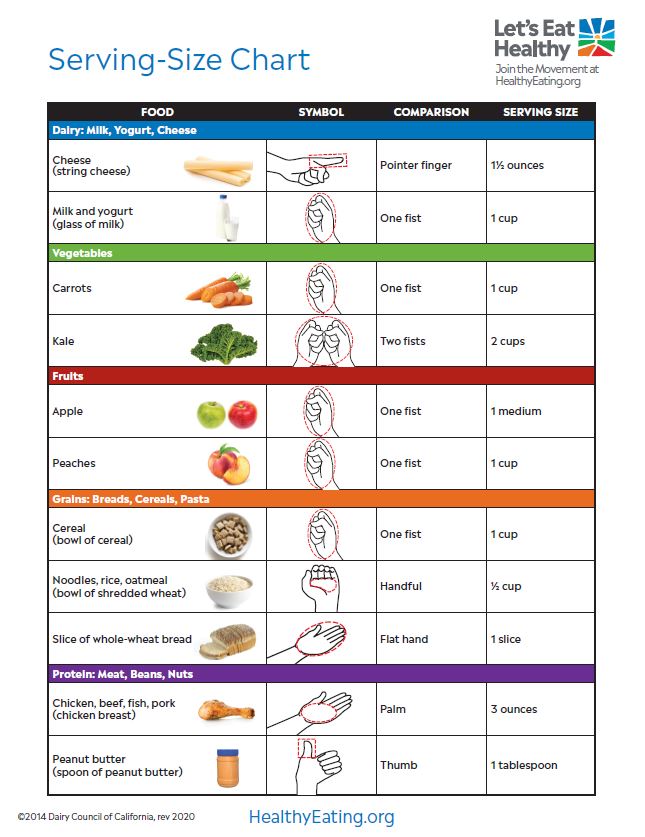
A healthy serving size chart provides guidelines for portion control. It helps individuals make informed dietary choices.
Understanding serving sizes is crucial for maintaining a balanced diet and managing weight. Many people underestimate how much they eat, leading to overeating and health issues. A healthy serving size chart simplifies meal planning by offering clear recommendations for various food groups.
By following these guidelines, you can ensure you consume the right amounts of fruits, vegetables, grains, proteins, and dairy. This approach not only promotes overall health but also supports weight management. Whether you’re cooking at home or dining out, being aware of serving sizes empowers you to make better food choices. Embracing this knowledge can lead to a healthier lifestyle and improved well-being.
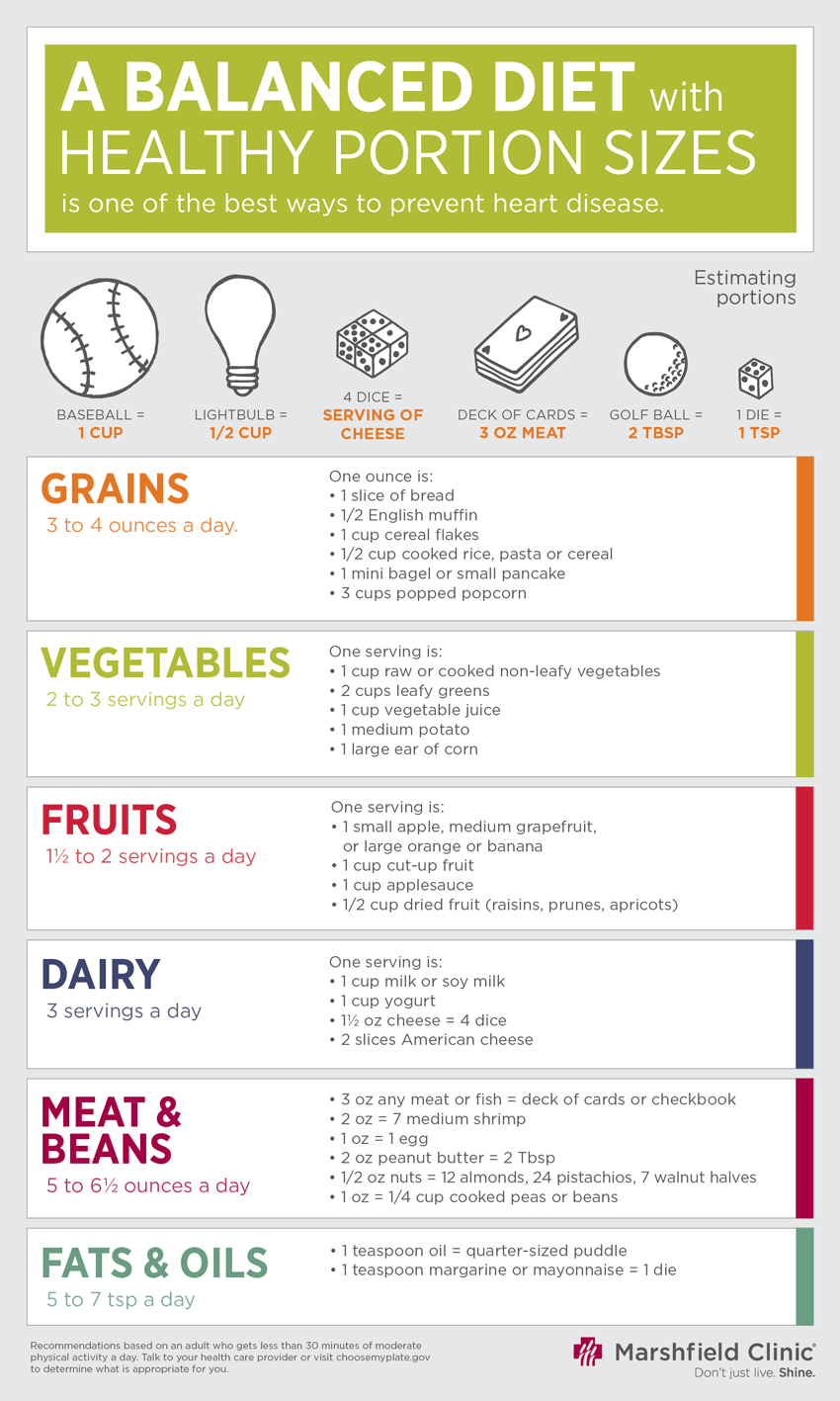
Credit: shine365.marshfieldclinic.org
Introduction To Healthy Eating
Healthy eating is essential for overall well-being. It helps maintain a healthy weight. Understanding serving sizes is key to making smart food choices. This guide will explain why portion control matters.
Why Portion Control Matters
Portion control helps regulate food intake. Eating the right amounts can prevent overeating. Here are some reasons why it is important:
- Maintains a healthy weight.
- Reduces the risk of chronic diseases.
- Promotes better digestion.
- Encourages mindful eating habits.
The Link Between Serving Sizes And Health
Serving sizes directly affect our health. Understanding them can lead to better choices. Here’s a quick overview of common serving sizes:
| Food Item | Recommended Serving Size |
|---|---|
| Fruits | 1 medium apple or banana |
| Vegetables | 1 cup raw or 1/2 cup cooked |
| Grains | 1 slice of bread or 1/2 cup cooked rice |
| Protein | 3 ounces of meat or fish |
| Dairy | 1 cup of milk or yogurt |
Understanding these serving sizes helps make informed choices. Healthy eating leads to a happier life. Portion control is the first step towards better health.
Decoding Serving Sizes
Understanding serving sizes is crucial for healthy eating. It helps manage portion control. Knowing the right amounts can prevent overeating. This section breaks down how to read food labels and addresses common misconceptions.
Reading Food Labels
Food labels provide vital information. They help you understand serving sizes. Here’s what to look for:
- Serving Size: Indicates how much food is in one serving.
- Calories: Shows energy per serving.
- Nutritional Information: Details vitamins and minerals.
Pay attention to the serving size. Many people underestimate it. For example, a bag of chips may list a serving as 1 ounce. That’s often just a handful. Always measure or weigh your portions for accuracy.
| Food Item | Serving Size | Calories |
|---|---|---|
| Rice | 1 cup cooked | 205 |
| Chicken Breast | 3 ounces | 140 |
| Apple | 1 medium | 95 |
| Peanut Butter | 2 tablespoons | 190 |
Common Misconceptions
Many misunderstand serving sizes. Here are some common myths:
- All servings are equal: Not true. Different foods have different serving sizes.
- Package sizes dictate serving size: Packages can mislead. Always check the label.
- One serving means one meal: A serving is not a meal. It’s a part of it.
Addressing these misconceptions is essential. Knowing the truth helps make better choices. Always remember that healthy eating starts with understanding serving sizes.
Fruits And Vegetables: Nature’s Treats
Fruits and vegetables are essential for a healthy diet. They provide vitamins, minerals, and antioxidants. Eating a variety of these colorful foods boosts your immune system. Proper serving sizes help you gain the most benefits. Understanding how much to eat makes healthy eating easier.
Optimal Portions For Maximum Benefits
Knowing the right serving sizes can enhance your health. Here’s a simple chart for common fruits and vegetables:
| Food Item | Optimal Serving Size |
|---|---|
| Apples | 1 medium apple |
| Bananas | 1 medium banana |
| Carrots | 1 cup raw, chopped |
| Broccoli | 1 cup cooked |
| Spinach | 2 cups raw |
These portions help you get the nutrients you need. Adjust your servings based on your age and activity level. Children may need smaller portions. Adults can enjoy larger servings for more benefits.
Creative Ways To Include More In Your Diet
Finding fun ways to eat more fruits and vegetables can be exciting. Here are some ideas:
- Add fruits to your breakfast cereal.
- Snack on veggies with hummus or yogurt dip.
- Blend smoothies using spinach, bananas, and berries.
- Make colorful salads with different vegetables.
- Roast vegetables for a delicious side dish.
Experiment with different recipes. Try new fruits and vegetables each week. The more variety you include, the better your health will be.
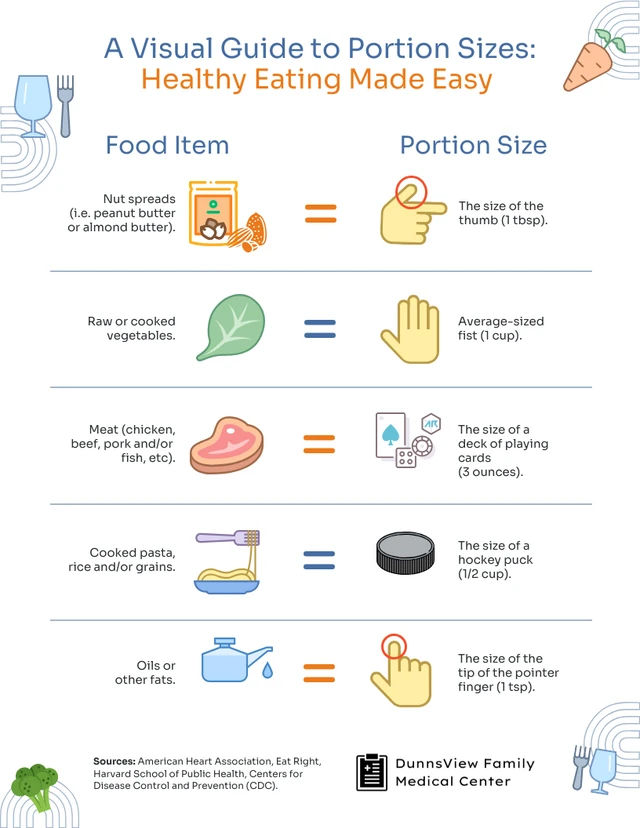
Credit: venngage.com
Proteins: Building Blocks Of The Body
Proteins are essential for growth and repair. They form muscles, skin, and organs. Each protein consists of smaller units called amino acids. Our bodies need various proteins for different functions. Understanding serving sizes helps maintain a balanced diet.
Ideal Serving Sizes For Different Protein Sources
Knowing the right serving sizes for proteins is crucial. Here’s a simple chart:
| Protein Source | Ideal Serving Size |
|---|---|
| Chicken Breast | 3 ounces (about the size of a deck of cards) |
| Fish | 3-4 ounces (about the size of a palm) |
| Eggs | 1 large egg |
| Tofu | 1/2 cup |
| Beans | 1/2 cup cooked |
| Nuts | 1 ounce (about a small handful) |
Balancing Animal And Plant Proteins
Combining animal and plant proteins offers many benefits. Animal proteins provide complete amino acids. Plant proteins are rich in fiber and vitamins. Here are some tips:
- Include: Chicken, fish, eggs, and dairy for animal protein.
- Incorporate: Beans, lentils, nuts, and quinoa for plant protein.
- Mix: Combine beans with rice for a complete protein.
- Vary: Change protein sources to get different nutrients.
Grains And Cereals: Energy Essentials
Grains and cereals are important for our diet. They provide energy and essential nutrients. Choosing the right types and amounts can boost your health. Let’s explore the difference between whole and refined grains and learn about appropriate serving sizes.
Whole Vs. Refined Grains
Whole grains contain all parts of the grain. They include:
- Bran
- Germ
- Endosperm
These components offer fiber and nutrients. Examples of whole grains are:
- Brown rice
- Quinoa
- Whole wheat bread
Refined grains have been processed. This removes the bran and germ. They often lack nutrients and fiber. Examples include:
- White rice
- White bread
- Pastries
Choose whole grains for better health. They help you feel full longer.
Appropriate Serving Sizes For Sustained Energy
Serving sizes matter for energy levels. Here’s a quick reference chart:
| Type of Grain | Serving Size | Equivalent in Cups |
|---|---|---|
| Cooked rice or quinoa | ½ cup | 1/2 cup |
| Cooked pasta | 1 cup | 1 cup |
| Whole grain bread | 1 slice | 1 slice |
| Cereal | ¾ cup | 3/4 cup |
Here are some tips for proper serving sizes:
- Use measuring cups.
- Check food labels.
- Listen to your body’s hunger cues.
Balanced portions keep your energy steady throughout the day. Enjoy grains for their nutritional benefits.
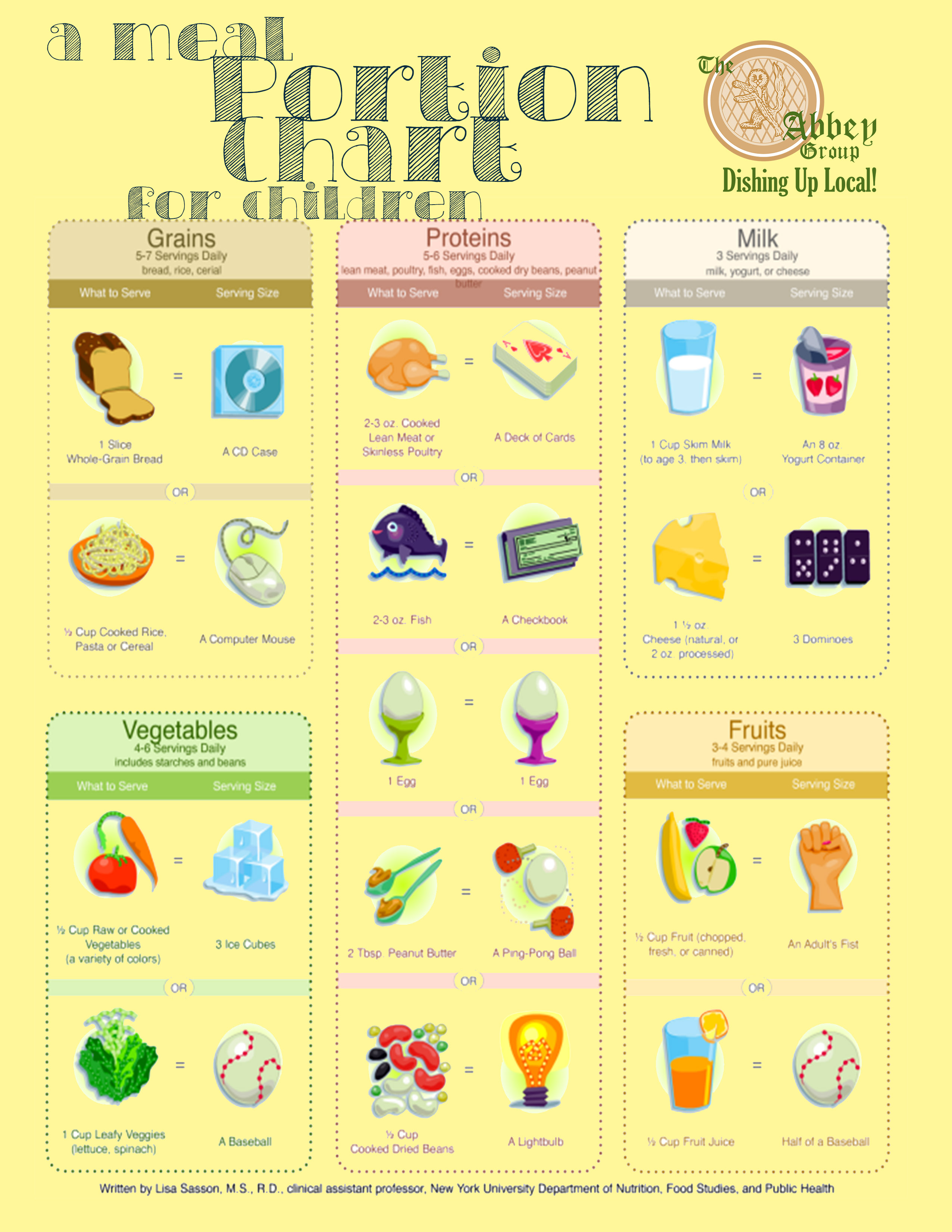
Credit: abbeygroup.net
Dairy And Dairy Alternatives: Calcium-rich Foods
Dairy products and their alternatives are key sources of calcium. Calcium is vital for strong bones and teeth. Many people enjoy milk, yogurt, and cheese. Others prefer plant-based options like almond milk or soy yogurt. Understanding serving sizes helps maintain a healthy diet.
How Much Is Too Much?
Knowing the right amount of dairy is important. Too much can lead to health issues. Here is a simple serving size chart:
| Food Item | Recommended Serving Size | Calories | Calcium Content |
|---|---|---|---|
| Milk (whole, 2%, or skim) | 1 cup (240 ml) | 150-200 | 300 mg |
| Yogurt (plain, low-fat) | 1 cup (245 g) | 150-200 | 400 mg |
| Cheddar Cheese | 1.5 oz (42 g) | 170 | 300 mg |
| Almond Milk (unsweetened) | 1 cup (240 ml) | 30 | 450 mg |
| Soy Yogurt | 1 cup (245 g) | 150 | 300 mg |
Stick to recommended serving sizes for best results. Too much dairy can lead to weight gain. Balanced intake supports overall health.
Lactose Intolerance And Plant-based Options
Lactose intolerance affects many people worldwide. Symptoms include bloating, gas, and diarrhea. Luckily, there are great alternatives.
- Choose lactose-free milk.
- Try coconut or oat milk.
- Use almond or soy yogurt.
- Explore cashew cheese for a tasty option.
These plant-based options provide calcium and other nutrients. They help those with lactose intolerance enjoy their meals.
Check labels for calcium content. Some alternatives are fortified to boost nutrition. Enjoy a variety of dairy and plant-based foods for a balanced diet.
Fats And Oils: The Good And The Bad
Understanding fats and oils is vital for a healthy diet. Some fats are beneficial, while others can be harmful. Knowing the difference helps you make better food choices.
Healthy Fats Vs. Unhealthy Fats
Fats are not all the same. They can be divided into two main categories:
- Healthy Fats: These are good for your body.
- Unhealthy Fats: These can lead to health issues.
Here’s a quick comparison:
| Type of Fat | Sources | Health Benefits |
|---|---|---|
| Healthy Fats | Avocados, nuts, olive oil, fatty fish | Improve heart health, reduce inflammation |
| Unhealthy Fats | Trans fats, fried foods, processed snacks | Increase risk of heart disease, obesity |
Portion Control For Optimal Health
Even healthy fats can add extra calories. Portion control is essential for maintaining a balanced diet.
Here are some tips for portion sizes:
- Limit oil to 1-2 tablespoons per meal.
- Use nuts as a snack, about ¼ cup.
- Include avocado, aiming for ¼ to ½ fruit.
- Choose fatty fish, 3-4 ounces serves well.
Tracking your fat intake helps you stay healthy. Focus on including more healthy fats while reducing unhealthy ones. Your body will thank you!
Sugars And Sweeteners: Hidden In Plain Sight
Many foods contain sugars and sweeteners you might not notice. They sneak into our diets through processed foods. Understanding these hidden sugars is essential for a healthy lifestyle. Let’s explore how to recognize them and the importance of moderation.
Recognizing Hidden Sugars
Hidden sugars can appear under different names. They are often in items you don’t expect. Here are some common names for sugars:
- High fructose corn syrup
- Sucrose
- Glucose
- Fructose
- Agave nectar
- Honey
- Maple syrup
Check food labels carefully. Look for added sugars, especially in:
- Sauces
- Cereals
- Beverages
- Snack foods
- Frozen meals
Some natural sweeteners may also have high sugar content. Use caution with these options.
Moderation Is Key
Consuming too much sugar can lead to health issues. These include obesity and diabetes. The American Heart Association suggests limits:
| Age Group | Daily Sugar Limit (grams) |
|---|---|
| Children (2-18 years) | 25 grams |
| Women | 25 grams |
| Men | 37.5 grams |
Monitor your sugar intake. Use these tips:
- Choose whole foods over processed ones.
- Drink water instead of sugary drinks.
- Opt for fresh fruits for sweetness.
- Read labels for sugar content.
Practice moderation to enjoy treats without worry. Stay informed about hidden sugars to make smart choices.
Snacks: Smart Choices For In-between Meals
Snacks are great for keeping energy levels up. Choosing the right snacks helps maintain a healthy diet. Smart choices can prevent hunger between meals. Understanding serving sizes is key to enjoying snacks without overeating.
Healthy Snack Ideas
Here are some tasty and healthy snack options:
- Fresh fruits: Apples, bananas, and berries.
- Vegetable sticks: Carrots, celery, and bell peppers.
- Nuts: Almonds, walnuts, and pistachios.
- Yogurt: Plain or Greek yogurt with honey.
- Whole-grain crackers: Pair with cheese or hummus.
These snacks are nutritious and easy to prepare. They provide essential vitamins and minerals.
Controlling Portions To Avoid Overeating
Portion control is important for healthy snacking. Here are some tips:
- Use smaller plates: This tricks your brain into feeling full.
- Pre-portion snacks: Use bags or containers for easy servings.
- Read labels: Understand serving sizes on packages.
- Limit mindless eating: Snack only when hungry.
Measuring snacks can help maintain a balanced diet. Keep a food diary to track your intake.
| Snack | Recommended Serving Size |
|---|---|
| Fresh fruits | 1 medium fruit or 1 cup chopped |
| Vegetable sticks | 1 cup raw vegetables |
| Nuts | 1 ounce (about 28 grams) |
| Yogurt | 1 cup |
| Whole-grain crackers | 1 serving (about 4-6 crackers) |
Following these serving sizes helps control calorie intake. Smart snacking leads to a healthier lifestyle.
Beverages: Hydration And Calorie Intake
Drinks play a vital role in our daily nutrition. They can hydrate us and add calories. Choosing the right beverages helps us stay healthy. Understanding serving sizes is key.
Choosing Drinks Wisely
Not all drinks are equal. Some are packed with calories, while others are low in calories. Here are some tips for choosing wisely:
- Water: Best choice for hydration.
- Fruits Juices: Choose 100% juice, but limit servings.
- Soda: High in sugar. Opt for diet versions or limit intake.
- Coffee and Tea: Low-calorie options if consumed without sugar.
- Alcohol: Can add calories quickly. Drink in moderation.
Understanding The Impact Of Liquid Calories
Liquid calories can sneak up on you. Many drinks contain added sugars. They do not fill you up like solid foods. Here’s a quick comparison of common beverages:
| Beverage | Serving Size | Calories |
|---|---|---|
| Water | 8 oz | 0 |
| 100% Orange Juice | 8 oz | 112 |
| Soda | 12 oz | 150 |
| Coffee (black) | 8 oz | 2 |
| Beer (light) | 12 oz | 100 |
Keep track of your beverage choices. This helps control calorie intake. Stay hydrated with healthy options. Make informed choices to support your health.
Practical Tips For Measuring Servings
Measuring food servings can be simple and effective. Knowing the right portion sizes helps maintain a healthy diet. Follow these practical tips to measure servings easily.
Using Household Items
Many household items can help measure food portions accurately. Here’s a quick guide:
| Item | Serving Size |
|---|---|
| Cup | 1 cup of fruits or vegetables |
| Tennis Ball | 1 medium-sized fruit |
| Deck of Cards | 3 ounces of meat |
| Ping Pong Ball | 2 tablespoons of peanut butter |
| Thumb | 1 ounce of cheese |
Using these common items helps visualize healthy portions. This method is easy and convenient.
When Eating Out
Eating out can lead to larger portions. Here are tips to manage serving sizes:
- Share meals with friends or family.
- Order small sizes or appetizers instead of full meals.
- Ask for dressings and sauces on the side.
- Take half home if the portion is too big.
- Focus on vegetables and lean proteins.
These strategies help control portions while enjoying your meal. Make smart choices for a healthier dining experience.
Creating A Balanced Meal Plan
Building a balanced meal plan is crucial for good health. It helps you get the right nutrients. A healthy meal plan includes proteins, carbs, fats, vitamins, and minerals. Understanding serving sizes can make meal planning easier and more effective.
Sample Meal Plans
Here are some sample meal plans to guide you:
| Meal | Food Items | Serving Size |
|---|---|---|
| Breakfast | Oatmeal with fruits | 1 cup of oatmeal, ½ cup of fruits |
| Lunch | Grilled chicken salad | 3 oz chicken, 2 cups salad |
| Dinner | Quinoa and veggies | 1 cup quinoa, 1 cup veggies |
| Snacks | Greek yogurt with nuts | 1 cup yogurt, ¼ cup nuts |
These meals offer a variety of nutrients. Adjust the ingredients based on your preferences. Eating diverse foods keeps meals interesting and enjoyable.
Adjusting Portions To Meet Individual Needs
Portion sizes can change based on age, activity level, and health goals. Here are some tips:
- Active individuals need more calories.
- Children require smaller portions.
- Older adults may need fewer calories.
- Consult a nutritionist for personalized advice.
Listen to your body. Eat when you are hungry. Stop when you feel full. This helps maintain a healthy weight.
Conclusion: Embracing A Mindful Eating Approach
Adopting a mindful eating approach transforms how you view food. It focuses on awareness and satisfaction. Understanding healthy serving sizes is a key part of this journey. Awareness leads to better choices and improved health.
The Long-term Benefits Of Portion Control
Portion control brings numerous long-term benefits:
- Weight Management: Helps maintain a healthy weight.
- Improved Digestion: Reduces bloating and discomfort.
- Enhanced Energy Levels: Promotes stable energy throughout the day.
- Better Nutrient Intake: Encourages balanced meals.
- Healthier Relationship with Food: Reduces guilt and anxiety around eating.
These benefits create a sustainable lifestyle change. Portion control leads to healthier habits over time.
Staying Flexible And Enjoying Food
Mindful eating allows for flexibility. Enjoying food is essential for a balanced life.
- Practice moderation. Indulge occasionally without guilt.
- Listen to your body. Eat when hungry, stop when full.
- Explore new foods. Variety enhances enjoyment and nutrition.
- Share meals with friends. Makes eating more enjoyable and social.
Finding joy in food promotes a healthy mindset. Embrace the journey of mindful eating for lasting benefits.
Frequently Asked Questions
What Is A Healthy Serving Size?
A healthy serving size varies by food type. Generally, aim for one cup of fruits or vegetables, three ounces of protein, and a quarter cup of grains. Adjust portions based on age, activity level, and dietary needs for optimal nutrition.
Always listen to your body’s hunger cues.
What Are Good Portion Sizes?
Good portion sizes vary by food type. A serving of protein is about the size of your palm. Vegetables should fill half your plate. Grains should be the size of a cupped hand. Snacks should be limited to a small handful.
Adjust portions based on activity level and personal needs.
What Is A Standard Serve Size?
A standard serve size varies by food type. Generally, it refers to a specific amount recommended for balanced nutrition. For example, one serving of vegetables is typically one cup, while grains often suggest half a cup. Always check food labels for precise serving sizes.
What Is Standard Portion Size?
Standard portion size refers to the recommended amount of food or drink for one serving. It varies by food type and dietary guidelines. Understanding these sizes helps manage calorie intake and maintain a balanced diet. Use measuring tools for accuracy to ensure proper portion control.
Conclusion
Understanding healthy serving sizes is essential for balanced nutrition. A clear serving size chart can guide your choices. By incorporating these guidelines into your meals, you promote better health and well-being. Use this information to make informed decisions and enjoy a healthier lifestyle.
Remember, moderation is key to success.
