
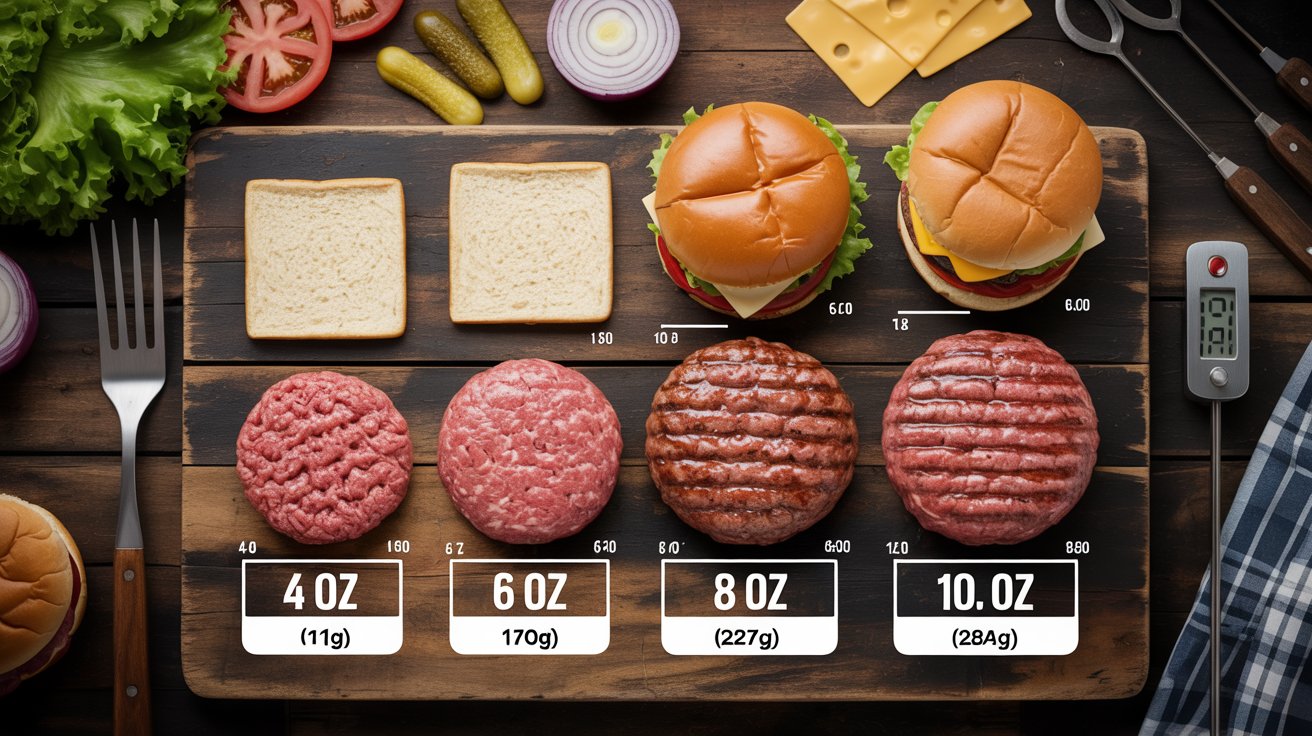
There’s nothing quite like a juicy hamburger patty sizzling on the grill, filling the air with mouthwatering aromas that make your stomach grumble. Perfect for weeknight dinners or weekend barbecues, these patties are a comfort food classic that never disappoints. Get ready to impress your family and friends with the right weight and size for the perfect burger every time!
Get ready for a delicious experience: Total time: 30 minutes, Difficulty: Easy, Servings: 4.
History of Hamburger Patties
The hamburger patty has a rich history that reflects both culinary innovation and cultural significance. Understanding its origins and the occasions for serving it can enhance your appreciation for this beloved dish.
- Origin of Hamburger: The hamburger is believed to have roots tracing back to the 19th century in Hamburg, Germany. German immigrants brought their culinary traditions to America, where they adapted the concept of minced meat into the iconic hamburger patty we know today.
- Cultural Significance: Over the decades, the hamburger has evolved into a symbol of American cuisine. It represents not just a meal, but a communal experience often enjoyed at backyard barbecues, cookouts, and family gatherings, making it a staple in social dining settings.
- When to Serve: Hamburger patties are versatile and can be served for various occasions. From casual weeknight dinners to festive summer parties, they can be tailored to suit any event. Pairing them with different toppings and sides allows for creativity, making them suitable for everything from a simple lunch to gourmet dining experiences.
Hamburger Patty Weight Chart
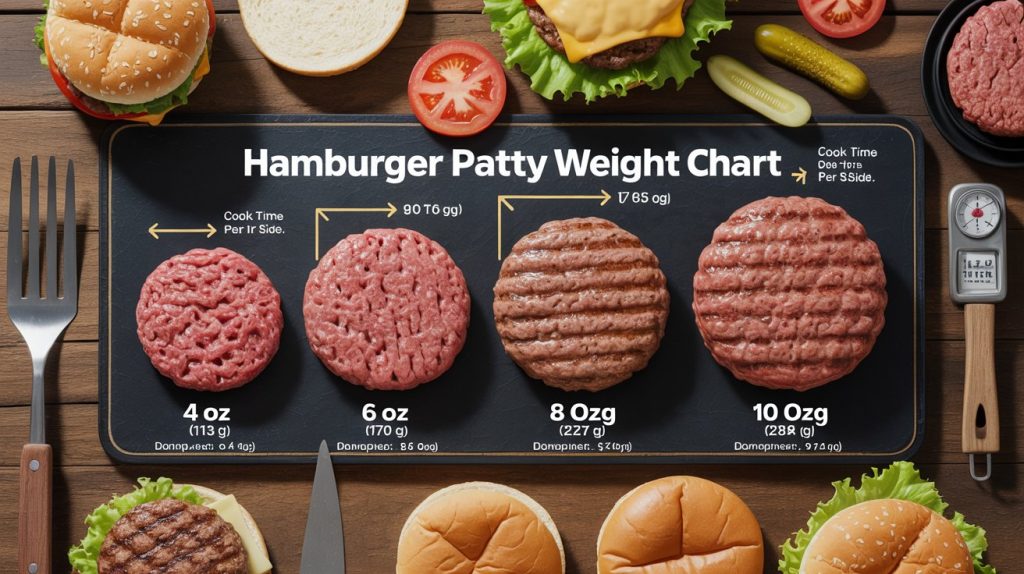
Understanding the weight, diameter, and thickness of hamburger patties is essential for achieving the perfect burger. This section provides a detailed weight chart that not only lists the weights of various patty sizes but also offers guidance on how to reach your desired thickness and diameter. With this information, you can ensure even cooking and an ideal texture.
| Patty Weight | Metric | Diameter | Thickness | Cook Time |
|---|---|---|---|---|
| 4 oz | 113 g | 4–4.5 in | 1 in | 4–5 min per side |
| 6 oz | 170 g | 5–5.5 in | 1.25 in | 5–6 min per side |
| 8 oz | 227 g | 6–6.5 in | 1.5 in | 6–7 min per side |
| 10 oz | 284 g | 7–7.5 in | 1.75 in | 7–8 min per side |
✔ Most home burgers use 4–6 oz patties.
When shaping your patties, aim for a slight indentation in the center to help them cook evenly and prevent puffing up. Use the following tips to achieve the right thickness:
- For a 4 oz patty, ensure the thickness is about 1 inch. This will cook to a perfect medium in about 4-5 minutes per side on medium-high heat (around 375°F or 190°C).
- For a 6 oz patty, increase the thickness to 1.25 inches and cook for about 5-6 minutes per side.
- For 8 oz and larger patties, consider lower cooking temperatures to allow the inside to cook through without burning the outside.
Chef’s tip: Always check the internal temperature with a meat thermometer; 160°F (71°C) is the safe temperature for ground beef.
Essential Kitchen Equipment
To craft the perfect hamburger patties, having the right tools on hand makes all the difference. This section outlines the essential equipment you’ll need to create consistently delicious patties, along with preparation instructions that ensure your cooking process flows smoothly.
- Kitchen Scale: A digital kitchen scale is essential for measuring the weight of your ground beef accurately. Aim for a scale that can measure in grams and ounces to help you achieve the precise patty weights outlined in the chart. This will ensure uniformity, which is key for even cooking.
- Mixing Bowl: Use a large mixing bowl (at least 4-quart capacity) to combine your ground beef with seasonings without creating a mess. Ensure the bowl is sturdy and easy to clean, as you’ll need to mix thoroughly without overworking the meat.
- Measuring Cups and Spoons: Accurate measurements are crucial for seasonings and any binders you may choose to use, such as breadcrumbs or eggs. A set of dry measuring cups and measuring spoons will ensure you add the right amounts for flavor.
- Patty Press or Burger Mold: A patty press helps shape your patties uniformly, ensuring even cooking. If you don’t have one, you can use your hands to form the patties, but make sure you press them to the desired thickness (usually about ¾ inch) for consistent results.
- Spatula: A sturdy spatula is necessary for flipping your patties without breaking them. Opt for one with a wide surface area to easily transfer the patties from the grill or skillet without losing their shape.
- Cooking Thermometer: To ensure food safety, a reliable cooking thermometer will help you check if your patties have reached the proper internal temperature of 160°F (71°C). This is especially important when cooking ground meat to avoid any foodborne illnesses.
Step-by-Step Patty Preparation
Creating the perfect hamburger patty is not just about the ingredients; it’s also about technique and timing. This section will guide you through the steps to form, cook, and check the doneness of your patties, ensuring they are juicy and flavorful every time.
- Forming the Patties: Start by weighing your ground beef based on the desired patty weight. For example, for a ¼ pound (113g) patty, use a kitchen scale to ensure precision. Shape the meat into a ball, then flatten it gently into a disc about ¾ inch thick. Be careful not to overwork the meat; this keeps the patties tender.
- Cooking Times and Methods: Preheat your grill or skillet to medium-high heat, around 400°F (200°C). For a ¼ pound patty, cook for 3-4 minutes on each side for medium-rare. If you prefer medium, extend the cooking time to 5-6 minutes per side. The patties should sizzle when they hit the grill, and the edges should start to brown.
- Checking Doneness: To ensure your patties are cooked to your desired doneness, use an instant-read thermometer. For medium-rare, aim for an internal temperature of 130°F (54°C); for medium, 140°F (60°C); and for well-done, 160°F (71°C). If you don’t have a thermometer, cut into the patty to check that the juices run clear and the center is no longer pink.
Chef’s tip: Let the patties rest for 5 minutes after cooking to allow the juices to redistribute, resulting in a more flavorful bite.
Expert Tips for Perfect Patties
Creating the perfect hamburger patty is an art that requires attention to detail and an understanding of common pitfalls. Here are some expert tips to help you avoid mistakes and enhance the texture and flavor of your patties, ensuring they are both delicious and visually appealing.
- Don’t overwork the meat: When forming your patties, handle the ground beef gently. Overworking will lead to tough burgers. Aim for a light touch; just enough to shape the meat into patties without compressing it too much.
- Pay attention to fat content: A good balance of fat is crucial for juicy patties. Use ground beef with at least 15-20% fat content. This will ensure your burgers are moist and flavorful, rather than dry and crumbly.
- Make an indentation: Create a slight depression in the center of each patty with your thumb. This helps the patty cook evenly and prevents it from puffing up in the center while grilling, ensuring a perfect flat shape.
- Season generously: Don’t be shy with your seasoning! Use about 1 teaspoon of salt and ½ teaspoon of pepper per pound of meat. Season the outside just before cooking to enhance the crust, while keeping the inside flavorful.
- Check doneness with a thermometer: For safety and perfect doneness, use an instant-read thermometer. Aim for 160°F (71°C) for medium doneness. This ensures your burger is cooked through while remaining juicy.
Patty Variations and Substitutions
This section discusses various alternatives and modifications for hamburger patties, ensuring that everyone can enjoy a delicious burger, regardless of dietary preferences or restrictions. Whether you are looking for gluten-free options, vegan alternatives, or simply want to experiment with flavors, you’ll find guidance here.
Gluten-Free Options
If you or someone you’re cooking for is avoiding gluten, there are several ways to make gluten-free hamburger patties:
- Use certified gluten-free breadcrumbs (about ½ cup) to bind the meat.
- Omit breadcrumbs entirely and add finely diced vegetables like onions or bell peppers for moisture and binding.
- Consider using ground meat from gluten-free sources, such as turkey or chicken, which are naturally gluten-free.
Vegan Alternatives
For a plant-based burger, consider these options:
- Black Bean Patties: Mix 1 can (15 oz) of drained black beans with ½ cup of cooked rice, ¼ cup of diced onion, and spices. Form into patties weighing about 4 ounces each.
- Lentil Patties: Combine 1 cup of cooked lentils with ¼ cup of oats, 1 tablespoon of soy sauce, and spices. Shape into 4 oz patties.
- Mushroom Patties: Finely chop 2 cups of mushrooms and sauté until most moisture is gone. Mix with ½ cup breadcrumbs and spices to form patties.
Flavor Variations
Experimenting with flavors can take your hamburger patties to the next level:
“Chef’s tip: Add 1 tablespoon of Worcestershire sauce or soy sauce to your ground meat for added umami.”
Consider these flavor boosters:
- Herbs: Add 1 tablespoon of fresh chopped herbs like cilantro or parsley to the mix.
- Spices: Incorporate 1 teaspoon of paprika, cumin, or garlic powder for added depth.
- Cheese: Mix in ¼ cup of shredded cheese for a cheesy patty. Use a vegan cheese alternative if needed.
| Beef Patty | 4 oz | 4-5 minutes per side at medium-high heat (about 375°F/190°C) |
| Black Bean Patty | 4 oz | 3-4 minutes per side at medium heat (about 350°F/175°C) |
| Lentil Patty | 4 oz | 4-5 minutes per side at medium heat (about 350°F/175°C) |
Serving and Plating Suggestions
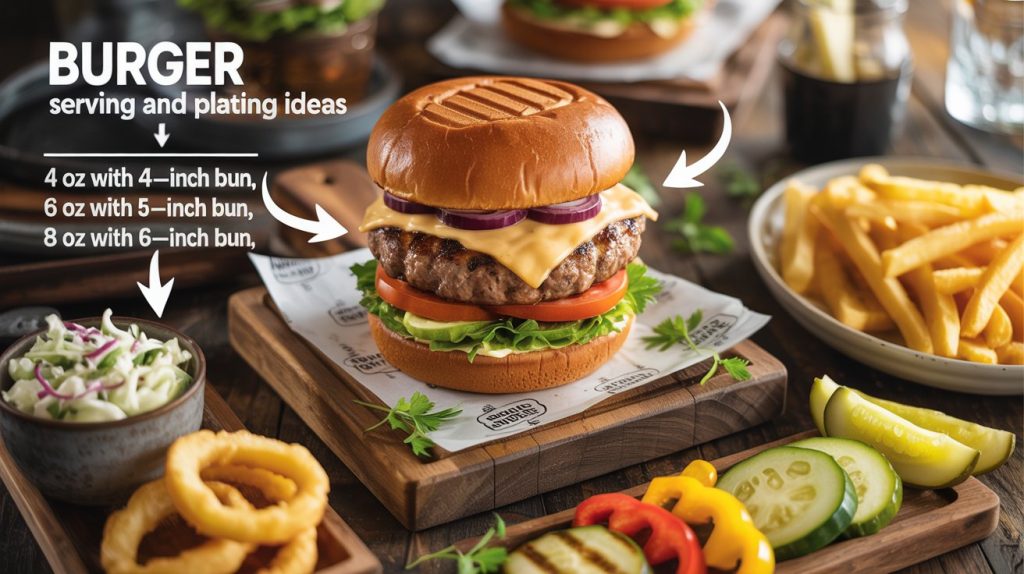
Once you’ve crafted the perfect hamburger patty, presentation is key to enhancing the overall dining experience. This section offers tips on plating techniques and suggests delicious side dishes that complement your burgers beautifully.
Plating Techniques
- Layering: Start by placing your hamburger patty on the bottom bun. Layer with fresh lettuce, a slice of tomato, and your favorite cheese. Add the top bun at a slight angle to showcase the vibrant ingredients.
- Garnishing: A sprinkle of chopped parsley or a slice of pickle on the side adds color and a touch of sophistication.
- Serving Style: Consider wooden boards or rustic plates for a casual look, or use elegant white dinnerware for a more refined presentation.
Side Dishes and Pairings
Pair your hamburger patties with sides that enhance the flavors without overpowering them. Here are some classic accompaniments:
- French Fries: Crispy and golden, seasoned with sea salt.
- Coleslaw: A fresh, crunchy side that balances the richness of the burger.
- Onion Rings: Lightly battered and fried until golden brown for a satisfying crunch.
- Grilled Vegetables: Seasonal veggies like zucchini, bell peppers, and corn, brushed with olive oil and grilled at 400°F (200°C) for 10-12 minutes until tender.
- Pickles: Serve on the side for an extra crunch and acidity.
Chef’s tip: Try to match the weight of your patty with the size of your bun to ensure a balanced bite every time!
| 4 oz (113g) | 4-inch bun |
| 6 oz (170g) | 5-inch bun |
| 8 oz (227g) | 6-inch bun |
Quick Summary
| Prep Time | Cook Time | Total Time | Servings |
|---|---|---|---|
| 10 minutes | 10-15 minutes | 20-25 minutes | 4 |
- Choose your weight: Standard patties are typically 4-6 oz.
- Shape evenly: Form patties with a slight indentation in the center.
- Monitor temperature: Aim for 160°F for safety.
- Rest before serving: Let patties sit for 5 minutes after cooking.
- Use a meat thermometer: Ensures perfect doneness every time.
- Tip: Use 80/20 ground beef for optimal juiciness.
- Tip: Avoid over-handling the meat to keep patties tender.
Frequently Asked Questions
Can I make this ahead of time? How to store and reheat?
You can absolutely prepare hamburger patties ahead of time. Store them in an airtight container in the fridge for up to 2 days, or freeze them for up to 3 months, and reheat on a grill or stovetop until they reach an internal temperature of 160°F.
What can I substitute for ground beef?
If you want to substitute ground beef, you can use ground turkey, ground chicken, or even plant-based alternatives like lentils or black beans, keeping the weight proportions similar.
How do I know when it’s done?
Your hamburger patties are done when they reach an internal temperature of 160°F. You can use a meat thermometer to check this, and the juices should run clear with no pink in the center.
Can I freeze this? How long does it last?
Yes, you can freeze hamburger patties! They can last in the freezer for up to 3 months if wrapped well in plastic wrap and aluminum foil to prevent freezer burn.
What if I don’t have a scale to weigh the patties?
If you don’t have a scale, you can use measuring cups; typically, a 1/4 pound patty is about the size of a tennis ball or 1/2 cup of ground meat. Just shape them evenly to ensure they cook uniformly.
