
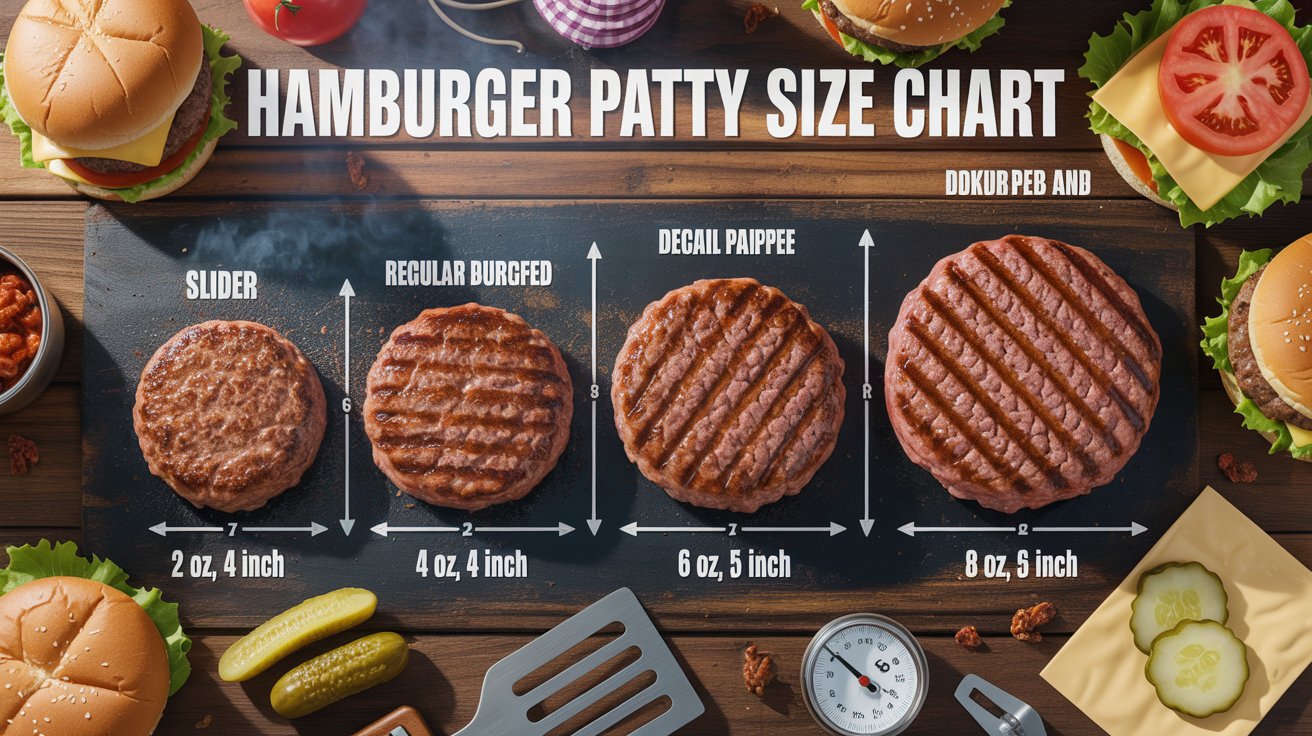
Nothing beats the joy of biting into a perfectly cooked hamburger, where the savory juices burst forth with every mouthful. Whether it’s a laid-back weeknight dinner or a lively weekend barbecue with friends, these juicy patties are comfort food at its best, bringing smiles all around the table.
With this guide, you’ll find a comprehensive hamburger patty size chart that details everything from weight to cooking times. Expect clear, step-by-step instructions, tips for shaping patties, and advice on achieving the ideal doneness every time. Perfect for 4-6 servings and takes about 30 minutes in total!
History of Hamburger Patties
The hamburger patty has a rich history that reflects its evolution from simple meat to a cultural icon. Understanding its origins and significance helps us appreciate the variations and sizes we see today, setting the stage for perfecting our own homemade patties.
- Origin of the Hamburger: The hamburger is believed to have originated in the late 19th century in the United States, inspired by the German dish called “Hamburg steak.” This dish featured finely minced beef, which immigrants brought to America and adapted into the sandwich form we know today.
- Cultural Impact: Over the decades, the hamburger has become a symbol of American cuisine, representing convenience and comfort food. Its presence in fast food chains and backyard barbecues highlights its widespread appeal, and it has influenced culinary traditions worldwide.
Hamburger Patty Size Chart
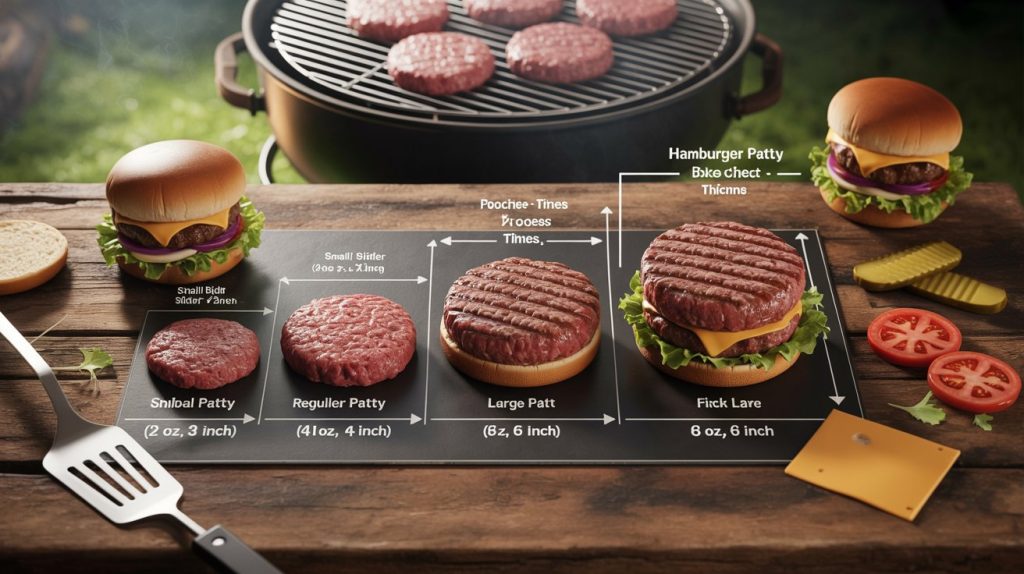
Understanding the various sizes of hamburger patties can enhance your grilling experience and ensure perfectly cooked burgers. This section provides a comprehensive chart detailing patty weights, sizes, and recommended cooking times, so you can achieve delicious results every time.
| Patty Type | Weight | Diameter | Thickness | Cook Time |
|---|---|---|---|---|
| Slider | 2 oz (56 g) | 2–3 in | ½ in | 2–3 min per side |
| Regular burger | 4 oz (113 g) | 4 in | ¾ in | 4–5 min per side |
| Large burger | 6 oz (170 g) | 5 in | 1 in | 5–6 min per side |
| Extra-large burger | 8 oz (227 g) | 6 in | 1–1¼ in | 6–7 min per side |
✔ Most restaurants use 4–6 oz patties.
Chef’s tip: Always make a small indentation in the center of each patty before cooking. This prevents the burger from puffing up while grilling, ensuring even cooking.
- For best results, use ground beef with 80/20 lean-to-fat ratio for juicy burgers.
- Make sure to season your patties with salt and pepper just before cooking to enhance flavor.
- Ensure your grill or skillet is preheated to achieve a good sear and prevent sticking.
When cooking, keep an eye on the burgers; they should have a nice brown crust and feel firm to the touch when done. If they seem to be browning too quickly, lower the heat to avoid burning.
Essential Kitchen Tools
To create the perfect hamburger patties, having the right tools in your kitchen is crucial. These tools not only help you shape and cook your patties effectively but also ensure consistency in size and flavor, making your grilling experience enjoyable and delicious.
| Item | Amount/Specification | Notes |
|---|---|---|
| Grill or Frying Pan | 1 | Choose a cast iron skillet or a grill for even cooking and great sear. |
| Measuring Scale | 1 | Use for weighing ground beef; helps in achieving uniform patty sizes. |
| Measuring Cups | 1 set | For measuring spices and toppings accurately. |
| Spatula | 1 | A sturdy spatula is essential for flipping patties without breaking them. |
| Meat Thermometer | 1 | To check internal temperature, ensuring patties are cooked to perfection. |
- Tip: Preheat your grill or frying pan to 400°F (200°C) before adding the patties to achieve a good sear.
- Tip: When shaping patties, use a light touch; overworking the meat can lead to tough burgers.
- Tip: If using a grill, make sure to oil the grates lightly to prevent sticking.
Patty Shaping Instructions
Shaping your hamburger patties correctly is essential for even cooking and optimal flavor. By following these steps, you’ll create uniform patties that hold up well during cooking and provide a delightful bite.
- Measure Your Meat: Start with 1 pound (450g) of ground beef, ideally 80/20 for a good balance of flavor and moisture. If you’re using leaner meat, consider adding a tablespoon of olive oil to maintain juiciness.
- Divide and Weigh: For consistent size, divide your ground beef into portions. Depending on your desired patty size, aim for 4 ounces (113g) for a standard burger or 6 ounces (170g) for a thicker one. Use a kitchen scale for accuracy.
- Forming the Patties: Gently roll each portion into a ball, avoiding overworking the meat. Flatten the ball into a disc about ¾ inch (2 cm) thick. Remember, the patties will shrink while cooking, so make them slightly larger than the bun diameter.
- Create a Dimple: Press your thumb into the center of each patty to create a small dimple. This prevents the patty from puffing up during cooking and helps it cook evenly. The dimple should be about ½ inch (1.25 cm) wide.
- Chill Before Cooking: Place the shaped patties on a plate lined with parchment paper and refrigerate for at least 30 minutes. This resting period allows the fats to solidify, which helps the patties maintain their shape on the grill or skillet.
Chef’s tip: Avoid pressing down on the patties with a spatula while cooking; this releases juices and can lead to a dry burger.
Cooking Methods and Timing
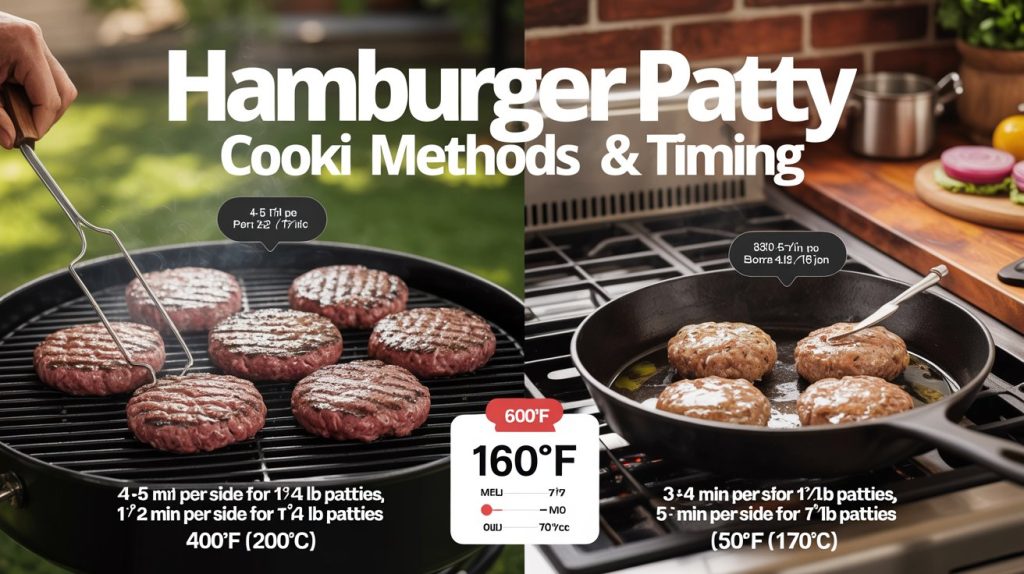
This section outlines the best cooking methods and recommended timings for various hamburger patty sizes. Proper cooking techniques ensure that your patties are juicy, flavorful, and cooked to perfection.
Grilling: Preheat your grill to medium-high heat (about 400°F or 200°C). For patties sized ¼ pound (113g), grill for about 4-5 minutes on each side for medium doneness. You’ll know they’re ready when they develop a nice char and the juices run clear.
For larger patties (½ pound or 227g): Increase grilling time to 6-7 minutes per side. Use a meat thermometer to check for doneness; aim for 160°F (71°C) in the center. The patties should be firm to the touch and have a nice crust on the outside.
Pan-Frying: Heat 2 tablespoons of olive oil in a skillet over medium heat (about 350°F or 175°C). For ¼ pound patties, cook for 3-4 minutes on each side until golden brown. The aroma should be mouthwatering as they sear.
For ½ pound patties: Cook for 5-6 minutes on each side. Ensure the internal temperature reaches 160°F (71°C). If the patties are sticking, they might need a little longer to develop a crust before flipping.
Chef’s tip: Always let your cooked patties rest for 3-5 minutes before serving to keep them juicy.
| Doneness | Internal Temp |
|---|---|
| Medium | 145°F (63°C) |
| Medium-well | 150°F (66°C) |
| Well done | 160°F (71°C) |
For food safety, ground beef is usually cooked to 160°F (71°C).
Expert Tips for Perfect Patties
Creating the perfect hamburger patty requires attention to detail, especially when it comes to avoiding dryness and seasoning effectively. Here are some essential tips to ensure your patties are juicy and flavorful every time.
Avoiding Dry Patties
- Choose the right meat: Use ground beef with a fat content of 80/20 (80% lean, 20% fat). This ratio ensures enough moisture, resulting in juicy patties. If you opt for leaner meat, consider adding a tablespoon of olive oil to retain moisture.
- Don’t overwork the meat: When forming patties, handle the meat gently. Overworking can lead to tough, dry burgers. Mix just until combined and then shape into patties, about ¾ inch thick.
- Make a dimple: Press a small indent in the center of each patty before cooking. This prevents puffing and ensures even cooking. The dimples will help the patties cook evenly and retain their shape.
Seasoning Tips
- Season just before cooking: Sprinkle salt and pepper on both sides of the patties right before they hit the grill or skillet. This enhances flavor without drawing out moisture prematurely.
- Experiment with flavors: Try adding a teaspoon of garlic powder or smoked paprika to the ground beef for added depth. Just be careful not to over-season, as you want the beef flavor to shine through.
- Taste test: If you’re trying a new seasoning blend, cook a small piece of meat first to test the flavor before committing to the entire batch.
Variations and Substitutions
This section highlights dietary modifications and alternative recipes for hamburger patties, ensuring you can cater to different preferences and dietary needs without sacrificing flavor or texture. Whether you’re looking for gluten-free options or vegan alternatives, these substitutions will help you create delicious and satisfying patties for everyone at your table.
Gluten-Free Options
- Use gluten-free breadcrumbs: Substitute ½ cup regular breadcrumbs with ½ cup gluten-free breadcrumbs to maintain the texture.
- Oats as a binder: Ground rolled oats can work beautifully; use ¼ cup of ground oats for a similar binding effect.
- Check condiments: Ensure any sauces or toppings are gluten-free; many brands offer gluten-free ketchup and mustard options.
Vegan Patties
For a plant-based alternative, consider using legumes, grains, and vegetables as the base of your patties. Here’s a simple recipe for vegan patties:
- 1 can (15 oz) black beans, rinsed and drained
- ½ cup cooked quinoa
- ½ cup finely chopped bell pepper
- 1 tablespoon ground flaxseed mixed with 3 tablespoons water (let sit for 5 minutes)
- ½ teaspoon garlic powder
- ½ teaspoon cumin
- In a mixing bowl, mash the black beans until mostly smooth. Stir in cooked quinoa, bell pepper, flaxseed mixture, garlic powder, and cumin until well combined.
- Form into patties about ¼ inch thick, using approximately ¼ cup of the mixture for each patty.
- Heat a non-stick skillet over medium heat (350°F/175°C) and add 1 tablespoon olive oil. Cook the patties for 4-5 minutes on each side until golden brown and heated through.
Chef’s tip: For an even firmer texture, chill the patties in the refrigerator for 30 minutes before cooking.
These variations ensure that your burger game can be inclusive and flavorful, so everyone can enjoy a tasty meal together!
Serving and Pairing Ideas
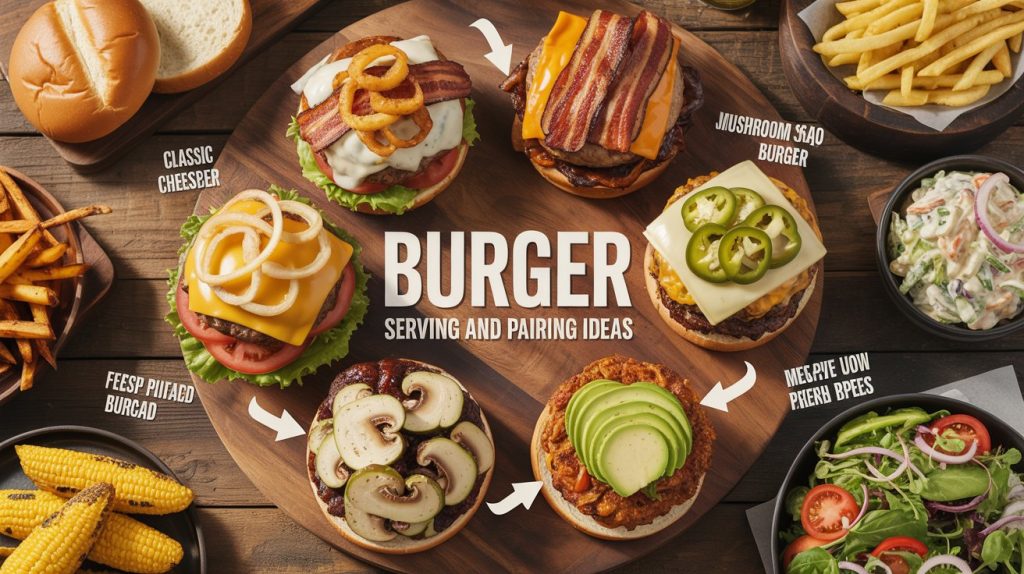
Choosing the right toppings and side dishes can elevate your hamburger experience, complementing the flavors and textures of the patty size you’ve selected. Whether you’re grilling a small slider or a hearty 1/2-pounder, here are some delicious ideas to enhance your meal.
Ideal Toppings
- Classic Cheeseburger: Top with 1 slice of cheddar cheese, lettuce, tomato slices, pickles, and ketchup.
- Bacon BBQ Burger: Add 2 slices of crispy bacon, a dollop of BBQ sauce, and onion rings for crunch.
- Spicy Jalapeño Burger: Include sliced jalapeños, pepper jack cheese, and a spoonful of spicy mayo.
- Mushroom Swiss Burger: Sauté 1/2 cup of sliced mushrooms in 1 tablespoon of olive oil until golden and top with 1 slice of Swiss cheese.
- Veggie Delight: For plant-based patties, try avocado slices, sprouts, and a smear of hummus.
Best Side Dishes
Pair your burgers with sides that balance the richness of the patties:
- French Fries: Classic and crispy, seasoned with salt.
- Coleslaw: A tangy side made with 2 cups of shredded cabbage, 1 cup of shredded carrots, and a dressing of 1/2 cup mayonnaise, 2 tablespoons apple cider vinegar, and sugar to taste.
- Potato Salad: Combine 4 cups of diced boiled potatoes with 1/2 cup diced celery, 1/4 cup diced onion, and a dressing of 1/2 cup mayonnaise, salt, and pepper.
- Grilled Corn: Brush fresh corn on the cob with 1 tablespoon of melted butter and grill until charred, about 10 minutes.
- Salad: A light green salad with mixed greens, cherry tomatoes, and a vinaigrette dressing.
Chef’s tip: Toast your burger buns in a skillet with a little butter for added flavor and texture!
Quick Summary
| Prep Time | Cook Time | Total Time | Servings |
|---|---|---|---|
| 10 minutes | 10-15 minutes | 20-25 minutes | 4 |
- Choose your size: Common sizes include 4 oz, 6 oz, and 8 oz patties.
- Form with care: Handle the meat gently to avoid tough patties.
- Make a dimple: Press a thumbprint in the center to prevent puffing.
- Cook at high heat: Aim for 400°F (204°C) for a good sear.
- Check for doneness: Aim for 160°F (71°C) for medium-well patties.
- Tip: Use 80/20 ground beef for the best flavor and juiciness.
- Tip: Let patties rest for a few minutes after cooking to retain juices.
Frequently Asked Questions
Can I make hamburger patties ahead of time? How to store and reheat?
You can make hamburger patties up to 24 hours in advance; just store them in the fridge between sheets of parchment paper. To reheat, cook on medium heat for about 4-5 minutes per side until they reach an internal temperature of 160°F (71°C).
What can I substitute for ground beef in hamburger patties?
You can substitute ground turkey or chicken for a leaner option, or use black beans for a vegetarian alternative. Just remember to adjust the seasoning to enhance the flavor of your chosen substitute.
How do I know when my hamburger patties are done?
Your patties are done when they reach an internal temperature of 160°F (71°C) measured with a meat thermometer. The juices should run clear, and the inside should no longer be pink.
Can I freeze hamburger patties? How long do they last?
Yes, you can freeze hamburger patties for up to 3 months in an airtight container or freezer bag. Just make sure to separate them with parchment paper to prevent sticking.
What if I don’t have a meat thermometer?
If you don’t have a meat thermometer, you can cut into the patty to check if the center is no longer pink and the juices run clear. This method isn’t as precise, but it works in a pinch for checking doneness.
