
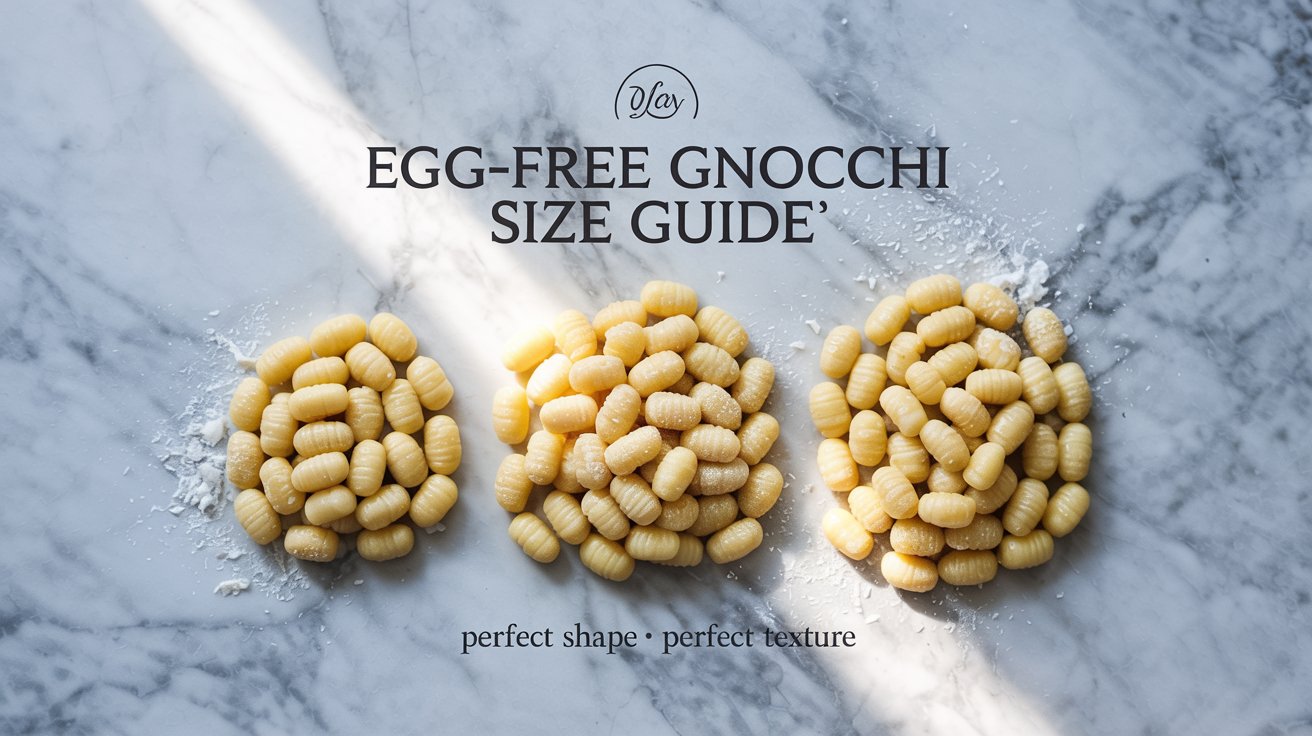
Are you ready to make perfect gnocchi noodles without egg every time? One of the biggest challenges is getting the size just right.
Too big, and they feel heavy; too small, and they fall apart. That’s where a simple size chart can change everything for you. This guide will help you master the ideal gnocchi noodle sizes, so your dish turns out light, fluffy, and delicious—just the way you want it.
Keep reading, and you’ll never struggle with gnocchi sizing again!
Choosing Dough Ingredients
Choosing the right dough ingredients is key to making perfect gnocchi noodles without egg. The dough must hold together well and have a soft texture. Each ingredient plays a role in the final taste and feel of the gnocchi. Understanding flour types, potato varieties, and egg-free options helps create the best dough.
Flour Types For Gnocchi
Flour affects the texture and firmness of gnocchi. All-purpose flour is common and easy to find. It gives a soft and tender dough. Some use semolina flour for a firmer bite. Potato flour adds stickiness and helps bind the dough. Choosing the right flour depends on how soft or firm you want the gnocchi.
Potato Varieties Impact
Potatoes are the main ingredient in gnocchi dough. Starchy potatoes, like Russet or Idaho, work best. They break down easily and create a light dough. Waxy potatoes hold their shape and make denser gnocchi. Using starchy potatoes helps avoid heavy, chewy noodles. Cook potatoes well and let them cool before mashing.
Egg-free Alternatives
Egg helps bind the dough but can be replaced in egg-free gnocchi. Mashed potatoes provide natural moisture and stickiness. Some add a little water or vegetable broth for softness. A small amount of oil can improve dough texture. Flour and potato starch also help hold the dough together without egg. These alternatives keep gnocchi tender and easy to shape.
Shaping Gnocchi
Shaping gnocchi is a key step in making soft, tasty noodles without egg. The shape helps them cook evenly and hold sauce better. Proper shaping also gives gnocchi a nice texture and look. This section covers traditional ways, useful tools, and common mistakes to avoid.
Traditional Techniques
Start by rolling the dough into long ropes about 1/2 inch thick. Cut the ropes into small pieces, around 1 inch each. Use your thumb to press each piece on a fork or gnocchi board. This creates ridges that help sauce stick well. Press gently to avoid flattening the dough. The classic shape is small, soft, and slightly curved.
Tools For Perfect Shapes
A fork works well for making ridges on gnocchi. A gnocchi board is a small wooden tool with grooves. Roll the dough over the board to get even ridges. A small knife or dough cutter helps to cut pieces evenly. Using these tools makes shaping faster and more consistent. They also improve the final texture and appearance.
Avoiding Common Mistakes
Do not press too hard or gnocchi will become flat and dense. Avoid making pieces too large; they can stay raw inside. Keep the dough cool and soft to prevent cracking while shaping. Do not overcrowd the dough ropes during cutting. Work gently and steadily for the best results.
Size Variations And Effects
Gnocchi noodles without egg come in different sizes. Each size affects cooking and taste. Understanding these differences helps make better dishes. Size changes the texture and how fast gnocchi cooks. This section explains these effects clearly.
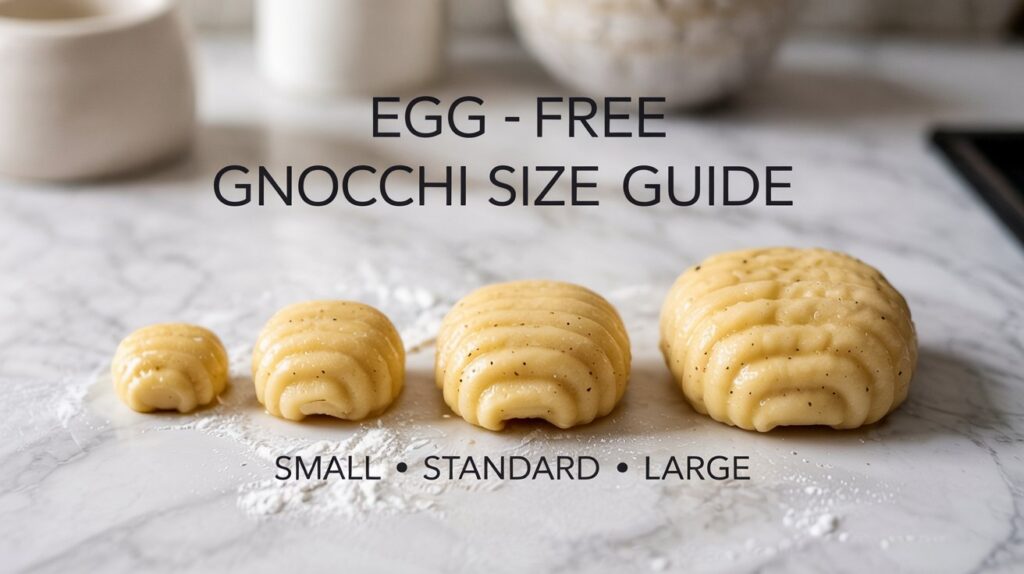
?️ Gnocchi Noodles Without Egg – Size Chart
| Gnocchi Size | Length (Approx.) | Thickness | Cooking Time | Texture Result | Best Uses |
|---|---|---|---|---|---|
| Small Gnocchi | 0.6–0.8 inch | Thin | 1–2 minutes | Very light, soft | Soups, light sauces |
| Standard Gnocchi | ~1 inch | Medium | 2–3 minutes | Fluffy, tender | Tomato, butter sauces |
| Large Gnocchi | 1.2–1.5 inch | Thick | 3–4 minutes | Firm, filling | Creamy or baked dishes |
| Mini Gnocchi | ~0.5 inch | Thin | 1 minute | Delicate | Broths, starters |
Small Vs Large Gnocchi
Small gnocchi cooks faster than large ones. They are light and soft in the mouth. Large gnocchi feels heavier and chewier. Size also changes the portion you eat. Small gnocchi gives a delicate bite. Large gnocchi offers a more filling experience.
Cooking Time Differences
Small gnocchi needs less time in boiling water. Usually, it takes about 1 to 2 minutes. Large gnocchi can take 3 to 4 minutes or more. Overcooking any size makes gnocchi mushy. Watch the gnocchi closely to keep the right texture.
Texture And Flavor Impact
Small gnocchi has a smooth, tender texture. It absorbs sauces quickly. Large gnocchi has a firmer texture and holds sauce on the surface. Flavor feels stronger in larger gnocchi. Sauce blends well with small gnocchi’s softness. Both sizes have unique taste benefits.
Measuring Gnocchi Size
Measuring gnocchi size is key to perfect noodles without egg. The right size ensures even cooking and good texture. Small differences in size can change cooking time and dish taste. Knowing how to measure and adjust gnocchi helps in making better meals.
Standard Size Guide
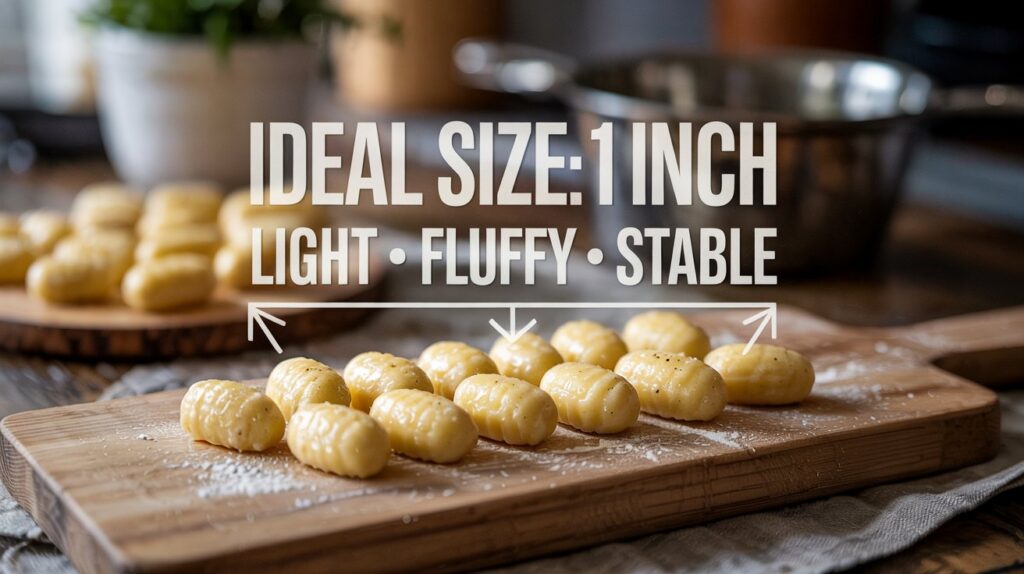
Typically, gnocchi pieces measure about 1 inch long and 0.5 inch wide. This size cooks quickly and stays soft inside. Small, uniform pieces avoid overcooking or raw centers. Use a ruler or your fingers to keep pieces consistent.
Customizing For Recipes
Recipes may call for bigger or smaller gnocchi. Larger pieces hold sauce better but need more cooking time. Smaller gnocchi are lighter and cook faster. Adjust size to fit the dish and your cooking style.
Visual Size Comparisons
Gnocchi size is like small pillows or large peas. Standard gnocchi look like mini pillows, soft and plump. Smaller ones resemble large peas, delicate and quick to cook. Visual comparison helps make pieces uniform without a ruler.
Cooking Tips For Eggless Gnocchi
Cooking eggless gnocchi requires some special care. These tips help keep the gnocchi soft and tasty. Follow these steps to cook perfect eggless gnocchi every time. Enjoy a smooth texture and great flavor in your dish.
Boiling Techniques
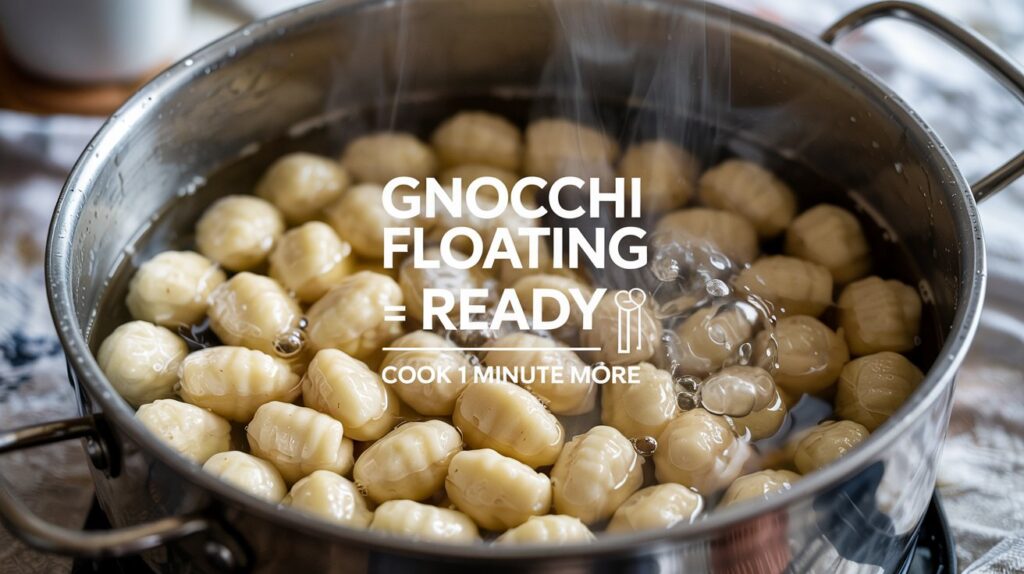
Use plenty of water in a large pot to boil gnocchi. Salt the water well for better taste. Wait for the water to boil fully before adding gnocchi. Add gnocchi gently to avoid breaking them. Stir gently to stop gnocchi from sticking to the pot. Cook until they float to the top, then boil for one minute more.
Avoiding Mushiness
Do not overcook gnocchi; it makes them mushy. Drain gnocchi quickly and carefully after boiling. Spread gnocchi on a dry towel or plate to remove extra moisture. Use a light hand when mixing or stirring. Avoid heavy sauces that make gnocchi soggy. Serve immediately for best texture.
Sauce Pairing Suggestions
Eggless gnocchi pairs well with simple sauces. Try tomato sauce with fresh basil and garlic for a classic taste. Light butter and sage sauce add a nice flavor without heaviness. Creamy mushroom sauce works well but keep it smooth and not thick. Avoid very thick or chunky sauces that hide gnocchi’s texture.
Storing And Reheating
Storing and reheating gnocchi noodles without egg is simple and keeps them tasty. Proper storage stops them from becoming hard or sticky. Reheating right brings back their soft texture and fresh flavor.
Freezing Methods
Freeze gnocchi on a tray first. Spread them out to stop sticking. After they are firm, put them in a sealed bag or container. Use freezer bags with a tight seal to avoid freezer burn. Label the bag with the date for easy tracking.
Best Practices For Reheating
Boil water and drop frozen gnocchi in. Cook until they float to the top. This shows they are ready. Avoid microwaving as it can make them chewy. For leftovers, heat gently in a pan with a little sauce or butter. Stir often to warm evenly.
Shelf Life Expectations
Fresh gnocchi lasts 1-2 days in the fridge. Freeze them for up to 2 months. After thawing, use gnocchi within 24 hours. Always check for odd smells or sliminess. Toss any gnocchi that looks or smells bad to stay safe.
Frequently Asked Questions
What Is The Ideal Size For Egg-free Gnocchi Noodles?
The ideal size for egg-free gnocchi noodles is about 1 inch long and 0. 5 inch thick. This size ensures even cooking and a soft texture. Keeping uniform size helps the noodles cook consistently without falling apart.
How To Measure Gnocchi Size Without Using Eggs?
Use a ruler or your fingers to shape gnocchi pieces about 1 inch long. The absence of eggs doesn’t change the size but may affect dough firmness. Consistent sizing is key for even cooking and perfect texture.
Why Is Gnocchi Size Important Without Egg?
Size affects cooking time and texture. Without eggs, dough is softer, so smaller, uniform gnocchi prevent mushiness. Proper sizing ensures they hold shape and cook evenly for the best bite.
Can I Make Larger Gnocchi Noodles Without Eggs?
Yes, but larger gnocchi may cook unevenly and become mushy. Without eggs, dough is delicate, so smaller sizes are recommended. If making larger pieces, cook gently and check doneness often.
Conclusion
Understanding the gnocchi noodles without egg size chart helps you cook better. You can choose the right size for your recipe easily. This guide makes cooking more fun and less confusing. Small, medium, or large—each size works for different dishes.
Follow the chart to get soft, tasty gnocchi every time. Enjoy making noodles that fit your taste and style perfectly. Keep this chart handy for quick cooking decisions. Simple steps lead to great results in your kitchen.
