
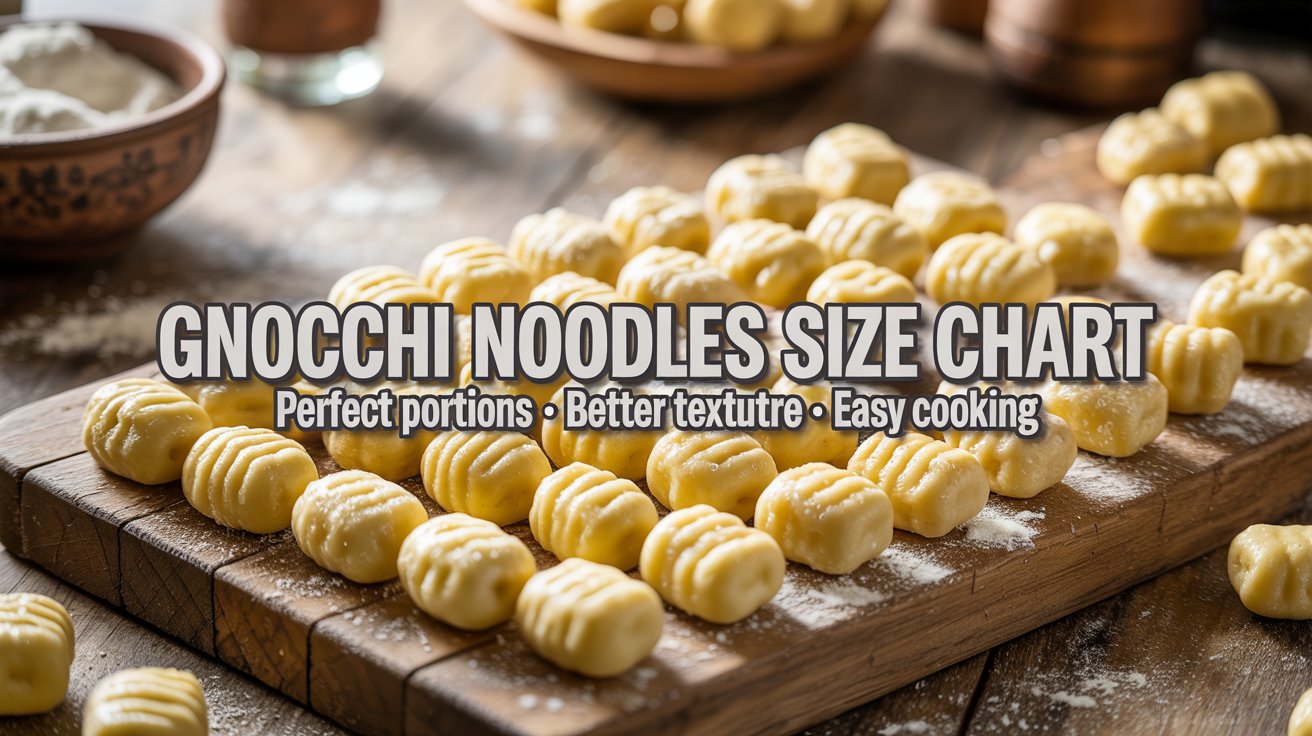
Are you wondering how to choose the perfect gnocchi noodle size for your recipes? Whether you’re cooking for a family dinner or a special occasion, knowing the right gnocchi size can make all the difference in taste and presentation.
In this guide, you’ll find a clear and simple gnocchi noodles size chart that helps you pick exactly what you need. Keep reading to discover how the size of your gnocchi can change your dish and make your meals even more delicious.
Gnocchi Basics
Gnocchi are soft, small dumplings that come from Italy. They are a type of noodle but different from pasta. Many people enjoy gnocchi for their light, fluffy texture and easy cooking. Understanding gnocchi basics helps in choosing the right size for recipes.
Knowing the size and shape affects cooking time and sauce pairing. This section explains what gnocchi noodles are, their common ingredients, and traditional shapes and sizes.
What Are Gnocchi Noodles
Gnocchi noodles are small dumplings made from dough. They are usually boiled until they float. Gnocchi are softer and lighter than regular pasta. Their texture is chewy yet tender. They can be served with many sauces and toppings.
Common Ingredients
Potatoes are the main ingredient in most gnocchi recipes. Flour helps hold the dough together. Some recipes use eggs for extra binding. Salt adds flavor to the dough. Variations include ricotta cheese or spinach for taste and color.
Traditional Shapes And Sizes
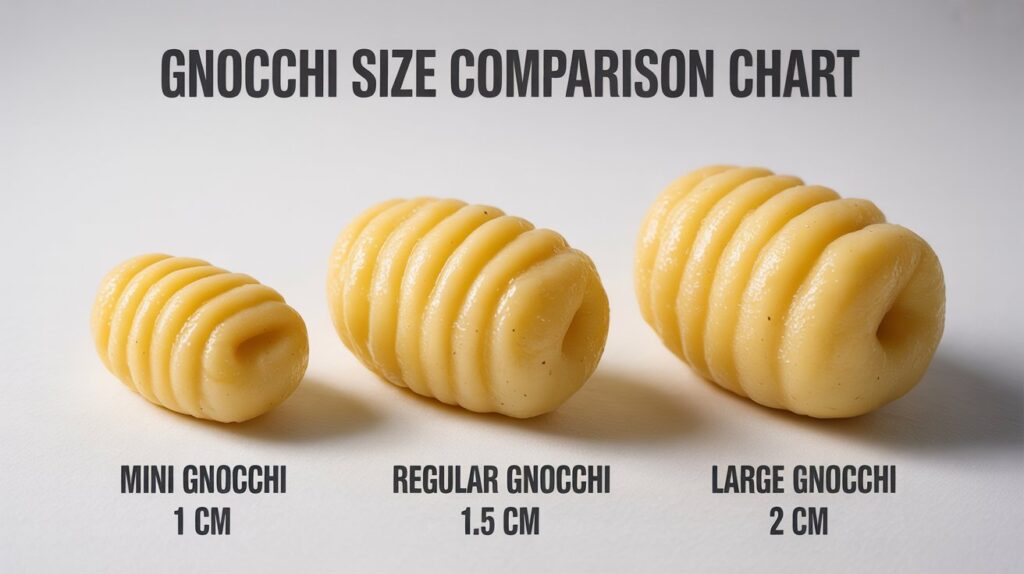
Gnocchi are often small and oval or round. The typical size is about 1 to 2 centimeters long. Some have ridges made by a fork to hold sauce better. Others are smooth or pillow-shaped. Size affects cooking time and texture.
Portion Sizes Explained
Understanding the right portion size of gnocchi noodles helps you enjoy your meal without waste or overeating. Portion sizes depend on many factors like the meal type and age of the eater. Knowing these details makes meal planning easier and healthier.
Below, you will find clear guidelines to serve the perfect amount of gnocchi noodles for different needs.
| Gnocchi Size | Length (Approx.) | Diameter (Approx.) | Cooking Time | Best Uses |
|---|---|---|---|---|
| Mini Gnocchi | 1 cm (0.4 in) | 0.8 cm | 1–2 min | Soups, broths, light salads |
| Standard Gnocchi | 1.5–2 cm (0.6–0.8 in) | 1–1.2 cm | 2–3 min | Classic sauces, everyday meals |
| Large Gnocchi | 2.5–3 cm (1–1.2 in) | 1.5 cm | 3–4 min | Creamy, baked, hearty dishes |
Standard Serving Size
A typical serving size of gnocchi noodles is about 100 grams or 3.5 ounces. This portion equals roughly one cup of cooked gnocchi. It provides enough energy for one adult in a regular meal. Measuring before cooking helps keep portions accurate and consistent.
Adjusting Portions By Meal Type
For a main dish, increase the portion to 150-200 grams per person. This amount fills most adults well. For side dishes, reduce the portion to 50-75 grams. This smaller size complements other foods without overloading the plate. Adjust portions to balance meals and hunger levels.
Portion Sizes For Different Age Groups
Children need smaller portions of gnocchi noodles than adults. For kids aged 4-8, serve about 50-70 grams. Older children and teens can eat 80-120 grams depending on their activity. Seniors might prefer 75-100 grams as a moderate portion. Tailoring portions to age supports good nutrition and appetite.
Measuring Gnocchi Noodles
Measuring gnocchi noodles correctly helps ensure perfect cooking and portion control. Small differences in size affect cooking time and texture. Knowing how to measure helps keep dishes consistent and delicious.
Different methods exist to measure gnocchi noodles. Some are more precise, while others are quick and easy. Choosing the right method depends on your needs and tools.
Weight Vs. Volume Methods
Weighing gnocchi provides the most accurate measurement. Use a kitchen scale to get the exact amount. Weight helps maintain consistent portions and cooking results.
Volume measurement uses cups or spoons to estimate size. It is faster but less precise. Volume can vary depending on gnocchi shape and density.
Using Kitchen Tools For Accuracy
A digital kitchen scale is ideal for measuring gnocchi noodles. It gives exact weight in grams or ounces. Measuring cups and spoons also help but with less accuracy.
Use a ruler or measuring tape to check noodle length. This keeps gnocchi pieces uniform and cooks evenly. Consistent size means better texture and taste.
Visual Portion Estimation Tips
Estimate gnocchi portions by eye for quick serving sizes. A handful usually equals one serving. Compare size to common objects like a golf ball or walnut.
Use a plate size guide to judge portions visually. Smaller plates make servings look larger and help control portions. Practice helps improve your eye over time.
Gnocchi Size Variations
Gnocchi comes in many sizes, each with its own style and taste. Size affects cooking time and texture. Knowing these differences helps you choose the right gnocchi for your dish.
From tiny bites to large pillows, gnocchi offers variety. This section explains how size changes the cooking process and the eating experience.
Mini Vs. Regular Vs. Large Gnocchi
Mini gnocchi are small and light. They fit well in soups or salads. Regular gnocchi is the most common size, perfect for sauces and meals. Large gnocchi are thick and hearty, ideal for rich sauces and slow cooking.
Impact On Cooking Time
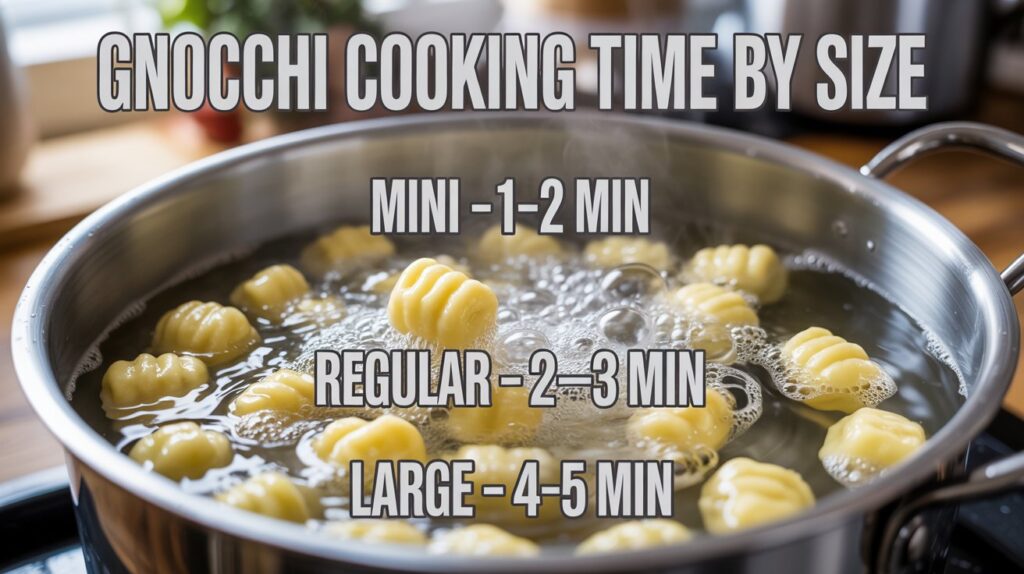
Smaller gnocchi cook very fast, often in 1 to 2 minutes. Regular gnocchi need around 2 to 3 minutes to float on water. Large gnocchi take longer, sometimes 4 to 5 minutes, to cook through evenly.
Texture Differences By Size
Mini gnocchi feel soft and almost melt in your mouth. Regular gnocchi has a balance of softness and chewiness. Large gnocchi are dense and chewy with a satisfying bite. Size changes how you enjoy each mouthful.
Adjusting Portions For Recipes
Adjusting portions of gnocchi noodles is key for great recipes. Different dishes need different amounts. This helps balance flavors and textures. Knowing the size chart guides your portion choices. It avoids waste and ensures the right serving size.
Gnocchi In Soups And Stews
Small gnocchi work best in soups and stews. They cook quickly and blend well with broth. Use about 50 to 70 grams per person. This keeps the soup light and easy to eat. Large gnocchi may overpower the dish.
Baked Gnocchi Dishes
Baked gnocchi needs a bit more portion. Around 100 grams per person fits well. The baking process makes gnocchi puff up slightly. This size gives a good texture and filling meal. Avoid too much; it can make the dish heavy.
Pairing With Sauces And Sides
Portion size changes with sauce thickness and side dishes. Thick sauces need less gnocchi, about 80 grams per serving. Light sauces or many sides call for more. Adjust portions to keep the meal balanced and tasty.
Storing And Reheating Portions
Storing and reheating gnocchi noodles properly helps keep their taste and texture. It also prevents waste by saving leftovers. Knowing the right methods ensures each portion stays fresh and delicious for your next meal.
Best Practices For Leftovers
Cool gnocchi quickly after cooking. Store them in an airtight container. Keep the container in the fridge for up to three days. Avoid leaving gnocchi out at room temperature for long. This keeps bacteria away and preserves freshness.
Maintaining Texture And Flavor
Reheat gnocchi gently to protect their soft texture. Use a pan with a little olive oil or butter over low heat. Stir often to warm evenly. Avoid microwaving too long; it can make gnocchi rubbery. Add a splash of water or sauce to keep moisture.
Freezing Tips For Portion Control
Freeze gnocchi in single-serving bags or containers. Lay them flat to avoid sticking. Label with the date for easy tracking. Use frozen gnocchi within two months for best taste. Thaw in the fridge before reheating or cook directly from frozen.
Common Portioning Mistakes
Portioning gnocchi noodles correctly can be tricky. Many people make common mistakes that affect taste and waste food. Knowing the right size helps you cook better meals and save money. Below are typical errors and ways to avoid them.
Overestimating Serving Sizes
People often serve too much gnocchi on one plate. This leads to leftovers or uneaten food. Gnocchi is filling, so a small portion usually works well. Use a size chart to measure servings accurately. This prevents overeating and waste.
Ignoring Dietary Needs
Each person has different dietary needs and preferences. Some need smaller portions due to health reasons. Others may want more carbs for energy. Ignoring these needs can cause discomfort or hunger. Adjust gnocchi portions based on individual health and activity levels.
Tips To Avoid Waste
Plan your meals using the gnocchi size chart before cooking. Measure portions with a kitchen scale or cup. Store leftover gnocchi properly to keep it fresh. Freeze extra portions for future meals. These steps reduce food waste and save money.
Frequently Asked Questions
What Are The Common Sizes Of Gnocchi Noodles?
Gnocchi noodles typically range from 1 to 2 inches in length. Their diameter varies from 0. 5 to 1 inch. Size influences cooking time and texture. Smaller gnocchi cook faster and are softer. Larger ones hold sauces better and have a firmer bite.
How Does Gnocchi Size Affect Cooking Time?
Smaller gnocchi cook quickly, usually within 2 minutes. Larger gnocchi take 3 to 4 minutes to cook thoroughly. Overcooking can make gnocchi mushy. Proper size helps achieve the perfect texture. Always boil until gnocchi float to the surface.
Why Is Gnocchi Size Important For Recipes?
Gnocchi size impacts sauce absorption and mouthfeel. Smaller gnocchi pair well with light sauces. Larger gnocchi complement rich, chunky sauces. Consistent size ensures even cooking. It improves presentation and enhances the dining experience.
How To Measure Gnocchi Noodles Accurately?
Use a ruler or measuring tape for precise size. Cut dough into 1 to 2-inch pieces for uniform gnocchi. Consistency helps in even cooking and texture. Avoid irregular sizes to prevent uneven cooking. Measuring ensures professional-looking results every time.
Conclusion
Gnocchi comes in many sizes, each suited for different dishes. Knowing the size helps you cook them just right. Smaller gnocchi cook faster and feel lighter in your mouth. Larger ones take more time and feel more filling. Use the size chart to pick the best gnocchi for your recipe.
Enjoy making meals that taste great and look perfect. Simple size knowledge makes cooking easier and more fun. Try different sizes to find your favorite. Cooking gnocchi becomes a joy with this guide.
