
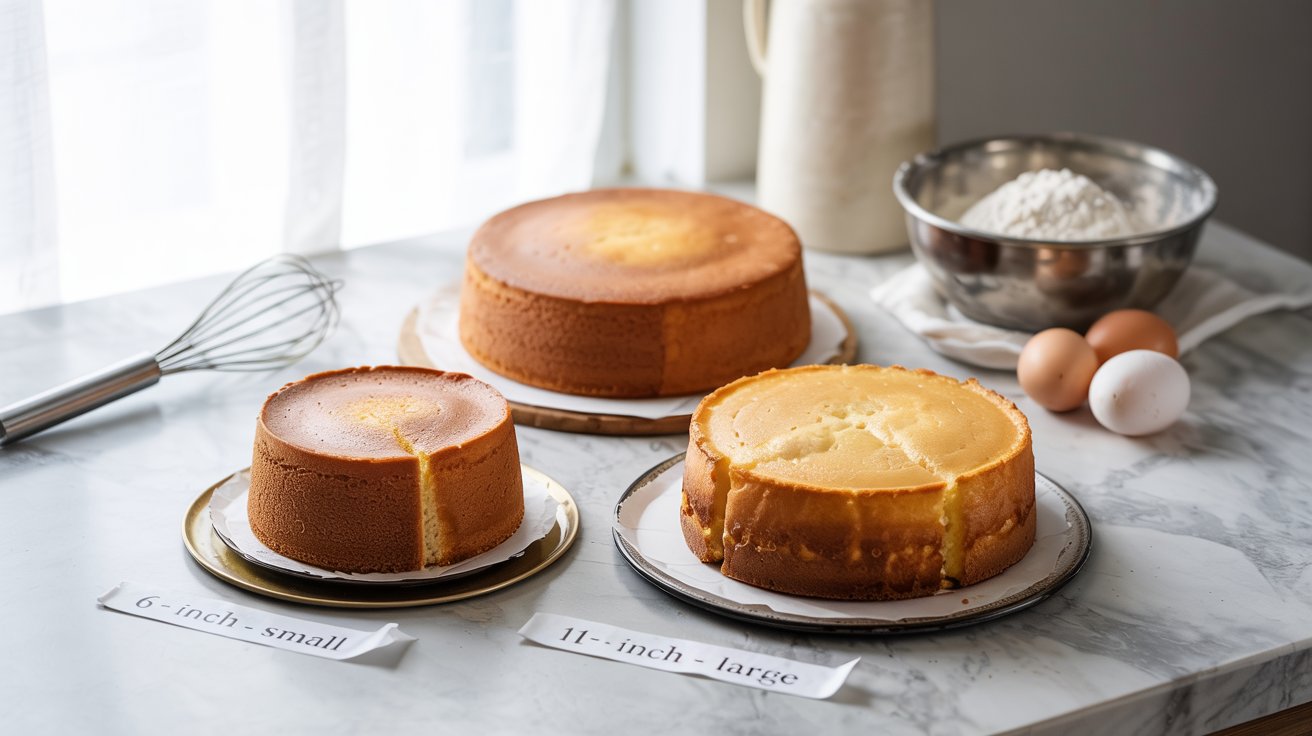
When you bake a Genoise sponge cake, getting the size just right can make all the difference. Whether you’re planning a small treat or a big celebration, knowing the perfect cake size helps you avoid wasting ingredients and ensures your cake looks amazing.
In this guide, you’ll find an easy-to-use Genoise sponge cake size chart that takes the guesswork out of baking. Ready to impress your friends and family with a flawless cake? Keep reading to discover the ideal sizes for every occasion.
Genoise Basics
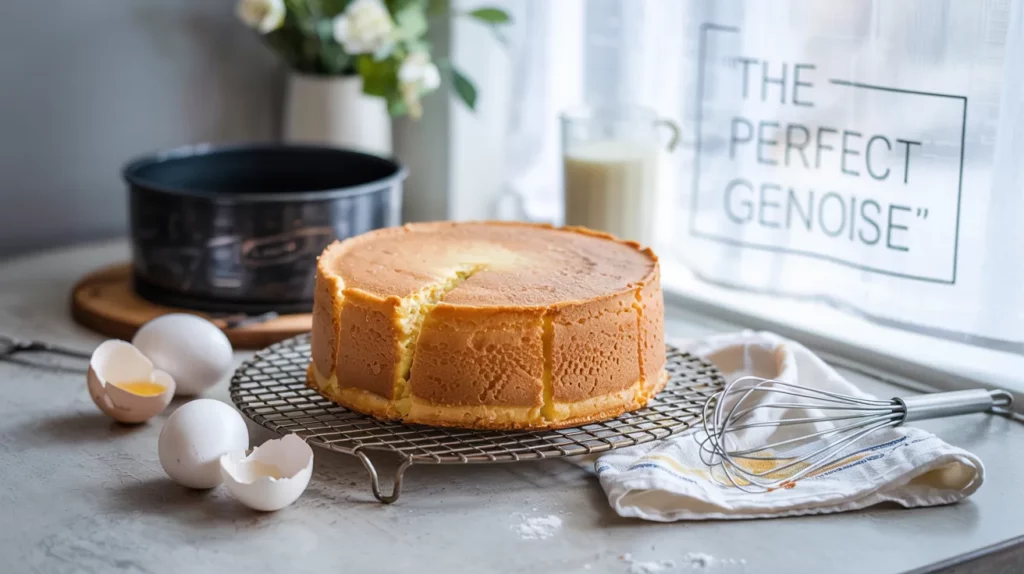
The Genoise sponge cake is a classic Italian dessert base. It is simple, light, and fluffy. Understanding its basics helps with baking the perfect cake every time. This section covers the essential parts of Genoise.
Key Ingredients
The main ingredients are eggs, sugar, flour, and butter. Eggs and sugar are beaten together to create volume. Flour is gently folded in to keep the air inside. Melted butter adds richness and moisture. No baking powder is needed for this cake.
Texture And Flavor
Genoise has a soft and airy texture. It feels light but still holds shape well. The flavor is mild and slightly sweet. Butter gives a subtle richness. This makes Genoise perfect for layering with cream or fruit.
Common Cake Pan Sizes
Choosing the right cake pan size is important for baking a perfect Genoise sponge cake. Different sizes affect baking time and cake thickness. Knowing common pan sizes helps you plan better for your recipe. Here are the most used shapes and their sizes.
? Genoise Sponge Cake Size Chart
| Pan Size | Shape | Batter Needed (Approx.) | Servings | Notes |
|---|---|---|---|---|
| 6-inch | Round | 350–400 g batter | 6–8 servings | Small, thick layer; perfect for mini cakes |
| 7-inch | Round | 450–500 g batter | 8–10 servings | Slightly larger gatherings |
| 8-inch | Round | 550–600 g batter | 10–14 servings | Most common Genoise size |
| 9-inch | Round | 600–700 g batter | 12–16 servings | Ideal for medium parties |
| 10-inch | Round | 750–850 g batter | 18–22 servings | Great for celebrations |
| 8×8 inch | Square | 700–750 g batter | 12–16 servings | Even, easy-to-cut squares |
| 9×13 inch | Rectangle | 1,000–1,200 g batter | 20–24 servings | Perfect for sheet cakes |
| Tiered (6 + 8 + 10 inch) | Round | — | 40–55 servings | For weddings / big occasions |
Round Pans
Round pans are the most popular for Genoise sponge cakes. They come in sizes from 6 inches to 12 inches in diameter. Smaller pans make thicker cakes. Larger pans bake thinner cakes faster. Common depths are 2 to 3 inches. Round pans give cakes a classic look.
Square And Rectangular Pans
Square and rectangular pans offer more surface area than round pans. Sizes range from 8×8 inches to 9×13 inches. Cakes baked in these pans are usually thinner. They are good for layered cakes or sheet cakes. These pans are easy to cut into slices for serving.
Specialty Shapes
Specialty pans include hearts, flowers, and other fun shapes. These pans come in various sizes and depths. They add creativity to your cake presentation. Baking times may vary due to shape differences. Use these pans for celebrations or unique cake designs.
Batter Quantities For Different Sizes
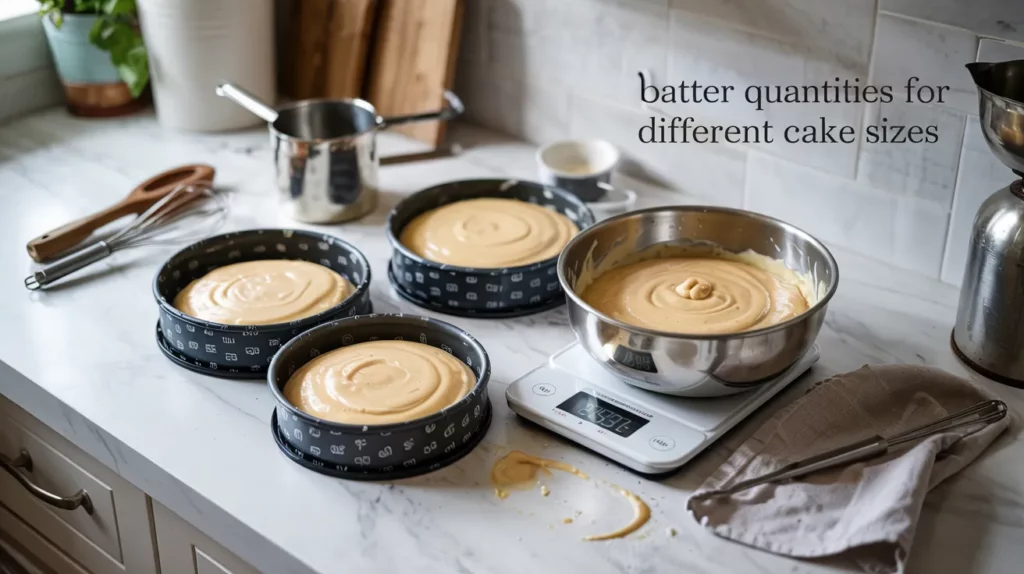
Adjusting batter quantities for Genoise sponge cake is key for perfect results. Different cake pan sizes need different amounts of batter. Too much batter causes overflow. Too little batter makes a thin cake. Understanding the right quantity helps create even layers and avoids waste. This guide explains how to measure batter for various cake sizes.
Volume To Weight Conversion
Batter volume is often measured in cups or milliliters. Weight is more accurate for baking. One cup of Genoise batter usually weighs about 240 grams. Knowing this helps convert recipe quantities easily. For example, a 9-inch round pan may need 600 grams of batter. Use a kitchen scale to weigh the batter precisely. This method gives consistent cake thickness every time.
Adjusting Recipes
Recipes often suit one cake size. To change size, scale batter amount up or down. Calculate the pan’s volume to find the right batter weight. For example, a 6-inch pan holds less batter than an 8-inch pan. Reduce the ingredients proportionally. Keep baking time in mind; smaller cakes bake faster. Testing with a toothpick helps check doneness. Proper adjustments prevent common baking mistakes.
Baking Time And Temperature
Baking time and temperature are crucial for a perfect Genoise sponge cake. Getting these right helps the cake rise well and stay moist. Different sizes of cake pans need different baking times and temperatures. Adjusting these ensures the cake cooks evenly without burning or drying out.
Size-based Adjustments
Small cakes bake faster than large ones. A 6-inch cake usually takes 20 to 25 minutes at 325°F (163°C). A 9-inch cake needs about 30 to 35 minutes at the same temperature. Taller cakes may need lower heat and longer time to cook inside. Use a toothpick to check if the cake is done. It should come out clean, with no wet batter.
Tips For Even Baking
Use an oven thermometer to keep the temperature steady. Avoid opening the oven door too often. This causes heat loss and uneven baking. Place the cake pan in the center of the oven. Rotate the pan halfway through baking for even heat. If edges brown too fast, cover them with foil. Let the cake cool in the pan for 10 minutes before removing it.
Troubleshooting Cake Size Issues
Troubleshooting cake size issues is key to baking a perfect Genoise sponge. Understanding common problems saves time and ingredients. It helps ensure the cake bakes evenly and looks great.
Many bakers face problems like overfilled pans or undercooked centers. These issues arise from not adjusting the batter amount or baking time. Fixing them improves the texture and appearance of your cake.
Overfilled Pans
Overfilled pans cause batter to spill over during baking. This leads to uneven sides and a messy oven. Fill your pan only two-thirds full to avoid this.
Using a smaller pan than the recipe calls for can cause overflow. Always match the pan size to the recipe’s instructions. If you have excess batter, use another pan or reduce the recipe.
Undercooked Centers
Undercooked centers happen when the cake is too thick or baked too quickly. This leaves the middle raw and soggy. Use the right pan size for even heat distribution.
Lower the oven temperature slightly and bake longer for thick cakes. Test doneness with a toothpick; it should come out clean. Avoid opening the oven door often to keep heat steady.
Scaling Recipes For Multiple Layers
Scaling recipes for multiple layers is key to making beautiful tiered Genoise sponge cakes. It helps you prepare just the right amount of batter for each layer. This process avoids waste and ensures even layers for stacking.
Understanding how much batter to make for each tier keeps your cake balanced. It also keeps baking times consistent and results in moist, fluffy layers. Careful scaling saves time and reduces stress in the kitchen.
Calculating Batter For Tiered Cakes
Start by knowing the pan sizes for each cake tier. Use a standard batter volume per inch of pan diameter. For example, a 6-inch pan needs about 3 cups of batter.
Multiply the batter amount by the number of layers in each tier. Add a little extra to cover any spills or uneven rising. Keep notes on batter quantities for future cakes.
Layer Thickness Tips
Genoise layers typically measure about one inch thick. Keep layers even to stack smoothly. Use a ruler or cake leveler for precision.
Thinner layers bake faster but can dry out quickly. Thicker layers need more baking time and risk undercooking. Aim for a balanced thickness to maintain moist texture and sturdy structure.
Storage And Freshness By Size
Storing Genoise sponge cake properly keeps it fresh and tasty longer. The size of your cake affects how you should store it. Small cakes dry out faster, while larger cakes hold moisture better. Knowing the right storage methods helps avoid waste and preserves flavor.
Best Practices
Wrap the cake tightly in plastic wrap. Use airtight containers to stop air exposure. Keep the cake in a cool, dry place. Avoid direct sunlight or heat sources. For larger cakes, cut into portions before storing. This reduces the chance of drying out. Small cakes need faster consumption or refrigeration.
Shelf Life Expectations
Room temperature storage lasts 1 to 2 days for small cakes. Medium cakes stay fresh for 2 to 3 days. Larger cakes can last up to 4 days at room temperature. Refrigerate cakes to extend freshness up to 5 days. Freezing is good for 1 to 2 months. Thaw cakes slowly to keep texture soft.
Frequently Asked Questions
What Are Standard Sizes For Genoise Sponge Cakes?
Standard Genoise sponge cakes typically range from 6 to 10 inches in diameter. Common sizes include 6, 8, and 9 inches. Thickness usually varies between 1 to 2 inches. These sizes suit most recipes and layer cake designs, ensuring even baking and proper texture.
How To Choose The Right Genoise Cake Size?
Choose the cake size based on serving needs and recipe proportions. Larger sizes serve more people but require longer baking times. Smaller sizes are quicker but serve fewer. Always adjust baking time and ingredient quantities according to the pan size for best results.
Can Genoise Sponge Cake Be Baked In Different Pan Shapes?
Yes, Genoise sponge cakes can be baked in round, square, or rectangular pans. The size and shape affect baking time and texture. Round pans are most common, but use similar volume pans to maintain batter consistency and baking quality.
How Does Pan Size Affect Genoise Cake Baking?
Pan size directly impacts baking time and cake texture. Larger pans need longer baking to cook through. Smaller pans bake faster but may dry out if overbaked. Always monitor the cake and use a toothpick test for doneness regardless of size.
Conclusion
Knowing the right Genoise sponge cake size helps you plan better. It saves time and avoids waste. Choose the size that fits your recipe and occasion. A clear size chart makes baking easier and more fun. Keep this guide handy for your next baking project.
Enjoy baking with confidence and simple steps.
