
Are you tired of guessing how much fried chicken to order or cook? Whether you’re hosting a party, planning a family meal, or just craving your favorite crispy treat, knowing the right size makes all the difference.
This Fried Chicken Size Chart will help you pick the perfect portions every time, saving you from leftovers or running out too soon. Keep reading, and you’ll discover simple tips to satisfy your hunger and impress your guests without the stress.
Chicken Cuts And Sizes
Understanding chicken cuts and sizes helps you choose the perfect piece for your fried chicken. Each cut has a unique shape, size, and cooking time. Knowing these differences makes cooking easier and tastier.
This guide explains common chicken cuts and their typical sizes. It helps you pick the right portion for meals or recipes.
Wing Sizes
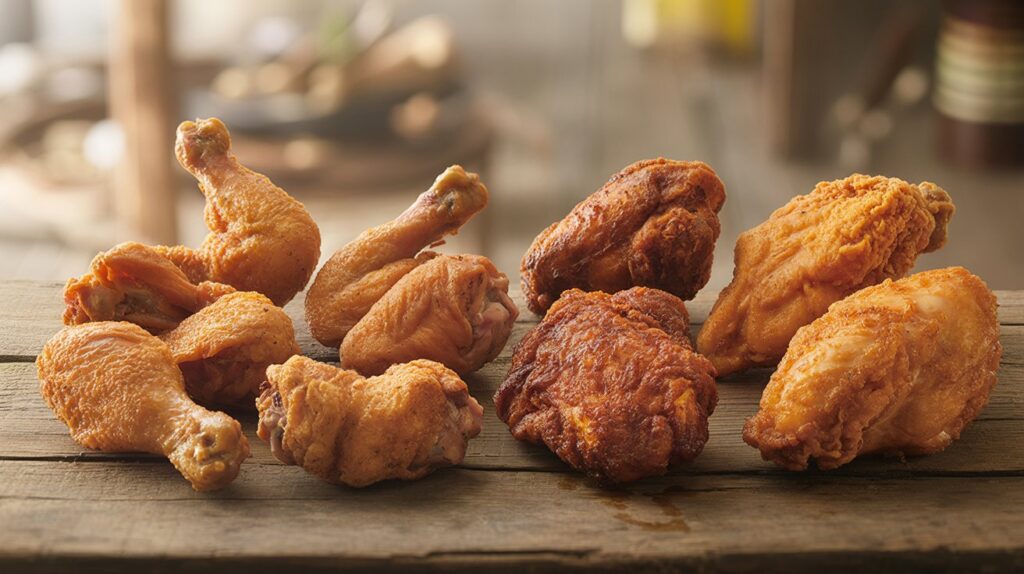
Chicken wings come in small, medium, and large sizes. Small wings weigh about 2 to 3 ounces. Medium wings range from 3 to 4 ounces. Large wings can weigh up to 5 ounces or more. Wings include the drumette, flat, and tip, but tips are often removed for frying. Wings cook quickly and are great for snacks or appetizers.
Drumstick Measurements
Drumsticks are thicker and meatier than wings. They usually weigh between 4 and 6 ounces. The size varies by the chicken’s age and breed. Drumsticks have a single bone inside. They take longer to cook than wings but stay juicy and flavorful. Drumsticks are popular for family meals and parties.
Thigh Portions
Thighs are one of the juiciest chicken parts. They weigh about 5 to 8 ounces each. Thighs can be boneless or bone-in. Bone-in thighs take longer to cook but keep more flavor. Boneless thighs cook faster and are easier to eat. Thighs have dark meat, which is tender and rich in taste.
Breast Variations
Chicken breasts are the largest and leanest cuts. A whole breast can weigh from 6 to 12 ounces. Breasts come boneless or bone-in. Boneless breasts cook faster and are popular for healthy meals. Bone-in breasts keep more moisture during cooking. Breasts have white meat, mild in flavor and firm in texture.
Portion Sizes For Different Meals
Fried chicken portion sizes vary depending on the meal type. Choosing the right size helps avoid waste and ensures everyone eats enough. This guide covers portions for single meals, family dinners, and parties. It helps you pick the perfect amount of fried chicken for every occasion.
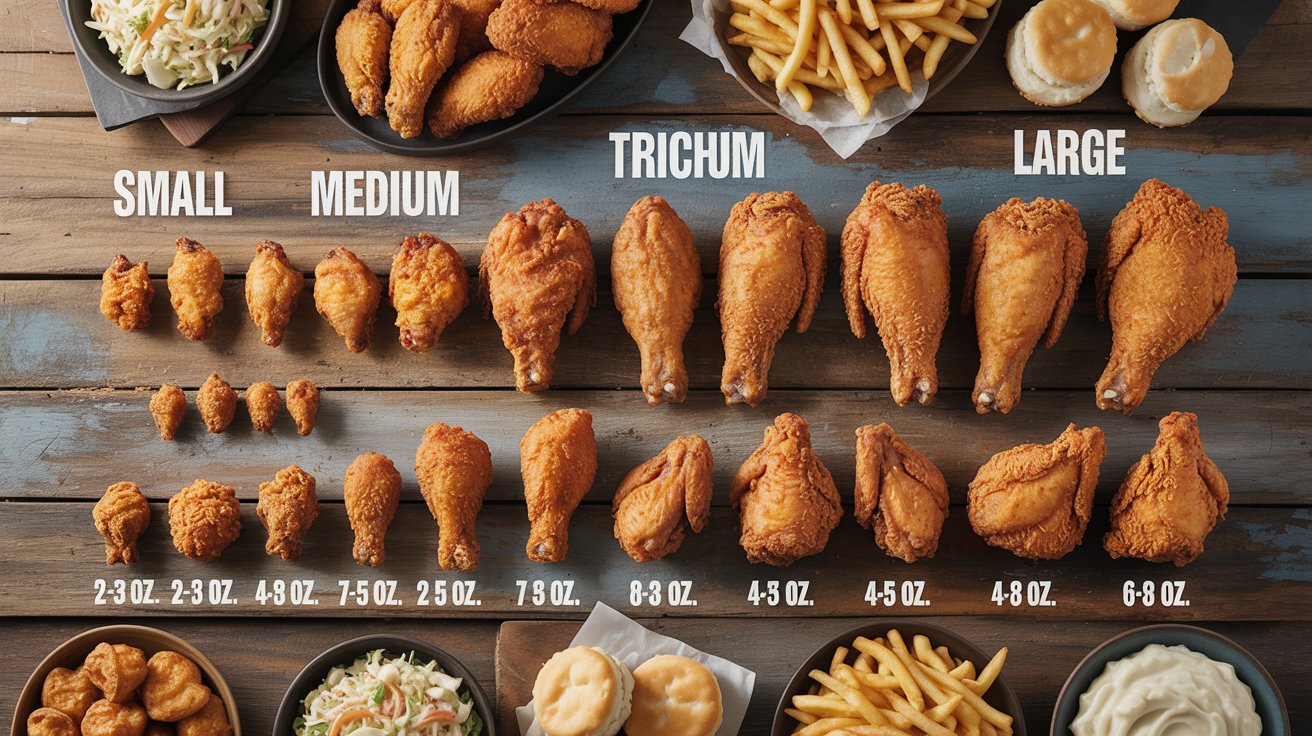
? Fried Chicken Size Chart (Easy Portion Guide)
| Portion Size | Piece Count | Approx. Weight | Serves | Best For |
|---|---|---|---|---|
| Small | 2–3 pieces | 6–8 oz | 1 person | Light meal or snack |
| Medium | 4–6 pieces | 12–16 oz | 2 people | Regular family meal |
| Large | 8–10 pieces | 24–32 oz | 3–4 people | Family dinner |
| Party / XL | 12–16 pieces | 3–4 lb | 5–6 people | Parties & gatherings |
Single Serving Portions
A single serving usually includes 2 to 3 pieces of fried chicken. This size satisfies one person’s hunger. It often comes with a side dish like fries or coleslaw. The total weight ranges from 6 to 8 ounces. This portion fits well for lunch or dinner for one.
Family Meal Sizes
Family meals typically serve 4 to 6 people. The portion size ranges from 12 to 18 pieces of fried chicken. This amount covers adults and children at the table. It often includes shared sides like mashed potatoes and salad. Family meals offer variety and enough food for everyone.
Party And Catering Portions
Party portions serve large groups of 10 or more. Expect 30 to 50 pieces or more, depending on guest count. These meals include multiple side dishes and sauces. Fried chicken is usually arranged in trays for easy serving. Perfect for events, this size ensures no one goes hungry.
Weight Vs. Piece Count
Understanding the difference between weight and piece count helps with fried chicken servings. Weight shows how heavy the chicken is. Piece count tells how many pieces you have. Both matter for portion size and cooking time. Knowing how to measure each makes planning easier.
Calculating Weight Per Piece
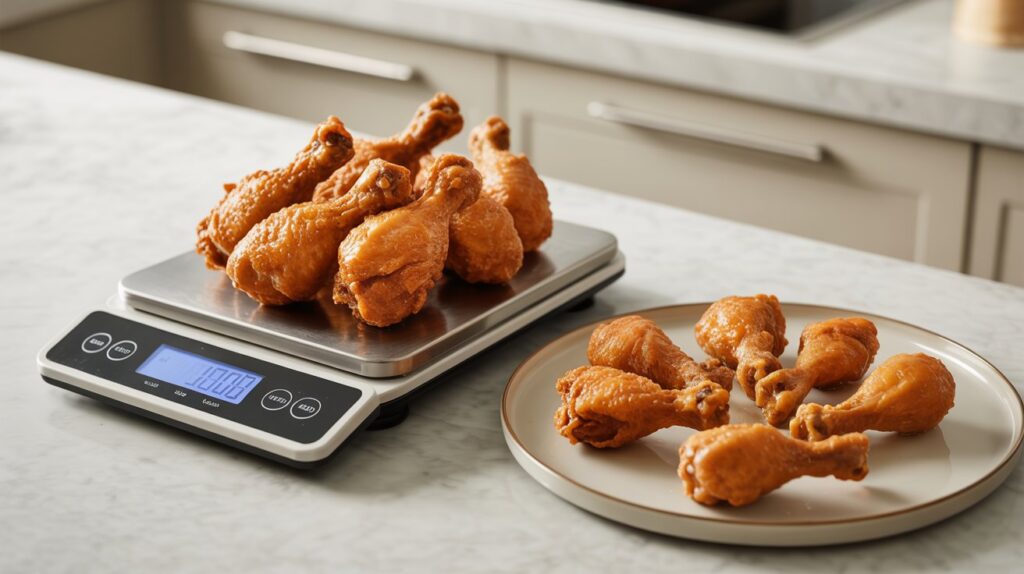
Find the total weight of the chicken batch. Count the total pieces in that batch. Divide the total weight by the number of pieces. This gives the average weight per piece. Use a kitchen scale for best accuracy. This helps control portion sizes better.
Converting Pieces To Weight
Multiply the number of pieces by the weight per piece. This gives the total weight for those pieces. Use this method for any number of pieces. It works well for orders or meal prep. Keep the weight consistent for cooking times.
Tips For Accurate Portioning
Use a scale to weigh each piece when possible. Group pieces with similar weights together. Avoid mixing very large and small pieces in one serving. Label portions by weight or piece count. This helps keep servings fair and consistent.
Factors Affecting Portion Size
Portion size of fried chicken varies widely. Many factors influence how much chicken people eat at once. These factors help determine the right serving size for different situations. Understanding these can improve meal planning and satisfaction.
Age And Appetite
Young children usually eat smaller portions. Their appetite is smaller and they need less food. Teenagers and adults often eat larger portions. Appetite also changes with activity level and metabolism. Older adults may prefer smaller servings to avoid overeating.
Meal Type And Accompaniments
A full meal with sides needs less chicken. If fried chicken comes with rice, salad, or bread, portion size shrinks. For snacks or finger food, people eat smaller amounts. Portion size adjusts depending on the meal’s purpose and other foods served.
Cultural Preferences
Different cultures have unique eating habits. Some cultures serve large chicken pieces with meals. Others prefer small, bite-sized pieces. Portion size depends on local traditions and typical meal patterns. These preferences affect how much fried chicken is served.
Tools For Measuring Portions
Measuring fried chicken portions helps control serving sizes and calories. Using the right tools makes this task easy and accurate. This ensures each piece fits your size chart perfectly. Here are some common tools that help measure portions well.
Kitchen Scales
Kitchen scales give the most precise weight for each piece. They help measure grams or ounces quickly. Simply place the fried chicken on the scale. This method ensures you get the exact portion size. Scales are great for cooks who want consistency every time.
Measuring Cups And Rulers
Measuring cups work well for loose or shredded chicken parts. They help estimate volume rather than weight. Rulers measure the length or width of chicken pieces. This is useful for standardizing shapes and sizes. Both tools offer quick checks without complex steps.
Visual Portion Guides
Visual guides use common objects to compare chicken sizes. For example, a piece can match the size of a deck of cards. These guides help estimate portions without tools. They are handy when you have no scale or cup nearby. Visual cues make portion control simple and fast.
Adjusting Portions For Health
Adjusting portions of fried chicken is key for better health. Eating too much can lead to extra calories and weight gain. Knowing the right size helps control how much you eat. Smaller portions still satisfy without overdoing it.
Calorie Control Tips
Choose smaller pieces of fried chicken to cut calories. Remove the skin to lower fat intake. Avoid extra dipping sauces that add sugar and fat. Eat slowly to notice when you feel full. Stop eating before you feel stuffed.
Balancing Fried Chicken With Sides
Pair fried chicken with vegetables or salad for a balanced meal. Add steamed or roasted veggies for extra nutrients. Skip fries or heavy sides to reduce calorie load. Choose whole grains like brown rice or quinoa. This keeps meals filling and healthy.
Healthier Cooking Alternatives
Try baking or air frying chicken instead of deep frying. These methods use less oil and cut fat. Use herbs and spices for flavor without extra salt. Grilling chicken is another tasty, lower-fat option. Small changes make meals lighter and better for health.
Common Portion Mistakes
Many people make mistakes when estimating fried chicken portions. These errors can cause waste or leave guests hungry. Knowing common portion mistakes helps serve the right amount every time.
Overestimating Serving Sizes
People often think one piece feeds more than it does. Serving too much leads to leftovers. It also raises food costs. Use a size chart to avoid guessing.
Ignoring Bone Weight
Chicken bones add weight but not edible meat. Counting bone weight as food misleads portion size. Always consider the meat weight alone. This gives a true serving amount.
Inconsistent Piece Sizes
Pieces can vary in size and weight. Serving uneven pieces causes some guests to get more. Cut chicken into similar sizes for fairness. Consistency improves customer satisfaction and portion control.
Fried Chicken Portion Tips
Understanding fried chicken portion sizes helps you serve just the right amount. Proper portions avoid waste and keep guests happy. Use these tips to plan servings and store leftovers well.
Serving Suggestions
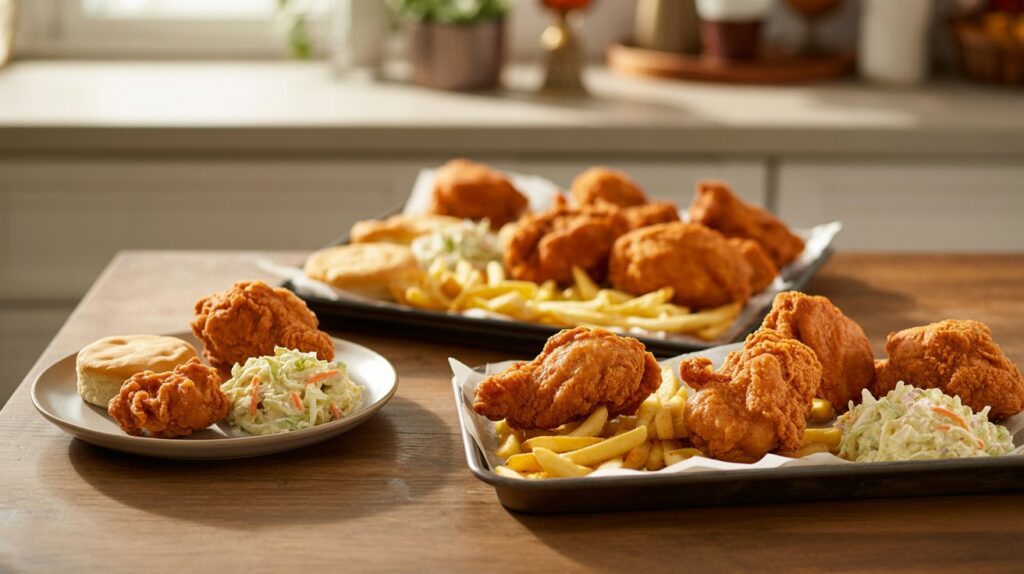
Serve about two to three pieces per person for a meal. Include sides like fries, coleslaw, or biscuits to balance the plate. Adjust portions based on appetite and occasion. For kids, one or two smaller pieces usually suffice.
Leftover Storage And Portions
Store leftover chicken in an airtight container. Keep it in the fridge for up to four days. Reheat in the oven to keep it crispy. Portion leftovers into single servings for easy meals later.
Portion Planning For Events
Calculate about three pieces per adult guest for parties. Add extra for big eaters or if chicken is the main dish. Include a variety of pieces—wings, thighs, breasts—to please everyone. Plan side dishes to fill out the meal and reduce over-serving chicken.
Frequently Asked Questions
What Are The Standard Sizes Of Fried Chicken Pieces?
Fried chicken pieces usually come in drumsticks, thighs, wings, and breasts. Sizes vary from small (wing) to large (breast). Each piece’s size affects cooking time and portion control.
How To Measure Fried Chicken Portion Sizes Accurately?
Portion sizes are measured by weight or piece count. A typical serving is 4-6 ounces or 1-2 pieces. Weighing ensures consistent servings for nutrition and calorie counting.
Why Is Fried Chicken Size Important For Cooking?
Size affects cooking time and temperature. Larger pieces need longer cooking to ensure doneness. Proper size helps achieve crispy, well-cooked chicken without drying.
How Does Fried Chicken Size Affect Nutritional Value?
Bigger pieces contain more calories and fat. Smaller pieces have fewer calories but may lack protein. Size influences portion control and dietary planning.
Conclusion
Choosing the right fried chicken size makes meals better. This chart helps you pick portions that fit your hunger. Small, medium, or large—each size suits different needs. Knowing the size helps avoid waste and saves money. Enjoy your fried chicken with confidence and ease.
Keep this guide handy for your next meal. Simple and clear. No guesswork. Just tasty fried chicken served right.
