
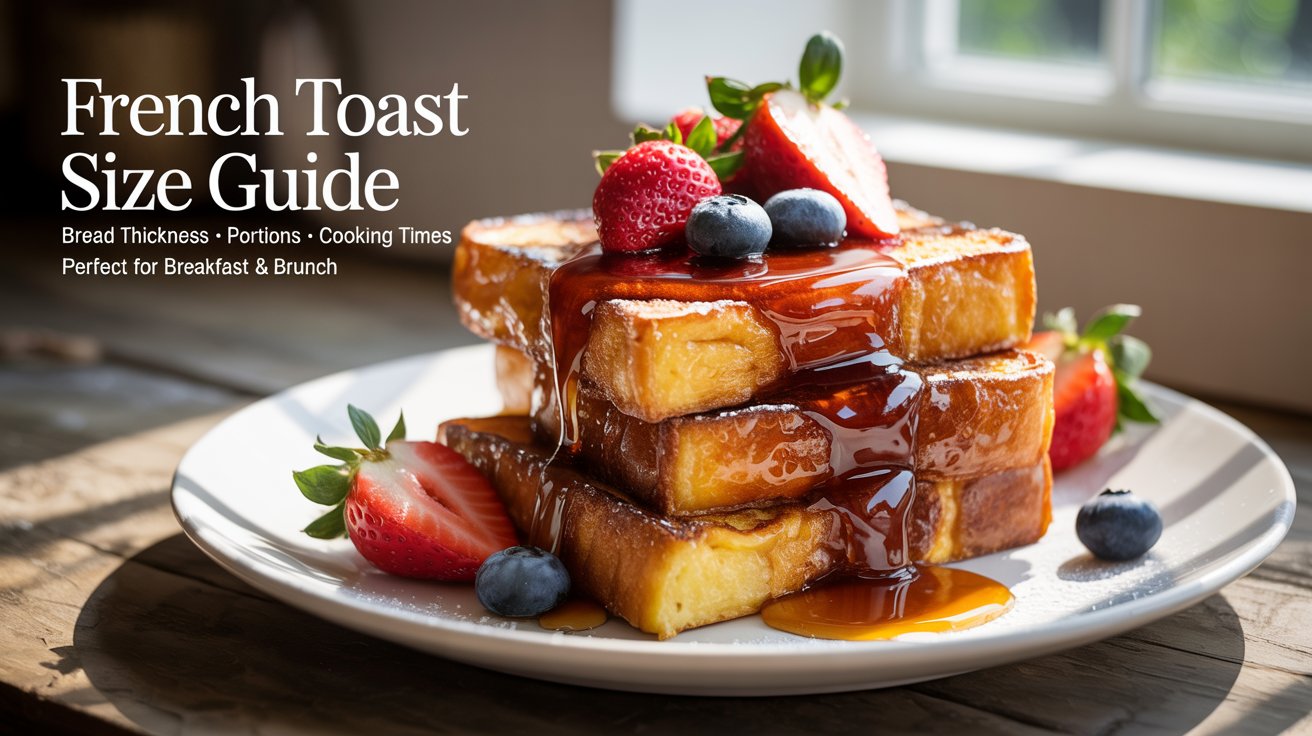
French toast is the ultimate comfort food that transforms a simple breakfast into a delightful feast. Imagine golden-brown slices, perfectly crisp on the outside and soft within, topped with maple syrup and fresh berries. It’s not just a meal; it’s a warm hug on a Sunday morning or a crowd-pleaser at brunch gatherings.
Get ready for a delicious breakdown of French toast sizes! You’ll find a comprehensive size chart for different types of bread, along with portion recommendations for any occasion. This guide ensures you’ll serve up the perfect French toast every time, whether it’s for a cozy breakfast or a festive brunch. Total time: 30 minutes, Difficulty: Easy, Servings: 4.
French Toast Origins
The history of French toast is as rich and varied as the dish itself, with roots that trace back centuries across multiple cultures. Understanding its origins not only enhances our appreciation for this beloved breakfast staple but also informs how we serve it today, including portion sizes for different occasions.
- Cultural Background: French toast, known as “pain perdu” in France, translates to “lost bread,” highlighting its purpose of repurposing stale bread. The dish has variations worldwide, from the British “eggy bread” to the Spanish “torrija.” Each culture adds its unique spin, showcasing how adaptable and timeless this dish is.
- When to Serve: Traditionally, French toast is enjoyed as a breakfast or brunch item. However, it can also serve as a delightful dessert or even a savory dish, depending on the toppings. The size of the servings can vary greatly based on the occasion—individual portions for brunch gatherings or larger slices for family-style meals.
Ingredient Measurements
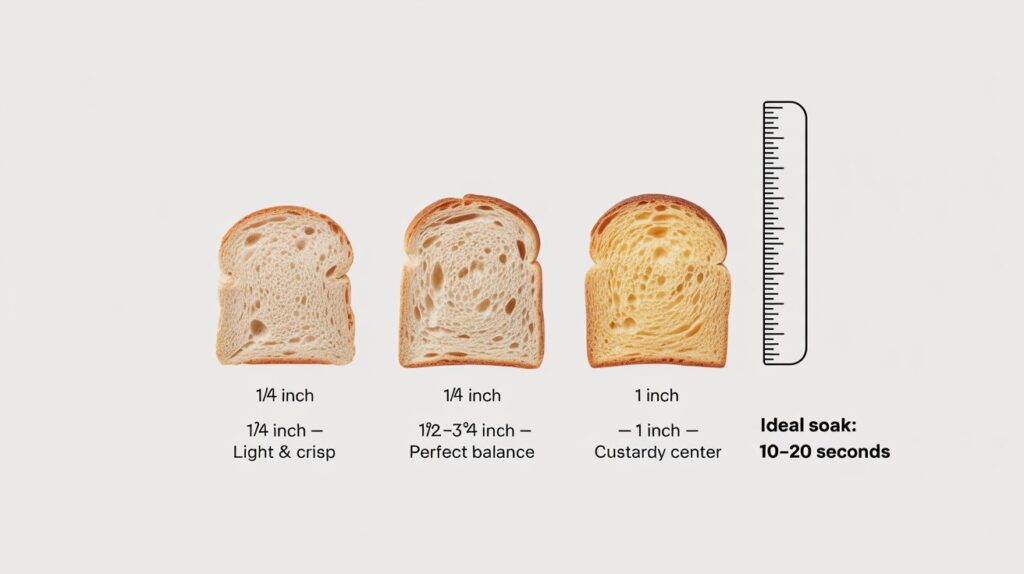
This section provides specific measurements for various types of bread used in making French toast, along with the ideal egg mixture ratios to ensure a delicious and satisfying result. Understanding these measurements is key to achieving the perfect balance of flavor and texture in your French toast.
| White Bread | 2 slices (about 1 inch thick) | Standard choice, soft and absorbs well. |
| Whole Wheat Bread | 2 slices (about 1 inch thick) | Healthier option with a nutty flavor. |
| Brioche | 2 slices (about 1 inch thick) | Rich and buttery, creates a decadent dish. |
| Challah | 2 slices (about 1 inch thick) | Sweet and soft, perfect for brunch. |
| Egg Mixture | 2 large eggs | Base for soaking the bread. |
| Milk | ½ cup (120ml) | Whole or 2% for creaminess. |
| Vanilla Extract | 1 teaspoon | Adds depth of flavor. |
| Cinnamon | ½ teaspoon | Optional, enhances warmth and aroma. |
- For a dairy-free option, substitute milk with almond or oat milk.
- When using thicker bread, you may need to increase the soaking time to ensure absorption.
- Ensure your egg mixture is well whisked for an even coating on the bread.
Essential Kitchen Tools
To make the perfect French toast, having the right tools is essential for achieving consistent results, especially when considering different serving sizes. This section outlines the must-have equipment and preparation steps to ensure your French toast is delicious and well-portioned.
- Non-stick skillet or griddle: A large non-stick skillet (12-inch) or griddle is ideal for cooking multiple slices at once. This ensures even cooking and prevents sticking, making flipping and serving easier.
- Whisk: A sturdy whisk is essential for blending the egg mixture smoothly. Aim to whisk until the eggs and milk are fully combined, creating a light and airy batter that will coat the bread evenly.
- Measuring cups and spoons: Accurate measurements are crucial for the egg mixture. Use a liquid measuring cup for milk (1 cup) and standard measuring spoons for vanilla extract (1 teaspoon) and cinnamon (1 teaspoon) to maintain consistency across different batch sizes.
- Spatula: A flexible spatula helps in flipping the bread without damaging it. Look for one that is thin and has a wide surface area, which allows you to slide under the bread easily.
- Cooling rack: After cooking, placing the French toast on a cooling rack prevents it from becoming soggy. This allows air circulation around the toast, maintaining its crispy exterior while you finish cooking the rest.
- Knife for slicing: If you’re using larger loaves of bread, a serrated knife is best for slicing even portions. Aim for slices about ¾ inch thick for optimal soaking and cooking.
Cooking Instructions
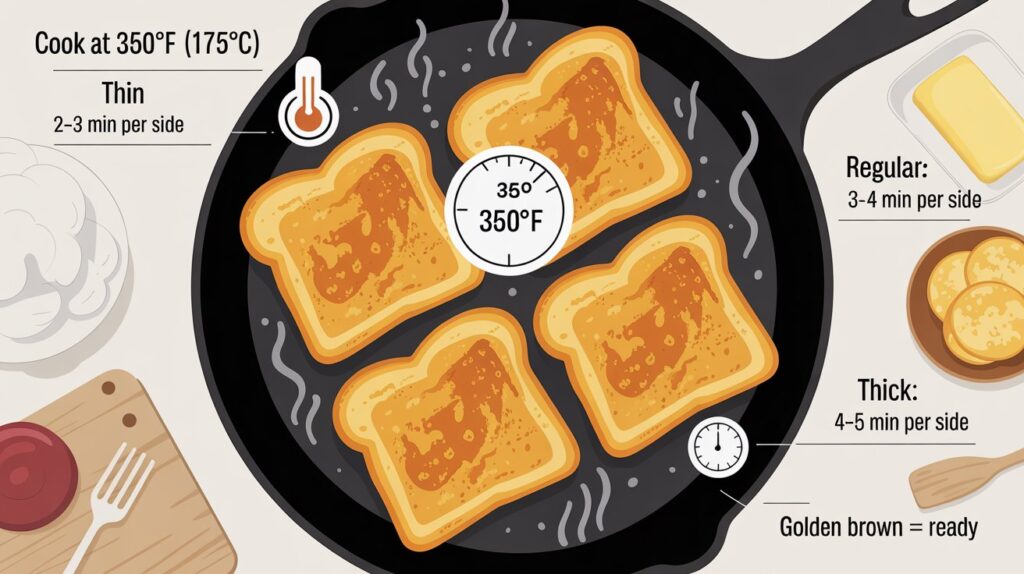
This section provides detailed preparation and cooking times for making French toast, tailored to different serving sizes. Understanding these steps will help you achieve perfectly cooked French toast, regardless of the number of servings needed.
Cooking Time by Thickness
| Thickness | Soak Time | Cook Time Per Side | Result |
|---|---|---|---|
| ¼ inch | 5–8 sec | 2–3 min | Light & crisp |
| ½–¾ inch | 10–15 sec | 3–4 min | Balanced texture |
| 1 inch | 20 sec | 4–5 min | Custardy center |
Preparation Steps
- Start by gathering your ingredients: 4 slices of bread (preferably thick-cut like brioche or challah), 2 large eggs, ½ cup milk (120ml), 1 tablespoon sugar, and 1 teaspoon vanilla extract. For allergy substitutions, you can use almond milk and flax eggs (1 tablespoon ground flaxseed mixed with 3 tablespoons water per egg).
- In a large mixing bowl, whisk together the eggs, milk, sugar, and vanilla until well combined. The mixture should be smooth and slightly frothy, which indicates proper blending.
- Preheat your skillet or griddle to medium heat, around 350°F (175°C). It’s important to let the pan heat fully before adding the bread, as a properly heated surface will create a golden crust.
Cooking Times
- Dip each slice of bread into the egg mixture, allowing it to soak for about 10-15 seconds on each side. Be careful not to oversoak, or the bread will become too soggy.
- Place the soaked bread onto the preheated skillet. Cook for 3-4 minutes on one side until golden brown. You should see a slight puffing of the bread, and it should smell sweet and eggy.
- Flip the bread and cook for an additional 2-3 minutes on the other side. The toast should be firm to the touch and have a rich golden color. Remove from the skillet and keep warm in a low oven (around 200°F or 93°C) if cooking multiple batches.
Pro Tips for Success
Understanding the size chart for French toast is crucial for serving the right portions based on your occasion. Here are some expert tips and common pitfalls to help you get the most out of your French toast preparation.
- Measure Your Bread: Use a ruler to measure your bread slices, aiming for about ¾ inch thick for ideal soaking without falling apart. Thicker slices will require a longer soaking time to absorb the egg mixture.
- Portion Sizes Matter: For breakfast servings, plan on 1-2 slices per person. If you’re serving it for brunch or as a dessert, consider 2-3 slices per person to account for heartier appetites.
- Cooking in Batches: If you’re making a large batch, cook the French toast in batches to avoid overcrowding the pan. This ensures even cooking and browning, resulting in that golden crust we all love.
- Keep It Warm: As you cook each batch, keep the finished slices warm in an oven set to 200°F (93°C). This prevents them from getting soggy while you finish the remaining slices.
- Flavor Infusions: Don’t hesitate to adjust the flavor profile of your egg mixture. Add a teaspoon of vanilla extract or a pinch of cinnamon for an extra layer of deliciousness that complements the size and thickness of your bread.
Size Variations and Substitutions
This section covers how the thickness of your bread and dietary modifications can impact the preparation and enjoyment of French toast. Understanding these variations helps you create a delicious, personalized dish that suits different preferences and occasions.
Thickness Impact
The thickness of the bread slices can significantly affect the texture and cooking time of your French toast. Here’s a quick guide:
- Thin Slices (¼ inch): Cook for about 2-3 minutes per side at 350°F (175°C). These will cook quickly and absorb less egg mixture, resulting in a lighter texture.
- Regular Slices (½ inch): The standard thickness for classic French toast, cook for 3-4 minutes per side at 350°F (175°C). This thickness balances absorption and crispiness.
- Thick Slices (1 inch): These require 4-5 minutes per side at 350°F (175°C). They soak up more egg mixture, creating a custardy center with a crispy outer layer.
Dietary Changes
For those with dietary restrictions or preferences, French toast can be easily modified:
- Gluten-Free: Substitute regular bread with gluten-free bread options. Cook times remain similar, but always check for doneness.
- Dairy-Free: Use almond milk or coconut milk instead of cow’s milk in your egg mixture to maintain creaminess.
- Vegan: Replace eggs with a mixture of ¼ cup chickpea flour and ¼ cup water or use mashed bananas for binding.
Chef’s tip: If using thicker bread, consider letting it soak in the egg mixture for an extra minute or two for optimal flavor absorption.
| ¼ inch | 2-3 | Light and less custardy |
| ½ inch | 3-4 | Balanced with a crispy exterior |
| 1 inch | 4-5 | Custardy center with crispy edges |
Serving and Plating Ideas
Presenting your French toast attractively can enhance the dining experience, whether it’s for a cozy breakfast or a festive brunch. Here are some effective plating tips and pairing suggestions to elevate your French toast game.
- Choose the Right Plate: Opt for a plate that contrasts with the colors of your French toast. A simple white plate can make the golden-brown toast pop, while a colorful plate can add fun to the presentation. Ensure the plate is large enough to accommodate the toast without overcrowding.
- Stack or Fan Out: For a modern look, stack two or three slices of French toast on top of each other. Alternatively, fan out the slices slightly to showcase the texture and toppings. This adds height and visual interest to the dish.
- Add a Dusting of Powdered Sugar: Just before serving, lightly sift powdered sugar over the top of the French toast. This not only adds sweetness but also gives an elegant finish. Aim for an even, delicate layer to avoid clumping.
- Incorporate Fresh Fruits: Serve your French toast with an assortment of fresh fruits like strawberries, blueberries, or banana slices. Position them artfully around the plate or on top of the toast to create a vibrant and inviting look.
- Drizzle with Syrup: Use a small pitcher to serve warm maple syrup or fruit compote on the side. This allows guests to add their desired amount without making the toast soggy. A drizzle over the top can also create a beautiful effect.
- Include Whipped Cream or Yogurt: A dollop of whipped cream or a spoonful of Greek yogurt can add creaminess and balance the sweetness. Place it beside the toast for a lovely contrast in texture and flavor.
Don’t forget to consider flavor pairings, like pairing cinnamon French toast with warm apple compote or chocolate French toast with fresh raspberries. The right combination can make your dish not only beautiful but delicious too!
Quick Summary
| Prep Time | 10 minutes |
|---|---|
| Cook Time | 15 minutes |
| Total Time | 25 minutes |
| Servings | 4 |
- Measure bread thickness: 1 inch is ideal for optimal soaking.
- Whisk eggs thoroughly: Ensures even coating and texture.
- Use a non-stick skillet: Preheat to medium for perfect browning.
- Soak bread for 30 seconds: Prevents sogginess while allowing flavor absorption.
- Serve immediately: Keeps it warm and fluffy; top with syrup or fruit.
- Tip: Use day-old bread for better absorption.
- Tip: Mix cinnamon and vanilla into egg mixture for additional flavor.
Frequently Asked Questions
Can I make this ahead of time? How to store and reheat?
You can prepare the egg mixture and soak the bread slices up to 12 hours in advance, storing them covered in the refrigerator. To reheat, simply warm them in a skillet over medium heat for 2-3 minutes on each side until heated through.
What can I substitute for bread in the french toast size chart?
You can substitute any bread type, but for a gluten-free option, use gluten-free bread that’s sturdy enough to hold up when soaked. Brioche or challah are excellent choices for a richer taste.
How do I know when it’s done?
Your french toast is done when it’s golden brown on both sides and the center is set, which usually takes about 3-4 minutes per side on medium heat. A slight puffiness and a cooked interior indicate it’s ready to serve!
Can I freeze this? How long does it last?
You can freeze cooked french toast for up to 2 months, ensuring it’s in an airtight container or freezer bag. To reheat, thaw in the refrigerator overnight and warm in a toaster or skillet.
What if I don’t have a griddle?
If you don’t have a griddle, you can use a large skillet or frying pan over medium heat; just ensure it’s well-greased to prevent sticking. Cook in batches, allowing enough space between pieces for even cooking.
