
Are you curious about the perfect size for your fettuccine noodles? Whether you’re cooking for a family dinner or planning a special meal, knowing the right noodle size can make all the difference.
This Fettuccine Noodles Size Chart will help you choose exactly what you need, so your pasta dishes turn out just right every time. Keep reading to discover how the size of your noodles can affect cooking time, texture, and presentation—and make your next pasta meal unforgettable.
Fettuccine Basics
Fettuccine is a popular type of pasta that many love for its wide, flat shape. It fits perfectly with creamy sauces and hearty dishes. Understanding its basics helps you appreciate this classic noodle more.
Let’s explore where fettuccine comes from, what makes it, and how it is often used in meals.
Origin And History
Fettuccine has roots in Italian cooking, especially from Rome. The name means “little ribbons” in Italian. It has been part of Italian kitchens for centuries. This pasta gained fame through traditional recipes shared across generations.
Typical Ingredients
Fettuccine dough usually contains simple ingredients. These include flour, eggs, and sometimes a pinch of salt. No oil or water is needed in many recipes. The eggs give fettuccine a rich texture and yellow color.
Common Uses
Fettuccine works well with thick sauces. Cream sauces like Alfredo are popular choices. It also pairs nicely with meat, vegetables, and cheese. Many dishes use it to hold rich flavors and textures together.
Standard Fettuccine Sizes
Fettuccine noodles come in different sizes to suit various dishes and preferences. Understanding their standard sizes helps in picking the right noodle for your meal. These sizes mainly differ in width, thickness, and length. Knowing these details makes cooking easier and improves your dish’s texture and taste.
? Fettuccine Noodles Size Chart
| Fettuccine Type | Width (Approx.) | Thickness | Length | Cooking Time | Best Uses |
|---|---|---|---|---|---|
| Thin Fettuccine | 5–6 mm | Thin | 25–30 cm | 7–9 minutes | Light sauces, olive oil, seafood |
| Standard Fettuccine | 6–8 mm | Medium | 25–30 cm | 9–11 minutes | Alfredo, cream sauces, chicken |
| Wide Fettuccine | 9–10 mm | Thick | 25–30 cm | 11–13 minutes | Hearty sauces, mushrooms, meat |
| Fresh Homemade | 7–10 mm | Varies | Custom | 2–4 minutes | Traditional Italian dishes |
Width Variations
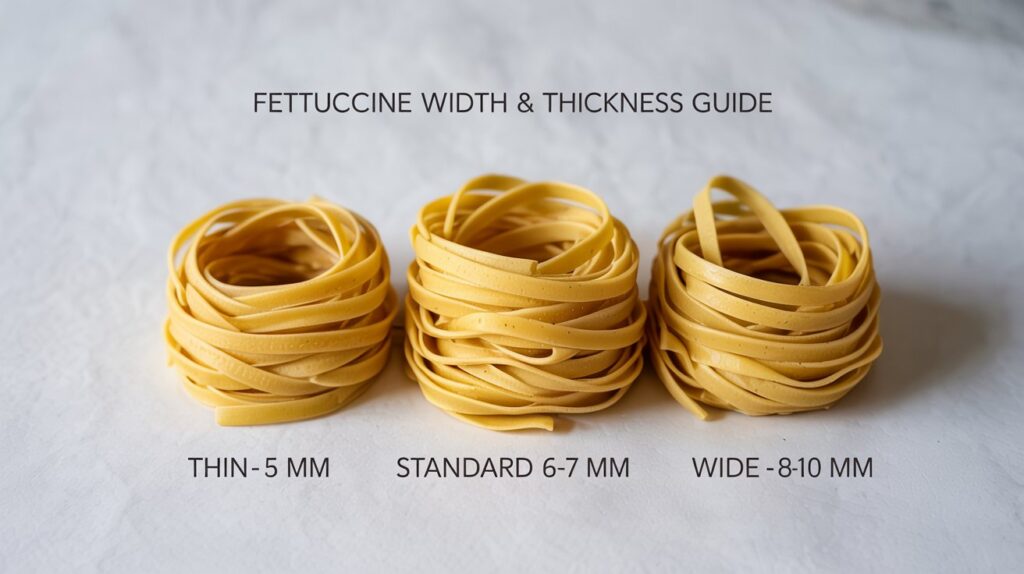
Standard fettuccine noodles usually measure between 6 to 8 millimeters wide. Some types are slightly narrower, around 5 millimeters, for a delicate bite. Wider noodles, up to 10 millimeters, give a hearty feel. Width affects how sauce sticks to the noodles. Thinner noodles hold less sauce, while wider ones carry more.
Thickness Options
Fettuccine thickness varies from thin to medium. Thin noodles cook faster and feel lighter on the plate. Medium thickness is common and offers a good balance. Thicker noodles take longer to cook but feel more substantial. Thickness impacts texture and how the noodle blends with sauces.
Length Differences
Fettuccine noodles often come in lengths between 25 to 30 centimeters. Some fresh pasta makers cut them shorter for easier handling. Longer noodles are great for twirling on a fork. Length does not affect cooking time much but changes the eating experience. Choose length based on your serving style.
Measuring Fettuccine Noodles
Measuring fettuccine noodles is important for cooking and portion control. The size affects cooking time and texture. Knowing the right size helps achieve perfect pasta every time.
Accurate measurement ensures noodles cook evenly and serve well. It also helps avoid waste and overcooking. Measuring fettuccine is simple with the right tools and tips.
Tools For Accurate Measurement
A ruler or tape measure works well for noodle width. Kitchen scales help with portion size by weight. Pasta measurers or portion guides are useful tools. These tools ensure you get the exact noodle size needed.
Tips For Consistency
Measure noodles before cooking to keep size uniform. Cut noodles straight for even cooking. Use the same tool for each batch. Consistent measurement leads to better texture and taste every time.
Choosing The Right Size
Choosing the right size of fettuccine noodles affects the whole dish. The size changes how the noodles cook and taste. It also affects how the sauce sticks to the noodles. Picking the right size helps make your meal better and more enjoyable.
Pairing With Sauces
Thicker fettuccine holds rich, heavy sauces well. Creamy Alfredo or meat sauces work best. Thin fettuccine suits light, simple sauces like olive oil or tomato. The sauce and noodle size must match for good flavor balance.
Cooking Time Considerations
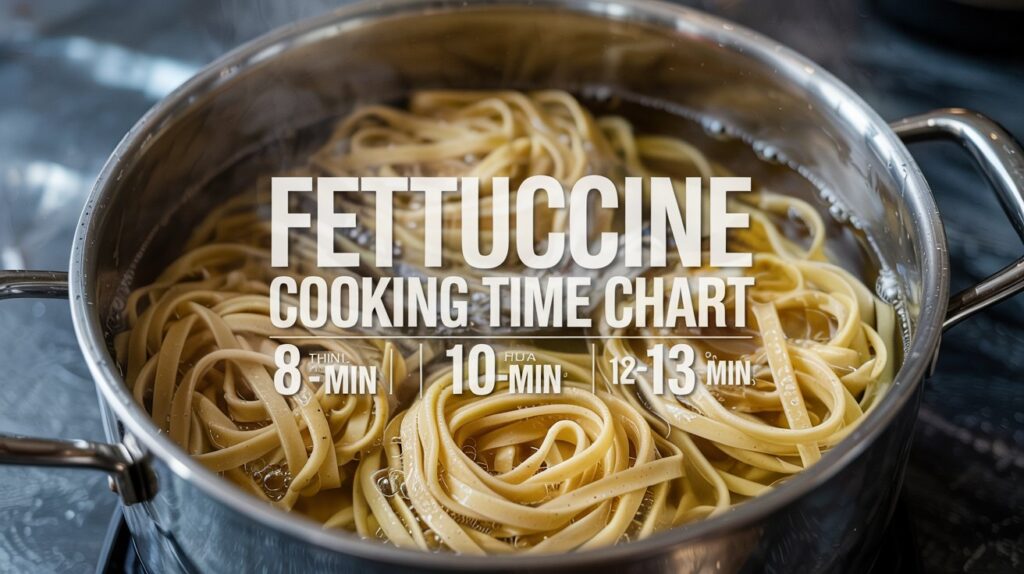
Thicker noodles take longer to cook. Thin noodles cook quickly and need close watch. Overcooking makes noodles soft and mushy. Adjust cooking time to noodle size for perfect texture every time.
Texture And Mouthfeel
Thick fettuccine feels chewy and hearty. Thin noodles feel soft and delicate in your mouth. Size changes the eating experience. Choose size based on your texture preference and dish style.
Homemade Vs Store-bought Sizes
Fettuccine noodles come in many sizes, especially when comparing homemade and store-bought options. The size of noodles affects cooking time and texture. Homemade noodles often vary in thickness and width. Store-bought noodles follow standard sizes but can differ between brands.
Customizing Homemade Pasta
Making pasta at home lets you control the noodle size. You can roll dough thin or thick. Cut noodles wide or narrow based on your recipe. This freedom helps you create pasta that fits your meal perfectly. Homemade pasta also tends to be softer and cooks faster. You decide the shape and size every time.
Variations In Commercial Products
Store-bought fettuccine noodles come in fixed sizes. Brands may offer slightly different widths. Some noodles are thicker for hearty dishes. Others are thinner for light sauces. Packaging usually shows size details. Commercial noodles are consistent in shape. This makes cooking times predictable. You get uniform noodles every time you buy them.
Fettuccine Size And Portion Control
Fettuccine noodles come in different sizes, which affects portion control. Knowing the right size helps manage meal portions better. It also helps avoid food waste and keeps meals balanced.
Portion control is important for healthy eating. Serving the right amount of fettuccine ensures you get enough energy without overeating. This section explains serving size and calorie estimation for fettuccine noodles.
Serving Size Recommendations
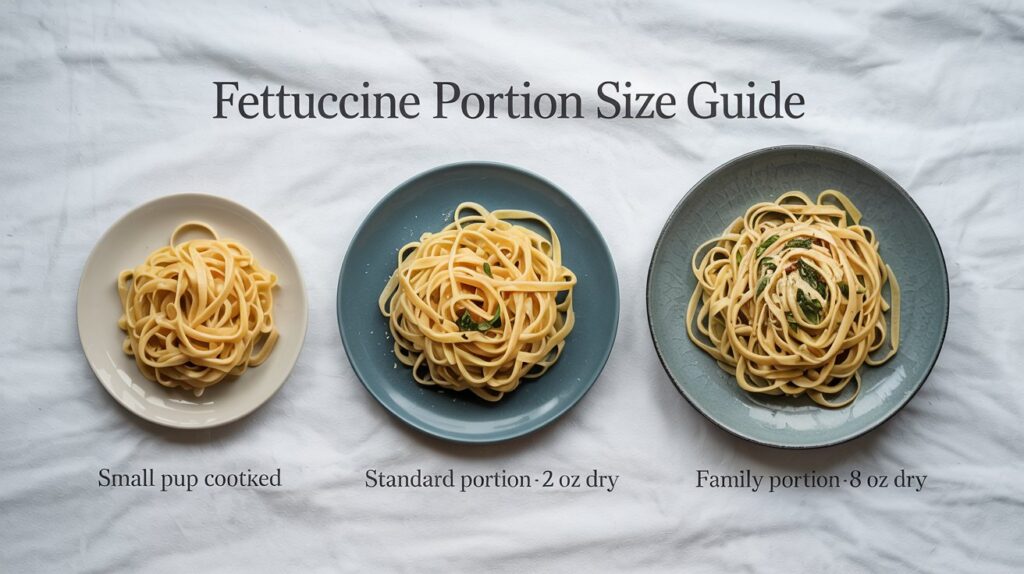
A standard serving of cooked fettuccine is about one cup. This equals roughly 2 ounces of dry noodles. For adults, one serving usually fits on a small plate.
For children, reduce the amount to half a cup of cooked noodles. Use a kitchen scale to measure dry noodles before cooking. It helps keep portions consistent every time.
Calorie Estimation
One cup of cooked fettuccine noodles has about 200 calories. Dry noodles contain more calories per weight because they absorb water during cooking. Two ounces of dry fettuccine equals about 200 calories.
Keep in mind, sauces and toppings add extra calories. Choose light sauces to keep meals healthy. Tracking calories helps maintain a balanced diet and supports weight goals.
Tips For Cooking Perfect Fettuccine
Cooking perfect fettuccine noodles is simple with the right tips. Each step affects the texture and taste. Follow these easy guidelines to get soft and tasty noodles every time.
Understanding how to boil, avoid overcooking, and store leftovers helps keep your pasta fresh and delicious.
Boiling Techniques
Start with a large pot of water to give noodles space. Use plenty of water to prevent sticking. Add salt to the boiling water for flavor. Wait until water boils hard before adding fettuccine. Stir gently after adding noodles to separate them. Cooking in boiling water helps noodles cook evenly.
Avoiding Overcooking
Check noodles a minute before the package time ends. Test a noodle by biting to check texture. Fettuccine should be firm but not hard. Drain noodles quickly to stop cooking. Do not rinse noodles; rinsing removes flavor and sauce grip.
Storage And Leftovers
Cool leftover noodles quickly to keep freshness. Store in an airtight container in the fridge. Use leftovers within 2 days for best taste. Reheat by dipping in hot water or microwaving briefly. Add a little oil or sauce when reheating to avoid dryness.
Fettuccine Size In Different Cuisines
Fettuccine noodles vary in size depending on the cuisine they belong to. Their width and thickness change to suit different dishes and cooking styles. These size differences affect texture and how sauces cling to the noodles. Exploring fettuccine size across cuisines reveals fascinating culinary traditions.
Italian Traditions
In Italy, fettuccine usually measures about 6 to 7 millimeters wide. The pasta is flat and ribbon-like, ideal for creamy sauces like Alfredo. Italian cooks prefer fresh or dried versions, each with slight size variations. Fresh fettuccine tends to be softer and slightly wider. Dried fettuccine is firmer with a consistent width. Size plays a key role in preserving authentic texture and flavor in Italian dishes.
Global Adaptations
Outside Italy, fettuccine sizes adapt to local tastes and recipes. Some countries make it thinner, closer to tagliatelle or linguine. Others may create wider ribbons to hold chunky sauces better. Asian cuisine sometimes uses fettuccine-like noodles but with different thicknesses. These global changes reflect diverse cooking methods and ingredients. Size adjustments help fettuccine fit new culinary cultures while keeping its basic shape.
Frequently Asked Questions
What Are The Standard Sizes Of Fettuccine Noodles?
Fettuccine noodles typically range from 6mm to 8mm wide. This size allows for even cooking and good sauce absorption. Some specialty brands offer slightly wider or narrower options. Knowing the size helps in pairing with the right sauce and cooking time.
How Does Fettuccine Size Affect Cooking Time?
Wider fettuccine noodles take slightly longer to cook than thinner ones. Usually, cooking time ranges from 8 to 13 minutes. It’s best to check the package instructions and taste-test for perfect al dente texture. Size impacts both texture and sauce retention.
Can I Substitute Other Noodles For Fettuccine?
Yes, you can substitute tagliatelle or pappardelle for fettuccine. These noodles have similar width and texture. However, thinner noodles like linguine will cook faster and hold less sauce. Choose a substitute based on the recipe’s sauce and desired texture.
Why Is Knowing Fettuccine Size Important?
Knowing the noodle size helps ensure proper cooking and sauce pairing. Different sizes absorb sauce differently and affect mouthfeel. It also guides portion control and presentation. Accurate size knowledge enhances your overall pasta dish experience.
Conclusion
Knowing the sizes of fettuccine noodles helps with cooking and serving. Choose the right size to match your sauce and dish style. This chart makes it simple to pick the best noodle size. Cooking becomes easier and meals taste better.
Enjoy your pasta with confidence every time. Try different sizes to find your favorite one. A small change can make a big difference in your meal. Keep this guide handy for your next pasta night.
