
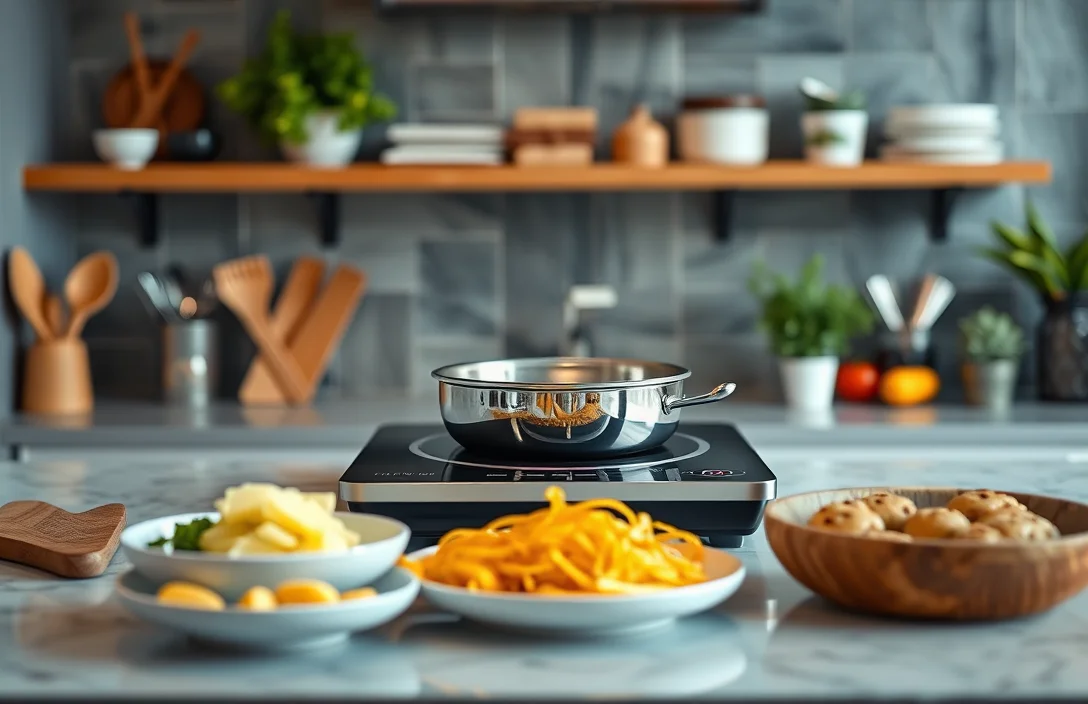
Imagine cooking with precision and speed, where every dish turns out perfect, and your kitchen stays cooler. Induction cooking offers this modern convenience, making it an appealing choice for anyone looking to upgrade their culinary experience while embracing innovative technology.
Induction cooking works by using magnetic fields to heat pots and pans directly, rather than the cooktop itself. This method provides faster cooking times, better energy efficiency, and enhanced safety. If you’re considering an upgrade, understanding these benefits will help you decide if induction fits your cooking style.
Core Concepts and Definitions
Induction cooking is a modern method that uses electromagnetic energy to directly heat pots and pans. This technique is distinct from traditional cooking methods, where heat is generated by gas or electric burners, which then transfer energy to the cookware. Understanding the basics of induction cooking is essential for appreciating its benefits and how it can fit into your cooking routine.
At its core, induction cooking requires compatible cookware, generally made of ferrous metals like cast iron or stainless steel. The induction cooktop generates a magnetic field that induces heat directly into the cookware. This means that the cooking surface itself remains cool to the touch, reducing the risk of burns and making cleanup easier. Not only is this method efficient, as it heats up faster and uses less energy, but it also offers precise temperature control, allowing for better cooking results.
As you explore this cooking technology, consider how it aligns with your cooking style and kitchen needs. The initial investment might be a factor, but the long-term benefits of speed, safety, and energy efficiency can make it a worthwhile choice.
How It Works in Practice
Understanding how induction cooking operates can simplify your cooking experience. This technology uses electromagnetic energy to directly heat pots and pans, rather than relying on a flame or electric heating element. Here’s how this method effectively transforms cooking.
When you place a compatible cookware on the induction cooktop and turn it on, an electromagnetic field is generated beneath the surface. This field interacts with the metal in the cookware, causing it to heat up quickly. Unlike traditional cooking methods, where heat is transferred from a burner to the pot, induction cooking heats the pot itself directly. This means that the cooktop remains relatively cool, reducing the risk of burns and making it easier to clean.
Moreover, the precise temperature control allows for rapid adjustments while cooking. If you need to lower the heat instantly, you can do so with just a touch. This responsiveness makes induction cooking ideal for tasks that require careful temperature management, such as melting chocolate or simmering sauces.
Key Advantages Worth Knowing
Understanding the key benefits of induction cooking can help you decide whether it’s the right fit for your kitchen. One significant advantage is energy efficiency. Unlike traditional cooking methods that waste heat, induction technology heats the cookware directly, meaning less energy is used and more heat is directed exactly where it’s needed.
This efficiency translates to quicker cooking times. With induction, you can boil water faster than on a gas or electric stove. For instance, reaching a rolling boil can take just a few minutes, saving valuable time during meal preparation. Additionally, because the cooktop itself doesn’t get hot, spills are less likely to burn onto the surface, making cleanup easier and reducing the chance of kitchen accidents.
Another benefit is the precise temperature control that induction provides. You can make quick adjustments to the heat level, allowing for delicate cooking techniques like simmering sauces or melting chocolate without risk of scorching. This feature is particularly useful for beginners who may be experimenting with different recipes and cooking methods.
By considering these advantages, you can see how this cooking technology may enhance your culinary experience while fitting seamlessly into your lifestyle.
Step-by-Step Approach
Understanding the fundamentals of induction cooking can significantly enhance your culinary experience. One essential tip is to ensure you are using compatible cookware. Induction cooking relies on magnetic fields to generate heat directly in the pan, so not all pots and pans will work effectively.
To check if your cookware is suitable, you can perform a simple magnet test. Take a magnet and see if it sticks to the bottom of the pot or pan. If it does, then you have induction-compatible cookware. Stainless steel and cast iron are typically good choices, while aluminum and glass generally won’t work unless they have a magnetic base.
Investing in the right cookware not only maximizes the efficiency of the induction cooktop but also ensures even cooking. This step is critical in achieving the best results while using this modern cooking method. Remember, the right tools make all the difference in the kitchen.
Common Mistakes to Avoid
Understanding induction cooking can lead to better culinary experiences, but there are common pitfalls that can hinder your progress. Avoiding these mistakes will help you optimize your cooking methods and ensure success in the kitchen. Here’s one key mistake to watch out for:
Using incompatible cookware is a frequent error. Induction cooking relies on magnetic fields to generate heat, which means only specific types of cookware work effectively. If your pots and pans are made of materials like glass, aluminum, or copper without a magnetic base, they won’t heat up. To test if your cookware is suitable, use a magnet; if it sticks, you’re good to go. Investing in the right cookware can dramatically enhance your cooking efficiency and experience. Keep this in mind as you explore induction cooking further.
Practical Tips That Help
Understanding how to use induction cooking effectively can enhance your culinary experience. Here’s a key tip that can make your cooking more efficient and enjoyable.
Choose the Right Cookware: Induction cooking requires magnetic cookware to function properly. This means that not all pots and pans will work. To test if your cookware is induction-compatible, simply hold a magnet to the bottom of the pot. If the magnet sticks, you’re good to go! Common materials that work well include stainless steel and cast iron. Avoid aluminum or glass unless they are specifically labeled as induction-compatible. Investing in a few quality pieces of cookware designed for induction can vastly improve your cooking experience and efficiency.
Real-World Examples
Understanding how induction cooking fits into everyday life can help you appreciate its advantages. Here are some real-world scenarios that highlight its practicality and efficiency in various kitchens.
Imagine a busy parent preparing dinner after a long day. With induction cooking, they can heat a pot of water for pasta in just a few minutes, allowing them to quickly move on to the next step of their meal prep. The precise temperature control means they won’t have to worry about boiling over or burning their sauce.
Consider a college student in a small apartment. An induction cooktop offers an excellent solution for limited space. It’s compact, easy to store, and can quickly handle everything from frying eggs to sautéing vegetables. Plus, the safety features, such as automatic shut-off, provide peace of mind when cooking in a shared living environment.
Lastly, think of a culinary enthusiast experimenting with recipes. Induction cooking allows for rapid changes in temperature, making it easier to achieve perfect results. This responsiveness is crucial for techniques like tempering chocolate or searing meat, where precision is key to success.
These examples illustrate how induction cooking can streamline meal preparation, enhance safety, and improve cooking outcomes in various lifestyles.
Getting Started Today
To make the most of your cooking experience with induction technology, invest in quality induction-compatible cookware. This cookware is designed to work seamlessly with induction cooktops, ensuring optimal heat transfer and efficiency. Look for pots and pans with a flat, smooth bottom that are labeled as induction-ready. This small step will significantly enhance your cooking performance and satisfaction.
Quick Summary
- Induction cooking uses electromagnetic fields to directly heat pots and pans.
- It offers faster cooking times compared to traditional gas and electric stoves.
- Induction cooktops are energy-efficient, as they heat only the cookware and not the surrounding air.
- Safety features include automatic shut-off and cool-to-the-touch surfaces.
- Compatible cookware must be ferrous (magnetic) for induction to work effectively.
- Induction cooking allows for precise temperature control, enhancing cooking precision.
- Cleaning is easier due to the flat, smooth surface that doesn’t retain heat.
Frequently Asked Questions
What is induction cooking?
Induction cooking uses electromagnetic energy to directly heat pots and pans, making the cooking process faster and more efficient. Unlike gas or electric stovetops that heat the cooking surface, induction cooktops heat the cookware itself, resulting in quicker cooking times and less wasted energy.
What are the advantages of induction cooking over traditional methods?
Induction cooking offers several advantages, including precise temperature control, faster cooking times, and greater energy efficiency. Additionally, induction cooktops are easier to clean since the surface remains cool to the touch, reducing the risk of burns and spills.
Do I need special cookware for induction cooking?
Yes, induction cooking requires magnetic cookware to work effectively. This typically includes pots and pans made from cast iron, stainless steel, or specific types of enameled cookware. You can easily check if your existing cookware is compatible by seeing if a magnet sticks to the bottom.
Is induction cooking suitable for all types of cooking styles?
Induction cooking is versatile and accommodates various cooking styles, including sautéing, boiling, simmering, and simmering. Many chefs appreciate the quick response to temperature changes, which allows for greater control over cooking techniques.
Is the initial investment in induction cooking worth it?
While induction cooktops can be more expensive upfront than traditional options, their efficiency can lead to long-term savings on energy bills. Additionally, the convenience and safety features, such as automatic shut-off and cool surfaces, can make them a worthwhile investment for modern kitchens.
