

Are you confused about how much espresso, milk, and sugar to add to your coffee? Getting the right balance can change your entire coffee experience.
Whether you like it strong or sweet, knowing the perfect sizes for each ingredient makes every cup just right. In this guide, you’ll find an easy-to-follow size chart that helps you craft your ideal espresso milk coffee with sugar. Keep reading, and you’ll never have to guess your coffee measurements again.
Espresso Basics
Espresso is the base of many popular coffee drinks, including espresso milk coffee with sugar. Understanding espresso basics helps you choose the right size and taste. This section explains the main types of espresso shots and their standard sizes.
Types Of Espresso Shots
Espresso shots differ in volume and strength. A single shot uses about 7 grams of coffee and yields 1 ounce of espresso. A double shot uses 14 grams and produces 2 ounces. Some cafes offer a ristretto shot, which is shorter and stronger. It uses the same coffee amount but less water. This creates a more concentrated flavor. Knowing these types helps you pick the right espresso for your milk coffee.
Standard Espresso Sizes
Standard espresso sizes vary by shot type. A single shot is usually 1 ounce (30 ml). A double shot measures 2 ounces (60 ml). Some places serve a triple shot, which is 3 ounces. The size affects the coffee’s strength and taste. For espresso milk coffee with sugar, the size determines how much milk and sugar to add. Understanding sizes ensures a balanced, tasty drink every time.
Milk Options For Espresso
Choosing the right milk for your espresso changes the taste and texture of your coffee. Milk can make your espresso creamy, sweet, or light. Different kinds of milk bring different flavors and feelings to your cup. Knowing the options helps you find the perfect match for your espresso.
Whole Milk Vs. Alternatives
Whole milk is creamy and rich. It adds smoothness and natural sweetness. Many people like it for its full flavor.
Alternatives include almond, oat, soy, and coconut milk. These are good for people who avoid dairy. Each alternative has a unique taste and texture. Almond milk is light and nutty. Oat milk is creamy and mild. Soy milk is smooth and slightly sweet. Coconut milk adds a tropical flavor.
Some alternatives froth well, while others stay thin. Choose based on your taste and dietary needs.
Steamed Vs. Frothed Milk
Steamed milk is warm and smooth. It blends well with espresso. This milk makes a creamy coffee without much foam.
Frothed milk has more air. It creates thick foam on top. This foam adds a light and airy texture. It also helps to keep the coffee warm longer.
Choosing steamed or frothed milk changes the coffee feel. Steamed milk is softer. Frothed milk is fluffy and rich. Both add a special touch to espresso drinks.
Sugar Varieties And Sweetness Levels
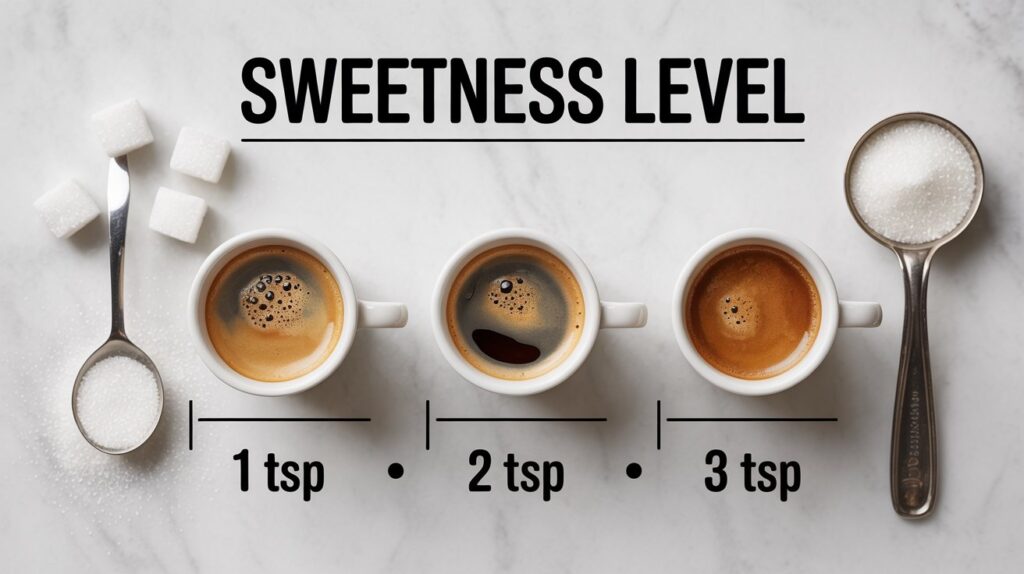
Sugar plays a big role in how your espresso milk coffee tastes. Different types of sugar change the flavor and texture. Knowing sugar varieties helps you choose the best sweetness level. This guide explains the main sugar types and how to adjust sweetness to your liking.
Granulated Vs. Liquid Sugars
Granulated sugar is the most common type. It comes as small crystals and dissolves slowly in hot coffee. It adds a clean, simple sweetness without extra flavor. You can control the amount easily with a spoon.
Liquid sugars like syrups or honey dissolve faster. They mix well with cold or iced espresso milk coffee. These sugars often add extra flavors like vanilla or caramel. They make your drink smooth and sweet quickly.
Adjusting Sweetness
Start with a small amount of sugar. Taste your coffee before adding more. Sweetness depends on your preference and coffee size. For a small cup, one teaspoon of sugar works well. Larger cups may need two or three teaspoons.
Try mixing granulated and liquid sugars for a balanced taste. Remember, too much sugar can hide the coffee’s natural flavor. Adjust slowly until you find your perfect sweetness.
Common Espresso Milk Coffee Sizes

Espresso milk coffee is a popular choice for many coffee lovers. It blends strong espresso with creamy milk and a touch of sugar. The size of your cup affects the taste and strength of your drink. Understanding common sizes helps you pick the best cup for your mood and time of day.
Each size offers a different balance of espresso, milk, and sugar. Knowing these sizes makes ordering easier and more satisfying.
☕ Espresso Milk Coffee With Sugar — Size Chart
| Size | Total Volume | Espresso | Milk | Sugar | Taste Profile |
|---|---|---|---|---|---|
| Small | 6–8 oz (180–240 ml) | 1 shot (30 ml) | 150–200 ml | 1 tsp | Strong & lightly sweet |
| Medium | 10–12 oz (300–350 ml) | 1–2 shots (30–60 ml) | 240–300 ml | 2 tsp | Balanced & smooth |
| Large | 14–16 oz (400–480 ml) | 2 shots (60 ml) | 320–400 ml | 3 tsp | Creamy & sweet |
| Extra Large | 18–20 oz (530–600 ml) | 2–3 shots | 450–520 ml | 3–4 tsp | Mild & dessert-like |
Small Size
The small size usually holds 6 to 8 ounces. It has a strong espresso flavor. Milk softens the taste but does not overpower it. This size suits those who want a quick, strong coffee. It often contains one shot of espresso and a small amount of milk and sugar.
Medium Size
Medium size cups hold 10 to 12 ounces. They offer a balanced mix of espresso and milk. The taste is smoother than small size. Medium size is perfect for those who want a longer coffee break. It usually contains one or two shots of espresso with more milk and sugar.
Large Size
Large size cups hold 14 to 16 ounces or more. The milk is more than espresso, creating a mild flavor. This size is great for slow sippers or those who want a creamy coffee experience. Large size often has two or more shots of espresso, plenty of milk, and a good amount of sugar.
Customizing Your Coffee Size
Customizing your espresso milk coffee size lets you enjoy your drink just right. Each person likes a different balance of milk, sugar, and coffee strength. Changing the size is not only about volume but also about flavor and sweetness.
Here are simple ways to adjust your coffee size to fit your taste perfectly.
Adding More Milk
Adding more milk makes your coffee smoother and less strong. It also cools the drink slightly. You can choose to add warm or cold milk depending on your preference. More milk means a creamier texture and softer coffee taste. This is ideal if you find espresso too bitter or strong.
Increasing Sugar Amount
Increasing sugar changes the sweetness of your coffee. It balances the bitterness of the espresso. Sugar also brings out the flavors in the milk. You can add sugar little by little to find the right level. Use white sugar, brown sugar, or alternatives based on your taste. Sweetening your coffee makes it more enjoyable for many people.
Calorie And Nutrition Guide
Understanding the calorie and nutrition details of your espresso milk coffee with sugar helps you make better choices. Each size offers different calorie counts, influenced by the milk and sugar used. This guide breaks down these factors clearly and simply.
Calories By Size
Small cups usually have around 50 to 80 calories. Medium sizes range from 100 to 150 calories. Large cups can reach 180 to 250 calories. The calorie difference depends on the amount of milk and sugar added. Knowing this helps control your daily calorie intake.
Impact Of Milk And Sugar Choices
Whole milk adds more calories than skim milk. Using plant-based milk like almond or oat lowers calorie count. Each teaspoon of sugar adds about 16 calories. Reducing sugar or switching to a sugar substitute cuts calories significantly. These choices affect taste and nutrition.
Popular Espresso Milk Coffee Variations
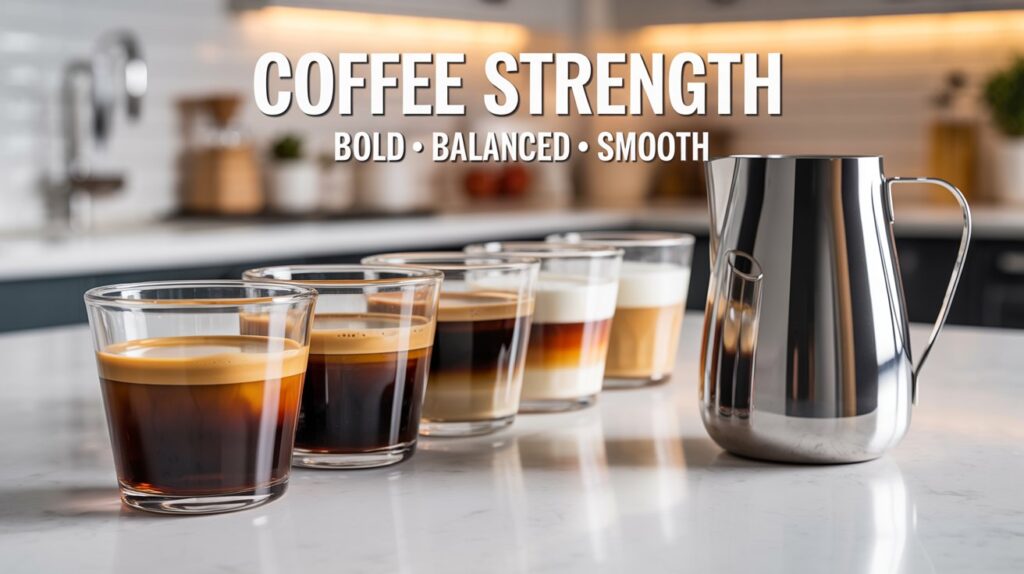
Espresso milk coffee is a favorite drink worldwide. Its rich taste and creamy texture attract many coffee lovers. Different variations offer unique flavors and sizes. Understanding these options helps you pick the perfect cup for your mood.
Each variation blends espresso with milk and sugar but in varied proportions. These differences change the taste, strength, and amount of coffee. Below are two popular types with their size charts for easy reference.
Cappuccino Size Chart
A cappuccino has equal parts of espresso, steamed milk, and foam. It is strong but smooth. Typical sizes include:
- Small: 6 ounces (1 shot espresso, 2 oz milk, 2 oz foam)
- Medium: 8 ounces (1 shot espresso, 3 oz milk, 3 oz foam)
- Large: 12 ounces (2 shots espresso, 5 oz milk, 5 oz foam)
Cappuccino is perfect for those who like a balanced coffee taste. The foam adds a light texture and keeps the drink warm.
Latte Size Chart
A latte has more steamed milk and less foam than a cappuccino. It is creamier and milder. Common sizes are:
- Small: 8 ounces (1 shot espresso, 6 oz milk, light foam)
- Medium: 12 ounces (1 shot espresso, 9 oz milk, light foam)
- Large: 16 ounces (2 shots espresso, 12 oz milk, light foam)
Lattes suit those who enjoy a softer coffee taste. The higher milk content makes it smooth and less bitter.
Frequently Asked Questions
What Sizes Are Available For Espresso Milk Coffee With Sugar?
Espresso milk coffee with sugar commonly comes in small, medium, and large sizes. Small is around 6 oz, medium 8-12 oz, and large 16 oz. Sizes vary by café but follow this general range for portion and caffeine content.
How Much Sugar Is Typically Added To Each Size?
Sugar amounts usually range from 1 to 3 teaspoons per cup size. Small cups get 1 tsp, medium 2 tsp, and large 3 tsp. This balances sweetness without overpowering the coffee’s flavor.
What’s The Milk To Espresso Ratio In Each Size?
The milk to espresso ratio increases with size. Small size has equal parts espresso and milk. Medium contains more milk, roughly 2:1 milk to espresso. Large sizes have even more milk to soften the espresso’s strength.
Does Sugar Affect The Coffee’s Calorie Count By Size?
Yes, sugar adds calories proportionally to the coffee size. Each teaspoon of sugar adds about 16 calories. Larger cups with more sugar have higher calorie content, important for those tracking intake.
Conclusion
Espresso milk coffee sizes vary to suit your taste and needs. Knowing the sugar amount helps balance sweetness and flavor. Choose the right size to enjoy your perfect cup. This chart guides your coffee order with ease. Enjoy every sip just the way you like it.
Keep this chart handy for your next coffee break. Simple, clear, and useful for any coffee lover.
