
Does wine taste like grape juice? The surprising truth is, while both come from grapes, their flavors are vastly different due to fermentation, aging, and added components. Wine undergoes a complex process that transforms simple grape sugars into alcohol and creates nuanced flavors and aromas that grape juice simply doesn’t have.
Have you ever taken a sip of wine and wondered if it’s just fancy grape juice? It’s a question many of us have, especially when we’re just starting to explore the world of wine. Grape juice is sweet, familiar, and tastes just like the grapes you’d pop into your mouth. Wine, on the other hand, can be sweet, dry, fruity, earthy, and sometimes even a little… well, different. This difference can be both intriguing and a little confusing! But don’t worry, we’re here to unravel this juicy mystery. We’ll dive into what makes wine taste so unique compared to its grape juice cousin, and by the end, you’ll feel confident understanding these delicious differences.
The Shocking Truth: Wine vs. Grape Juice
Let’s get straight to it: No, wine does not taste like grape juice. While they share a common ancestor – the humble grape – the journey from grape to glass for wine is a complex transformation that creates a world of difference. Think of it like this: a caterpillar and a butterfly both start from the same place, but their final forms are incredibly distinct. The same magic happens with grapes and wine!
The primary reason for this dramatic flavor divergence is a natural process called fermentation. This is where the magic truly happens, and it’s the key to understanding why wine is so much more than just fermented grape juice.
What is Fermentation, Anyway?
Fermentation is a metabolic process that converts sugar into acids, gases, or alcohol. In winemaking, it’s specifically the yeasts that play the starring role. These tiny, natural organisms feast on the sugars present in grape must (which is essentially crushed grapes, including skins, seeds, and stems).
As the yeast consumes the sugars, it produces two main byproducts: ethanol (alcohol) and carbon dioxide. This alcoholic fermentation is what gives wine its characteristic “kick” and significantly alters its flavor profile. Grape juice, on the other hand, is simply the pressed liquid from grapes, with its sugars left intact and no alcohol produced.
The Grape Juice Side of Things
Grape juice is essentially the pure essence of the grape, captured in liquid form. It’s made by crushing grapes and extracting their juice, which is then typically filtered to remove solids and often pasteurized to preserve it. This process locks in the natural sweetness and the fruity flavors of the grape varietal. Think of the familiar taste of Concord grape juice – it’s intensely grapey, sweet, and refreshing.
The key characteristics of grape juice are:
- High sugar content.
- Primary fruit flavors of the grape.
- No alcohol.
- Often lighter in body and mouthfeel.
The Wine Transformation: More Than Just Alcohol
When grapes are fermented to become wine, a cascade of changes occurs:
- Alcohol Production: As mentioned, yeast converts sugar into alcohol. Alcohol itself has a distinct flavor and contributes to the “warmth” or “body” of wine. It also carries aromatic compounds, meaning it helps to deliver the wine’s complex smells and tastes to your palate.
- Flavor Development: The fermentation process doesn’t just create alcohol; it also produces hundreds of other flavor compounds. These can range from fruity notes (like berries, citrus, or stone fruit) to floral, herbaceous, spicy, earthy, or even smoky characteristics, depending on the grape, yeast strain, and winemaking techniques.
- Acidity Changes: While grapes have natural acidity, fermentation can also influence the perceived acidity in wine. This acidity is crucial for balance, making the wine taste crisp and refreshing rather than cloying.
- Tannins: Found primarily in grape skins, seeds, and stems, tannins are compounds that contribute to the dry, sometimes bitter or astringent sensation in wine, especially red wines. Grape juice typically has very few, if any, tannins.
- Aging and Oak Influence: Many wines, particularly reds, are aged in oak barrels. This process imparts additional flavors like vanilla, toast, spice, and smoke, and can also soften the tannins and integrate the wine’s components.
These elements combine to create a beverage with layers of complexity that simply aren’t present in unfermented grape juice.
A Tale of Two Grapes: Flavor Profiles Compared
To truly grasp the difference, let’s compare the typical flavor profiles. Imagine tasting a glass of Welch’s Concord grape juice versus a glass of Cabernet Sauvignon. Both are made from grapes, but the experience is worlds apart.
| Characteristic | Grape Juice (e.g., Concord) | Wine (e.g., Cabernet Sauvignon) |
|---|---|---|
| Primary Flavor | Intense, sweet grape | Blackcurrant, plum, cedar, tobacco, spice |
| Sweetness | High, natural sugar | Can range from dry to sweet, but often perceived dryness due to tannins and acidity |
| Acidity | Moderate, tart | Moderate to high, contributing to crispness |
| Tannins | Negligible | Noticeable, especially in reds, causing dryness/astringency |
| Alcohol | 0% | Typically 11-15% ABV |
| Complexity | Simple, fruity | Complex, with layers of fruit, oak, spice, earth, and aging notes |
| Body/Mouthfeel | Light | Medium to full, with varying levels of viscosity |
As you can see, the journey from grape to juice or wine fundamentally alters the sensory experience. Even wines made from the same grape varietal can taste remarkably different based on where they were grown (terroir), how they were fermented, and how they were aged.
Why the Confusion? The Shared Grape DNA
So, why does this question even come up? It’s all about genetics! Both wine and grape juice originate from the same fruit. If you’ve ever bitten into a perfectly ripe grape, you’ve experienced the sweet, juicy burst that forms the very foundation of both beverages.
The initial stages of winemaking and juice production are also quite similar: crushing the grapes to extract the liquid. This is where the visual and initial aromatic similarities might lead someone to believe they’re fundamentally the same. However, the subsequent steps are what create the divergence.
The Role of Grape Varietals
It’s also worth noting that different grape varietals lend themselves to different flavor profiles, even before fermentation. For instance:
- Muscat grapes are highly aromatic and can produce wines and juices with distinct floral and fruity notes like orange blossom and lychee.
- Chardonnay grapes can yield wines with apple, pear, and sometimes buttery or toasty notes.
- Concord grapes, commonly used for juice, have a distinctively “grapey” flavor that is quite different from the more subtle, complex flavors of wine grapes like Merlot or Sauvignon Blanc.
So, if you’re comparing a sweet, intensely flavored Concord grape juice to a dry, tannic Nebbiolo wine, the difference is stark. If you’re comparing a very sweet, off-dry Riesling wine to a naturally sweet white grape juice, the similarities might be a little closer, but the presence of alcohol and developed secondary flavors in the wine will still set them apart.
Beyond Fermentation: Other Influences on Wine Flavor
While fermentation is the star player, several other factors contribute to the unique taste of wine, further differentiating it from simple grape juice:
- Grape Varietal: As discussed, the type of grape is paramount.
- Terroir: This French term encompasses the soil, climate, topography, and other environmental factors of the vineyard. Terroir influences how the grapes grow and develop their inherent flavors.
- Winemaking Techniques: From how the grapes are pressed to the types of yeast used, malolactic fermentation (which converts malic acid to lactic acid, softening the wine), and aging methods, every decision impacts the final taste.
- Aging: Both in barrel and in bottle, aging allows complex chemical reactions to occur, developing tertiary aromas and flavors that are far removed from fresh grape juice.
What About Sweet Wines? Are They Just Grape Juice?
This is a common point of confusion! Many wines are indeed sweet, like Moscato d’Asti or some Rieslings. However, even these sweet wines are the product of fermentation. The sweetness comes from residual sugar – sugar that wasn’t converted into alcohol by the yeast.
This can happen for several reasons:
- Stopping Fermentation Early: Winemakers might chill the wine or add a spirit (like brandy, in the case of fortified wines like Port) to halt the yeast’s activity before all the sugar is consumed.
- High Initial Sugar Content: Grapes with very high natural sugar levels might not have all their sugar fermented before the yeast runs out of steam or the alcohol level becomes too high for them to survive.
- Noble Rot or Raisining: In some cases, grapes are intentionally allowed to develop mold (Botrytis cinerea) or dry out on the vine, concentrating their sugars, leading to intensely sweet dessert wines.
Even with residual sugar, these sweet wines still contain alcohol and have undergone the complex chemical changes associated with fermentation. This gives them a structure, aroma, and flavor profile that remains distinct from unfermented grape juice.
Can You Make Wine from Grape Juice?
Yes, you absolutely can! This is essentially how home winemaking often begins. You can purchase unfermented grape juice (often called “grape concentrate” or “must” if it includes skins and seeds) and add wine yeast to it. The yeast will then ferment the sugars, producing alcohol and the characteristic flavors of wine.
However, the quality of the resulting wine will heavily depend on the quality of the initial grape juice and the winemaking process. Store-bought grape juice, especially if highly processed or filtered, might not have the ideal yeast nutrients or flavor precursors for making a truly complex wine. But for a basic alcoholic beverage, it’s the foundation!
How to Taste the Difference: A Beginner’s Guide
Ready to explore the nuances yourself? Here’s a simple way to taste the difference:
- Choose Your Samples: Get a bottle of 100% grape juice (like Concord or a white grape juice) and a bottle of wine. For a clear comparison, choose a wine made from a similar grape if possible, or a simple, fruit-forward wine. A dry white like Pinot Grigio or a light red like Beaujolais can be good starting points.
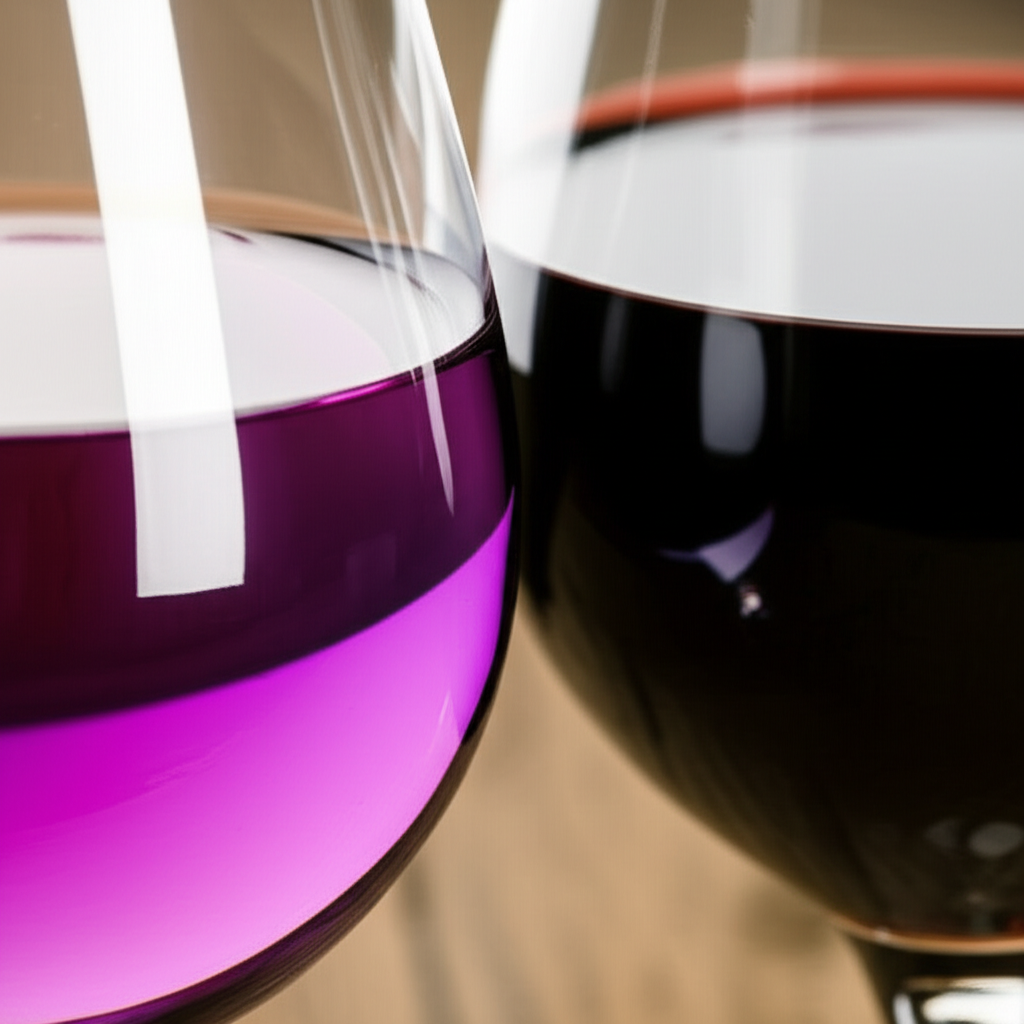
- Observe the Appearance: Notice the color and clarity. Grape juice is typically uniformly colored and clear. Wine can have a wider range of colors and may be clearer or have a slight haze.
- Smell: Swirl the wine in your glass and take a good sniff. What aromas do you detect? Fruity? Floral? Earthy? Now smell the grape juice. It will likely smell predominantly of fresh grapes.
- Taste: Take a small sip of the grape juice. Note its sweetness and primary grape flavor. Then, take a sip of the wine. Notice the initial fruit flavors. Can you taste the alcohol? Do you get any dry, tannic sensations? Is there a finish that lingers?
- Compare: How do the sensations compare? The wine will likely have more layers of flavor, a different mouthfeel (due to alcohol and tannins), and a more complex aroma.
Don’t worry if you don’t pick up on every nuance immediately. The world of wine tasting is a journey, and with practice, your palate will become more attuned to the differences.
When is Grape Juice a Better Choice?
While wine offers complexity and enjoyment for many, grape juice has its own distinct advantages, especially for specific needs:
- Hydration: Both are hydrating, but grape juice is often preferred for simple rehydration without alcohol.
- Children and Non-Drinkers: Obviously, grape juice is the go-to for those who don’t consume alcohol.
- Energy Boost: The natural sugars in grape juice provide a quick source of energy, making it great for a pre-workout drink or a quick pick-me-up.
- Post-Surgery/Chewing Issues: For individuals recovering from dental surgery (like wisdom teeth removal) or those with difficulty chewing, smooth, sweet grape juice is often recommended for its ease of consumption and nutrient content. According to the Mayo Clinic, soft, easy-to-swallow foods are important during recovery.
- Digestive Ease: For some individuals, especially those with sensitive stomachs or conditions like acid reflux or GERD, the alcohol and tannins in wine can be irritating. Unfermented grape juice, particularly certain types like white grape juice, may be gentler on the digestive system.
Common Questions About Wine and Grape Juice
Is wine just alcoholic grape juice?
No, wine is much more than just alcoholic grape juice. While it starts as grape juice, the process of fermentation transforms the sugars into alcohol and creates hundreds of new flavor and aroma compounds, plus the presence of tannins and acidity, which are not found in grape juice.
Why does wine taste different from the grapes it’s made from?
The taste difference comes from fermentation, where yeast converts grape sugars into alcohol and carbon dioxide. This process also produces other compounds that create complex flavors. Additionally, factors like aging, oak exposure, and grape varietal characteristics contribute to wine’s unique taste profile, which is distinct from fresh grapes.
Can I ferment grape juice at home to make wine?
Yes, you can. You would need to purchase unfermented grape juice (or grape concentrate) and add wine yeast. The yeast will consume the sugars, producing alcohol. However, the quality of the resulting wine will depend on the juice quality and the winemaking process.
Are sweet wines just grape juice with alcohol?
Sweet wines do contain alcohol and residual sugar, but they are not simply grape juice. The sweetness comes from sugar left over after fermentation is stopped early or from highly concentrated grapes. The presence of alcohol, acidity, tannins, and complex fermentation byproducts means they have a different taste and structure than unfermented grape juice.
What is the main difference between grape juice and wine?
The most significant difference is the presence of alcohol in wine, which is absent in grape juice. This alcohol is a result of fermentation. Additionally, wine typically has more complex flavors, aromas, and textural elements (like tannins) due to the fermentation process and aging, which are not present in grape juice.
If I don’t like grape juice, will I like wine?
It’s possible, but not guaranteed. Wine flavors are far more diverse than grape juice flavors. If you dislike the intense sweetness or specific flavor of certain grape juices, you might prefer drier wines, wines with different fruit profiles (like berry or citrus notes), or wines with more earthy or mineral characteristics. Exploring different wine types is key!
Conclusion: Embracing the Delicious Differences
So, to answer the burning question: does wine taste like grape juice? A resounding no! While they share a common origin in the humble grape, the journey of winemaking – particularly the magic of fermentation – creates a beverage that is profoundly different. From the development of alcohol and complex flavor compounds to the influence of tannins and aging, wine offers a sophisticated palate experience that stands far apart from the simple, sweet pleasure of grape juice.
Understanding these differences can unlock a new appreciation for both beverages. Whether you’re reaching for a glass of wine to unwind or a refreshing glass of grape juice for a healthy boost, you can now savor each for its unique qualities. Cheers to delicious discoveries!
