
Yes, prune juice can and does go bad, but with proper storage, its shelf life can be significantly extended. Understanding how to tell if it’s spoiled is key to enjoying its benefits safely.
Ever stare at a carton of prune juice, wondering if it’s still good? It’s a common kitchen mystery! Prune juice, loved for its natural digestive support, can sometimes leave us guessing about its freshness. You might worry about wasting a perfectly good bottle or, worse, drinking something that’s past its prime.
Don’t fret! We’re here to demystify the shelf life of prune juice. We’ll walk you through exactly how to tell if your prune juice is still delicious and safe to drink, covering everything from unopened bottles to what happens once it’s in your fridge. Get ready to feel confident about your next glass!
The Shocking Truth: Does Prune Juice Go Bad?
The short answer is: yes, prune juice can go bad. Like most beverages, it has a limited shelf life. The real “shocking truth” is less about a dramatic spoilage and more about understanding the factors that influence its freshness and how to best enjoy it.
Prune juice is made from dried plums (prunes), which are concentrated in sugars and nutrients. While this concentration can lend some natural preservative qualities, it doesn’t make prune juice immortal. Exposure to air, light, and temperature fluctuations can all contribute to a decline in quality and potential spoilage over time.
Understanding Prune Juice Shelf Life
The shelf life of prune juice can be broadly categorized into two stages: before opening and after opening.
Unopened Prune Juice
When a carton or bottle of prune juice remains unopened, it’s in a protected environment. The packaging (often aseptic cartons or sturdy plastic/glass bottles) is designed to keep air and contaminants out.
- Best By/Expiration Dates: Look for the “Best By,” “Use By,” or “Expiration” date printed on the packaging. This is the manufacturer’s best estimate for peak quality.
- Factors Affecting Unopened Shelf Life:
- Storage Conditions: Storing unopened prune juice in a cool, dark pantry or cupboard is ideal. Extreme heat or direct sunlight can degrade the quality faster.
- Packaging Integrity: Ensure the seal is intact. Any damage to the cap, lid, or carton can compromise freshness.
- How Long Does it Last Unopened? Generally, unopened prune juice can last for 1-2 years from the production date, provided it’s stored correctly and within its “Best By” date. However, it’s still important to check for signs of spoilage.
Opened Prune Juice
Once you break the seal and expose prune juice to air, the clock starts ticking on its freshness. Oxygen is a primary culprit in food and beverage spoilage, leading to changes in taste, smell, and texture.
- Refrigeration is Key: Opened prune juice must be refrigerated to slow down the spoilage process.
- How Long Does it Last Opened? Typically, opened prune juice will remain good for about 7-10 days when stored properly in the refrigerator. Some sources might suggest up to two weeks, but for optimal taste and safety, sticking to the shorter end is a good rule of thumb.
- Signs of Spoilage: We’ll cover these in detail next!
How to Tell if Prune Juice Has Gone Bad: The Ultimate Checklist
Spotting spoiled prune juice is usually straightforward if you know what to look for. Your senses – sight, smell, and even a tiny taste (if you’re brave!) – are your best guides.
1. Visual Clues: What to See
Before you even open it, a quick visual inspection can tell you a lot. Once opened, changes in appearance are often the first indicators of spoilage.
- Unopened Carton/Bottle:
- Bulging or Leaking: If the carton or bottle appears swollen or if there are any signs of leakage around the cap or seams, it could indicate bacterial growth and spoilage. Discard immediately.
- Damaged Seal: A compromised seal means the product has been exposed to air and potential contaminants.
- Opened Bottle (Refrigerated):
- Mold Growth: This is the most obvious sign. Look for any fuzzy or colored patches on the surface or around the rim of the bottle.
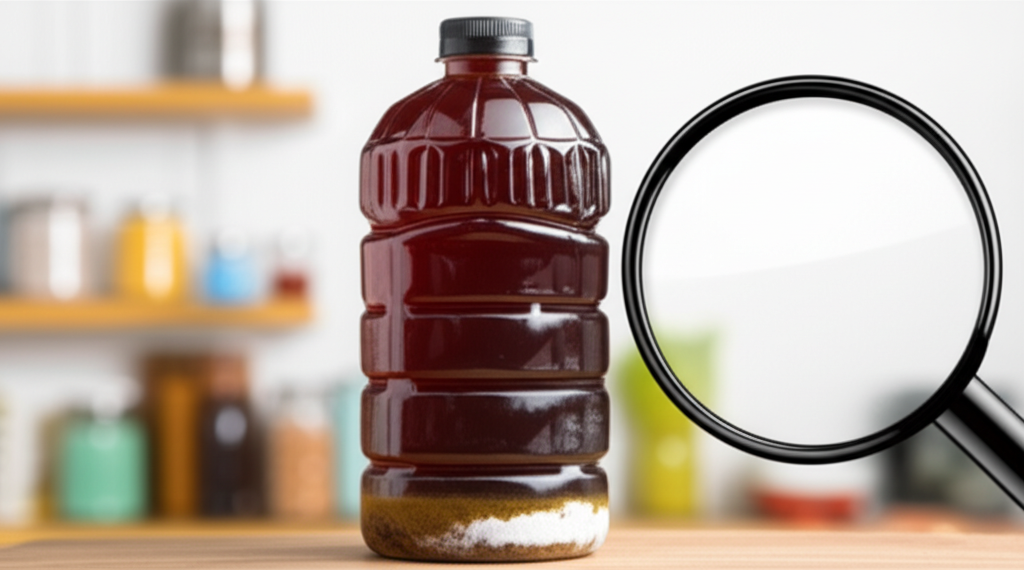
- Cloudiness or Sediment: While some natural sediment can occur in prune juice, a sudden or excessive cloudiness that wasn’t there before, or a layer of sludge at the bottom, can be a sign of spoilage.
- Color Change: A noticeable darkening or a dulling of the vibrant color might suggest oxidation and a loss of freshness.
2. Olfactory Clues: What to Smell
Your nose is a powerful tool for detecting spoilage. Prune juice has a distinct, sweet, and slightly tangy aroma. Any deviation from this is a red flag.
- Unpleasant Odor: If the juice smells sour, fermented, vinegary, or just generally “off” – even before opening (if the seal is suspect) – it’s best to err on the side of caution.
- After Opening: A strong sour or alcoholic smell is a clear indicator that fermentation has begun, and the juice is no longer safe to consume.
3. Gustatory Clues: What to Taste (Use with Caution!)
If the visual and olfactory checks don’t reveal any issues, you might consider a very small taste. However, if either of the above checks raised concerns, skip this step entirely. Your health is more important than saving a bottle of juice.
- Sour or Fizzy Taste: If the juice tastes unusually sour, tart, or even slightly fizzy (unless it’s a naturally carbonated variety, which is rare for prune juice), it’s a sign of fermentation.
- Off-Flavor: Any taste that is distinctly different from its usual sweet, slightly tart flavor profile should be a warning.
Storage Secrets: Keeping Your Prune Juice Fresh
Proper storage is the golden ticket to maximizing the life and quality of your prune juice. Whether it’s unopened or already enjoyed a few sips, these tips will help.
Storing Unopened Prune Juice
Think of this as preserving its potential.
- Cool, Dark Place: A pantry, cupboard, or cellar is perfect. Avoid storing it near heat sources like ovens, stoves, or in direct sunlight.
- Consistent Temperature: Fluctuations in temperature can affect the juice.
- Upright Storage: Store cartons and bottles upright to minimize the surface area exposed to any potential air leaks around the cap or seal.
Storing Opened Prune Juice
This is where careful handling really matters.
- Refrigerate Immediately: As soon as you open a bottle or carton, transfer it to the refrigerator.
- Airtight Seal: Make sure the cap is screwed on tightly. If you decant it into another container, ensure that container has a secure, airtight lid.
- Keep it in the Fridge: Never leave opened prune juice at room temperature for extended periods. Bacteria can multiply rapidly at room temperature.
- Avoid Cross-Contamination: Don’t drink directly from the carton or bottle to prevent introducing bacteria from your mouth into the juice. Pour it into a clean glass.
- Positioning: While not as critical as with unopened containers, storing upright can still be beneficial.
Why Does Prune Juice Spoil? The Science Bit (Simplified!)
Understanding the “why” can help reinforce the importance of proper handling.
Prune juice, like other fruit juices, contains natural sugars. These sugars are food for microorganisms like bacteria and yeasts. When prune juice is exposed to air, these tiny organisms can enter and begin to feed on the sugars. This process, called fermentation, produces acids and gases, leading to the sour taste, off-odors, and potential cloudiness we associate with spoiled juice.
Even in an unopened container, while less likely, microscopic imperfections in the seal or natural enzymatic activity over a very long period can contribute to a gradual decline in quality. Refrigeration significantly slows down the growth of these microorganisms, which is why it’s crucial for opened juice.
For more information on food safety and spoilage, the U.S. Food and Drug Administration (FDA) offers extensive resources on safe food handling practices.
Prune Juice vs. Other Juices: A Quick Comparison
How does prune juice stack up against other popular juices when it comes to spoilage?
| Juice Type | Unopened Shelf Life (Approx.) | Opened Shelf Life (Refrigerated, Approx.) | Key Spoilage Indicators |
|---|---|---|---|
| Prune Juice | 1-2 years | 7-10 days | Sour smell/taste, mold, cloudiness |
| Orange Juice (Pasteurized) | 1-2 weeks past opening (if unopened) | 5-7 days | Sourness, fermentation smell, mold |
| Apple Juice (Pasteurized) | 1-2 weeks past opening (if unopened) | 7-10 days | Sourness, yeasty smell, mold |
| Freshly Squeezed Juice (e.g., Lemonade) | N/A (typically made fresh) | 2-3 days | Rapid spoilage, mold, fermentation |
As you can see, prune juice generally has a good shelf life, especially when unopened. The key difference lies in the fact that most commercially available prune juice is pasteurized, which extends its shelf life significantly compared to freshly squeezed juices that lack this preservation step.
When to Toss It: When in Doubt, Throw It Out!
This is a golden rule in food safety, and it applies perfectly to prune juice.
If you’ve checked the visual cues, the smell, and perhaps even the taste, and you’re still not entirely sure, it’s always best to discard the juice. The minor cost of replacing a bottle is insignificant compared to the risk of foodborne illness. Trust your instincts!
Frequently Asked Questions About Prune Juice Freshness
Q1: Can I freeze prune juice to make it last longer?
A1: Yes, you can freeze prune juice! Freezing significantly extends its shelf life, potentially for many months. Pour it into freezer-safe containers, leaving some headspace for expansion, and label with the date. Thaw in the refrigerator before consuming. Note that the texture might change slightly after thawing.
Q2: My prune juice smells a little “off” but doesn’t look moldy. Is it still okay?
A2: If it smells off, sour, or fermented, it’s best to avoid drinking it. The smell is often the first and most reliable indicator of spoilage, even if visual signs aren’t obvious yet.
Q3: How long can I keep prune juice in the refrigerator after opening?
A3: Typically, 7 to 10 days is a safe bet for opened prune juice when stored properly in the refrigerator with an airtight seal.
Q4: Does the “Best By” date mean it’s unsafe after that date?
A4: The “Best By” date is about quality, not necessarily safety. Unopened prune juice might still be safe to drink for a short period after this date if stored correctly and shows no signs of spoilage. However, its flavor and nutritional value might start to diminish.
Q5: I accidentally left opened prune juice out overnight. Can I still drink it?
A5: It’s not recommended. Leaving perishable items like opened juice at room temperature for more than two hours (or one hour if the ambient temperature is above 90°F or 32°C) allows bacteria to multiply rapidly. For safety, it’s best to discard it.
Q6: Is it normal for prune juice to have sediment at the bottom?
A6: Yes, a small amount of natural sediment can sometimes settle at the bottom of prune juice, especially if it’s not heavily filtered. However, if the sediment looks unusually thick, slimy, or is accompanied by off-smells or cloudiness, it could indicate spoilage.
Beyond Spoilage: Enjoying Your Prune Juice Safely
Prune juice is a fantastic natural source of fiber and can be a gentle aid for digestive regularity. Knowing how to keep it fresh ensures you can enjoy these benefits without worry.
For those seeking digestive support, the natural sorbitol and fiber in prune juice are key. According to the National Institutes of Health (NIH), dietary fiber plays a crucial role in maintaining healthy digestion.
If you’re new to prune juice, start with a small amount (e.g., 4 ounces) to see how your body reacts. Drinking too much too quickly can sometimes lead to gas or bloating.
Remember, the goal is to enjoy prune juice as part of a balanced diet. Proper storage and attention to freshness are essential steps in making that happen.
Conclusion: Your Prune Juice Confidence Boost
So, does prune juice go bad? Absolutely, but with the knowledge we’ve shared, you’re now an expert at keeping it fresh and safe. From understanding those crucial “Best By” dates to knowing the visual and olfactory cues of spoilage, you can confidently navigate your pantry and refrigerator.
By following simple storage guidelines – keeping unopened juice cool and dark, and always refrigerating opened juice in an airtight container – you’ll extend its life and preserve its delicious flavor and health benefits. Don’t let kitchen mysteries stress you out; armed with this information, you can enjoy your prune juice with peace of mind, sip after refreshing sip.
