
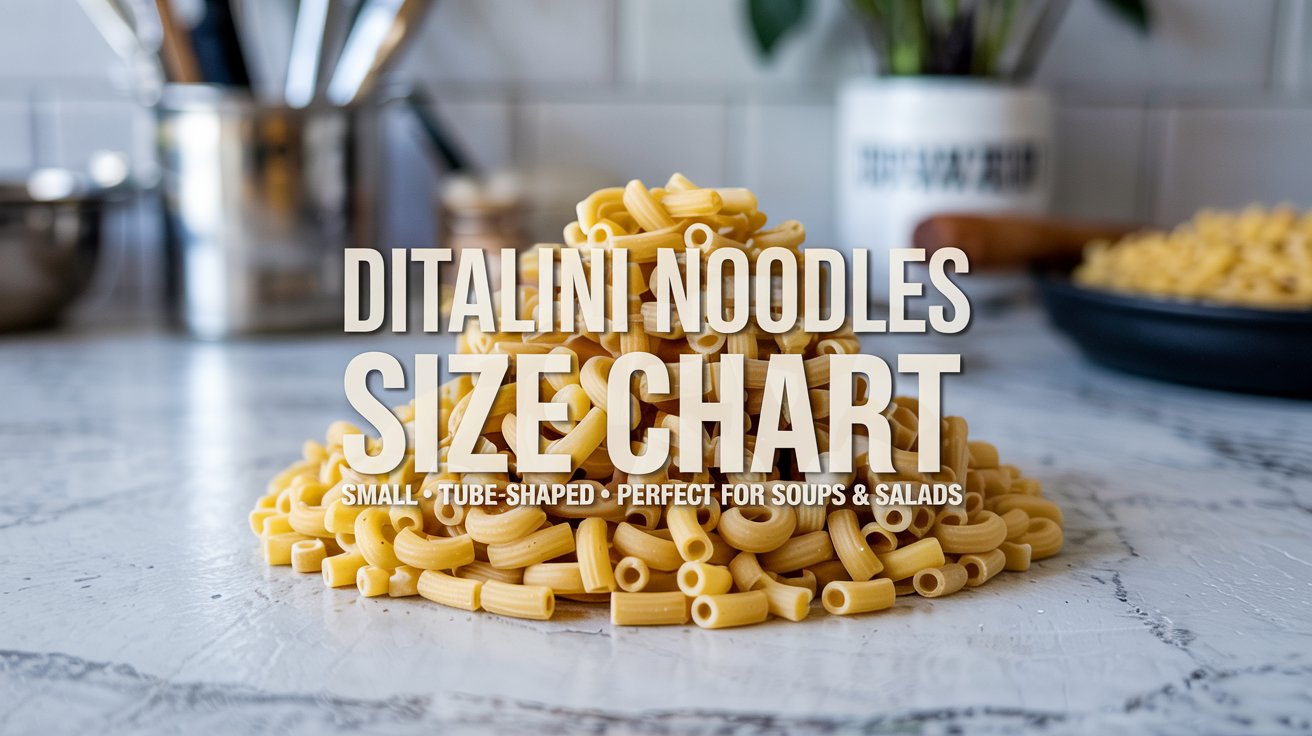
Are you curious about the perfect size of ditalini noodles for your recipes? Knowing the right size can make a big difference in cooking and presentation.
Whether you’re making soup, pasta salads, or side dishes, choosing the right ditalini noodle size helps you get the best texture and flavor every time. In this guide, you’ll find a clear and simple ditalini noodles size chart that answers all your questions.
Keep reading to discover how the size of these tiny pasta shapes can elevate your meals and make cooking easier for you.
Ditalini Noodles Basics
Ditalini noodles are small, tube-shaped pasta pieces. They are simple yet versatile. Many cooks use them in soups and salads. Their size and shape make them easy to eat and cook quickly.
Understanding the basics of ditalini noodles helps in picking the right type for recipes. Knowing their size and common uses improves your cooking results. Let’s explore more about these tiny pasta pieces.
Shape And Size Details
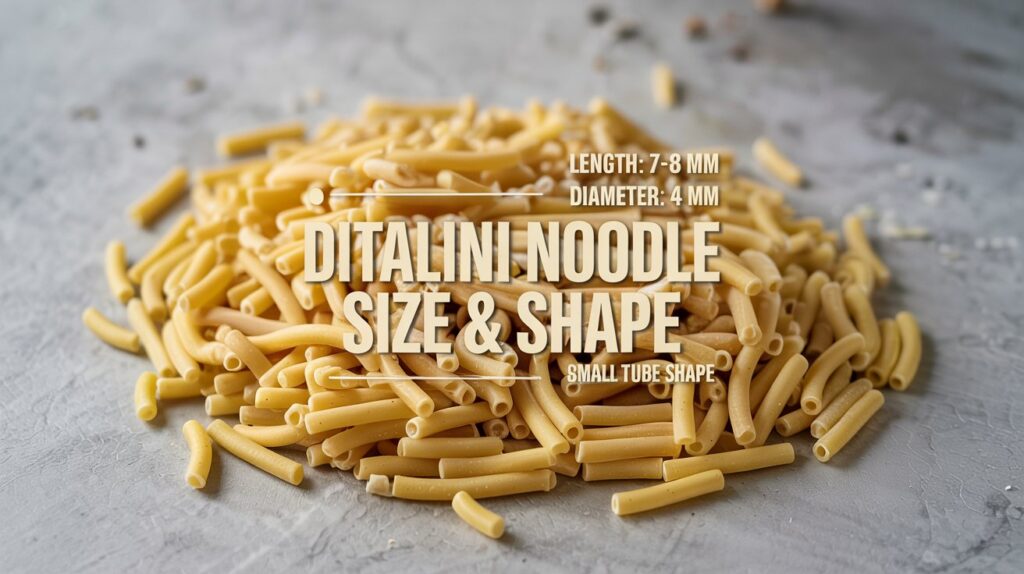
Ditalini noodles look like small tubes. Each piece is about 7 to 8 millimeters long. Their diameter is thin, around 4 millimeters. This small size helps them cook fast. The hollow center allows sauces to stick well. This shape is perfect for soups and broths.
Common Uses In Recipes
Ditalini noodles are popular in soups, especially minestrone. They add texture without overpowering other ingredients. These noodles work well in pasta salads too. Their small size mixes easily with vegetables and dressings. Some use them in baked dishes or casseroles. They absorb flavors nicely while keeping their shape.
Measuring Ditalini Portions
Measuring ditalini portions is important for cooking the right amount. It helps avoid waste and ensures proper serving sizes. Ditalini noodles are small, so their portion sizes can be tricky to judge. Using correct measurements makes your cooking easier and your meals better.
Weight Vs Volume Measurements
Weight measurements use a scale to measure ditalini noodles. This is the most accurate method. Volume measurements use cups or spoons to measure noodles. Volume can be less precise because noodles vary in shape and size. For best results, weigh dry ditalini noodles before cooking.
Dry Vs Cooked Noodle Portions
Dry ditalini noodles weigh less and take up less space. They expand and absorb water during cooking. Cooked noodles weigh more and fill more volume. Knowing the difference helps in planning meal portions. Measure dry noodles for recipes, and expect about double the weight after cooking.
? Ditalini Noodles Size Chart
| Portion Type | Dry Weight | Cooked Volume | Servings | Best Use |
|---|---|---|---|---|
| Small | 40 g | ~¾ cup | Light serving | Soups & broths |
| Standard | 56 g (2 oz) | ~1 cup | 1 person | Everyday meals |
| Medium | 80–90 g | ~1½ cups | 1–2 people | Pasta salads |
| Large | 110–120 g | ~2 cups | 2 people | Hearty dishes |
| Family Portion | 225 g (8 oz) | ~4 cups | 4 people | Family meals |
| Party Portion | 450–500 g | 7–8 cups | 8–10 people | Gatherings |
Portion Sizes For Different Meals
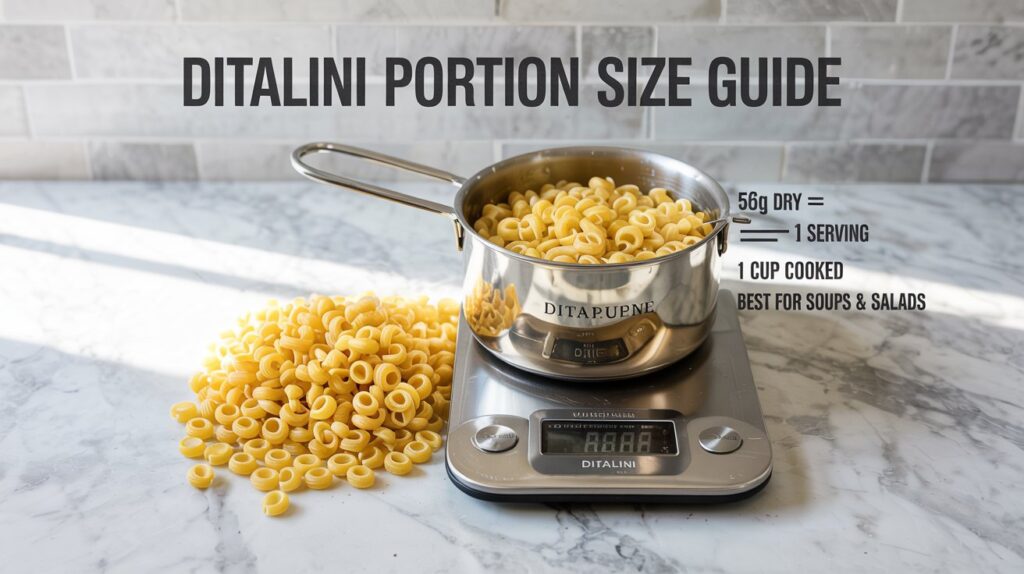
Understanding the right portion sizes for ditalini noodles helps in meal planning and cooking. Different meals need different amounts. Serving the correct portion keeps your meal balanced and satisfying. This guide explains portion sizes for single servings and larger groups.
Single Serving Amounts
A single serving of ditalini noodles is usually about 2 ounces (56 grams) of dry pasta. This amount cooks up to roughly 1 cup of noodles. It fits well for one person’s meal, like a light lunch or a side dish. Adjust the portion slightly based on hunger or the dish you prepare.
Family And Group Portions
For families or groups, multiply the single serving size by the number of people. For example, for four people, use 8 ounces (224 grams) of dry noodles. This amount ensures everyone gets a fair portion. Cooking in bulk can save time and effort in meal preparation.
Cooking Tips For Perfect Portions
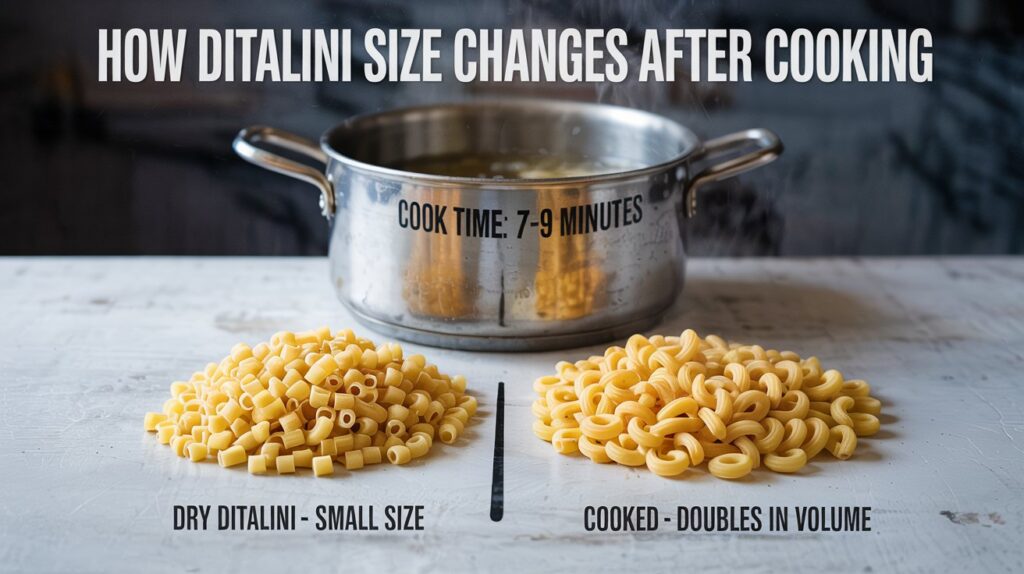
Cooking ditalini noodles perfectly depends on portion control and timing. Small size noodles cook fast, so watch the time closely. Proper portions help keep the texture just right. This section shares easy tips for cooking ditalini noodles with perfect portions.
Adjusting For Recipe Types
Ditalini noodles suit many recipes. For soups, use smaller portions since broth fills the bowl. For pasta salads, add more noodles to balance vegetables. Stews need fewer noodles to avoid thickening too much. Adjust noodle amounts based on how much sauce or liquid you use.
Preventing Overcooking
Overcooked ditalini becomes mushy and loses shape. Boil water first, then add noodles. Stir gently to separate pieces. Check noodles early, around 7 minutes. Drain once they are tender but firm. Rinse under cold water to stop cooking for salads. Proper timing keeps noodles chewy and tasty.
Tools For Accurate Measurement
Accurate measurement is key to perfect Ditalini noodle dishes. Using the right tools helps you get the right noodle size and quantity. This avoids cooking errors and improves meal quality. Two common tools can help you measure Ditalini noodles precisely.
Measuring Cups And Scales
Measuring cups are simple tools for noodle portioning. They show volume in cups or milliliters. This helps measure dry or cooked noodles easily. Digital kitchen scales give exact weight in grams or ounces. Scales are more precise than cups. Weighing noodles avoids guesswork and ensures consistent results.
Using Visual Portion Guides
Visual guides show noodle sizes and portions clearly. They use pictures or diagrams for quick reference. Comparing noodles to common objects helps estimate size. These guides work well without tools nearby. They save time and reduce measurement mistakes. Visual guides are handy in any kitchen.
Common Portion Mistakes
Many people make mistakes when measuring ditalini noodles. These errors cause problems with cooking and portion size. Understanding common portion mistakes helps you cook the right amount every time. It also prevents food waste and saves money.
Overestimating Dry Noodles
People often think dry ditalini noodles weigh more than they do. This leads to cooking too many noodles. Dry noodles look smaller but swell after cooking. Measuring by eye causes large portions and leftovers.
Use a kitchen scale or measuring cup for accuracy. Follow the size chart to know the right dry noodle amount. Cooking the correct portion saves time and ensures balanced meals.
Ignoring Cooking Expansion
Ditalini noodles absorb water and grow during cooking. Ignoring this expansion causes oversized servings. Dry noodles can double or triple in size. Planning meals without this fact leads to overcooked dishes or too much food.
Check the size chart for cooked noodle volume. Adjust dry portions to match your recipe needs. This prevents waste and keeps meal sizes consistent.
Storing And Preparing Ditalini
Ditalini is a small, tube-shaped pasta. Its size makes it quick to cook and perfect for soups and salads. Proper storage and preparation keep its texture and flavor at their best. This section guides you on how to store and prepare ditalini noodles effectively.
Proper Storage Tips
Store dry ditalini in an airtight container. Keep it in a cool, dry place away from sunlight. Avoid moisture to prevent the pasta from becoming soft or moldy. For cooked ditalini, place it in a sealed container. Refrigerate and use within three days for best taste.
Prepping Before Cooking
Measure the right amount of ditalini for your recipe. Rinse the pasta under cold water to remove any dust. Use plenty of boiling water to avoid sticking. Stir occasionally during cooking to keep noodles separate. Drain well and serve immediately or use in your dish.
Frequently Asked Questions
What Is The Standard Size Of Ditalini Noodles?
Ditalini noodles typically measure about 7 to 8 millimeters in length. They are small, tube-shaped pasta pieces perfect for soups and salads.
How Does Ditalini Size Affect Cooking Time?
Smaller ditalini noodles cook faster, usually within 7 to 9 minutes. Size impacts texture, so monitoring cooking time ensures perfect doneness.
Can Ditalini Size Vary By Brand?
Yes, ditalini size may slightly vary by brand. However, most follow a standard small, tubular shape suitable for similar recipes.
Why Is Ditalini Size Important In Recipes?
Ditalini size affects how the pasta absorbs flavors. Smaller sizes blend well in soups, while larger ones hold sauce better.
Conclusion
Ditalini noodles come in small, bite-sized shapes perfect for many dishes. Knowing their size helps you cook the right amount every time. These tiny pasta pieces work well in soups, salads, and casseroles. Choosing the correct size saves cooking time and improves your meal.
Keep this size chart handy for easy reference. Enjoy cooking with ditalini noodles and make tasty meals simply.
