
Are you curious about the perfect size for your Danish pastry, whether you’re baking at home or ordering from your favorite bakery? Knowing the right dimensions can make a big difference in taste, texture, and presentation.
In this guide, you’ll discover a clear and simple Danish pastry size chart that helps you choose the ideal pastry for any occasion. Keep reading to find out how the size of your pastry affects your experience and how you can pick the best one every time.
Danish Pastry Basics
Danish pastry is a popular treat loved worldwide. It has a rich history and unique style. Understanding its basics helps you appreciate the variety and size differences. Each pastry has a special shape, ingredients, and weight. These factors affect the final size and taste. Let’s explore the Danish pastry basics to know what makes them special.
Common Shapes And Styles
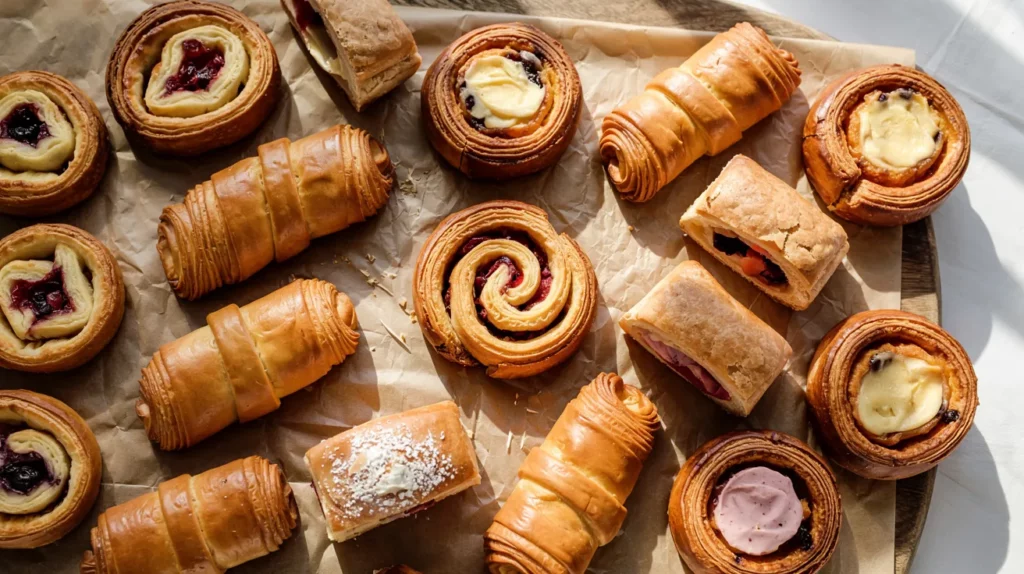
Danish pastries come in many shapes. The most common are spirals, pockets, and pinwheels. Some have a simple round shape with a filling in the center. Others fold into squares or rectangles. The shape often hints at the filling inside. Shapes also affect how big the pastry looks and feels.
Ingredients Impacting Size
The ingredients used change the size of Danish pastries. Butter is a key ingredient that adds layers and fluffiness. More butter means a larger, flakier pastry. Dough type also matters. Some doughs rise more, making the pastry bigger. Fillings like cream cheese or fruit can add weight and size too.
Typical Weight Ranges
Danish pastries vary in weight depending on style and size. Small pastries usually weigh around 60 to 80 grams. Medium ones can range from 90 to 120 grams. Larger pastries might weigh 150 grams or more. Weight influences portion size and baking time. Knowing this helps with serving and nutrition planning.
Standard Danish Pastry Sizes
Danish pastries come in various sizes to suit different tastes and occasions. Standard Danish pastry sizes help bakers and buyers know what to expect. These sizes range from small bites to large treats. Each size has its own charm and ideal use. Understanding these dimensions makes choosing easier and baking consistent.
? Danish Pastry Size Chart
| Pastry Size | Diameter / Width | Typical Weight | Best For | Notes |
|---|---|---|---|---|
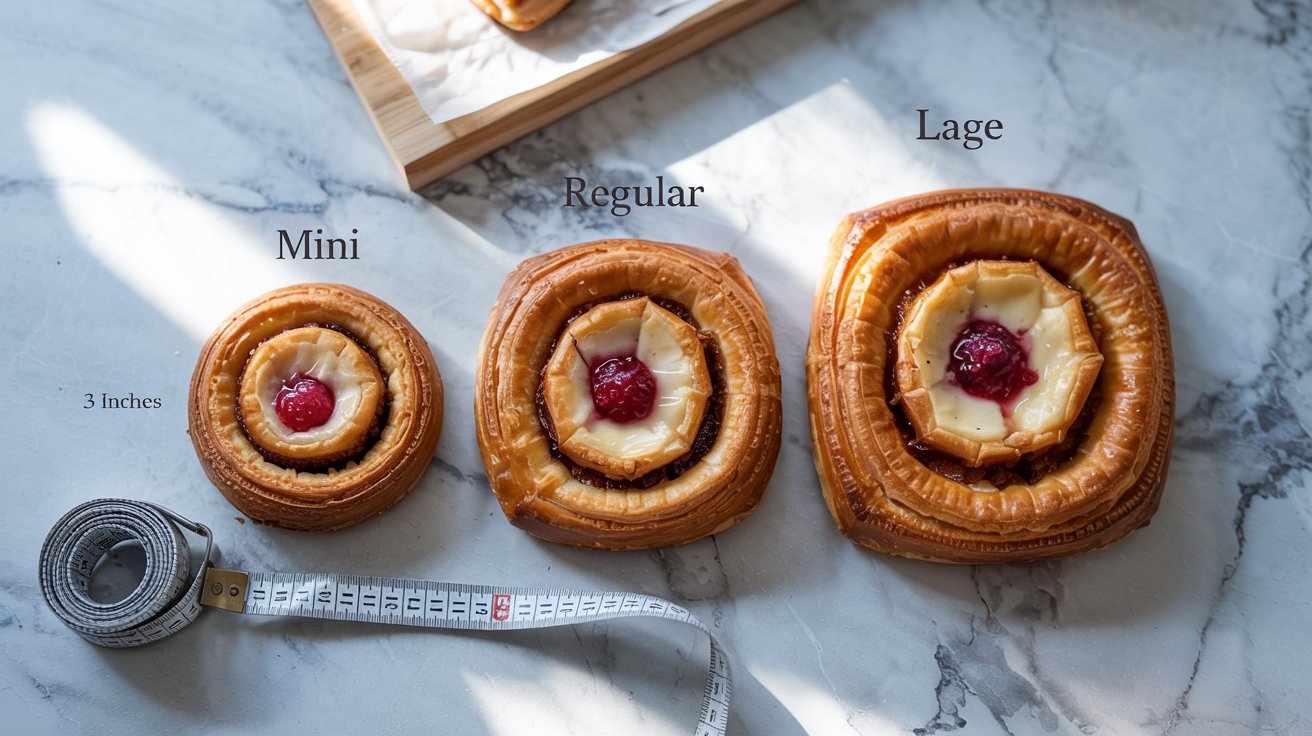
| Mini Danish | 2–3 inches | 60–80 g | Parties, snacks, catering | Bite-size, easy to serve |
| Regular Danish | 4–5 inches | 90–120 g | Breakfast, café servings | Most common bakery size |
| Large Danish | 6–8+ inches | 150 g+ | Sharing, special treats | More filling + longer bake time |
| Oversized Tray Danish | 8–10 inches (round/oval) | 250–400 g+ | Events, family desserts | Often cut into slices |
| Danish Twists / Strips | 6–10 inches long | 70–110 g | Coffee shops, grab-and-go | Light, flaky, easy to package |
Mini Danish Dimensions
Mini Danish pastries are small and perfect for snacks. They usually measure about 2 to 3 inches across. These bite-sized pastries fit well on party trays. Their small size makes them easy to eat in one or two bites.
Regular Danish Dimensions
Regular Danish pastries are the most common size. Typically, they measure 4 to 5 inches wide. This size is ideal for breakfast or dessert. It offers a satisfying portion without being too large.
Large Danish Dimensions
Large Danish pastries are made for sharing or a bigger appetite. They can be 6 to 8 inches or more in diameter. These pastries often have more filling and toppings. They are perfect for special occasions or group servings.
Portion Sizes For Different Occasions
Choosing the right Danish pastry size matters for each event. Different occasions need different portion sizes. Serving the right amount keeps guests happy. It helps avoid waste and ensures everyone enjoys the treat. Below are tips for portion sizes for various settings.
Breakfast Serving Sizes
For breakfast, one medium Danish pastry per person works well. It provides enough energy without feeling too heavy. Pair it with coffee or juice for a complete meal. Small pastries suit quick mornings. Larger pastries fit relaxed weekend breakfasts.
Snack Portions
Snacks need smaller portions to satisfy hunger. Half or mini Danish pastries are ideal. They fit well for tea or coffee breaks. Small bites keep snacks light and easy to eat. Offer a variety of flavors for more choice.
Party And Catering Portions
At parties, serve mini or bite-sized Danish pastries. Guests prefer finger foods for easy eating. Plan for two to three pieces per person. This amount suits most party lengths. For large events, order extra to avoid running out.
Measuring Danish Pastry Portions
Measuring Danish pastry portions helps keep servings consistent and controlled. It also ensures each pastry looks appealing and satisfies customers or guests. Accurate measurement improves baking results and portion planning. Understanding portion sizes is key for both home bakers and professionals.
Using Weight Vs Volume
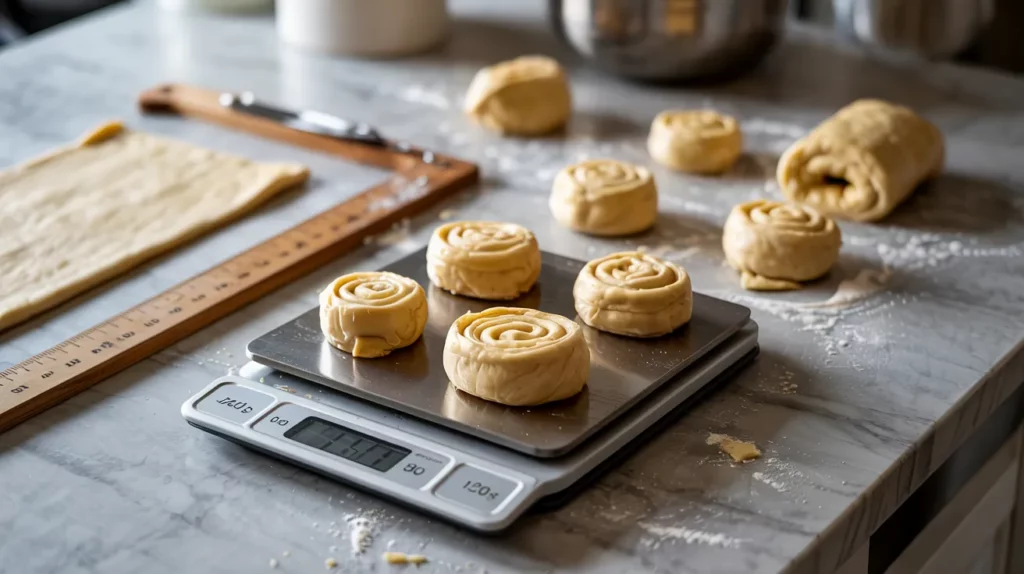
Weight measurement is the most precise method for Danish pastries. It accounts for density and moisture differences. Scales give exact portions, reducing waste and ensuring even baking. Volume measurement uses cups or spoons but can vary with ingredient packing. Weight is better for dough and filling accuracy.
Tools For Accurate Measurement
Digital kitchen scales are essential for weighing pastry dough and ingredients. Use a scale with a tare function to subtract the container’s weight. Measuring cups and spoons help with dry and liquid ingredients but are less precise. A ruler or portion guide can assist in cutting equal pastry sizes.
Visual Portion Estimation
Visual estimation works well for casual serving or small batches. Use hand size or compare to common objects like a credit card for portion size. Look for consistent shapes and thickness to judge evenness. Practice improves accuracy in guessing portion size without tools.
Adjusting Portions For Dietary Needs
Adjusting the size of Danish pastries helps meet different dietary needs. Many people want to enjoy treats without eating too much. Changing portion sizes can control calories and suit various diets.
Small changes make a big difference for health and satisfaction. Understanding how to adjust portions helps everyone enjoy Danish pastries safely and happily.
Calorie Control Tips
Choose smaller pastries or eat half of a larger one. This lowers calorie intake but still satisfies cravings. Avoid adding extra sugar or butter toppings. Drink water instead of sugary drinks with your pastry. Keep portions simple to stay within daily calorie goals.
Gluten-free And Vegan Options
Look for Danish pastries made with gluten-free flour. Many bakeries offer vegan versions without eggs or dairy. These options fit special diets without losing taste. Check ingredient labels carefully to avoid hidden gluten or animal products. Enjoy pastries that match your lifestyle and health needs.
Allergy Considerations
Common allergens include nuts, dairy, and wheat in Danish pastries. Always ask about ingredients before eating. Choose allergy-friendly versions or smaller portions to reduce risk. Clean surfaces and utensils prevent cross-contact. Safety is key for allergy sufferers enjoying treats.
Packaging And Storage Sizes
Packaging and storage sizes play a big role in keeping Danish pastries fresh. Choosing the right size packaging helps maintain taste and texture. It also makes handling easier for both sellers and buyers.
Different packaging sizes serve different needs. Some are made for single servings, while others cater to bulk buying. Proper storage methods keep pastries fresh longer, preventing them from going stale.
Single-serve Packaging
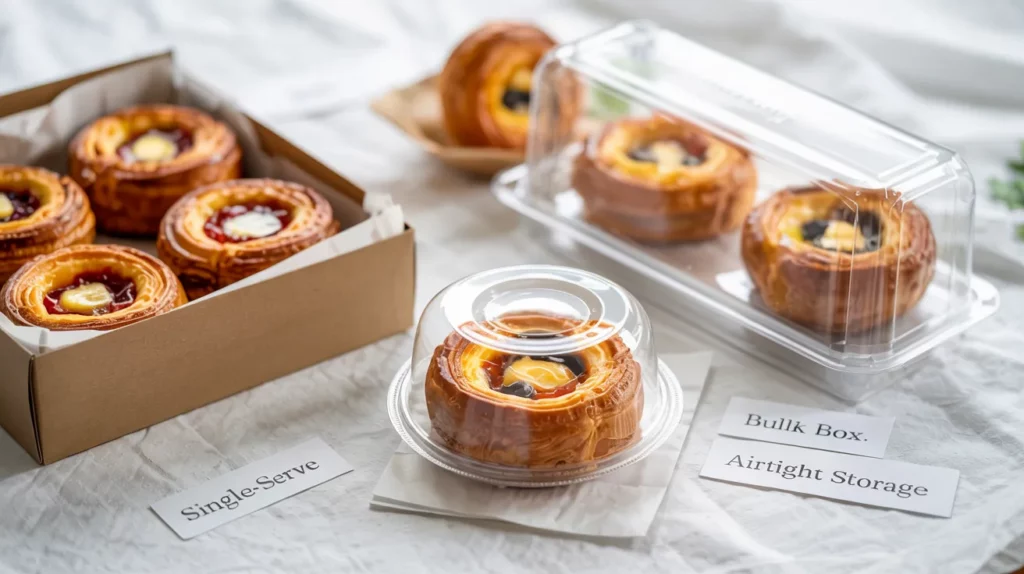
Single-serve packaging is designed for individual portions. This size is perfect for quick snacks or small treats. It keeps each Danish pastry fresh and ready to eat. Often, these packages are sealed to lock in moisture and flavor. They also make it easy to carry pastries on the go.
Bulk Packaging Options
Bulk packaging holds many Danish pastries at once. It suits bakeries, cafes, and large families. This option is cost-effective and reduces waste. Bulk packages often come in trays or boxes. They provide safe storage and easy access to multiple pastries.
Storage Tips For Freshness
Store Danish pastries in a cool, dry place. Avoid direct sunlight and heat. Use airtight containers to keep air out. Refrigerate if you want to keep them longer. Freeze pastries to extend shelf life. Let frozen pastries thaw at room temperature before eating.
Customizing Danish Pastry Sizes
Customizing Danish pastry sizes lets you fit any occasion or taste. Adjusting sizes can help with portion control, presentation, and variety. It also makes sharing easier and offers fun ways to enjoy pastries differently.
Scaling Recipes For Larger Portions
Making bigger Danish pastries means changing ingredient amounts carefully. Increase dough, fillings, and toppings in proportion. Baking time may need adjustment to cook evenly. Use larger pans or molds to keep shape. This option suits parties or big families well.
Miniature Versions For Sampling
Small Danish pastries are perfect for tasting many flavors at once. Use less dough and smaller filling amounts. Bake for less time to avoid overcooking. These bite-sized treats work well at events or buffets. They offer a fun way to try several types.
Creative Size Variations
Play with shapes and sizes beyond the usual. Try thick, square Danish or thin, long twists. Use mini layers stacked for a unique look. Mix sweet and savory fillings for variety. Custom sizes make your pastries stand out on any table.
Buying Guide Based On Size
Choosing the right Danish pastry size can affect your satisfaction and value. This guide helps you understand size options and what fits your needs. Size influences taste, portion, and price. Knowing what to expect helps you buy wisely.
What To Expect From Different Sellers
Sellers offer various Danish pastry sizes. Small pastries suit quick snacks or kids. Medium ones work well for sharing or light meals. Large pastries fill you up and are good for gatherings.
Some sellers list exact dimensions. Others use general terms like “regular” or “jumbo.” Check product descriptions carefully. Photos help compare sizes too. Packaging might also show weight or size details.
Price Vs Size Considerations
Price often depends on size. Bigger pastries cost more but can be better value per ounce. Smaller ones are cheaper but may cost more per bite. Compare price with size to get the best deal.
Some sellers charge extra for fancy fillings or toppings. These can add to the price but not the size. Focus on what matters most to you: size, price, or flavor.
Quality Indicators By Size
Size can hint at quality, but not always. Very large pastries may be less fresh if made ahead. Small pastries often bake faster and taste fresher. Medium size usually balances freshness and portion well.
Look at texture and appearance too. A good Danish has a flaky crust and rich filling. Size alone does not guarantee taste. Check reviews or ask sellers about freshness and ingredients.
Frequently Asked Questions
What Are The Standard Danish Pastry Sizes?
Standard Danish pastries typically range from 3 to 6 inches in diameter. Sizes vary by bakery and type, but most fall within this range to ensure consistent baking and serving portions.
How Does Danish Pastry Size Affect Baking Time?
Larger Danish pastries require longer baking times to cook evenly. Smaller sizes bake faster, usually within 12-15 minutes, while bigger ones may take 20-25 minutes at 375°F (190°C).
Why Is The Danish Pastry Size Chart Important?
A size chart helps bakers maintain consistency in portion control and presentation. It ensures even baking and helps customers know what to expect in serving size and calorie content.
Are Mini Danish Pastries Different In Size Standards?
Yes, mini Danish pastries are usually about 2 to 3 inches wide. They serve as bite-sized treats or appetizers, perfect for events or sampling different flavors.
Conclusion
Knowing Danish pastry sizes helps you choose the right portion. It makes baking and serving easier. Size charts guide you to bake perfectly each time. They prevent waste and ensure good presentation. Whether for a party or a snack, size matters.
Keep the chart handy in your kitchen. It saves time and avoids confusion. Enjoy your pastries with confidence and ease. Simple steps lead to tasty results every time.
